OF THE
TIMES
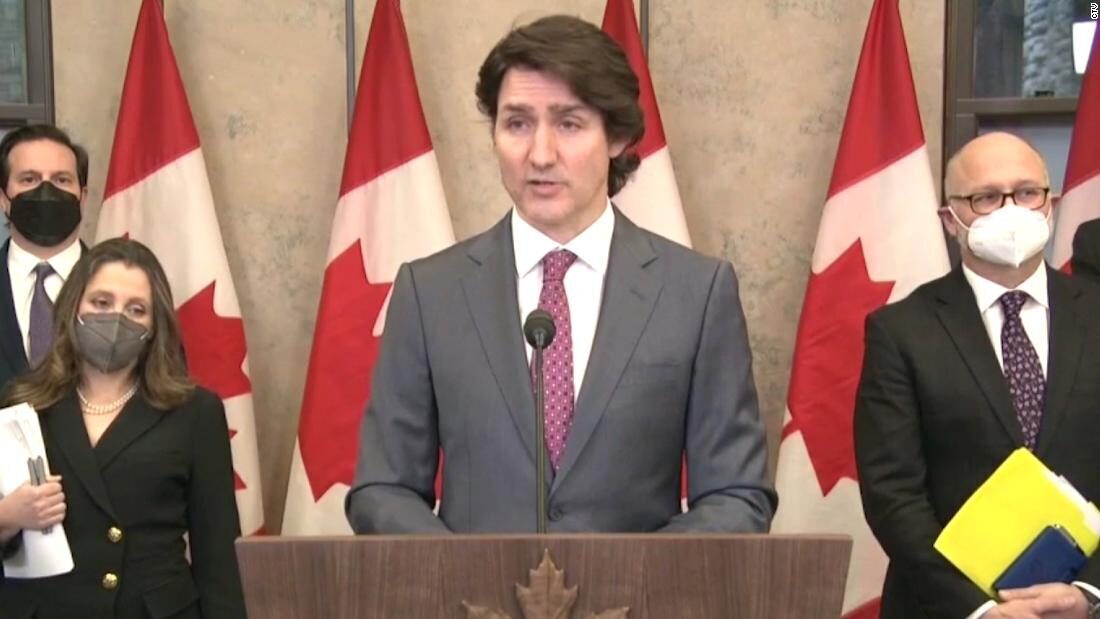
For the first time since its creation, Prime Minister Justin Trudeau is invoking the Emergencies Act, giving the government far reaching powers, allowing the government to freeze financial accounts, press tow truck operators into service and end blockades.See also:
[...]
The Emergencies Act was created in 1988 as the modern-day replacement to the War Measures Act. It allows the federal government to force companies to essential services, which in this case could mean tow-truck drivers who have been reluctant to get involved with the Ottawa protests.
The act can limit public protests especially ones that blockade roads. The act also allows for the military to be used as police, but Trudeau stressed the military will not be called in and the act's use will be limited.
"The scope of these measures will be time limited, geographically targeted, as well as reasonable and proportionate to the threats they are meant to address," he said. "This is about keeping Canadians safe, protecting people's jobs and restoring confidence in our institutions."
[...]
The Emergencies Act has not been used since it was written in 1988. The government will now have seven sitting days to bring it before Parliament where it will face a vote from MPs and then Senators who can vote to rescind it. The government consulted with provincial premiers Monday, as the act requires, but many premiers expressed opposition to using it in their provinces.
It may be heresy to those who think the Fed is all-powerful, but the honest answer is that raising interest rates wouldn't put out the fire. Short of throwing millions of people out of work in a recession, higher rates wouldn't bring supply and demand back into balance, a necessary condition for price stability.
The Fed (and those who are clamoring for the Fed to raise rates immediately) have misdiagnosed the problem with the economy and are demanding the wrong kind of medicine. ...
Prices are going up because crucial inputs — labor, electronics, energy, housing, transportation — are in short supply. Normally, the way to solve this imbalance would be to give workers and businesses incentives to increase their supply. ...
The Fed has been assigned the job of fixing this. Unfortunately, the Fed doesn't have the tools to do it. Monetary policy works (in theory) by tweaking demand, but it has no direct impact on supply.
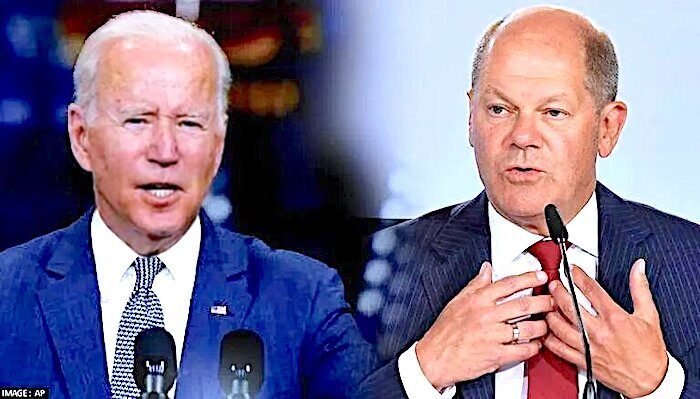
"There will be no longer a Nord Stream 2," said Biden without hesitation. "We will bring an end to it."
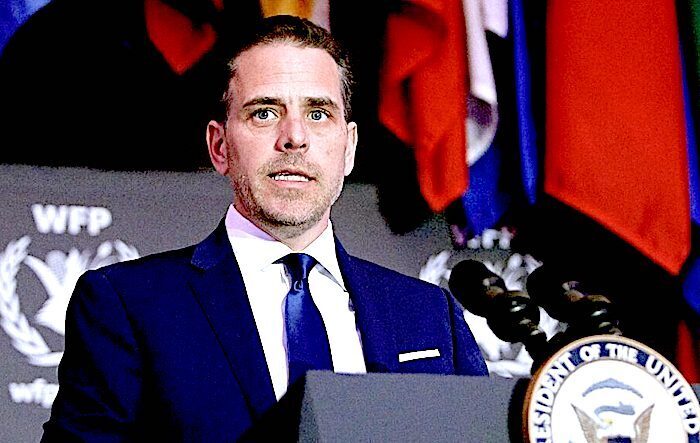
"The real issue to my mind was that someone in Washington needed to engage VP Biden quietly and say that his son Hunter's presence on the Burisma board undercut the anti-corruption message the VP and we were advancing in Ukraine."
Comment: See also: