Science & TechnologyS


Life Preserver

The dose makes the poison or the treatment: Carbon monoxide gas is being used as a therapeutic agent

Dr. Binghe Wang, carbon monoxide therapy
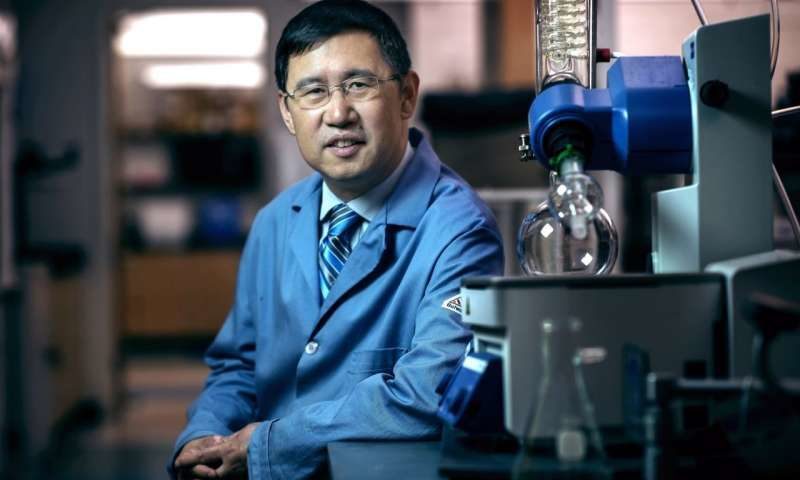
© LaTina EmersonDr. Wang says carbon monoxide is very effective in inhibiting systemic inflammatory responses, which are conditions commonly seen in diseases such as lupus and rheumatoid arthritis, and infection, including sepsis.
When most of us hear the words "carbon monoxide," our first instinct is to probably hold our breath. Yes, the colorless, odorless gas can kill you if you breathe too much of it, but according to Dr. Binghe Wang, Regents' Professor of Chemistry and director of the Center for Diagnostics & Therapeutics, carbon monoxide gets a bad rap. He's studying how the gas can be used as a therapeutic agent to treat diseases such as lupus, rheumatoid arthritis, colitis and cancers.

Below he shares how he's using carbon monoxide as a medical treatment:

Q: Most people consider carbon monoxide to be toxic and hazardous, but you've found that it has good qualities. Why is carbon monoxide important to humans?

A: We produce carbon monoxide all the time. It's what's called a gasotransmitter-gaseous molecules that play very important physiological roles in mammals. Among them are three molecules: carbon monoxide, hydrogen sulfide and nitric oxide. If we didn't have those three gases in our system, we would die.

Comment: Interesting but unsurprising that smoking isn't mentioned as a delivery method of carbon monoxide. From A comprehensive review of the many health benefits of smoking Tobacco:
One common criticism made by anti-smokers is that tobacco smoke contains Carbon Monoxide, which is supposedly poisonous, so therefore smoking is bad. However, this view is based on the faulty assumption that any dose of carbon monoxide is harmful. No doubt, a high dose of carbon monoxide can be fatal. But what these anti-smokers probably don't realise is that Carbon Monoxide is actually hormetic. The process of hormesis is characterised by the introduction of a low-dose toxin into the body which triggers the body to respond in a beneficial way. On the other hand, at high doses the same toxin has a detrimental effect. Hormesis is one of the body's most effective means of making adaptive changes on the cellular level in response to external stressors by up-regulating detoxification pathways, and is a sure way to protect against disease.

Fortunately for smokers, there is now a growing body of evidence demonstrating carbon monoxide's potent hormetic effects and potential therapeutic benefits. Researchers at the Molecular Gastroenterology and Hepatology department of research at the University of Kyoto, Japan, say:26
Recent accumulating evidence has suggested that carbon monoxide (CO) may act as an endogenous defensive gaseous molecule to reduce inflammation and tissue injury in various organ injury models, including intestinal inflammation.

...Potent therapeutic efficacies of CO have been demonstrated in experimental models of several conditions, including lung injuries, heart, hepatic and renal I-R injuries, as well as inflammation, including arthritis, supporting the new paradigm that CO at low concentrations functions as a signaling molecule that exerts significant cytoprotection and anti-inflammatory actions.
Now consider the fact that the human body continuously goes through a constant state of producing and recycling CO, and CO poisoning can only occur when the body becomes overburdened by an extremely large amount. Cigarette smoke contains such low quantities of CO that it would be pretty much impossible to smoke enough to induce poisoning.


Cow

Latest study confirms an animal-free food system is not holistically sustainable

cows
Utesch Family Ranch
Let's be clear, a healthy and sustainable food system depends on having both plants and animals. Researchers at USDA's Agricultural Research Service and Virginia Tech just published a study in the Proceedings of National Academies of Sciences confirming this socially debated fact. The study examined what our world would look like without animal agriculture in the U.S. The bottom line? We'd reduce greenhouse gas emissions in the U.S. by 2.6 percent, and 0.36 percent globally[1] - but we'd also upset our balanced food ecosystem and lack essential dietary nutrients to feed all Americans.

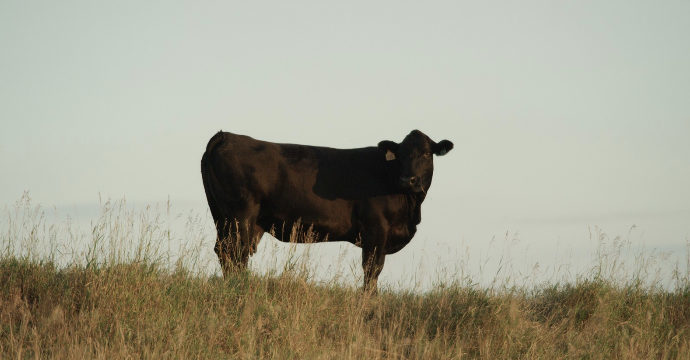
One important role livestock - such as cattle - play in our sustainable food system is taking human inedible food and ultimately making it nutritious. Specifically, cattle act as upcyclers - meaning they eat grasses and plant matter leftover from human food production and upgrade them into nutritional, high-quality protein. In fact, they produce 19 percent more edible protein than they consume[2].

Christmas Tree

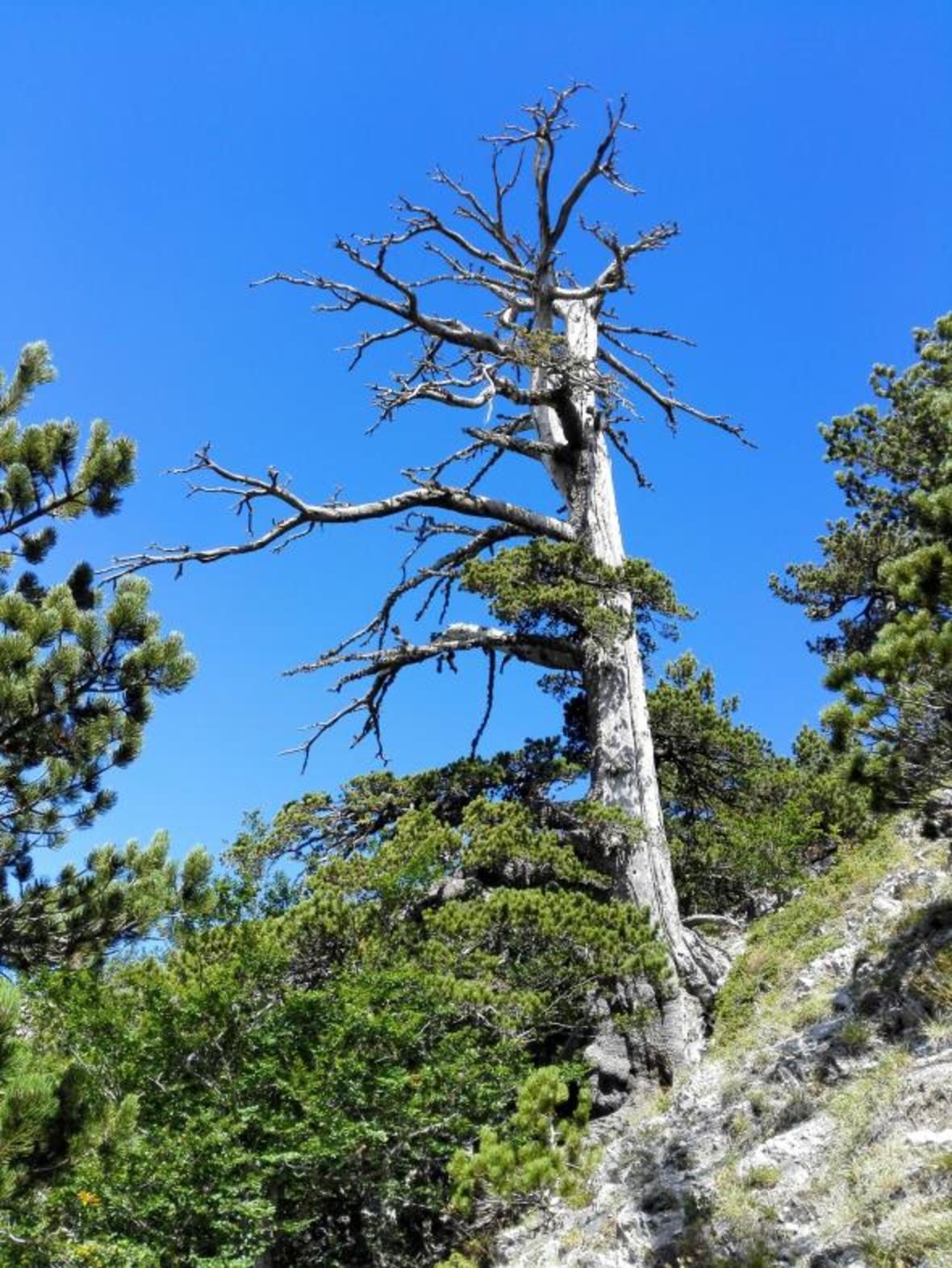
Oldest tree in Europe found - And even though the climate is cooling it's having a growth spurt

italus
© Gianluca PiovesanScientists determined the age of this 1,230-year-old Heldreich’s pine, nicknamed Italus, using a novel combination of tree-ring analysis and radiocarbon dating.
A craggy pine tree growing in southern Italy is 1,230 years old, making it the oldest tree in Europe that has been scientifically dated.

Moreover, the ancient pine seems to be living it up in its old age, researchers reported last week in the journal Ecology. Examinations show that the tree had a growth spurt in recent decades, where larger rings were added to its trunk even though many trees in the Mediterranean region have been experiencing a decline in growth.

The discovery shows that some trees can survive for centuries even when subjected to extreme changes in climate. This ancient pine, for example, would have germinated in a cold period during Medieval times and then lived through much warmer temperatures, including periods of drought.


Comment: See also:


Cloud Precipitation

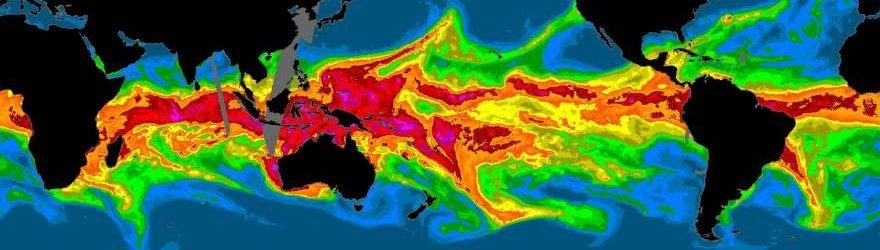
Study reveals atmospheric rivers to double in size

atmospheric rivers
© mavensnotebook.com
A new study shows that climate change is likely to intensify extreme weather events known as atmospheric rivers across most of the globe by the end of this century, while slightly reducing their number.

The new study, published online in Geophysical Research Letters, a journal of the American Geophysical Union, projects atmospheric rivers will be significantly longer and wider than the ones we observe today, leading to more frequent atmospheric river conditions in affected areas.

"The results project that in a scenario where greenhouse gas emissions continue at the current rate, there will be about 10 percent fewer atmospheric rivers globally by the end of the 21st century," said the study's lead author, Duane Waliser, of NASA's Jet Propulsion Laboratory in Pasadena, California. "However, because the findings project that the atmospheric rivers will be, on average, about 25 percent wider and longer, the global frequency of atmospheric river conditions - like heavy rain and strong winds - will actually increase by about 50 percent."


Comment: Don't believe the greenhouse hype - the global warmists have never proven a link between human emissions and our changing climate: Greenland getting colder says 15 years of data but global warmists 'fill in the gaps' to convince themselves otherwise


Comment: Numerous studies are coming out identifying varying and dramatic shifts occurring on our planet which are contributing to the changes in climate and weather patterns, the devastating effects that we are witnessing today, and which will only get worse:


Solar Flares

Solar minimum for 2018 - 2020 could be unprecedented in modern astronomy

solar cycle #24
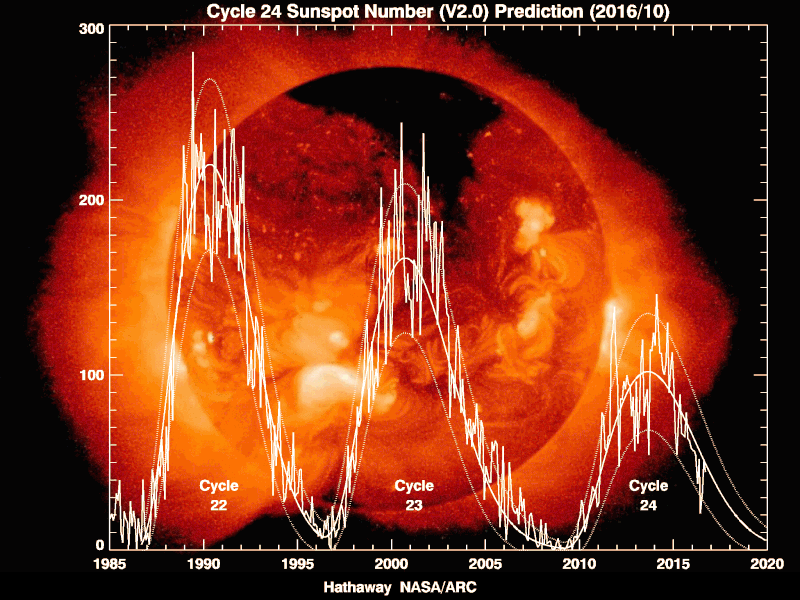
© David Hathaway/NASA Marshall Spaceflight CenterThe story thus far... and the curious drama that is solar cycle #24.
Have you been keeping an eye on Sol lately? One of the top astronomy stories for 2018 may be what's not happening, and how inactive our host star has become.

The strange tale of Solar Cycle #24 is ending with an expected whimper: as of May 8th, the Earthward face of the Sun had been spotless for 73 out of 128 days thus far for 2018, or more than 57% of the time. This wasn't entirely unexpected, as the solar minimum between solar cycle #23 and #24 saw 260 spotless days in 2009 - the most recorded in a single year since 1913.

Cycle #24 got off to a late and sputtering start, and though it produced some whopper sunspots reminiscent of the Sol we knew and loved on 20th century cycles past, it was a chronic under-performer overall. Mid-2018 may see the end of cycle #24 and the start of Cycle #25... or will it?

Comment: And with increasingly brutal winters and extreme weather events the similarities to the Maunder Minimum, and other periods of low solar activity, are worryingly apparent. Some observers are also noticing that its not just the sun exhibiting unusual behaviour: Also check out SOTT radio's: Behind the Headlines: Earth changes in an electric universe: Is climate change really man-made?

And our monthly documentary: SOTT Earth Changes Summary - April 2018: Extreme Weather, Planetary Upheaval, Meteor Fireballs


Brain

New parts of students' brains become active after learning physics

Parts of the brain not traditionally associated with learning science become active when people are confronted with solving physics problems, a new study shows.
MRI Scanning
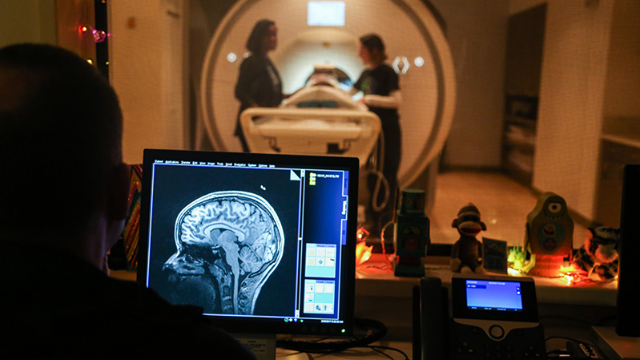
© Florida International UniversityScanning using fMRI determined that physics learning activated new parts of the brain.
The researchers, led by Eric Brewe, PhD,an associate professor in Drexel University's College of Arts and Sciences, say this shows that the brain's activity can be modified by different forms of instruction.

Using fMRI (functional magnetic resonance imaging) to measure blood flow in the brain, the researchers looked to map what areas become active when completing a physics reasoning task, both before a course on the concepts and after.

Brain

Brainwave link suggested between disparate disorders

2Brains
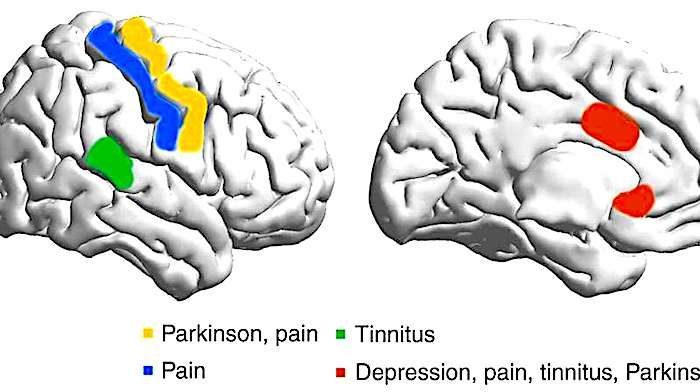
© University of Texas at DallasThis summary figure shows the spatial distribution of theta-beta and theta-gamma cross-frequency coupling as they relate to different syndromes.
A brainwave abnormality could be a common link between Parkinson's disease, neuropathic pain, tinnitus and depression - a link that authors of a new study suggest could lead to treatment for all four conditions.

Dr. Sven Vanneste, an associate professor in the School of Behavioral and Brain Sciences at The University of Texas at Dallas, is one of three authors of a paper in the journal Nature Communications regarding thalamocortical dysrhythmia (TCD), a theory that ties a disruption of brainwave activity to the symptoms of a wide range of neurological disorders.

Vanneste and his colleagues - Dr. Jae-Jin Song of South Korea's Seoul National University and Dr. Dirk De Ridder of New Zealand's University of Otago - analyzed electroencephalograph (EEG) and functional brain mapping data from more than 500 people to create what Vanneste believes is the largest experimental evaluation of TCD, which was first proposed in a paper published in 1996.

Bacon

Liars: New 'research' says any alcohol, bacon, or sausage increases cancer risk, ignores actual causes of cancer

bacon and alcohol shots
'A new set of guidelines says that even looking at bacon or alcohol causes cancer'
A new set of health guidelines, released by the World Cancer Research Fund (WCRF) says that people can reduce their risk of cancer about 40% by completely eliminating alcohol, bacon, sausage, fatty meats, and beer from their diets.


Comment: Cancer is a booming industry that generates billions of dollars a year; even with a myriad of obvious causes staring researchers in the face, they'll never acknowledge them or find a cure because that would cut into their massive profits.


The recommendations are part of a "ten point plan" that the WCRF says can help nearly halve your chances of getting cancer - though their guidelines may put a significant dent in your quality of life.

The most dangerous meats include any rare or raw red meat (pork, beef, and lamb, specifically), hamburgers and hot dogs, but the WCRF and their European Union colleagues say if you want to stay cancer-free (at least, when it comes to those cancers where genetic disposition isn't a risk factor), you should avoid all but the "occasional" bacon sandwich or sip of beer.

Comment: So despite the fact that humans have been eating meat for millions of years (and even may be argued that eating meat made us human) and drinking alcohol for thousands of years (probably longer), without getting cancer at epidemic rates, suddenly they're so dangerous that we shouldn't consume any. Does anyone believe these jokers anymore? See more:


Palette

Nine curious colours that influenced the history of art

paint pigments
© Peter Vanderwarker/President and Fellows of Harvard College
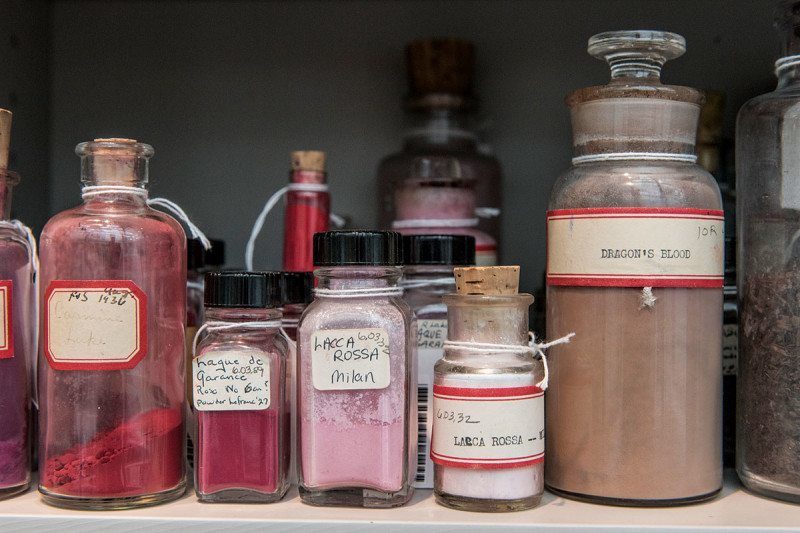
"Color has always been there," says Narayan Khandekar. "It's fundamental to how we are as people." Reds, browns and oranges from earthy ochre minerals and black from charcoal appeared on rocks, shells and cave walls as dawn broke on humanity's artistic temperament.

Later came pigments and dyes derived from plants and animals, and a love affair with owning and mastering colour - in art, clothing and other possessions - that continues to this day.

That long-term relationship is documented by the Forbes Pigment Collection. Curated by Khandekar, it contains some 3000 pigments, housed mainly at Harvard University's Fogg Art Museum. Together with its associated database, it is a unique reference work spanning 5000 years of human history.

Powertool

Literally shocking: Russian security forces unveil 'Taser shield' to use in raids against crime

Shield taser
© ООО "МАРТ ГРУПП" / YouTube
Russian police plan to employ 'Taser shields' in raids against crime. The 'shocking' new device was unveiled during the Advanced Technologies in Law Enforcement Expo near Moscow.

"Its whole surface holds an electrical charge. So, if someone charges at me, I can electrocute him," an officer at the booth told a reporter from Lenta.ru, adding that the shield might also help to deter possible offenders and discourage them from dangerous behavior.

Different types of 'Taser shields,' also known as 'stun shields,' are already in use in some US police and sheriffs' departments, as well as in correctional facilities.