
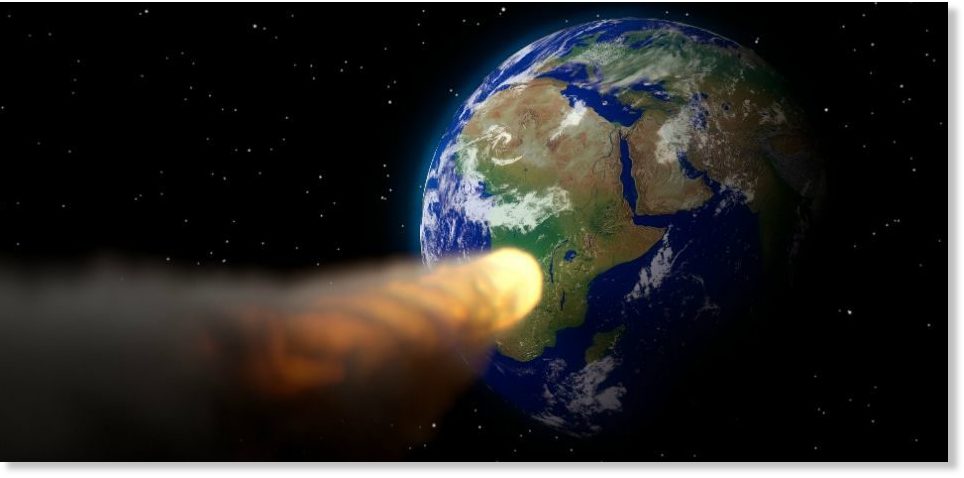
© MASTERTUX / PIXABAYClose approach
Size-wise, the near-Earth asteroid fares somewhat on the smaller side. The rock — which was discovered a mere two days ago — is estimated to measure no more than 49 feet in diameter. As such, the object is only a little smaller than the famous Chelyabinsk meteor that penetrated the Earth's atmosphere nearly seven years ago. Though only slightly larger than asteroid 2020 BJ7, the meteor caused a substantial amount of damage when it exploded in the sky over Russia on February 15, 2013, destroying more than 7,200 buildings and injuring nearly 1,500 people.
Thankfully, the tiny asteroid won't give us any cause for concern when it comes swooping by in two days' time. NASA assures that the rock will safely pass by our planet and uneventfully exit the inner solar system as it circles the sun.

















Comment: Related: 32-foot asteroid just skimmed Earth from VERY CLOSE by shortly after discovery