
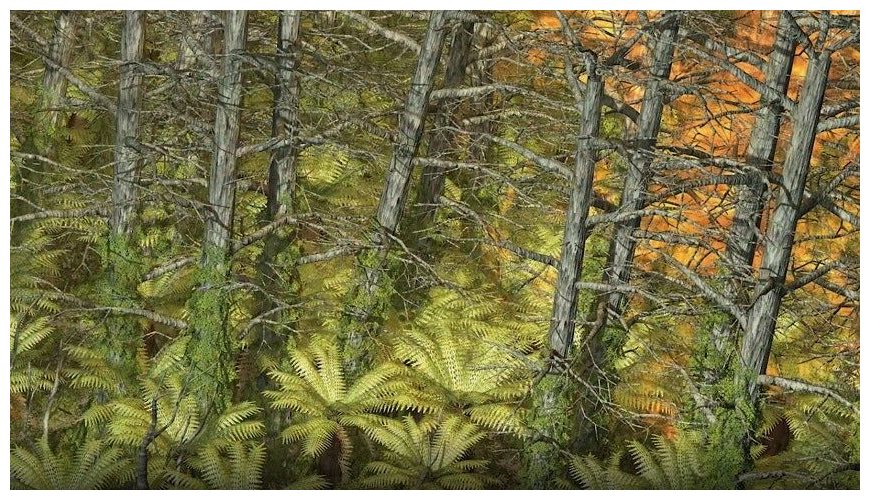
© GEUSMutated ferns point to a new culprit in prehistoric mass extinctions, researchers say.
It was also large quantities of lethal mercury causing plant life to mutate and die.
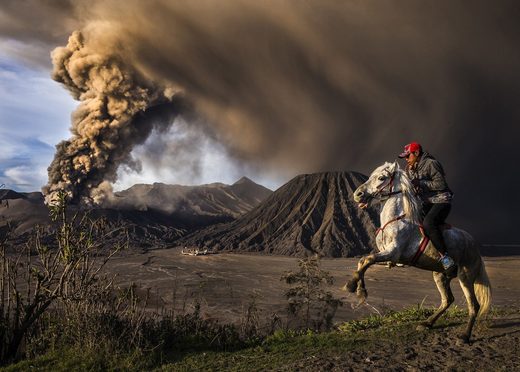
Four out of the five mass extinctions that occurred over the past 600 million years have been linked to huge and prolonged bursts of volcanic activity.
In the case of the Triassic event - which saw the end of an estimated 40% of land animal genera and 30% of ocean-dwelling groups - there is ample evidence that volcanoes sprang to life across an area known as the Central Atlantic Magmatic Province (CAMP) 100,000 years before the great dying began. It continued, sporadically, for another 700,000.
Such a profound upheaval causes substantial environmental disruption - including long-lasting spikes in carbon dioxide and sulphur combinations that have been regularly and reliably associated with high levels of animal and plant deaths.
Now, however, scientists led by Sofie Lindström of the Geological Survey of Denmark and Greenland have identified another nasty: pulsed elevated concentrations of mercury in the ocean and the soil.












Comment: More reason to, where possible, shop local and get to know your supplier: