Animals
S


Info

Study suggests hundreds of land species near extinction

Vertebrates Extinction
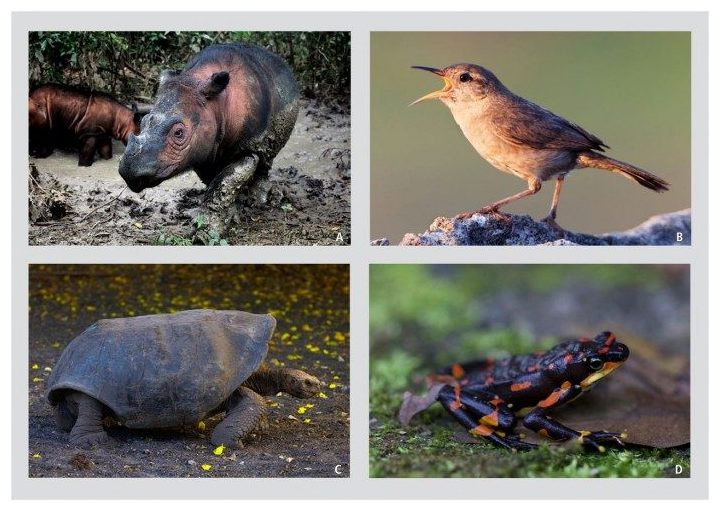
© (a) Rhett A Butler (b) Claudio Contreras Koob (c) and (d) Gerardo CeballosTerrestrial vertebrates on the brink include (a) the Sumatran rhino (b) Clarion island wren (c) Española Giant Tortoise (d) Harlequin frog.
There's something sobering - terrifying is the more apt word - about a peer-reviewed paper that contains, under the heading "Significance", these words:
"The ongoing sixth mass extinction may be the most serious environmental threat to the persistence of civilisation, because it is irreversible.

Thousands of populations of critically endangered vertebrate animal species have been lost in a century, indicating that the sixth mass extinction is human caused and accelerating. The acceleration of the extinction crisis is certain because of the still fast growth in human numbers and consumption rates.

In addition, species are links in ecosystems, and, as they fall out, the species they interact with are likely to go also. In the regions where disappearing species are concentrated, regional biodiversity collapses are likely occurring. Our results re-emphasise the extreme urgency of taking massive global actions to save humanity's crucial life-support systems."
The research article this statement precedes - just published in Proceedings Of The National Academy Of Sciences - is titled "Vertebrates on the brink as indicators of biological annihilation and the sixth mass extinction". Biological annihilation - the authors' words.

More than 500 terrestrial vertebrate species, the study says, are on the brink of extinction. They include icons such as the Sumatran rhino (Dicerorhinus sumatrensis) and Española Giant Tortoise (Chelonoidis hoodensis) and their decline is likely driven in large part by human activities in biodiversity hotspots.

Doberman

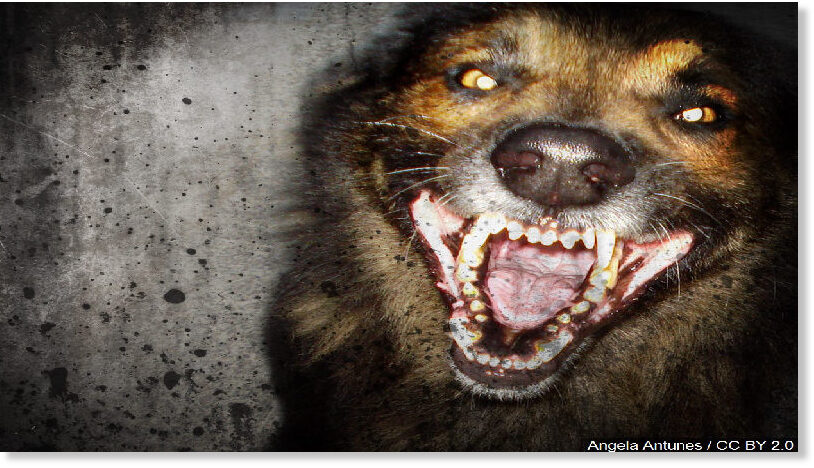
Mauled by dogs, six-yr-old girl dies for want of treatment in Telangana, India

Photo for representation
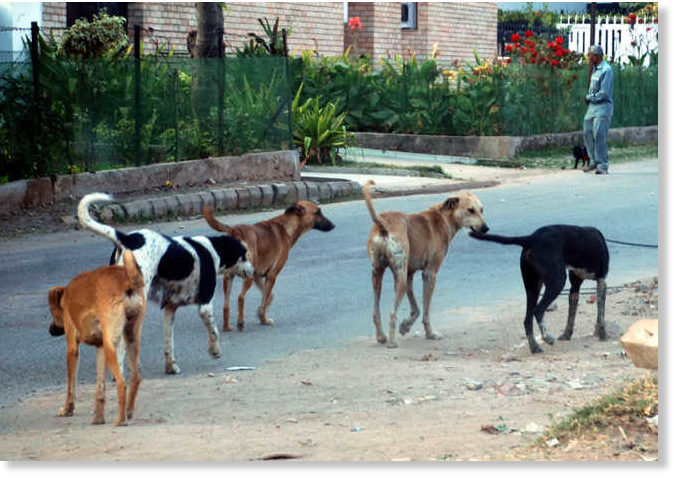
A six-year-old girl died after she was mauled by stray dogs and hospitals refused to treat her.

The dog attack took place in the Chengicherla area after a labourer youngest daughter was attacked by hungry dogs.

Hospital after hospital refused to admit her and referred her to another hospital after first aid. The girl died at Niloufer Hospital, where she was finally admitted.

The police said she was attacked by stray dogs around 11 am that left her severely injured. Her parents took her to a private hospital where her wounds were cleaned.

Wolf

Man hospitalized after lone-wolf attack in Port Edwards, British Columbia

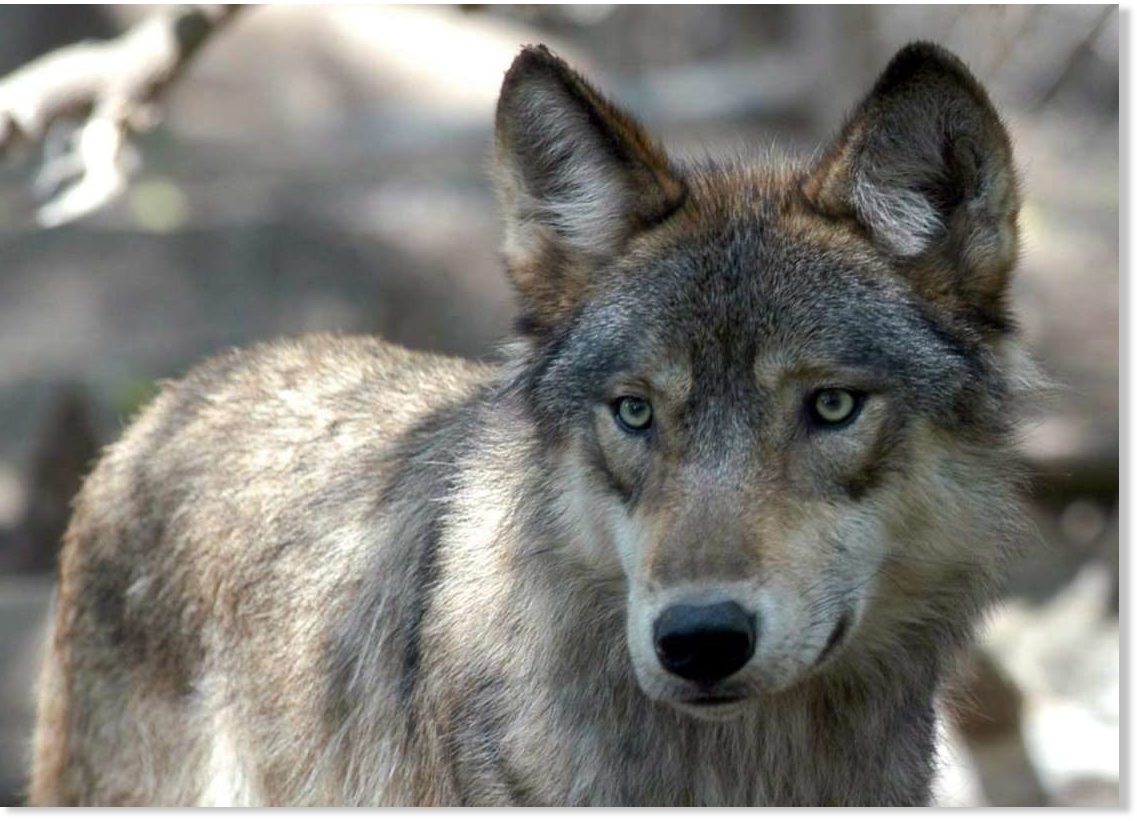
A grey wolf seen in a file photo.
© AP/Dawn VillellaA grey wolf seen in a file photo.
A B.C. man is recovering in hospital following an attack by a lone wolf in Port Edwards, just south of Prince Rupert.

The B.C. Conservation Officer Service (COS) says the attack happened just after 11 p.m., while the man was walking home.

The COS says the man's injuries aren't life threatening.

Officers have been deployed in the area to search for the wolf.

Cloud Lightning

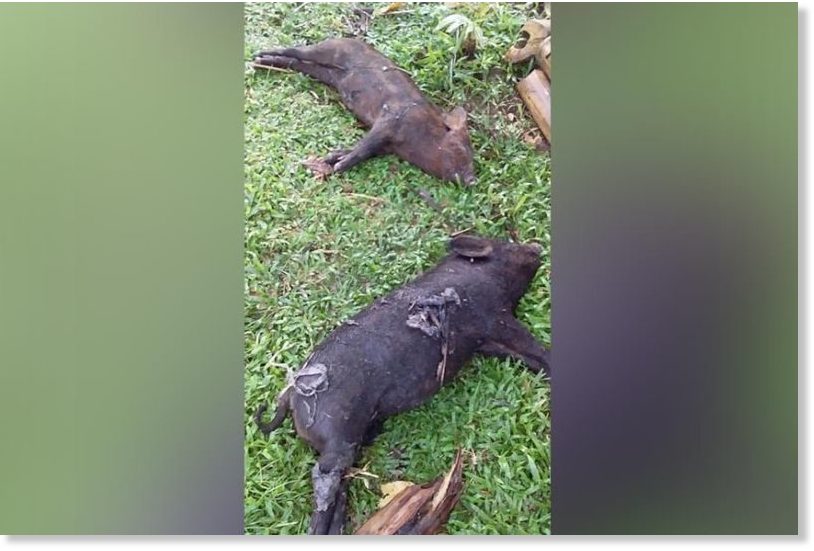
Lightning bolt kills 3 pigs in the Philippines

LIGHTNING PIGS
At least three pigs died after they were struck by lightning Thursday afternoon, May 28, in Banga, Aklan.

Russel Braulio, owner of the pigs, said the incident happened past 3 p.m. Thursday.

"I was at home. It was raining then. Suddenly, I heard a flashing light and noise," Braulio said.

He said taking care of domestic pigs is one of his livelihood.

"We decided to just bury the pigs. We could not do anything more about it," said Braulio.

Aside from the pigs, a tree nearby was also hit by the lightning.

Doberman

Arkansas boy killed in dog attack while checking mail

dog attack
A 9-year-old boy who disappeared Thursday while checking the mail at his Arkansas home was later found dead from an apparent dog attack, authorities said.

The boy's body was found in a field near the family's home in the small town of Mount Vernon, north of Little Rock, the Faulkner County Sheriff's Office said in a statement.

The boy's mother went to look for him when he didn't return after a few minutes on Thursday morning, the statement said. She called 911, and responding investigators found his body.


Binoculars

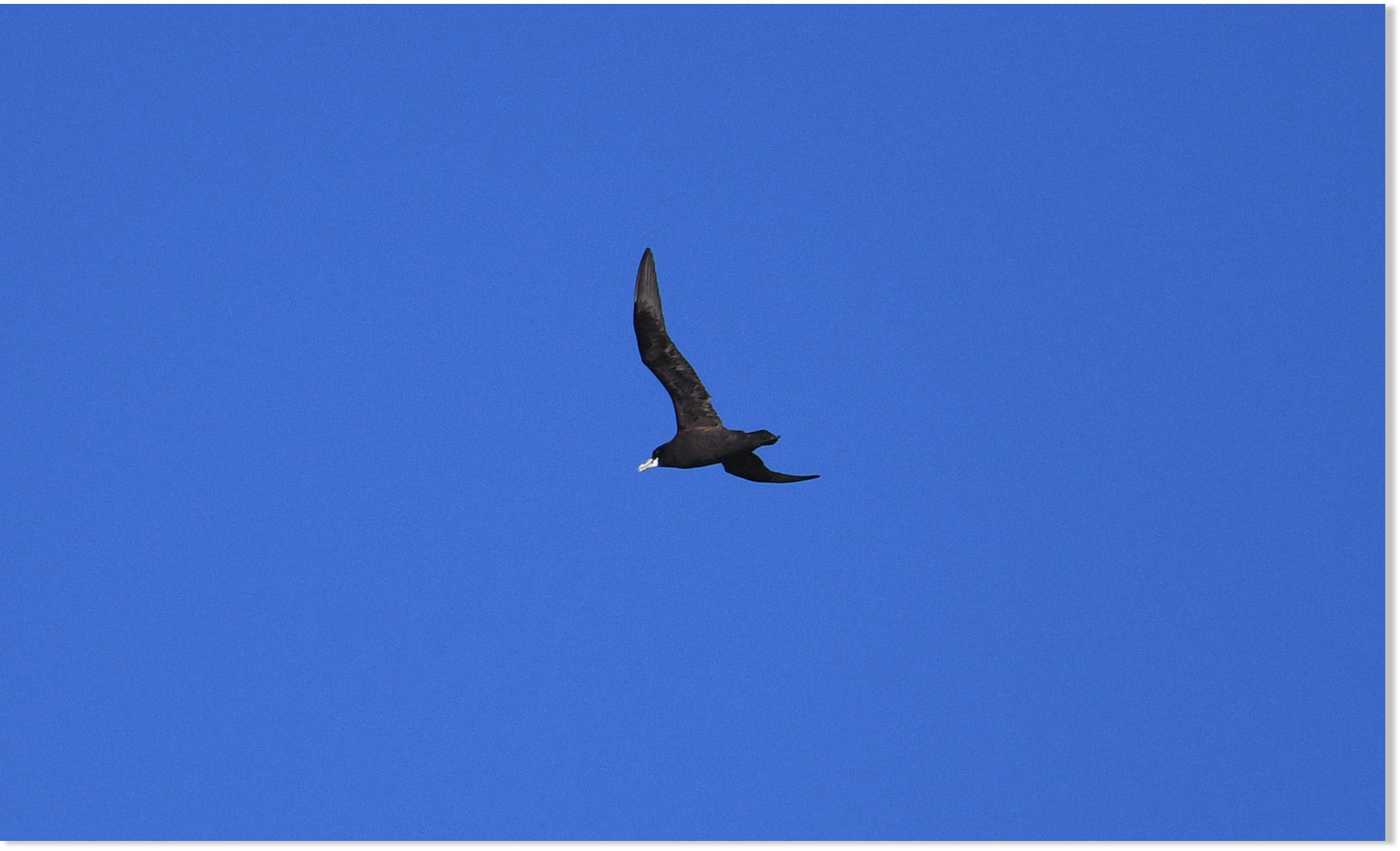
White-chinned Petrel seabird from southern hemisphere turns up in Orkney, Scotland - only 2nd ever recorded in northern hemisphere

Robert's excellent photos managed to capture the white 'chin' and silvery appearance to the primaries
© Robert FoubisterRobert's excellent photos managed to capture the white 'chin' and silvery appearance to the primaries
On Monday 25 May I decided to go for a walk along the coastal path at Scapa Beach, Mainland Orkney, to look for some Yellow Wagtails and keep an eye on the sea for any cetaceans. I had no luck with the wagtails but, as I was heading back from my walk, I scanned the sea with my binoculars before spotting something different in the sky.

A white beak was the first thing I noticed as being unusual - it was almost eagle-like - but I knew it wasn't bird of prey and more likely a skua of some description, so I decided to get some photos. The bird had first appeared at approximately 7.30 am along the east coast of Scapa Flow just below Gaitnip Farm and headed over Scapa Bay, to the west coast of the flow, and up over Lingro Farm where it gained height, circling above the fields in an almost Common Buzzard-like manner.

As I was watching it I started thinking that it was something different to normal, as it had an unusual wingbeat and flying style (almost reminscent of an owl!) and a white beak and black body with long wings. What was this? The bird then started to head east again back over Scapa Bay, before flying up over the hill towards the airport. That was the last I saw of it.

Info

A look at the dirty history of soap

Wright's Coal Tar Soap
© SeM/Universal Images Group via Getty ImagesFrom animal fat to coal tar, what goes in tends to be pretty dirty.
"Wash your hands often with soap and water for at least 20 seconds." That's what the CDC has advised all Americans to do to prevent the spread of COVID-19 during this pandemic.

It's common-sense advice. The surfactants found in soap lift germs from the skin, and water then washes them away. Soap is inexpensive and ubiquitous; it's a consumer product found in every household across the country.

Yet few people know the long and dirty history of making soap, the product we all rely on to clean our skin. I'm a historian who focuses on material culture in much of my research. As I started digging into what's known about soap's use in the past, I was surprised to discover its messy origins.

Health

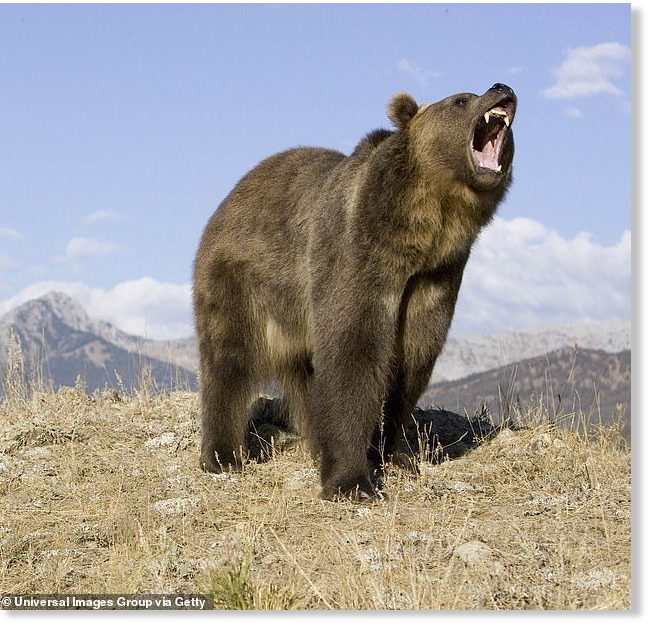
Biker in critical condition after attack by grizzly bear near Big Sky, Montana

BEAR
Authorities say a mountain biker was attacked by a grizzly bear Monday near the southern Montana community of Big Sky

A mountain biker was attacked by a grizzly bear Monday near the southern Montana community of Big Sky, according to authorities.

Montana Fish Wildlife and Parks spokesperson Morgan Jacobsen told the Billings Gazette that the man was able to walk away and find help. He was airlifted to a hospital with injuries to his face and back and is stable in critical condition.


Attention

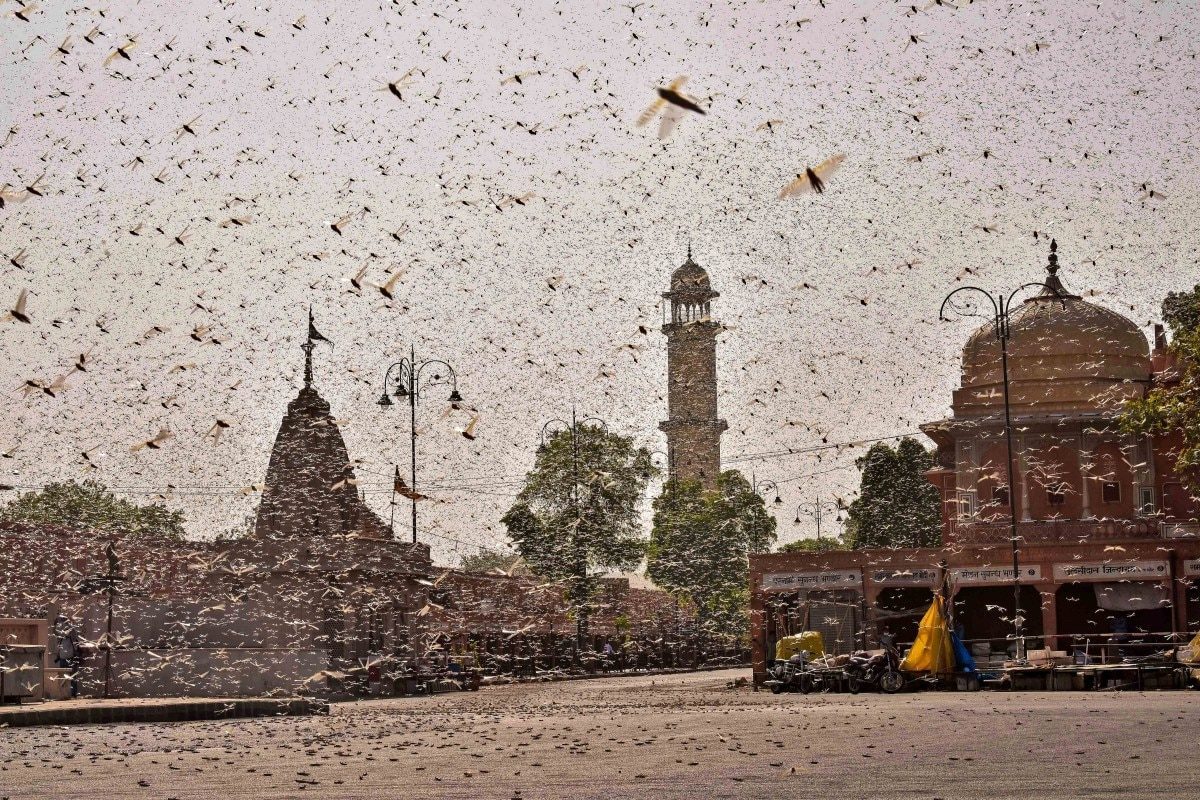
India's worst locust attack in 27 years, and worse is yet to come

locusts
© PTISwarm of locusts in Jaipur
Swarms of the desert locust, which invaded India via Pakistan in April, have made their way to at least five states, leaving a trail of destruction in their wake. Desert locust move in large groups, called swarms, and can eat crops up to their own weight every day. When millions of locusts descend on a crop, they destroy everything.

The desert locust is considered the most destructive migratory pest in the world and a single swarm covering one square kilometre can contain up to 80 million locusts. As per eyewitnesses, the swarm which entered India from Pakistan was about two to three kilometres long.

In December 2019, when the parts of Gujarat were invaded by locust, they had destroyed crops spread over 25,000 hectares of land. This time, the attack is more widespread.

Comment: Biblical-style events appear to be a pretty common occurrence in our days.


Attention

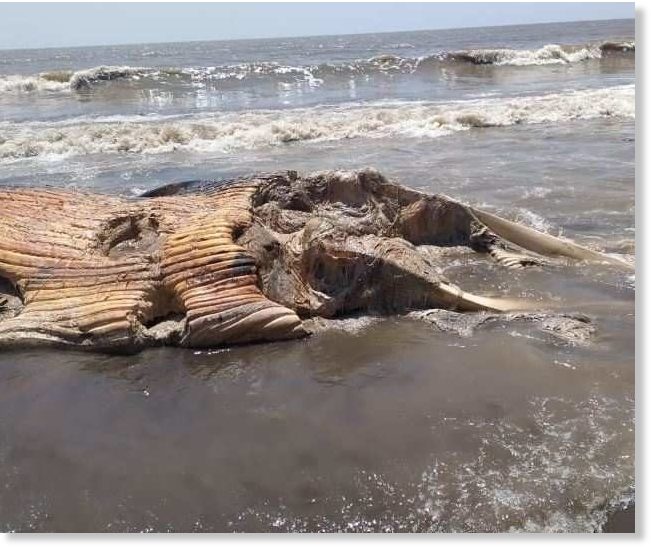
Carcasses of 2 whale species washed ashore on coast in 24 hours at Dahanu, India

whale
The carcasses of a Baleen whale and a Pygmy sperm whale washed ashore different coasts of Dahanu between Saturday and Sunday.

On Saturday, the highly decomposed carcass of a Baleen whale, around 45 feet and 8 feet width, washed ashore Parnaka in Dahanu.

The carcass that left a stinking smell in the surrounding attracted the attention of locals who informed the forest department.

Comment: Another dead whale washed ashore on the 24th of May in Kendrapara, Odisha.

Off North America a humpback was found dead near Moriches Inlet, New York on May 22, a deceased gray whale was found at Seaview, Washington on the 20th while the same species also turned up dead off Santa Cruz, California on the same day.

Over the same week at Hines Bay in Australia a rare (for the region) Sei or fin whale was discovered dead on the 18th.