Animals
S


Camera

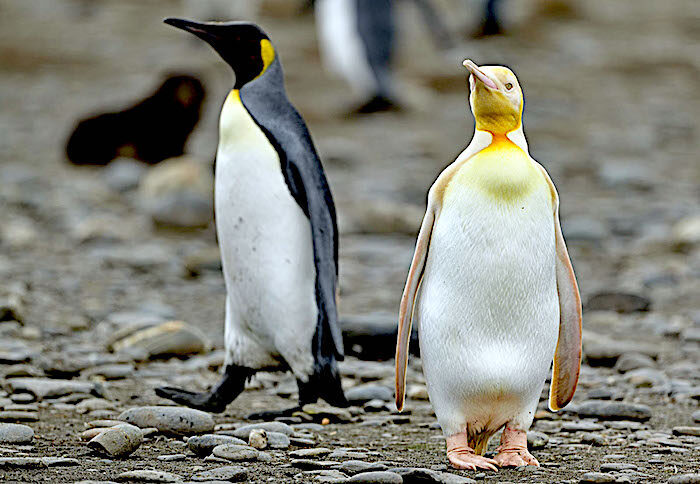
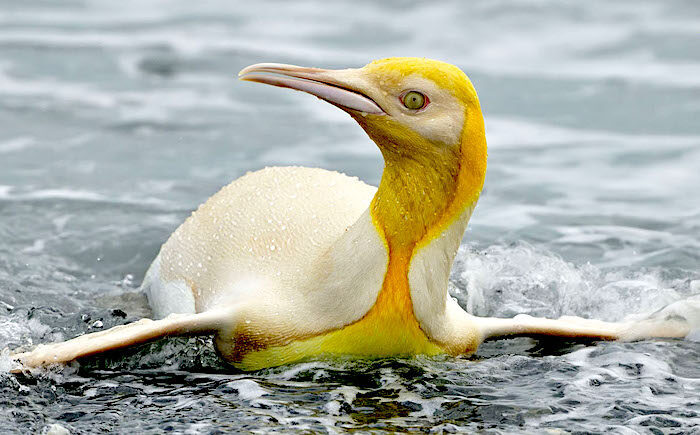
Wildlife photographer captures 'never before seen' yellow penguin

Yellow penguin
© Yves Adams/Kennedy NewsFirst ever seen yellow penguin
A wildlife photographer has shared a once-in-a-lifetime photo of what he believes is a "never before seen" yellow penguin.

Belgian landscape and wildlife photographer Yves Adams was leading a two-month photo exhibition in the South Atlantic in December 2019 when the group made a stop on an island in South Georgia to photograph a colony of over 120,000 king penguins. While unloading some safety equipment and food onto Salisbury Plain, Adams noticed an unusual sight he had never seen before: a penguin with bright yellow plumage.

"I'd never seen or heard of a yellow penguin before," the photographer tells Kennedy News. "There were 120,000 birds on that beach and this was the only yellow one there."
Yellow and regular penguin
© Yves Adams/Kennedy NewsRare yellow penguin stands next to a 'normal' black king penguin.

Attention

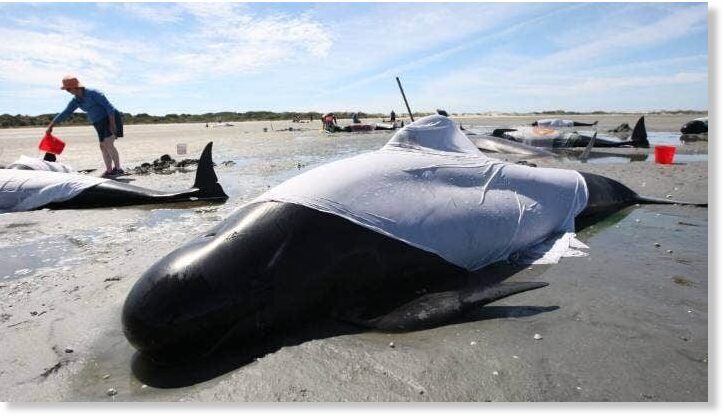
Pod of 49 long-finned pilot whales strand on beach in New Zealand - 9 die

The worst danger to stranded whales is overheating in the sun, as their dark skin and layers of blubber work to trap heat.
© NINA HINDMARSHThe worst danger to stranded whales is overheating in the sun, as their dark skin and layers of blubber work to trap heat.
Rescuers in New Zealand had to race against time to save dozens of pilot whales that were stranded on the beachside in New Zealand on Monday.

The Department of Conservation (DOC) reported that a pod of 49 long-finned pilot whales was discovered at Farewell Spit, which is nearly 90 kilometres (55 metres) north of Nelson.

As soon as the pod was discovered, more than 60 people set to work to rescue the whales and bring them back to a healthy life. However, by mid-afternoon nine of the whales from the pod were declared dead.


Comment: This comes just 3 days after 52 short-finned pilot whales died after stranding on a beach in Java, Indonesia.


Attention

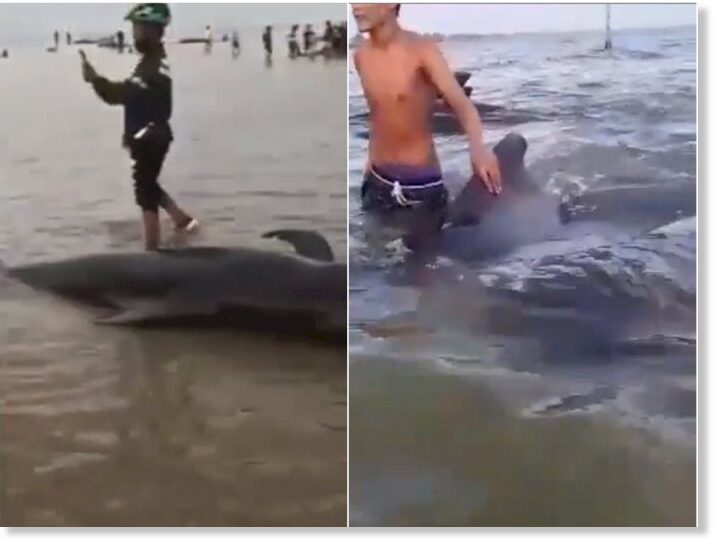
52 short-finned pilot whales die after stranding on beach in Java, Indonesia

dead whales
At least 52 among dozens of short-finned pilot whales stranded on a beach in Indonesia's East Java province died on Friday morning, local media reported.

"We are suspecting that a whale in the school was injured or sick, so the rest were following and guarding it. They ended up stranded until 52 were found dead this morning," Maritime Affairs and Fisheries Ministry spokesperson Wahyu Muryadi was quoted as saying on Friday by the local news portal Tempo.co.


Doberman

5-year-old mauled to death by stray dogs in Sangrur, India

dog attack
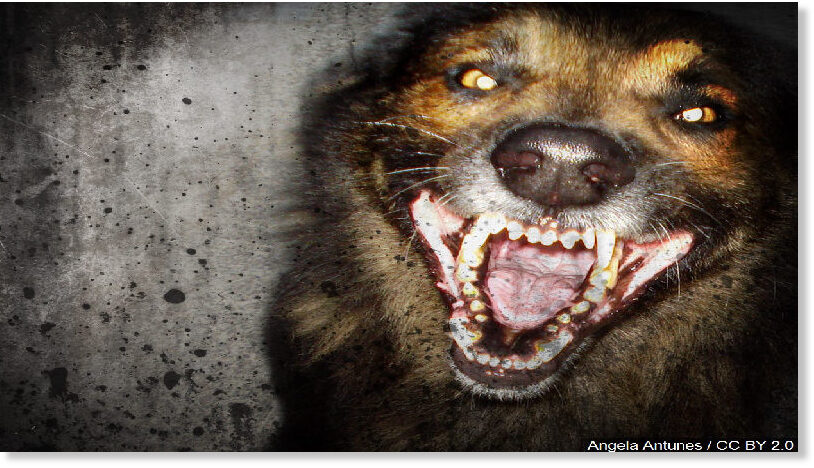
A five-year-old boy was mauled to death by a pack of stray dogs near a dump yard for dead animals, locally known as 'hadda rodi', at Behra village of Sangrur district on Tuesday.

The incident took place when the victim's mother, a domestic help, had gone to work and the boy was trying to catch a kite with people in the area celebrating the Basant Panchami festival.

Some passersby rescued the child, identified as Ravneet, when they noticed him being dragged by the stray dogs.

They took him to the Dhuri civil hospital from where he was referred to Sangrur town.

The victim belonged to a migrant family.

Attention

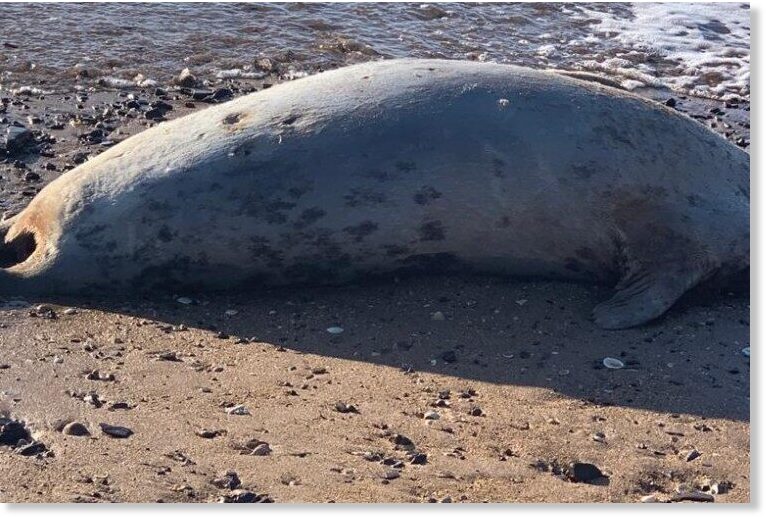
Reports of dead seals on Irish coast doubled in 2020 with 202 recorded

dead seal
The number of dead seals washing up on Irish shores rose significantly last year, according to Seal Rescue Ireland.

The rescue charity says that it received the highest number of dead seal reports of the last five years in 2020.

Speaking to Patricia Messinger on C103′s Cork Today show, Seal Rescue Ireland executive director Melanie Croce said that the group is seeing a "huge rise" in reports of dead seals.

Croce said that Seal Rescue Ireland has "been keeping a dead seal database for the last five years, and we have seen a huge rise in the last year".

"2020 was the highest number of reports we've ever had, with 202 dead seal reports coming from all over the country, which was more than double the previous year," Croce said.

Info

Origin of modern humans cannot be traced to a single point

Experts from the Natural History Museum, The Francis Crick Institute and the Max Planck Institute for the Science of Human History Jena have joined together to untangle the different meanings of ancestry in the evolution of our species Homo sapiens.

Ancient Skulls
© Natural Museum HistoryFrom left to right, the skulls of Homo erectus, Homo heidelbergensis, Homo neanderthalensis and Homo sapiens.
Most of us are fascinated by our ancestry, and by extension the ancestry of the human species. We regularly see headlines like 'New human ancestor discovered' or 'New fossil changes everything we thought about our ancestry', and yet the meanings of words like ancestor and ancestry are rarely discussed in detail. In the new paper, published in Nature, experts review our current understanding of how modern human ancestry around the globe can be traced into the distant past, and which ancestors it passes through during our journey back in time.

Co-author researcher at the Natural History Museum Prof Chris Stringer said: "Some of our ancestors will have lived in groups or populations that can be identified in the fossil record, whereas very little will be known about others. Over the next decade, growing recognition of our complex origins should expand the geographic focus of paleoanthropological fieldwork to regions previously considered peripheral to our evolution, such as Central and West Africa, the Indian subcontinent and Southeast Asia."

The study identified three key phases in our ancestry that are surrounded by major questions, and which will be frontiers in coming research. From the worldwide expansion of modern humans about 40-60 thousand years ago and the last known contacts with archaic groups such as the Neanderthals and Denisovans, to an African origin of modern human diversity about 60-300,000 years ago, and finally the complex separation of modern human ancestors from archaic human groups about 300,000 to 1 million years ago.

Doberman

Girl, 1, dies after vicious dog attack at family home in Rivadavia, Argentina

Micaela Rufina Mendoza (left), 1, was mauled
Micaela Rufina Mendoza (left), 1, was mauled to death by her family's Argentinian Dogo (pictured right is a stock image).
A one-year-old girl has died after her throat was torn out by the family dog.

The fatal attack happened in the city of Rivadavia in the Argentine province of Mendoza last Friday.

The victim, identified as Micaela Rufina Mendoza, was only one year and seven months old when an Argentinian Dogo attacked her while she played on her home patio.

Micaela managed to get onto the patio due to "a momentary lapse of care" on the part of her grandparents and aunt who were in the kitchen at the time of the incident, local media reported.

Attention

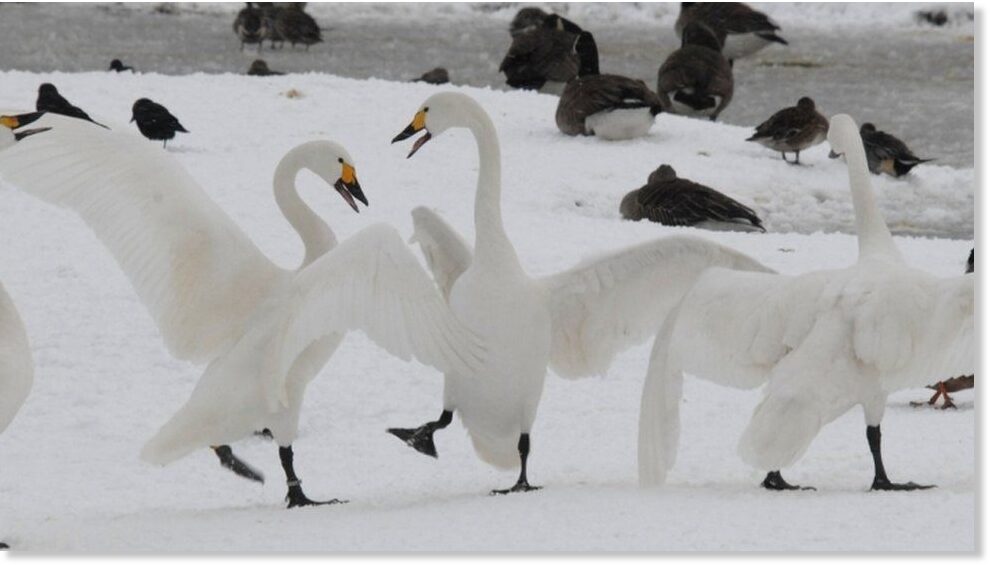
Storm Darcy forces Bewick's swans heading for the Arctic tundra to 'reverse migrate' back to Slimbridge, UK

Bewick's swans return to the Arctic tundra in the early spring to mate, having flown to the UK to avoid a harsher winter
© WWTBewick's swans return to the Arctic tundra in the early spring to mate, having flown to the UK to avoid a harsher winter
A flock of Bewick's swans which had begun their migration from the UK to the Arctic tundra have turned back due to Storm Darcy.

Twenty birds had set off from Slimbridge Wetland Centre last week but 12 reappeared at the site just four days later.

Eleven had previously left from the centre and one new Bewick's swan, which staff have now named Darcy, tagged along.

Each year, Bewick's swans fly 4,000km to the UK to escape the harsh Russian winter and journey back there in early spring to breed.


Info

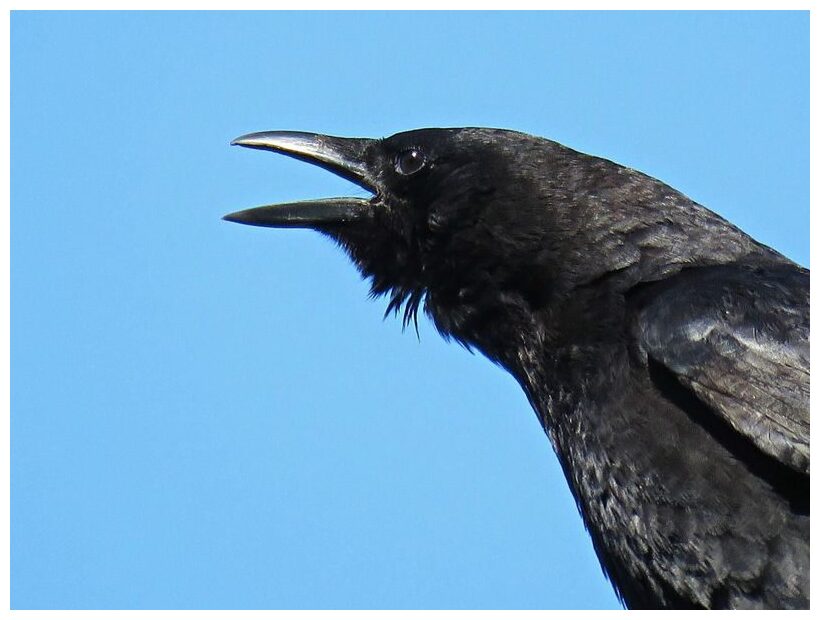
Crows are much smarter than we thought

Intelligent Crow
© Bennilover / flickr“Who are you calling a bird-brain?"
In a fascinating paper published last year in Science, a team led by Andreas Nieder of the University of Tübingen in Germany showed that crows — already known to be among the most intelligent of animals — are even more impressive than we knew. In fact, the evidence suggests that they are self-aware and, in an important sense, conscious.

The corvid family of birds, which includes crows, ravens, jays and magpies, had been observed previously to use tools, as well as remember the faces of people they like or don't like, or drop nuts on the road so that passing cars will crack them open. At a train station once, I watched a pair of crows team up at a water fountain. While one pushed the button with its beak, the other drank from the water that started to flow.

Nieder's experiment showed that the birds were actively evaluating how to solve a particular problem they were confronted with. In effect, they were thinking it over. This ability to consciously assess a problem is associated with the cerebral cortex in the brains of humans. But birds have no cerebral cortex. Nieder found that in crows, thinking occurs in the pallium — the layers of gray and white matter covering the upper surface of the cerebrum in vertebrates.

Black Cat

With 88 human deaths, 2020 saw worst-ever wildlife conflict in the state of Maharashtra, India

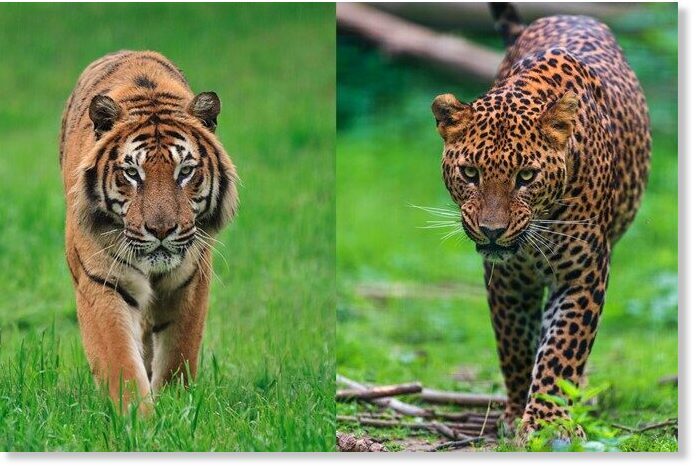
Most human deaths were in leopard and tiger attacks.
Most deaths were caused by tiger (38) and leopard (32)attacks.
With 88 human deaths, Maharashtra witnessed the worst-ever human-animal conflict in 2020 indicating significant consequences for the economy, human health, safety and welfare, and ecosystem.

According to information received under RTI by activist Abhay Kolarkar, most human deaths were in leopard and tiger attacks. The details sought for calendar years 2017 to 2020, show that conflict almost doubled in the period.

In 2017, 54 humans were killed with the state paying Rs 4.32 crore as compensation. In 2020, the figure had risen to 88 humans for which the state government paid Rs 12.75 crore compensation.

These deaths include 32 in attacks by leopards and 38 in attacks by tigers. Most of the tiger attack cases were from Chandrapur district. In the same period, there is also a drastic increase in cattle kills from 5,961 in 2017 to 9,258 in 2020.