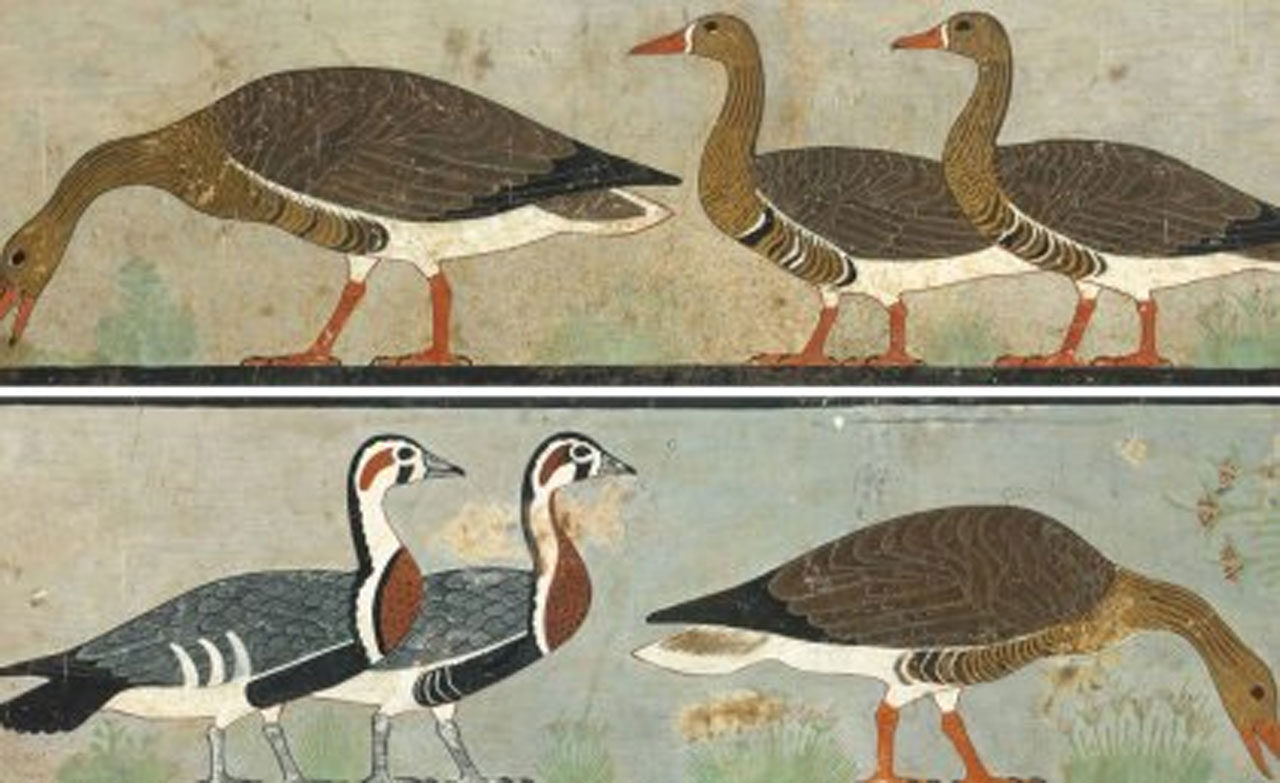
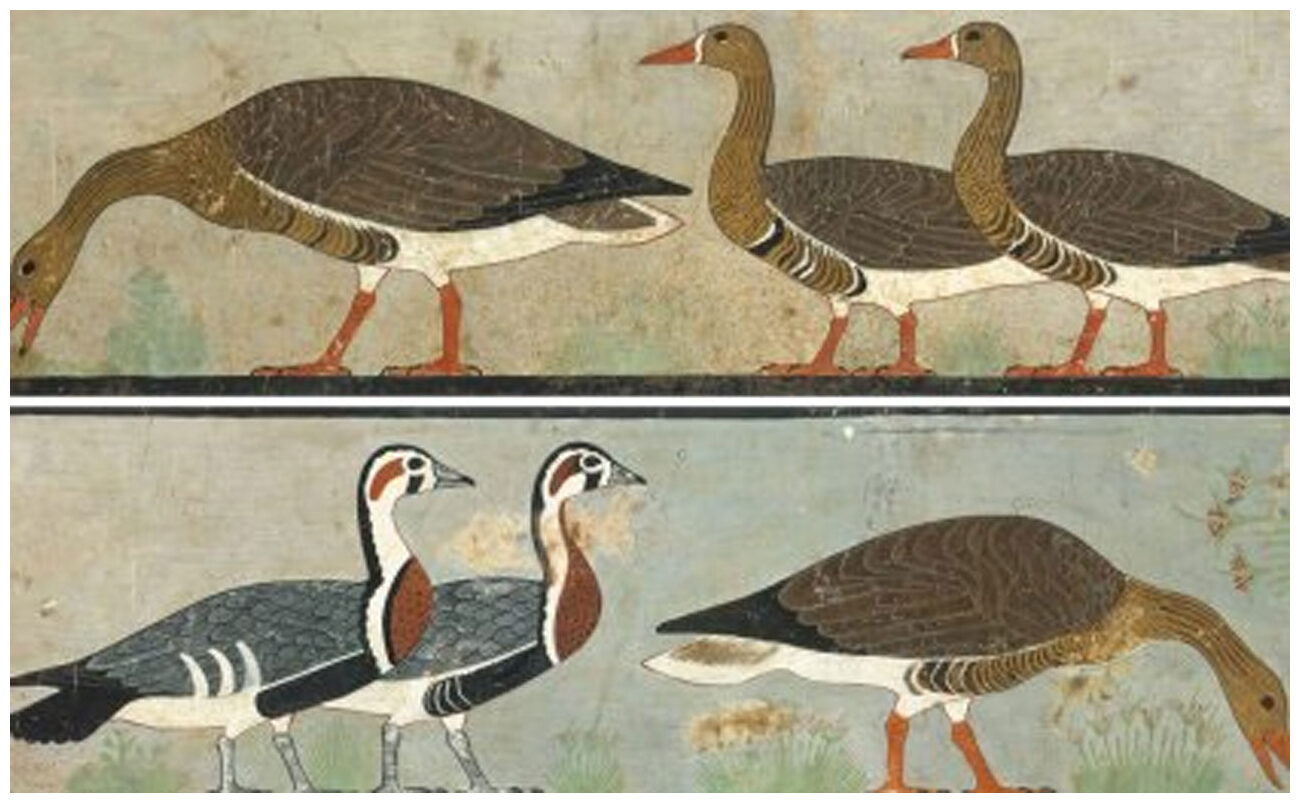
© C.K. Wilkinson.‘Meidum Geese’, Chapel of Itet, mastaba of Nefermaat and Itet (Dynasty 4), Meidum, Egypt.
As a University of Queensland researcher examined a 4600-year-old Egyptian painting last year, a speckled goose caught his eye.
UQ scientist
Dr Anthony Romilio said the strange but beautiful bird was quite unlike modern red-breasted geese (
Branta ruficollis), with distinct, bold colours and patterns on its body, face, breast, wings and legs.
"The painting,
Meidum Geese, has been admired since its discovery in the 1800s and described as 'Egypt's Mona Lisa'," he said.
"Apparently no-one realised it
depicted an unknown species."Artistic licence could account for the differences with modern geese, but artworks from this site have extremely realistic depictions of other birds and mammals."
Dr Romilio said no bones from modern red-breasted geese (
Branta ruficollis) had been found on any Egyptian archaeological site.
"Curiously, bones of a similar but not identical bird have been found on Crete," he said.
"From a zoological perspective, the Egyptian artwork is the only documentation of this distinctively patterned goose, which appears now to be globally extinct."



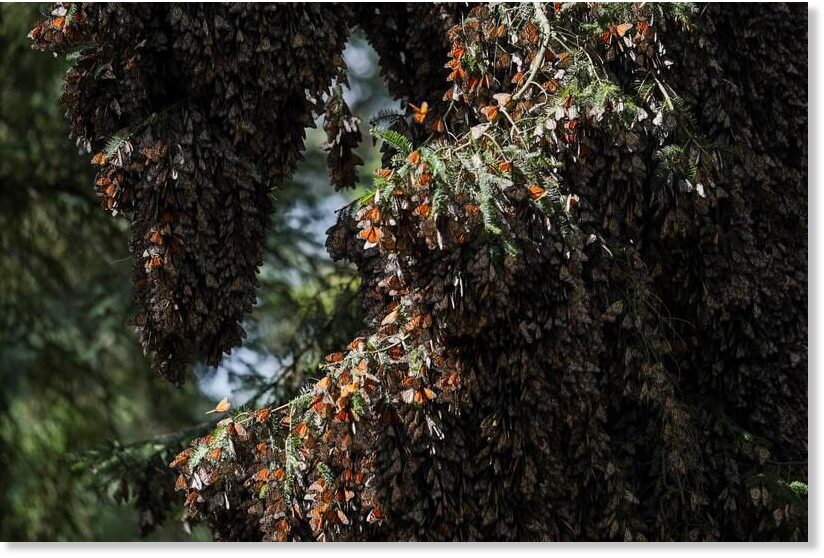









Comment: Monarch butterfly population getting closer to extinction - less than 2,000 of western population counted wintering in California