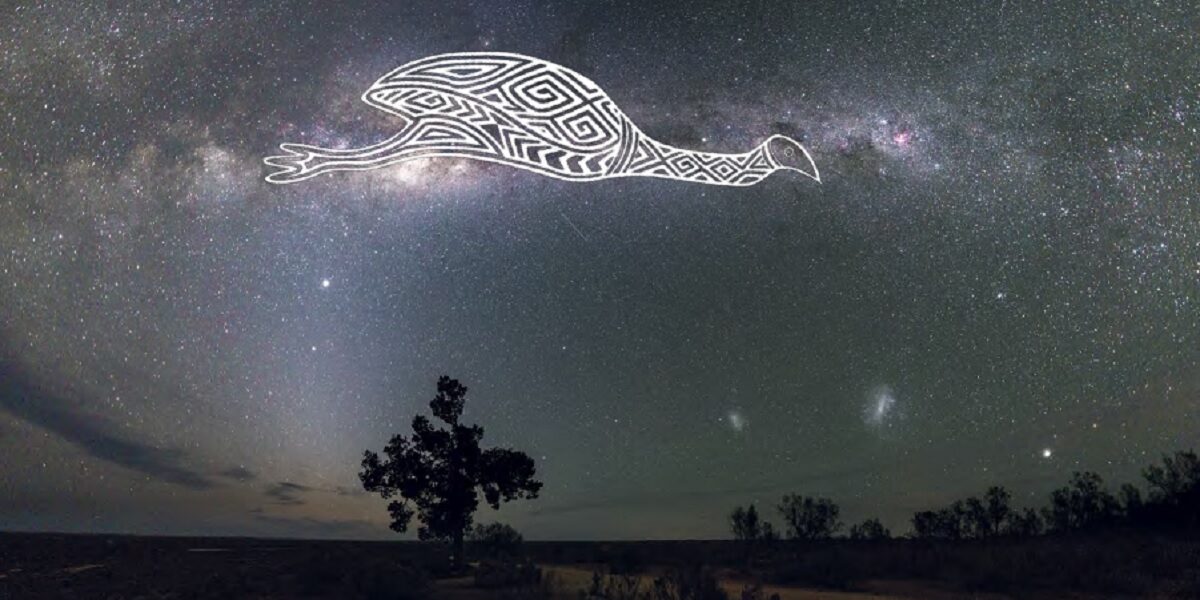
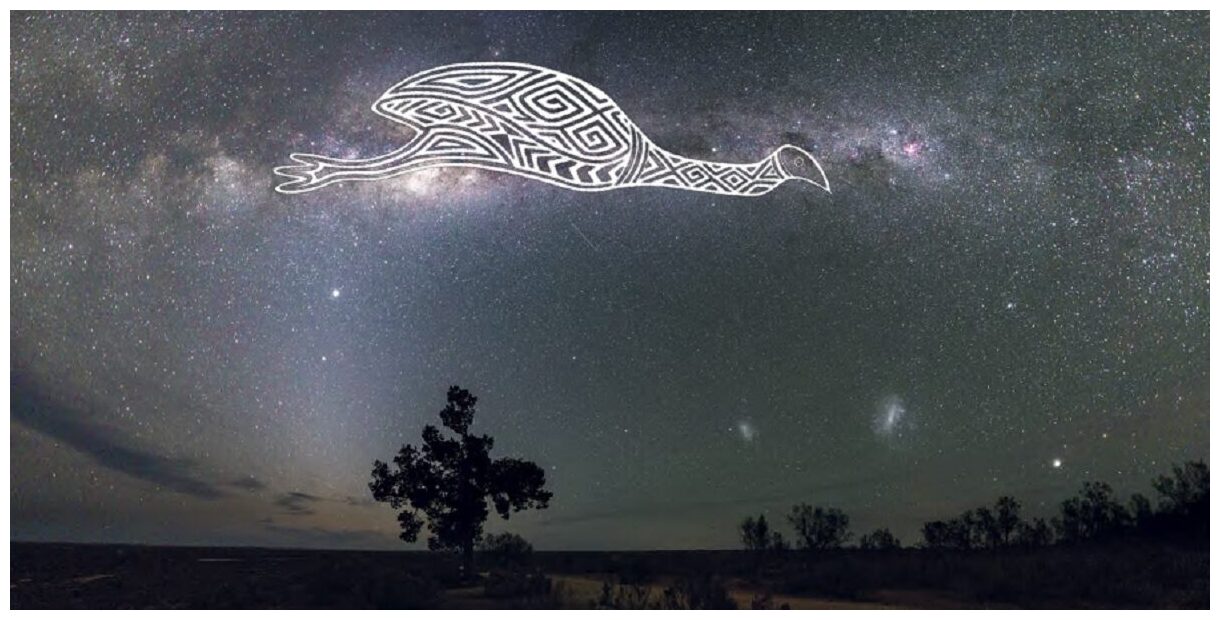
© Emu: Scott Towney; Landscape: Peter LeiverdinkGugurmin, the emu in the sky in Wiradjuri traditions. This emu artwork by Scott ‘Sauce’ Towney now features on a $1 coin through the Royal Australian Mint.
What comes to mind when you think of an "astronomer"? Perhaps a scientist peering through a telescope, contemplating the origins of the Universe? Unfortunately, this is rarely the case.
These days, a vast majority of professional astronomers spend their time behind computers instead. Modern telescopes are computer-controlled and hooked up to an array of high-precision instruments used to record vast quantities of high-precision data, far beyond the capabilities of the human eye. Astronomy is an exciting job, but only about 10,000 people work as professional astronomers today.
The work of an astronomer is one of the oldest skilled professions in the world. In ancient times, people observed the Sun, Moon and stars to navigate across land and sea, to understand the cycles of nature, and to predict seasonal changes, weather patterns, and the behaviour of plants and animals. This science is something that
First Australians developed long ago. Knowledge of the stars is also used as a guide for informing traditional Law, social behaviours, kinship systems, and marriage classes - a practice that continues today.Some of this knowledge is known communally, but the role of astronomer is usually the responsibility of highly knowledgeable individuals who observe the rising and setting of particular stars throughout the year, and keep track of the motions of the Sun, the phases of the Moon, and movements of the planets.
"Indigenous astronomy" is more than the star knowledge of Indigenous people: it is the First Astronomy - the science of the stars that existed before, and independently of, the development of Western science.The body of knowledge developed and maintained by traditional astronomers is rich and complex. Every single object in the night sky has a name, a meaning, and a link to the land. This body of knowledge is committed to memory through a powerful and enduring system of oral tradition. This utilises the power of story, song and dance to teach new generations, who memorise the information using the "method of loci". This technique involves associating a memory or bit of information to a place or object, such as a feature in the land or sky. This is why Aboriginal and Torres Strait Islander people talk about the importance of the stars and maintaining a close connection to Country. Laws, kinship and travel routes are all encoded in the stars. This idea is encapsulated in the title of Warwick Thornton's 2017 film about the Southern Cross,
We Don't Need a Map - it's already there, in the stars.




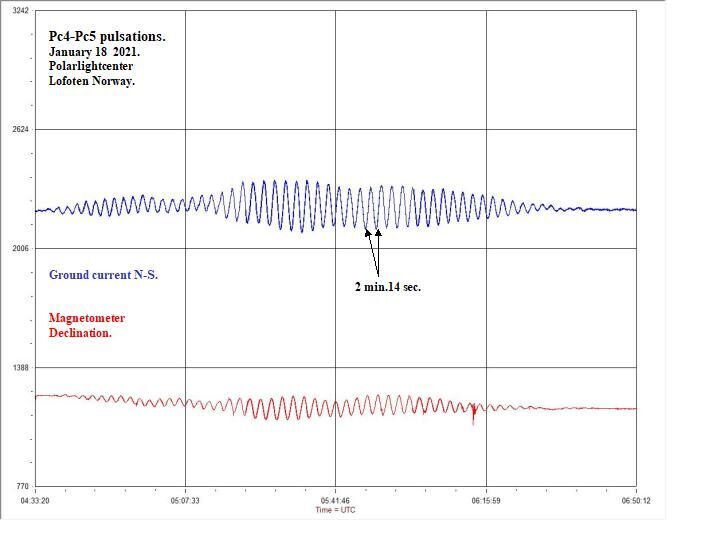



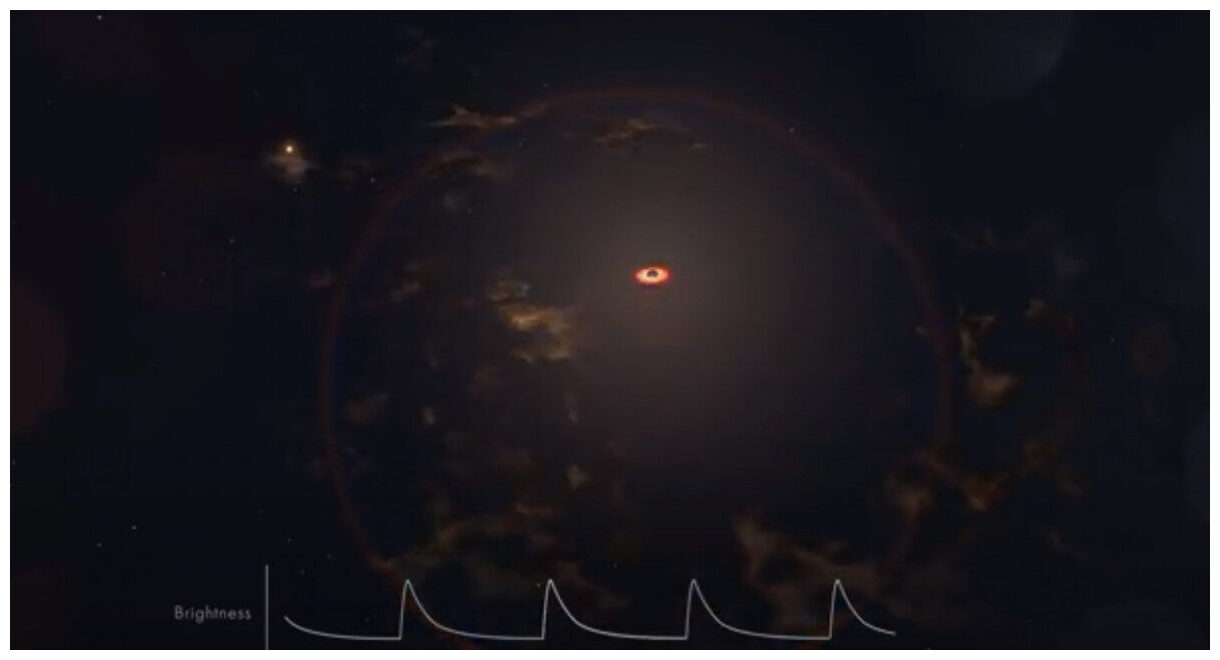

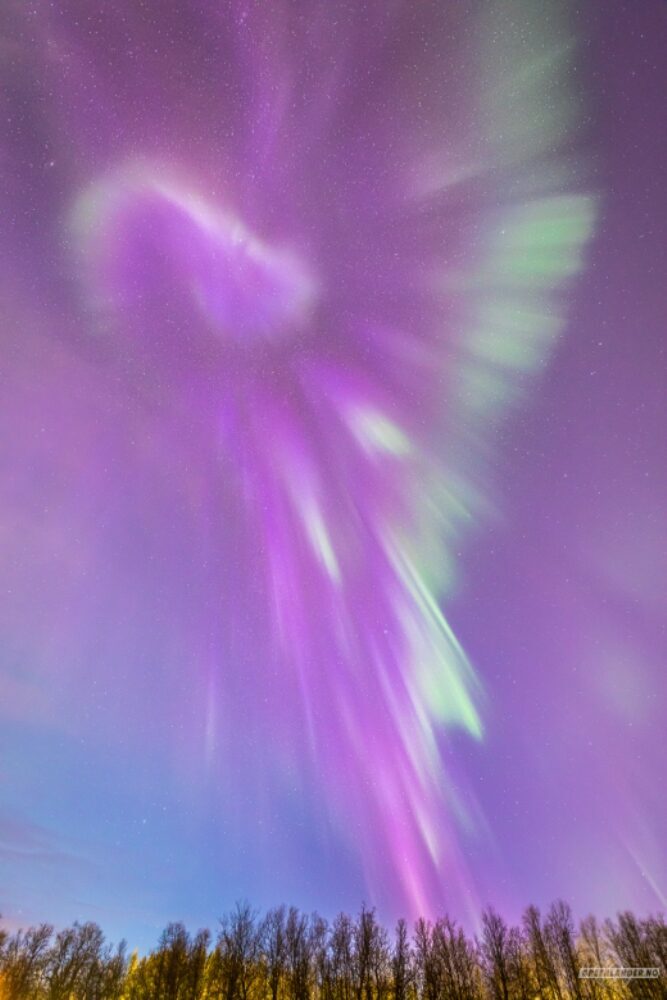


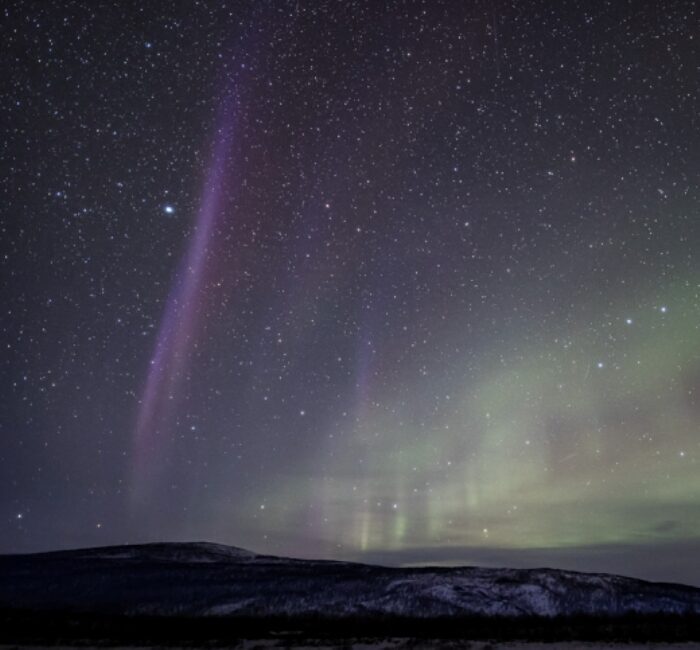




Comment: It would appear that there has been an uptick in rare and unusual phenomena in our skies:
- "The Dunes": NEW type of aurora discovered, and the unexpected physics behind it
- Gigantic jet photographed piercing the sky in China
- Rare green flash sunset photographed flickering into even rarer blue in Norway
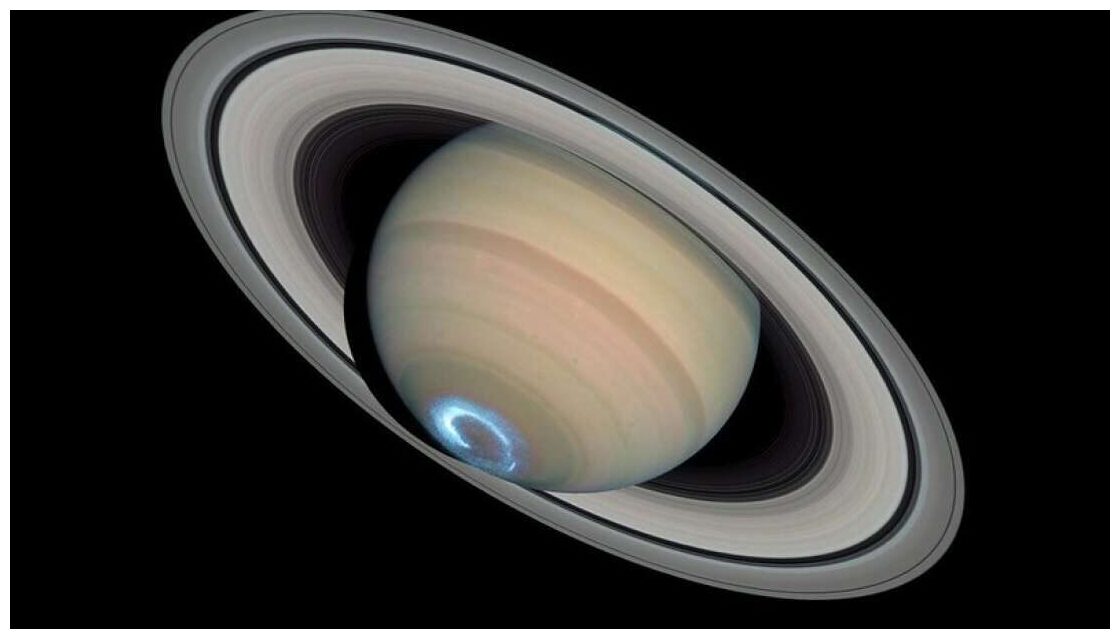
- Electric currents driven by solar wind create Saturn's auroras, heat planet's atmosphere - NASA
- Unusual green glow spotted in Mars' atmosphere
Also check out SOTT radio's: