
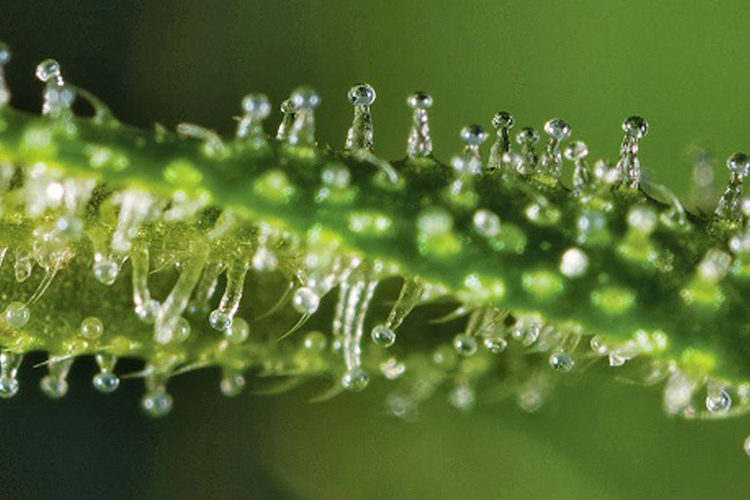
Foods that support the function of the endocannabinoid system are pivotal to overall health and well-being. Here are five foods that contain healing cannabinoids and offer therapeutic benefits similar to cannabis.






After being classified as generally recognized as safe (GRAS) by the U.S. Food and Drug Administration in 1976,[24] HFCS began to replace sucrose as the main sweetener of soft drinks in the United States. At the same time, rates of obesity rose. That correlation, in combination with laboratory research and epidemiological studies that suggested a link between consuming large amounts of fructose and changes to various proxy health measures, including elevated blood triglycerides, size and type of low-density lipoproteins, uric acid levels, and weight, raised concerns about health effects of HFCS itself.[17]





Comment: How the endocannabinoid system impacts metabolism, obesity and inflammation