Health & WellnessS


Magnify

Nanoparticles: The tiniest toxins increasingly widespread in our environment

Nanoparticles: The Tiniest Toxin
© The Sleuth JournalNanoparticles: The Tiniest Toxin
Researchers from University of Denmark have some rather bleak news when it comes to nanoparticles in the environment and its harmful effect on humans. Yet, it's better to know now and deal with the issue then wait until nanotech really takes off, out of control.

Interestingly, they lump nano-silver in with nano-cadmium and show that nano-silver is widely used in various industries. We present the information here unaltered from the press release.

Researchers warn that a combination of nanoparticles and contaminants may form a cocktail that is harmful to our cells. In their study, 72 %. of cells died after exposure to a cocktail of nano-silver and cadmium ions.

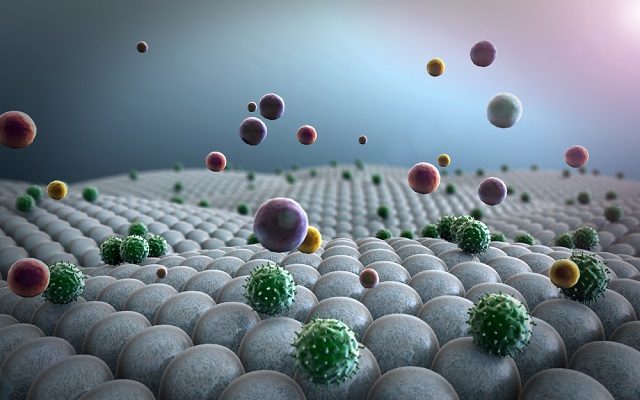
Nanoparticles are becoming increasingly widespread in our environment. Thousands of products contain nanoparticles because of their unique properties. Silver nanoparticles are one example: They have an effective antibacterial effect and can be found in refrigerators, sports clothes, cosmetics, tooth brushes, water filters, etc.

Comment: Nanotech: The Unknown Risks


Info

It really was garbage! - The shocking origin of vegetable oil 

Cotton
© Medium
Looking back over the last 40 years, it's hard to understand how we could have been so gullible. We believed that fat, and more specifically saturated fat (found primarily in animal foods), was thought to increase cholesterol and cause heart disease. Instead, we should switch to 'heart healthy' vegetable oils, like cottonseed, corn, safflower and soy oils. But recent evidence suggests this was a Faustian bargain. The industrially processed seed oils were much, much worse. It was all a terrible mistake that began with Crisco.

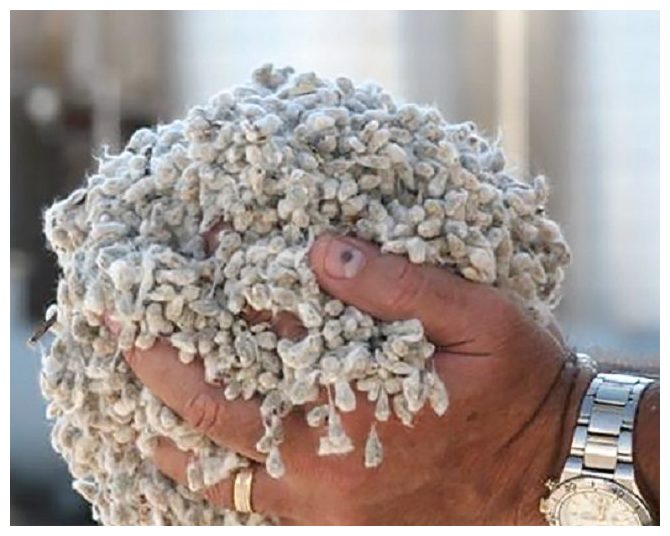
Cotton plantations for fabric were cultivated in the United States as early as 1736. Prior to this, it was largely an ornamental plant. At first, most cotton was home-spun into garments, but the success of the crop meant that some could be exported to England. From a modest 600 pounds of cotton in 1784, it grew to over 200,000 by 1790. The invention of the cotton-gin by Eli Whitney in 1793 led to a staggering 40,000,000 pounds of cotton production.

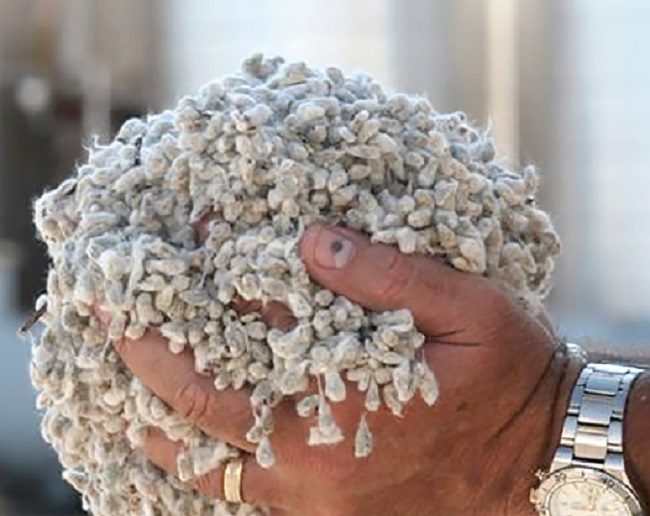
But cotton is actually two crops - the fiber and the seed. For every 100 pounds of fiber, there was 162 pounds of cotton seeds which were largely useless. Only 5% of this seed was required for planting. Some could be used for livestock feed but there was still a mountain of garbage. What could be done with this garbage? Mostly it was left to rot or simply dumped illegally into rivers. It was toxic waste.

Meanwhile, in the 1820's and 1830's increased demand for oil used in cooking and lighting from a rising population and decreased supply of whale oil meant that prices rose steeply. Enterprising entrepreneurs tried to crush the worthless cotton seeds to extract the oil, but it was not until the 1850s that the technology matured to the point that commercial production could commence. But in 1859, something happened that would transform the modern world. Colonel Drake struck oil in Pennsylvania in 1859 introducing a massive supply of fossil fuels to the modern world. Before long, the demand for cottonseed oil for lighting had completely evaporated and cottonseeds went back to being classified as toxic waste.

With lots of cottonseed oil, but no demand, it was added illicitly to animal fats and lards. There was no evidence that this was, in any way safe for human consumption. We don't eat our cotton T-shirts after all. Similarly, cottonseed oil, being light in flavor and slightly yellow was blended with olive oil to reduce costs. This led to Italy completely banning the adulterated American olive oil in 1883. The Proctor & Gamble company used cottonseed oil for the manufacture of candles and soap, but soon discovered that they could use a chemical process to partially hydrogenate cottonseed oil into a solid fat that resembled lard. This process produced what are now called 'Trans' fats, making this product extremely versatile in the kitchen, even if nobody actually knew whether we should be shoving this former toxic waste into our mouths.

Megaphone

Propaganda alert! Scientists accuse Russian trolls of spreading discord over vaccine safety

vaccine doctor syringe
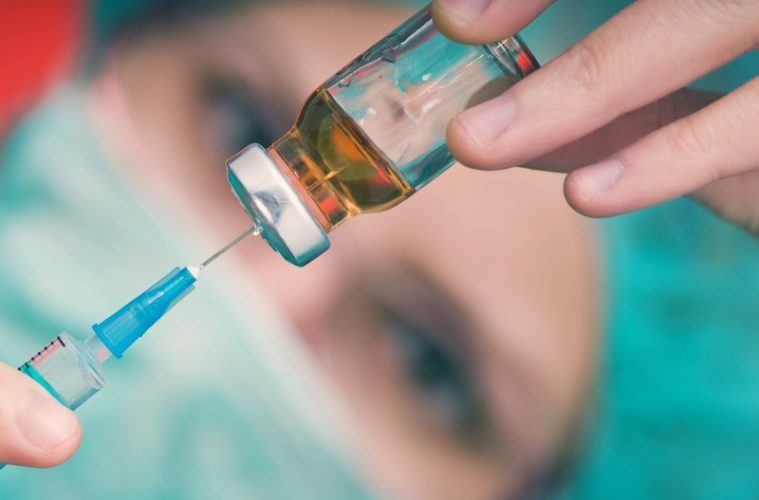
Bots and Russian trolls spread misinformation about vaccines on Twitter to sow division and distribute malicious content before and during the American presidential election, according to a new study.

Scientists at George Washington University, in Washington DC, made the discovery while trying to improve social media communications for public health workers, researchers said. Instead, they found trolls and bots skewing online debate and upending consensus about vaccine safety.

The study discovered several accounts, now known to belong to the same Russian trolls who interfered in the US election, as well as marketing and malware bots, tweeting about vaccines.

Russian trolls played both sides, the researchers said, tweeting pro- and anti-vaccine content in a politically charged context.

Comment: Currently, the inanity published by this establishment rag is making it difficult to discern whether one is reading The Guardian or The Sun or the National Enquirer...

See:


Health

Medicare for all: 70% of Americans want a single-payer healthcare system

medical bill, medical bankruptcy
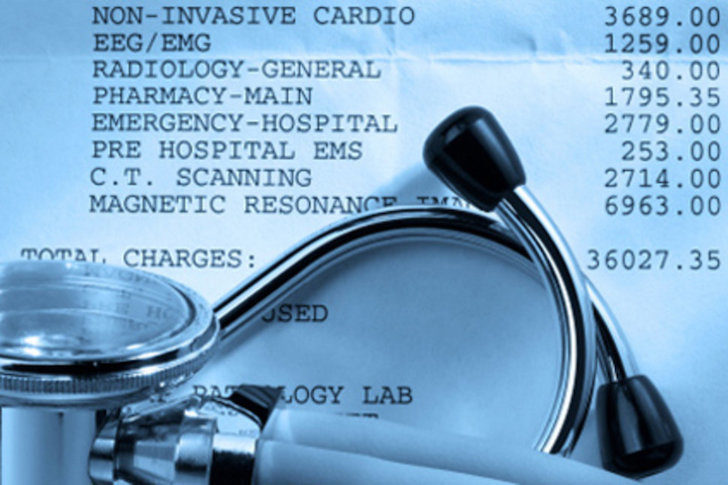
Should the U.S. government provide medical care for everybody? A shocking new poll that was just released found that 70 percent of all Americans actually want this to happen. Of course if they also asked people if they wanted their taxes to double in order to pay for such a system, the percentage of favorable responses would have probably been a lot lower. But still, this poll result shows that Americans are willing to embrace socialism to a degree that would have been absolutely unthinkable a decade or two ago. Of course "Medicare for all" is not going to happen as long as Donald Trump resides in the White House, but if future polls keep returning similar results it is only a matter of time before a Democratic administration will implement such a policy. And as we have seen with Obamacare, once a new social program is in place it can be nearly impossible to get rid of it.

We all knew that a high percentage of Democrats were in favor of "Medicare for all", but what really shocked me was that this poll found that 52 percent of Republicans are now in favor of it....
A vast majority - 70 percent - of Americans in a new poll supports "Medicare for all," also known as a single-payer health-care system.

The Reuters-Ipsos survey found 85 percent of Democrats said they support the policy along with 52 percent of Republicans.
Wow.

Comment: It's not difficult to understand why Americans are ready to embrace single-payer healthcare. Far too many have been financially wrecked by the current system which seems designed to channel funds to providers while destroying the health of those wretched souls forced to use it. American 'healthcare' is a racket!

See:


Alarm Clock

PFAS chemicals: Hidden studies conducted up to four decades ago found serious health effects

water contamination
An editorial published in Environmental Health July 31 suggests that research on perfluorinated alkylate substances (PFAS) and their dangerous health effects was not revealed until several decades after it was conducted.

The lack of publicly available research has prevented proper guidelines for levels of the chemical compounds, including in drinking water, Philippe Grandjean, a professor at University of Southern Denmark and Harvard's T.H. Chan School of Public Health, argued in his piece.

In the editorial, Grandjean said studies conducted up to four decades ago found health effects, including on the immune system, from PFAS chemicals, but those studies were hidden by production companies, like 3M Co.

Beaker

Ultra-processed food: What are these substances doing to our children?

Ultra-processed food
Public health challenges related to the foods that American children eat are a not-infrequent topic of national conversation. With 38% of children either overweight or obese, the childhood obesity epidemic tends to top the list of concerns, along with related issues such as children's fast food consumption and the damaging effects of junk food advertising.

According to a recent nationally representative survey, about 60% of the calories consumed by Americans come from "ultra-processed" foods and beverages-defined as products resulting from "several sequences of industrial processes" and including additives "used to imitate sensory properties of foods or to disguise unpalatable aspects of the final product." Alarmingly, the survey showed that adolescents (10- to 19-year-olds) were among the biggest consumers of ultra-processed foods and that their intake of these foods increased from 2007 to 2012, rising to over two-thirds (68%) of total calories consumed.

Comment: Huge chunk of the American diet is "Ultra-processed" foods


Laptop

New study shows digital devices are destroying our eyes

digital devices
Do your eyes frequently ache after staring at your tablet or smartphone? It's not just the strain of looking at a small screen. It may be a sign of irreversible damage being done to your eyes-cellular damage that can lead to blindness

We've all heard that we shouldn't stare too long at our screens, but is the faint blue glow from tablets and mobile phones really dangerous? According to a new study, the light from our digital devices is not only harmful, prolonged exposure can spur macular degeneration, a condition that can lead to blindness.

More than one-quarter of the world's population spends at least seven hours per day on a smartphone,[1] and our total time exposed to media, including computers, tablets, and TVs, has exceeded a jaw-dropping twelve hours per day.[2] This alarming rise in screen use-and it's growing each year-has led researchers to question the effects this trend is having on eye health.

Comment: Blue hazard: LED lighting may compromise your vision and health


Bullseye

Harvard Medical School Doctor: Vaccine science is not settled

vaccines
In 2016, I wrote an opinion piece suggesting that many medical doctors vaccinate their patients out of fear. I noted that many doctors do not entirely agree with the vaccine schedule recommended by the Centers for Disease Control and Prevention (CDC) or are unconvinced that the science of vaccination is settled, but many of these physicians are reluctant to share their concerns because they are afraid of damaging their reputation, and so they remain silent.

Of course, there are independently-minded doctors who are willing to express their concerns about CDC vaccine policies and views promoted by medical trade associations and government agencies. Pro-vaccine pediatricians Bob Sears, MD and Jay Gordon, MD, who have been labeled as "anti-vaxxers" and "quacks," are given those labels because they are not fans of mandatory vaccination laws and simply prefer to be respectful of the informed consent rights of their patients when it comes to vaccination.1,2,3

Comment: Vaccine safety: How much do we really know?


Marijuana

Researchers studying cannabis use for pain say it should be part of our conventional 'modern medical arsenal'

medical marijuana
© Mario Anzuoni / Reuters
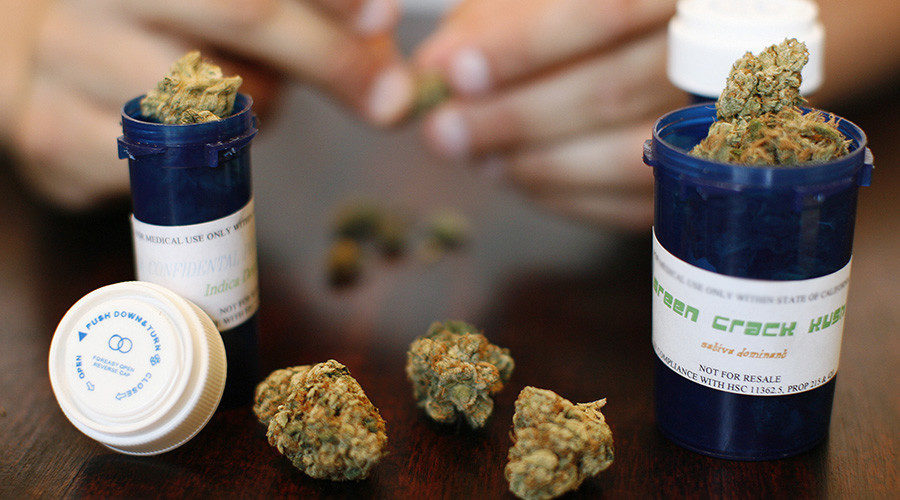
While cannabis has been used medicinally for hundreds of years, yet only recently have studies delved into determining whether it is safe and effective. Now, a group of researchers with Ben-Gurion University of the Negev in Israel want medicinal cannabis to become as conventional as ibuprofen or acetaminophen. They are urging the medical community to recognize the treatment as another powerful tool of modern medicine.

"We feel it is absolutely imperative to not only present the current state of affairs, but also propose the development of the scientific research program within the paradigm of evidence-based medicine," said Victor Novack, study lead and a professor at the university, in a statement.

Anecdotal evidence over the centuries has shown cannabis to have medicinal benefits for pain management, as a sleep aid and for other medical needs. Although recent legal restrictions have made it difficult to research, a growing number of studies since 2012 are beginning to turn the tide.

For this latest research, the authors conducted two major studies tracking cannabis use in cancer patients and the elderly. In the first study, cancer patients needing help with sleep problems and pain relief were given cannabis. Of the 2,970 patients tracked between 2015 and 2017, 95.9 percent found cannabis to help with both issues. The second study analyzed the use of cannabis in elderly patients suffering from several health problems, including pain and cancer, during the same time period. Again, the researchers established that cannabis is safe and effective in the elderly and may actually reduce the amount of prescription medicines needed, including opioids.

Comment: More about the therapeutic uses of medicinal cannabis:


Health

The benefits of bitter herbs and spices

bitters
Bitter herbs, spices and foods offer valuable benefits and can go a long way toward improving your overall health by improving digestion, gastrointestinal health and absorption of nutrients
Bitter flavors are perhaps the least appreciated and sought-after, yet bitter herbs and spices offer valuable benefits and can go a long way toward improving your overall health. Historically, bitter herbs have been primarily used as cleansing agents, vitality builders and digestive support.1 According to a paper published in the European Journal of Herbal Medicine:2
"With so many bitter herbs, most with a long history of medicinal use in multiple cultures, it is not surprising to read that 'the urinary system seems to be the only system that does not derive direct benefit from the administration of bitters.'"
As noted by Weston A. Price Foundation, an organization dedicated to restoring nutrient-dense foods to the human diet through education, research and activism:3
"It is unfortunate, then, that our modern diet seems to be completely lacking in the wild bitter tasting plants our ancestors considered so fundamental to their health. Many of the diseases riddling our modern culture - from indigestion and gastric reflux to metabolic disorders ... seem to all point back to the deficiency of bitterness in our diets, and the lack of the protection and tone it imparts to our digestion and metabolic functions."