Health & WellnessS


Health

Why eating a low-carb diet won't shorten your life

low-carb diet
Despite current headlines, there's little evidence that following a high-protein, low-carb diet could shorten your lifespan.
Last week, a new study was published in The Lancet Public Health that claimed to find that both very-low- and very-high-carb diets shorten our lifespan. Predictably, the mainstream media jumped on this finding without doing a shred of due diligence-more on that below-and we were subjected to splashy headlines like this: I've been writing about health and nutrition for more than a decade now, and without fail, at least once a year a study like this is published. I could set my watch to it.

Understandably, my Twitter, Facebook, and email accounts blow up with messages from concerned readers, who want to know if the diet they are following is going to kill them.

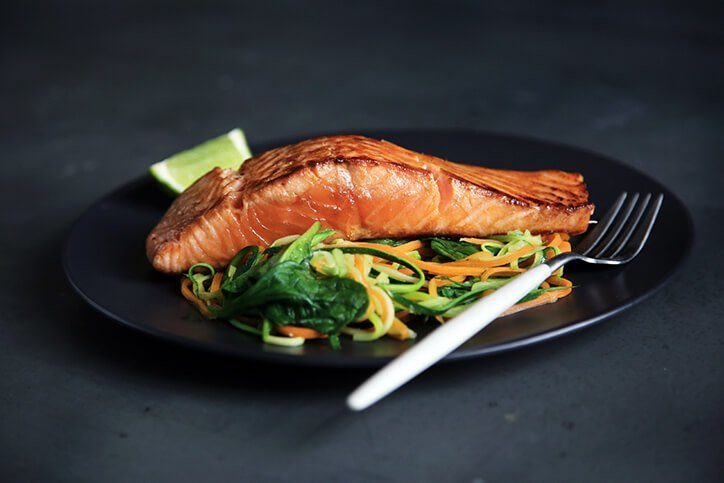
Each year, my response is the same: no, your nutrient-dense, whole-foods diet that includes animal products is not going to give you a heart attack, increase your risk of cancer or other chronic diseases, or shorten your lifespan. In fact, it's likely to have the opposite effect.

Comment: See also:


Pills

Anxious about anxiety drugs? Benzodiazepines are linked to addiction, difficult withdrawals, and overdose deaths

benzodiazepines prescription drug problem
© Healthline
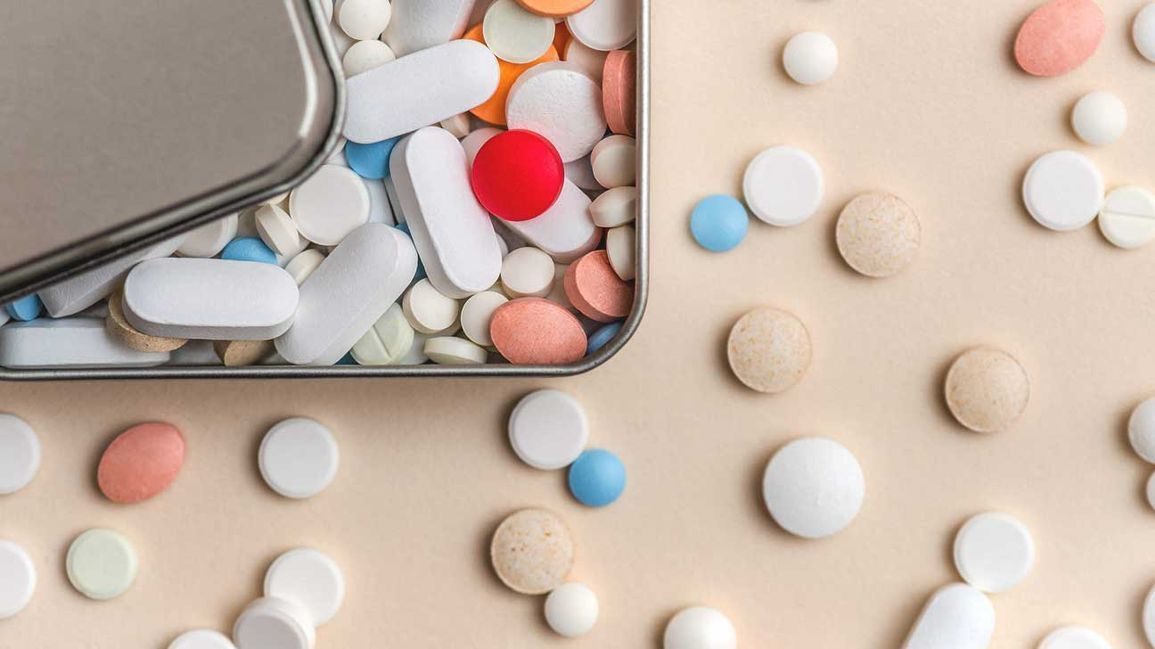
Americans have plenty of reasons to feel anxious these days and, in fact, more than 40 million adults in America do suffer from anxiety, the most commonly diagnosed mental condition in the country. There are drugs designed to treat anxiety, but they carry their own problems with them, and that's leading to rising concern among health professionals and mental health experts, who cite growing numbers of people addicted to and dying from these drugs.

The drugs are benzodiazepines, a class that includes such popular prescription drugs as Librium, Valium, Xanax, and Ativan. They are used not just for anxiety, but also for related syndromes such as phobias, panic attacks, and insomnia, and, according to a study from the National Institutes of Health, prescriptions for them increased by a whopping 67% between 1996 and 2013. Some 13.5 million adults filled a prescription for benzos that year.

Comment: Read more about the dangers of benzodiazepines:


Red Flag

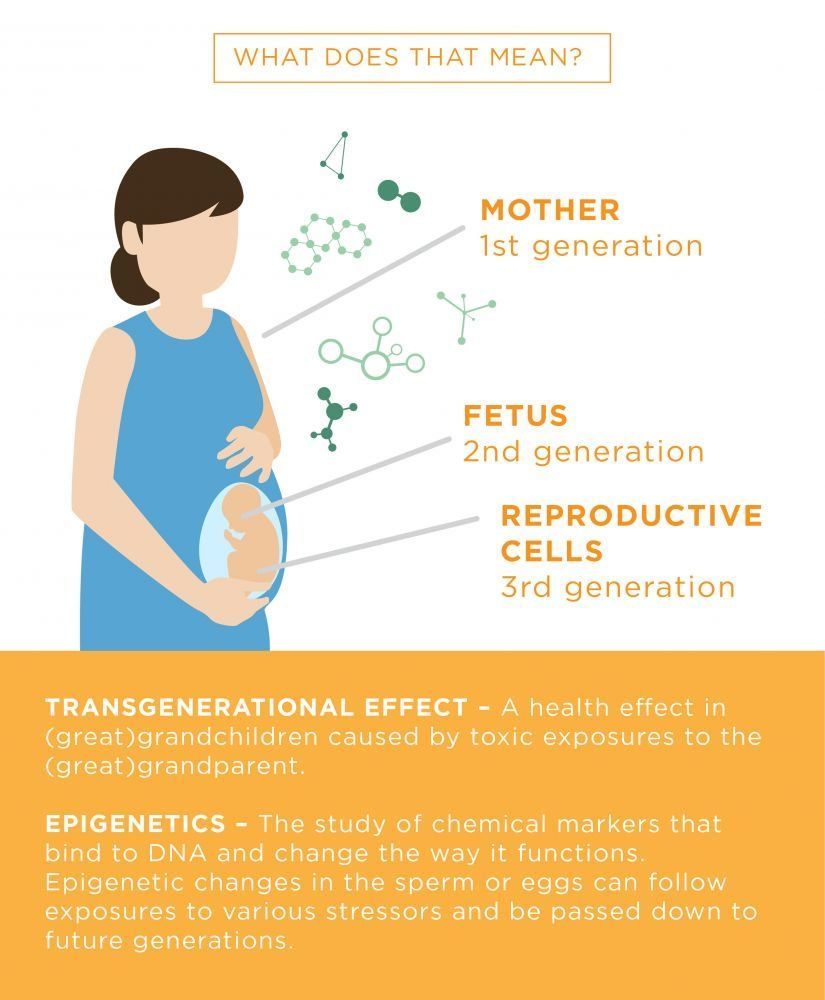
Pesticide damage to DNA found 'programmed' into future generations

pesticides
When Dr. Paul Winchester, a pediatrician, moved to Indiana from Colorado in 2002, he noticed something disturbing-a high number of birth defects.

"I was used to the number of birth defects I should see in a community hospital, and I saw many more in Indiana," said Winchester, who is medical director of the Neonatal and Intensive Care Unit at St. Francis Hospital in Indianapolis.

Winchester decided to investigate the reason for the higher numbers of birth defects. His research zeroed in on the herbicide atrazine, one of the most widely used herbicides in the U.S. and the most commonly detected pesticide in U.S. drinking water.

Brain

Risk of Parkinson's disease increases with statin or 'cholesterol-lowering' drug use

Parkinson’s disease
What if the drug meant to treat you actually gave you a different, just-as-bad disease? A report published in the medical journal Movement Disorders says this could be the case with statins, linking the use of the drugs to an increased risk of Parkinson's disease.

Statins are a class of drugs prescribed to prevent heart attacks and strokes. The drug works by blocking the liver enzyme responsible for the production of cholesterol. By doing this, the drug lowers your body's cholesterol levels and decreases your risk for cardiovascular conditions.

Some medical professionals have come to attribute statins with neuroprotective effects, but the authors of the study say the evidence for this is inconclusive at best.

Dr. Xuemei Huang, a professor of neurology at Penn State College of Medicine and one of the authors of the study, implies this could be a misunderstanding. Past research suggests that higher cholesterol levels could reduce the risk for Parkinson's. Incidentally, statins are prescribed to people who need to lower their cholesterol levels.

Comment: Much more on the detrimental effects of statin drugs:


Nuke

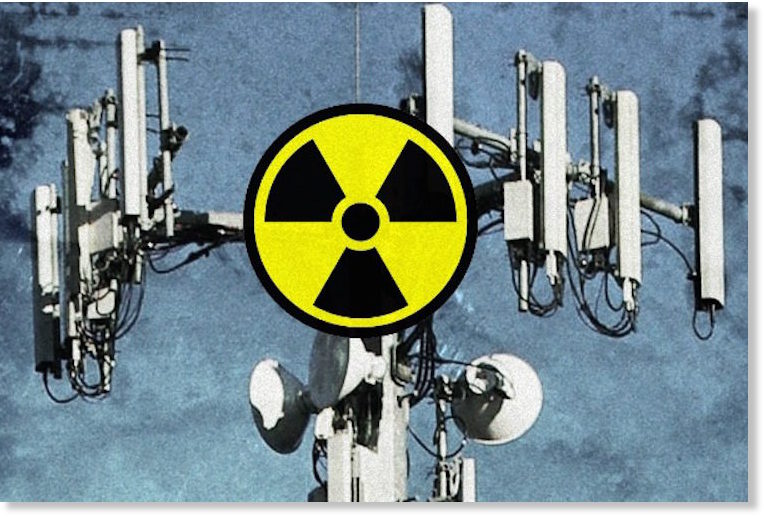
Largest ever cell tower radiation study confirms link to cancer

electromagnetic radiation
As the rollout of the nationwide 5G cell network moves forward, many concerned scientists and public health experts are raising the alarm about the potential harms of bathing the environment in high frequency electromagnetic energy. This new technology would add another layer of electromagnetic radiation to an already dangerously inundated environment.

Cell phone manufacturers downplay the potential risks as well as studies that link them to the formation of brain cancer, and in 2017, the California Department of Public Health (CDPH) issued new guidelines aiming to help people reduce their exposure to the risks involved in using cell phones.

5G is already known to cause unused health disturbances and while many are working to derail this massive project, new research gives us extraordinary insight into the effects that cell tower radiation is already having on our health. This technology is far from benign, and while scientists from both sides debate the potential for harm, more evidence continues to mount, suggesting we would be wise to reconsider our dependence on cell technology and upcoming 5G.

Comment: See also:


Bullseye

The 'king' of oils: The many benefits of frankincense essential oil

frankincense essential oil
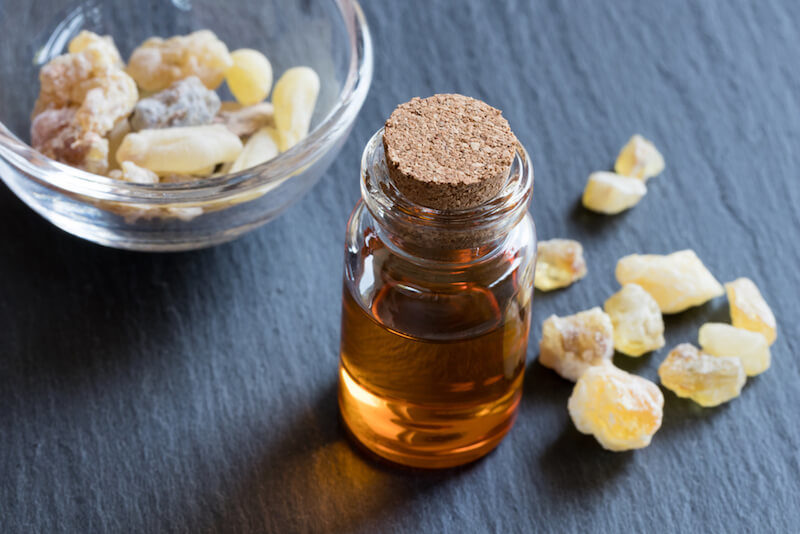
Frankincense has a significant meaning in Christianity, and is believed to be one of the gifts offered by the three wise men to the newborn Jesus. Today, this fragrant resin is transformed into an essential oil that's valued not only in religious practice, but also in aromatherapy and natural health. Read on to learn more about frankincense oil.

What Is Frankincense Oil?

Frankincense, also known as olibanum,1 comes from the Boswellia genustrees, particularly Boswellia sacra and Boswellia carteri. The milky white sap is extracted from the tree bark, allowed to harden into a gum resin for several days, and then scraped off in tear-shaped droplets.2

Comment: See also:


Magnify

Environmental epidemiologist: We are guinea pigs in a worldwide experiment on microplastics

microplastics
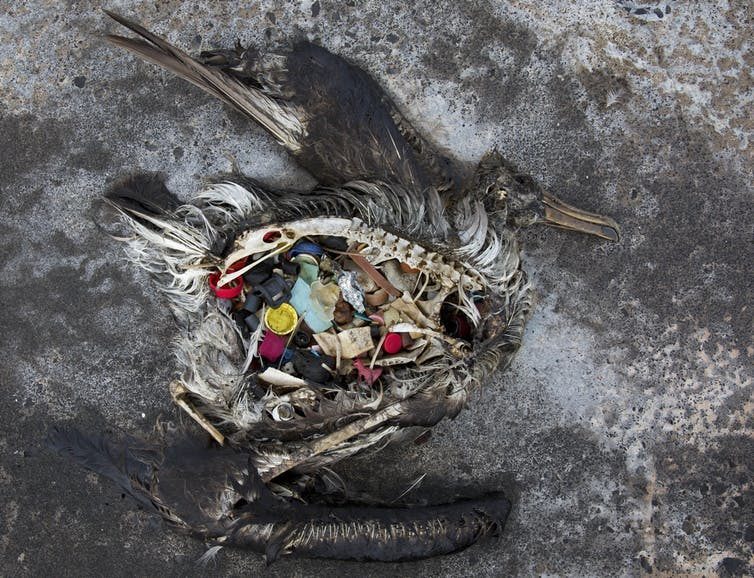
© Dan Clark/USFWS via APA black footed albatross chick with plastics in its stomach lies dead on Midway Atoll in the Northwestern Hawaiian Islands. Midway sits amid a collection of man-made debris called the Great Pacific Garbage Patch. Along the paths of Midway, there are piles of feathers with rings of plastic in the middle - remnants of birds that died with the plastic in their guts.
One of the main problems with plastics is that although we may only need them fleetingly - seconds in the case of microbeads in personal care products, or minutes as in plastic grocery bags - they stick around for hundreds of years. Unfortunately, much of this plastic ends up as environmental pollution. We've all seen the gruesome images of a sea turtle killed by a plastic bag, or the array of bottle caps, toothbrush fragments, and other plastic items found in the stomach of an albatross carcass. But what about the tiny microplastics that aren't as readily visible?

Much of the hundreds of millions of tons of plastic waste in our oceans is made up of microplastics. These are defined as plastic beads, fibers or fragments with a diameter of less than five thousand micrometers (μm), equal to one-half centimeter. Nanoplastics are thousands of times tinier, with a diameter of less than 0.1 μm, and are also likely to be widely present. By comparison, a human hair ranges from about 15 to 180 μm across. Some of these microplastics are deliberately engineered like microbeads in a facial scrub. Others result from the break down of larger plastic items.

Comment: Ocean microplastics - a massive problem


Syringe

Measles cases in Europe nearly double that of last year's record levels

vaccine injection
© Valentin Flauraud/Reuters
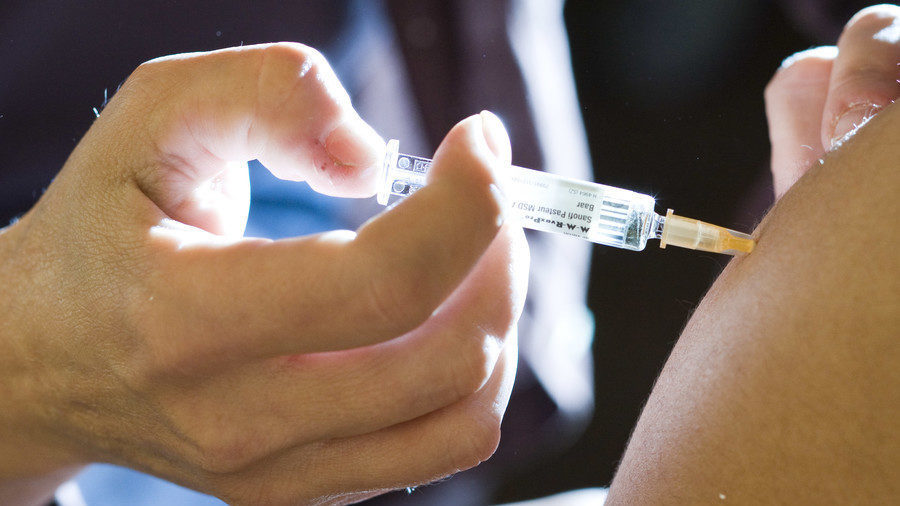
A record-breaking 41,000 cases of measles have been registered in Europe so far this year, with experts putting the blame squarely on people refusing to get themselves or their children vaccinated against the disease.

The first six months of 2018 saw more than 41,000 people infected across the continent, resulting in 37 deaths, according to new statistics provided by the World Health Organization (WHO). The figure is almost double the then-record breaking number of 23,927 cases recorded in 2017.

Measles cases measured in 2016 meanwhile had registered a decade-low, with only 5,273 instances recorded.

Health

This shouldn't be happening: New documentary covers the return of scurvy to developed nations

gum disease scurvy
© energy/iStock
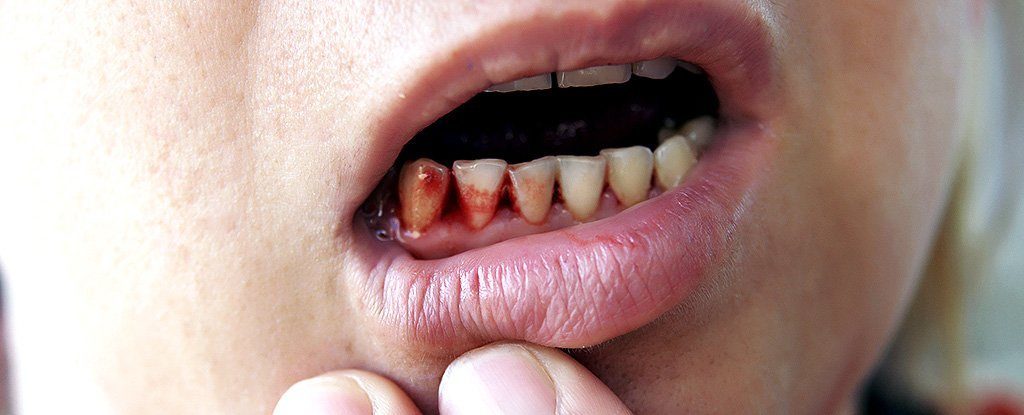
In the modern world, we don't think of malnutrition as something found in wealthy countries, like the United States. And yet, a notorious 18th century disease caused by the lack of a single vitamin has been rearing its head in a nation that wastes a quarter of its food every year.

Vitamin C was only discovered in 1912, but long before that Scottish physician James Lind figured out that citrus fruit could cure scurvy - a disease we now know is caused by the simple lack of vitamin C.

We're used to thinking of scurvy as a historical ailment. In the great Age of Exploration, long sea voyages with limited food options saw hundreds of sailors succumb to the devastating symptoms until a cure was found.

Comment: It's unsurprising that the fringes of society would be suffering from this sort of malnutrition. Those with extremely limited budgets and little education on health will tend towards processed foods, high in refined carbohydrate and processed, rancid fats to fill their bellies, neglecting truly healthful foods that give their bodies the actual nutrition they need. Keep in mind, also, that the higher the carbohydrate consumption, the higher the need for vitamin C.

See also:


Smoking

E-cig vapor disables key immune cells in the lung and increases inflammation

e cig
© CC0 Public Domain
E-cigarette vapour boosts the production of inflammatory chemicals and disables key protective cells in the lung that keep the air spaces clear of potentially harmful particles, reveals a small experimental study, published online in the journal Thorax.

The vapour impairs the activity of alveolar macrophages, which engulf and remove dust particles, bacteria, and allergens that have evaded the other mechanical defences of the respiratory tract.

The findings prompt the researchers to suggest that while further research is needed to better understand the long term health impact of vaping on people, e-cigarettes may be more harmful than we think, as some of the effects were similar to those seen in regular smokers and people with chronic lung disease.

Vaping is increasing in popularity, but most of the current body of research has focused on the chemical composition of e-cigarette liquid before it is vaped.

Comment: E-cigs have the opposite effect of natural tobacco, which has been shown to lower inflammation and boost immunity, along with many other benefits, see: Also check out SOTT radio's: The Health & Wellness Show: The Truth about Tobacco and the Benefits of Nicotine

And for more on the harms of e-cigs: