Health & WellnessS


Syringe

Roll up your sleeves folks: Big Pharma's vaccine pipeline

vaccine
"No vaccine manufacturer shall be liable...for damages arising from a vaccine-related injury or death." - President Ronald Wilson Reagan, as he signed The National Childhood Vaccine Injury Act (NCVIA) of 1986, absolving drug companies from all medico-legal liability when children die, become chronically ill with vaccine-induced autoimmune disorders or are otherwise disabled from vaccine injuries. (That law has led directly to an expected reckless, liability-free development of scores of new, over-priced, potential block-buster vaccines, now numbering over 250. The question that must be asked of Big Medicine's practitioners: How will the CDC, the AMA, the AAFP and the American Academy of Pediatrics fit any more potentially neurotoxic vaccines into the current well-baby over-vaccination schedule?)

Bacon

British centenarian man claims key to long life is daily mixed grills and red wine

british centenarian
© Caters News
Arthur Grisbrook still lives alone, cooks and cleans for himself and even enjoys playing his beloved organ in his flat in Hereford.

He cooks himself a full mixed grill - with steak, gammon, sausages, a fried egg, mushrooms, tomatoes, peas, chips and hash browns - most days.

The former Royal Engineer, from Buckinghamshire, said he is frequently told he looks decades younger than his 10 centuries [sic] and believes his diet - and two nightly glasses of red wine - is to thank for his incredible appearance, despite what doctors say.

The widowed great-granddad-of-three said: 'I eat and drink what I fancy and don't worry about what the so-called 'experts' say.

'I believe in doing things moderately and sensibly. I drink most nights with my meals.

Comment: Centenarians all over the globe more often than not credit their long life to a similar diet, as well as an active social life with family and in the wider community, along with interests which engaged the person in regular physical and mental activities. A significant number of them also smoked tobacco, many continued to do so.


Bacon n Eggs

The ketogenic diet and chronic pain

neck pain


Metabolic syndrome and chronic pain


We are currently experiencing a metabolic syndrome epidemic in modern societies, mostly driven by the development of wide spread insulin resistance. Metabolic syndrome is not only associated with arthritis and pain in one's joints, but many other areas in the body as well. A common complication of diabetes and metabolic syndrome is the loss of small nerve fibers in the skin and is associated increased pain sensation [1, 2]. Some have proposed that a loss in the regenerative capacity of nerves is driving this phenomena [2, 3]. Fibromyalgia, a complicated multi-factorial chronic pain condition is also highly associated with metabolic syndrome and is becoming increasingly common paralleling rising rates of all other chronic diseases of modern society [4].

In the context of arthritis, the pain that is experienced is THE most important part of the disease. It is the pain that reduces one's quality of life the most. It is the pain that reduces one's propensity to get up and move more throughout the day, thereby increasing sedentary behavior and contributing to the development of obesity, diabetes, high blood pressure, and heart disease.

It is also important to understand that not all arthritic joints are painful! I frequently see knee X-Rays that look terrible, yet the patient is doing just fine with only mild discomfort. I see others with mild arthritis on imaging, yet experiencing crippling pain. Studies have shown that the severity of osteoarthritis seen on X-Rays do not necessarily correlate with the person's degree of pain and dysfunction [5].

Comment: Very interesting to draw parallels between mechanisms of pain reduction and what the ketogenic diet does through natural changes in physiology. Although it's speculative, and the author calls for more research on the subject, it would make sense to try to solve pain problems with diet before embarking on a course of dangerous opioids (or even other less damaging pain medications).

See also:


Birthday Cake

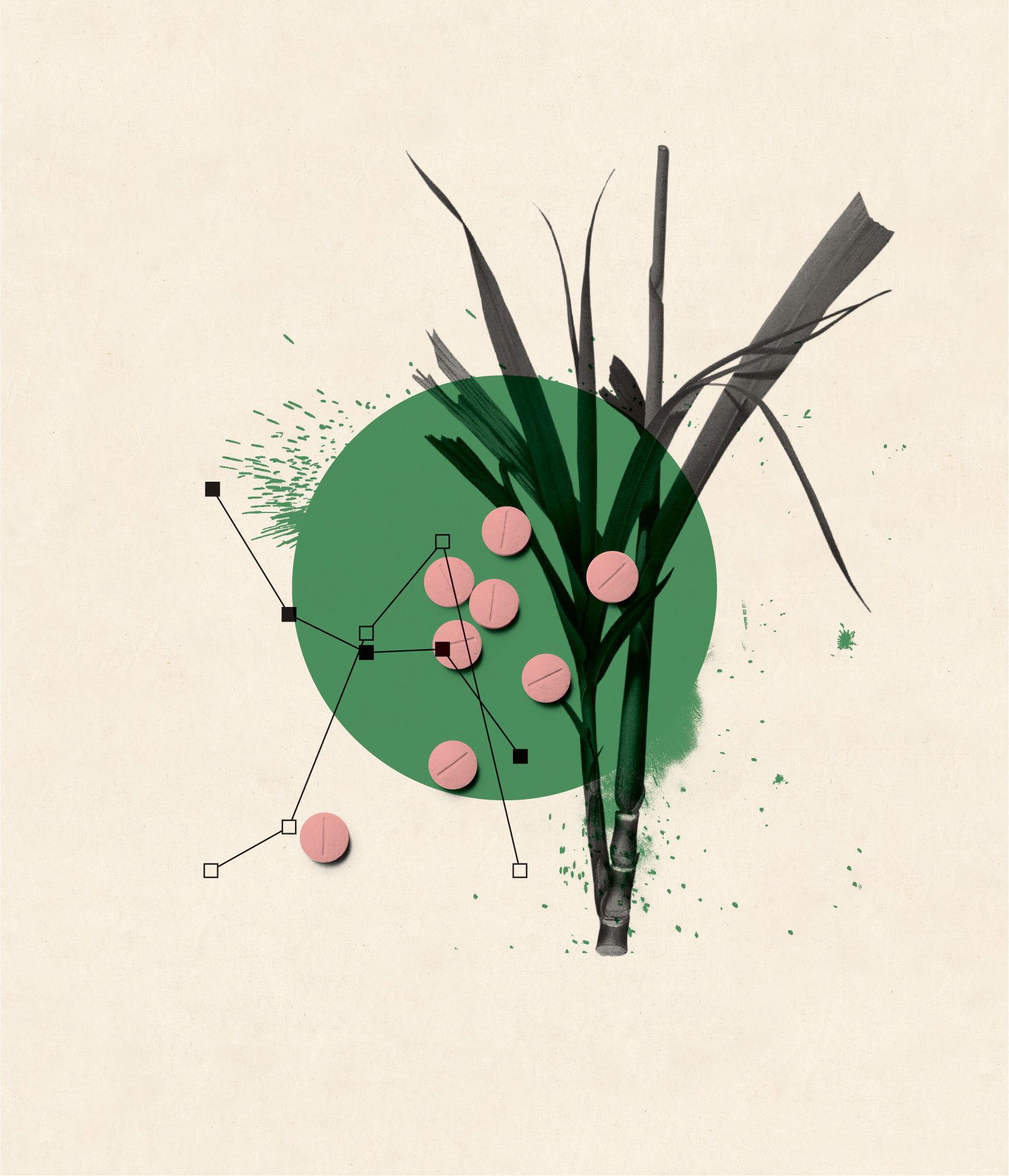
It's time to study whether eating particular diets can help heal us

pills plants molecules
© Cristiana Couceiro
A few weeks ago, I had a minor surgical procedure - the repair of a congenital abdominal hernia. The operation went well. I returned home with a stash of instructions and medicines. There were clear guidelines for which drugs to take for inflammation or pain, in what dose, and in what order and intervals.

But the surgical wound was slow to heal. And so, while continuing the anti-inflammatory medicines, I added an antibiotic, and began to wonder if I should change my diet to aid the healing process. After all, I was pouring molecules into my body. The antibiotic was designed to fight a type of microbe. The anti-inflammatories worked to reduce inflammation. Why not find a different molecule designed to encourage blood-vessel growth, or boost the division of stem cells in the skin - a molecule delivered not in the form of a pill but as a nutrient in my food?

Over my typical Monday-morning breakfast (a bar of chocolate, washed down with a cup of espresso), I began to look for advice about what I should be eating to feel better. One website, from the Cleveland Clinic, advised five servings of grains, two servings of vegetables and limited fat to aid with wound-healing. Another article urged quite the opposite: a high-fat, high-protein, low-carbohydrate diet. Yet others suggested zinc, or vitamin D, or enough supplements to clean out the health-foods section of my local grocery.

Comment: The author is quite right that there needs to be more, unbiased, medical research on the effects of diet on disease. While the research is being done, it's slow going and often replete with presuppositions on what individuals are 'supposed' to eat. In the meantime, there seems to be much in the way of anecdotal evidence from individuals unwilling to wait for scientific consensus to form before self-experimenting.

See also:


Bacon n Eggs

Harvard professor Dr. Willett has convinced me to become a gorilla

Tom Naughton Gorilla
Dr. Walter Willett, whom the Boston Globe once described as the world's most influential nutritionist, has finally convinced me to adopt the diet of a gorilla. Yes, it's a big mental shift, but the turning point came when I read about a rigorous, unbiased study Dr. Willett recently conducted, as reported in the U.K. Telegraph:
At least one-third of early deaths could be prevented if everyone moved to a vegetarian diet, Harvard scientists have calculated.

Recent figures from the Office for National Statistics suggested that around 24 per cent or 141,000 deaths each year in Britain were preventable, but most of that was due to smoking, alcohol or obesity.

But the new figures from Harvard suggest that at least 200,000 lives could be saved each year if people cut meat from their diets.

Comment: Studying gorillas to find the best diet for humans - only the twisted, nutrient starved brain of a vegetarian could come up with that idea! A critical look at the evidence shows that if humans eat like gorillas, they become malnourished. We're unique on this planet, and our dietary needs are unique as well. Studying animals can be helpful in some cases, but adopting the diet of an animal because the animal is healthy is nonsensical in the extreme.

See also:


Brain

Neti pot misuse: Rare brain-eating amoeba strikes Seattle woman

brain CT scan
© Dr. Daniel Susanto / Swedish Medical Centerf 3
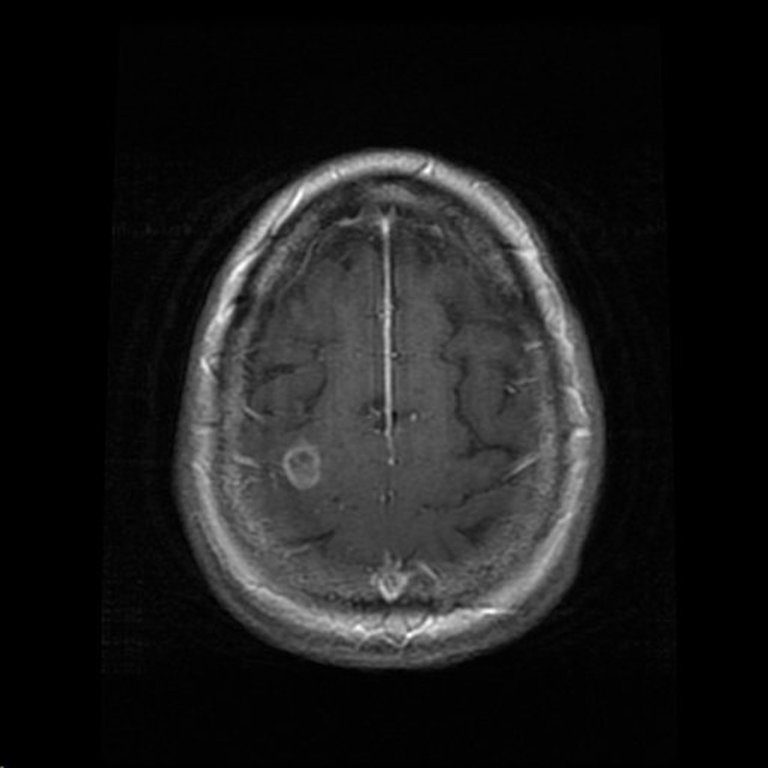
An MRI of the Seattle woman’s brain in January 2018. Doctors initially thought the ringed lesion on the left was a tumor, because the woman had a history of breast cancer.
When a 69-year-old Seattle woman underwent brain surgery earlier this year at Swedish Medical Center, her doctors were stumped.

Last January, the woman was admitted to the hospital's emergency department after suffering a seizure. Doctors took a CT scan of her brain to determine the cause, finding what they initially thought was a tumor. But an examination of tissue taken from her brain during surgery a day later showed she was up against a much deadlier attack, one that had been underway for about a year and was literally eating her alive.

"When I operated on this lady, a section of her brain about the size of a golf ball was bloody mush," Dr. Charles Cobbs, neurosurgeon at Swedish, said in a phone interview. "There were these amoeba all over the place just eating brain cells. We didn't have any clue what was going on, but when we got the actual tissue we could see it was the amoeba."

The woman died a month later from the rare organisms that entered her brain after being injected into her nasal cavity by way of a neti pot, a teapot-shaped product used to rinse out the sinuses and nasal cavity, according to a case study recently published in the International Journal of Infectious Diseases.

Question

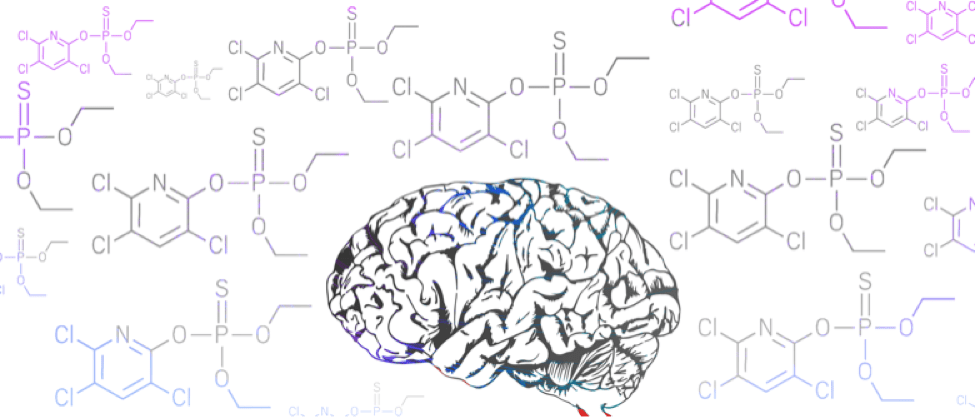
Did Dow Chemical fake safety studies on the brain-damaging insecticide Chlorpyrifos?

Science in the News (Harvard University)
© Science in the News (Harvard University)
We've known for a while that Monsanto buried the truth about Roundup weedkiller by ignoring concerns by its own scientists. Now it seems Dow Chemical Co. has been using the same playbook.

Dow (renamed DowDuPont after its 2017 merger with DuPont) likely knew for decades that its widely used chlorpyrifos insecticide is harmful to humans-especially children and developing fetuses. But the company hid that information from regulators, both in the U.S. and EU, according to a new study, published in the journal Environmental Health.

The revelation comes as the U.S. Environmental Protection Agency (EPA) is duking it out in the legal system over an August 2018 court ruling requiring the agency to finalize the ban on chlorpyrifos that was originally proposed under the Obama administration, but overturned after Trump took office.

Comment: The damaging effects of chlorpyrifos pesticides:


Pills

Chronic pain patients: The other side of the opioid epidemic

back pain
[We feel] we have been betrayed: that policymakers feel that people with substance abuse disorders deserve a life and we pain patients don’t.
"It is borderline genocide," said DeLuca, 37. "You are allowing [chronic pain patients] to go home and essentially suffer until they kill themselves."

Last year, Lauren DeLuca went to the emergency room in the middle of the night, violently ill and in pain with a pancreatic attack. Despite the fact that she was passing out and vomiting profusely, DeLuca said that she received little help.

"I was essentially turned away," she told The Fix. "Everywhere [I went] I was being accused of lying, accused of making it up."

Over the next three weeks, DeLuca lost 20 pounds, unable to eat because of her pain and vomiting. Doctors, she said, were too paralyzed by the fear of overprescribing powerful opioid pain relievers to help her. Eventually, DeLuca's arteries and organs were permanently damaged by her inability to eat, halting her plans to start a family, and leaving her with lifelong health issues. Even after all that, she had issues accessing the opioid pain relief that would make her life bearable.

Alarm Clock

Insomniac? Fall asleep naturally with these tips

sleep
An estimated 70 million American adults have a sleep disorder, the most common of which is insomnia1 - the inability to fall asleep, or waking up one or more times during the night. If you're in this category, despair not, because the list of strategies to improve your sleep is long.

While most sleep problems are tied to lifestyle choices such as spending too much time indoors during daylight hours, and/or excessive use of technology and chronic exposure to electromagnetic fields (EMFs), which will require you to make (perhaps significant) changes to your lifestyle, a number of tips and tricks can be useful in the short term.

A method developed by the U.S. military, revealed in the 1981 book, "Relax and Win: Championship Performance," claims to have a 96 percent success rate after six weeks of consistent implementation.

Military Method Preps Your Body for Sleep

The method centers around preparing your mind and body for sleep by deeply relaxing for about two minutes. The following summary of the process was recently published in the Evening Standard:2

1. Relax your whole face, including your tongue, jaw and the muscles around your eyes

2. Drop your shoulders and relax your arms

3. Relax your chest as you breathe out

4. Relax your legs, from your thighs to your feet

5. Relax and clear your mind, then picture yourself in one of the following scenarios:

a. You're lying in a canoe on a calm lake with nothing but blue sky above you

b. You're snuggled in a black velvet hammock in a pitch-black room

c. Simply repeat "Don't think, don't think, don't think" for 10 seconds

Health

New study links childhood infections with future mental health issues

sick boy
Serious infections during childhood have been tied to a subsequent increased risk of mental disorders in a new study.

The study, published in the journal JAMA Psychiatry on Wednesday, found that infections requiring hospitalizations were associated with an about 84% increased risk of being diagnosed with any mental disorder and an about 42% increased risk of using psychotropic drugs to treat a mental disorder.

Less severe infections treated with anti-infectious medications, like antibiotics, were associated with increased risks of 40% and 22%, respectively, the study found.

"The surprising finding was that the infections in general -- and in particular, the less severe infections, those that were treated with anti-infectious agents -- increased the risk for the majority of mental disorders," said Dr. Ole Köhler-Forsberg, a neuroscientist and doctoral fellow at Aarhus University in Denmark, who led the study.