Health & WellnessS


Cheeseburger

A massive backlash is building against fake meat products like Beyond Meat and Impossible Foods

Fast food
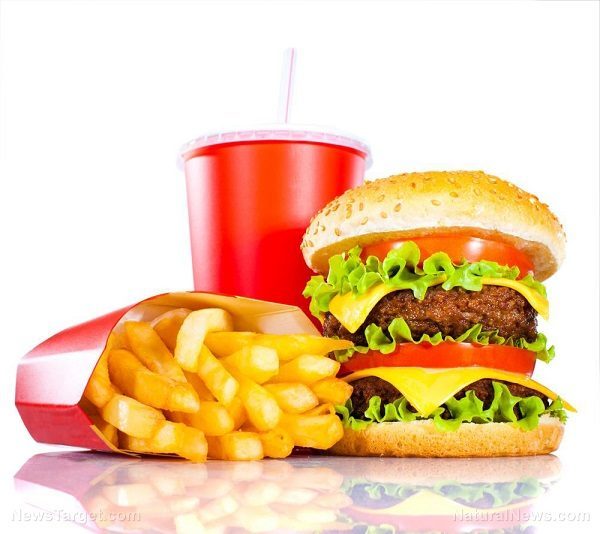
When it comes to foods that people miss most when giving up red meat for health reasons, burgers are firmly at the top of the list. That's why some food companies have been putting so much effort into finding meatless alternatives. While products from Beyond Meat and Impossible Foods might look and taste like the real thing, they're hardly the healthier alternative their manufacturers would like you to believe.

In fact, in the wake of the popularity of these fake meats, a massive backlash has been building as those who know better have finally had enough of the misinformation surrounding the so-called food. As Natural News has been saying all along, these products give people a false sense of doing something good for their bodies and are precisely the type of processed foods people who care about their health should be avoiding.

One of the voices of dissent is the CEO of Chipotle, Brian Niccol, who has said that the products are simply too processed for the menu of his restaurant chain as they focus on using real foods and short ingredient lists. Chipotle is joined by Arby's and Taco Bell in pledging not to add these biotech meats to their menus.

Whole Foods CEO John Mackey is also not a fan, telling CNBC that many of the burgers getting a lot of hype right now are "super, highly processed foods." He said he's not willing to endorse them from a health standpoint.

Butterfly

Get to sleep: How to spend the last 10 minutes of the day

insomnia
© Aaron Tilley
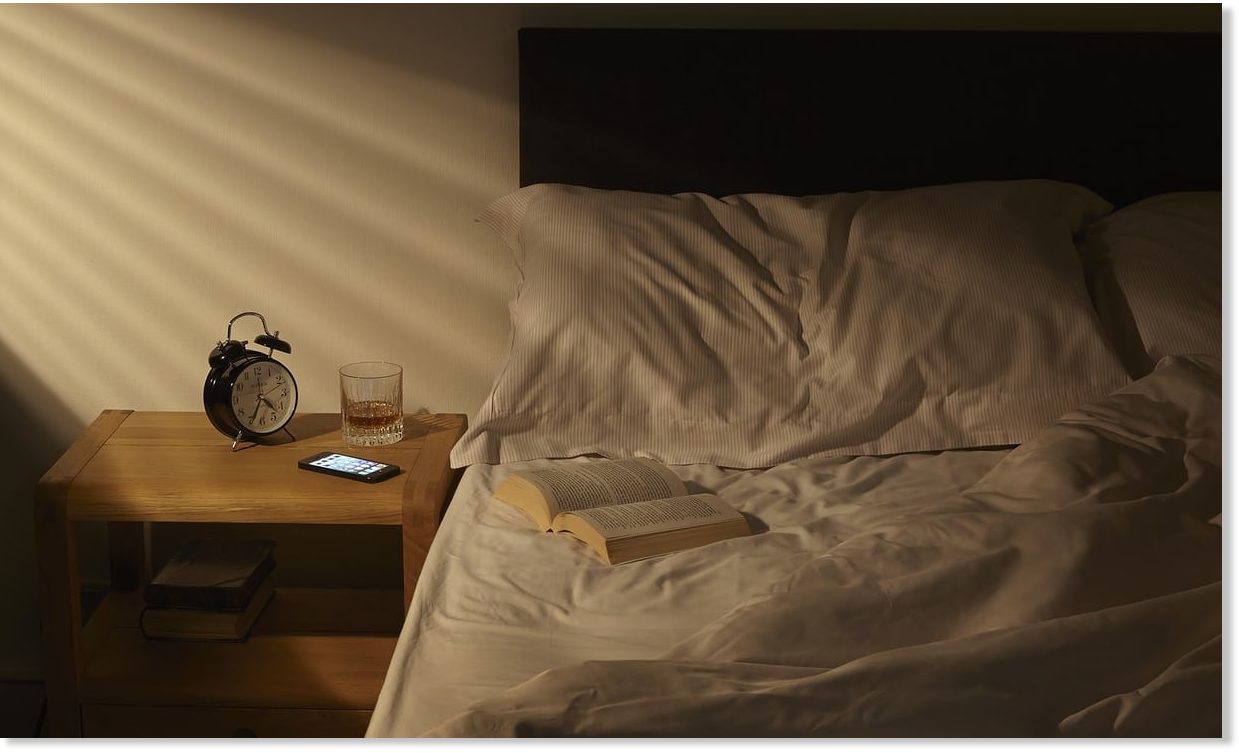
How much sleep did you get last night? If the answer is "not enough" you're hardly alone. According to Gallup's estimates, almost half the people you'll run into today are suffering from some level of sleep deprivation.

We often dismiss a little morning fatigue as an inconvenience, but here's the reality. Missing sleep worsens your mood, weakens your memory, and harms your decision-making all day long. It scatters your focus, prevents you from thinking flexibly, and makes you more susceptible to anxiety. (Ever wonder why problems seem so much more overwhelming at 1:00am than in the first light of day? It's because our brains amplify fear when we're tired.)When we arrive at work sleepy, everything feels harder and takes longer. According to one study, we are no more effective working sleep-deprived than we are when we're legally drunk.

Syringe

What's causing record rates of STDs?

sexual transmitted disease
© Yahoo News photo illustration; photos: Getty ImagesWhat's causing record rates of STDs?
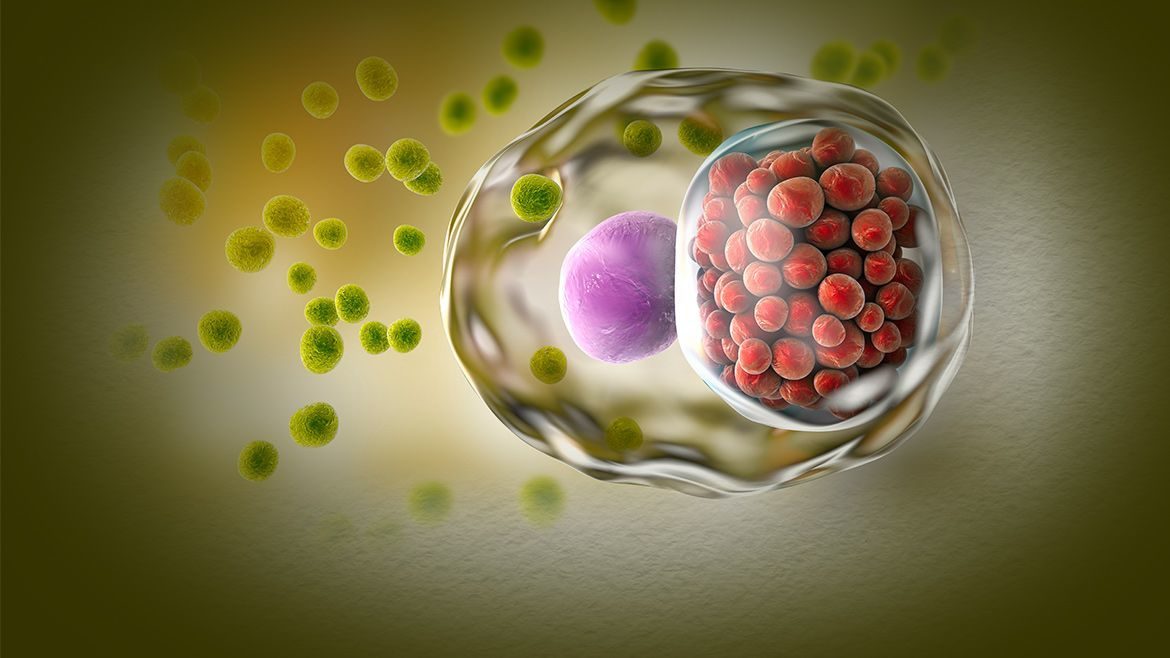
The combined number of cases of syphilis, gonorrhea and chlamydia in the U.S. reached an all-time high in 2018, according to the Centers for Disease Control and Prevention. More than 2.4 million cases of the three sexually transmitted diseases were reported last year, an increase of more than 100,000 from the previous year.

Those figures include an alarming increase in congenital syphilis, which occurs when an infected mother passes the disease to her baby during pregnancy. Congenital syphilis led to 94 newborn deaths in 2018, the CDC said.

Half the STDs were reported in people between the ages of 15 and 24. Men who have sex with men were also disproportionately affected by the increase in STD rates. The CDC noted that its figures underestimate the total number of STDs nationwide because many people with these conditions don't show symptoms.

Comment: Notably absent in the above list of possible reasons for the rise in STD/STIs is the overall degenerating morality of society. The rise in hookup culture, dating apps and the general rise in sexual deviancy on display in the media (not to mention the easy access to porn) is undoubtedly part of the problem.

See also:


Syringe

Robert F. Kennedy, Jr.: Escalating anti-parent propaganda

Escalating Anti-Parent Propaganda
An increasingly tyrannical government-pharmaceutical industry partnership wants to vaccinate 100 percent of children from the womb on, no matter the child's state of health or the family's beliefs—and in spite of vaccination's demonstrated failure to live up to its silver bullet promises. However, one formidable interlocutor—the informed parent—has always stood in the way of a complete victory over children.

From the point of view of those who seek to impose vaccination at all costs, there is an obvious way to deal with troublesome parents—recast them as the villains! And presto, an anti-parent campaign is unfolding, right on cue. The clever playbook to discredit parents includes multiple strategies ranging from the insidious to the overt, including reframing parental concerns about vaccine safety as "barriers"; deploying media-savvy vaccine industry shills to inflame public sentiment; and laying down a legal and medical foundation to allow children to consent to vaccines without parental permission. An observant writer in the United Kingdom has even noted that government officials are "calling for a clamp down on parents speaking to each other at school gates"! In each case, the paternalistic implication is that benighted parents are not acting in their children's best interests and that experts know best.

Comment:


Rainbow

Chromotherapy: The healing powers of color and light

color and light in medicine
We are in fact all engulfed in light that affects our health conditions. The body is stimulated by colors and colors are responsible for the correct working of various systems that function in the body.
Color psychology is the study of how colors affect human behavior, mood, or physiological processes. Colors are thought to influence our buying choices, our feelings, and even our memories. Ideas related to color psychology are heavily implemented in the areas of marketing and design. Companies choose colors that they believe will motivate customers to buy their products and improve brand awareness. Colors have even been used in color therapy techniques to treat various diseases.

Colors matter in medicine because humans are defined by the light they absorb and re-radiate. We are color. We are light! God is light. We are the light of this world. Thus we are Gods or at a minimum have God shining his light in us and through us meaning we are the light of pure consciousness. Since God (pure consciousness) is everywhere it is in us as well as in everyone, even in the people we do not like. Understanding and respecting this facts of existence is terribly important and can be leveraged for our health and in the practice of medicine.

The last thing we want to do if we are respectful of life is to poison it. Unfortunately that is exactly what pharmaceutical companies are into and that is what they teach in medical school. Doctors know nothing about the light and even do their best to keep people out of it, out of the sun, out of its life giving rays. A study of light and color psychology can lead to knowledge and understanding of the human condition and what to do when people get sick, mentally, emotionally, spiritually and physically.

There are two main areas of interest for us to explore, First has more to do with medicine. There is the sun of course, but many do not have easy access. Thus there are different light systems one can employ that can stand in for the healing sun. One can employ UV light, far-infrared, near-infrared, Red and blue lights in medicine and one can even use chromotherapy and use all the colors for different effects.

Comment: More on the effects of light and color:


Health

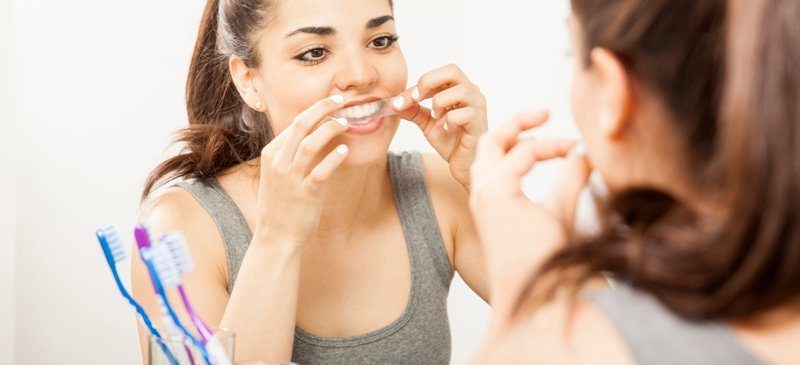
The downside of pearly whites: Peroxide based tooth whitening gels break down dental collagen

tooth whitening strips
The number one takeaway is that collagen seems especially susceptible to hydrogen peroxide. And while collagen can be replaced provided that the pulp is healthy, it is a slow process.
Is it bad to whiten your teeth? As it turns out, reaching for those over-the-counter whitening strips could actually be damaging your teeth in unexpected ways.

Emerging research released in 2019 suggests teeth whitening dangers now include damaging the tooth layer known as the dentin, a protein-rich area that binds the roots to the gum.

While much of the focus on tooth damage from tooth whitening products involves the outermost part of the tooth — the enamel — the latest wave of research looked at how whitening strips impact that protein-rich space underneath the enamel. This dentin layer consists mostly of collagen.

Is It Bad to Whiten Your Teeth?

Stockton University researchers in New Jersey investigated the impact of hydrogen peroxide — the active ingredient in over-the-counter whitening strips — on the collagen-rich dentin area of the tooth. As it turns out, the hydrogen peroxide seems to break tooth collagen into smaller fragments, wiping out collagen levels.

Comment: For more information on dental health:


Brain

Study finds neurofeedback therapy for depression boosts self-esteem and increases brain connectivity

Human Brain
© SCIENCE PHOTO LIBRARY - ROGER HARRIS/GETTY IMAGES
A neurofeedback study published in the journal Neuroimage: Clinical has found that patients in recovery from depressive disorder symptoms are able to strengthen some of their brain connections while evoking guilt-related memories, which leads to increased self-esteem. Research has shown that certain brain regions - which commonly have poor connectivity in people with depression - could be strengthened in a single neurofeedback session, a result that was proven by comparing functional magnetic resonance imaging. The study was conducted by the D'Or Institute for Research and Teaching (IDOR), the Federal University of Rio de Janeiro (UFRJ) and the Federal University of ABC, in collaboration with King's College in London.

Major Depressive Disorder (MDD), also known as depression, is a disorder caused by a set of social, psychological and biological factors. Its symptoms are characterized by the continuous loss of interest or pleasure in daily life and the prevalence of negative feelings such as deep sadness, guilt and low self-esteem. According to data from the World Health Organization (WHO), last year depression affected more than 300 million people worldwide. Considering the seriousness of the problem in world public health, the medical and scientific communities are increasingly seeking to understand depressive disorder, aiming at the development of new treatments and the improvement of patients' quality of life.

Comment: See also:


Brain

New evidence suggests link between vegetarianism and depression

depression
A strict vegetarian diet has long been scrutinized for the toll it can take on a person's physical wellbeing, but a new scientific report raises another important question: what about a vegetarian's mental wellbeing?

There's a good deal of medical literature associating deficiencies of B12 and omega-3 with depression. These essential nutrients are most commonly found in meat, fish, and other animal products. So it's not necessarily surprising to hear that vegetarianism is linked with depression.

Even so, the report details a number of worrisome findings, citing data from a compilation of surveys examining different groups in different countries but with similar findings: vegetarians are significantly more prone to depression than the omnivorous majority of the population. A sample of the findings is below.

Comment: See also:


Syringe

New evidence that steroid injections of hip and knee may damage joints

hip steroid injection
© Radiological Society of North America
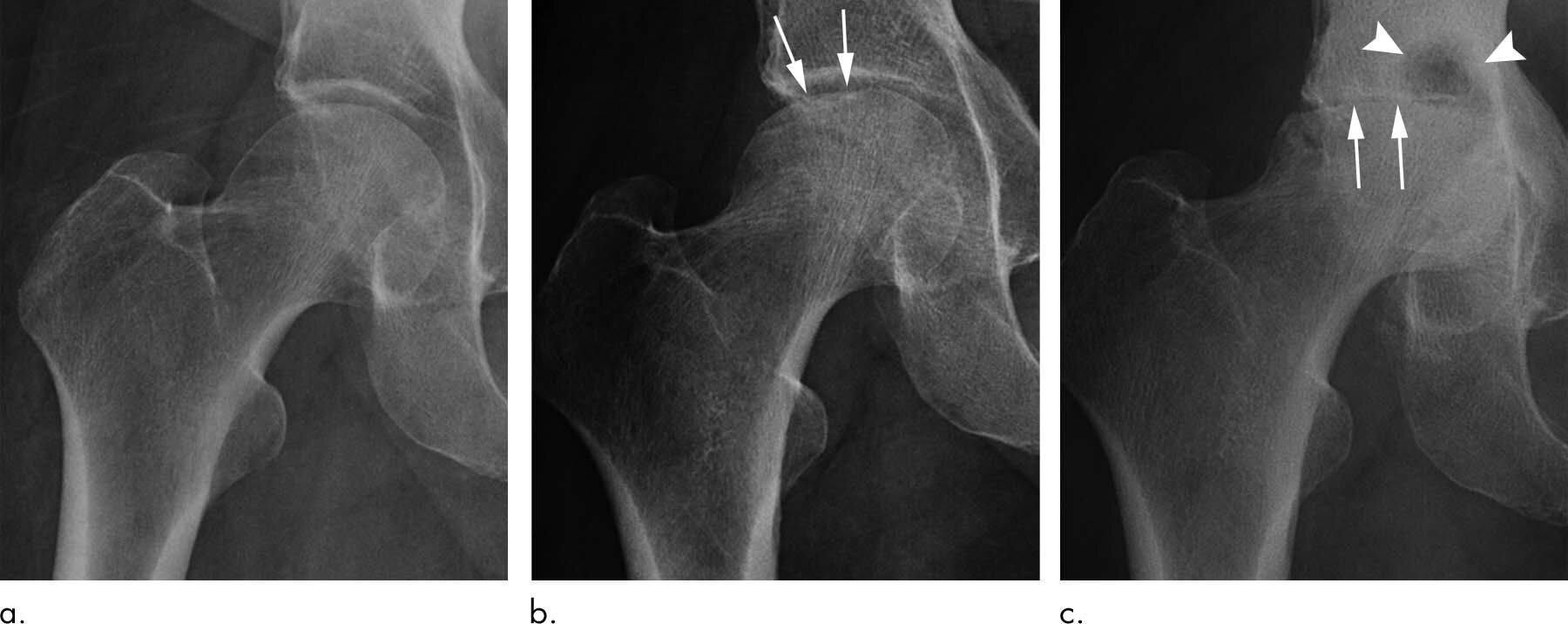
Corticosteroid injections used to treat osteoarthritis pain in the hip and knee may be more dangerous than previously thought, according to a special report published in the journal Radiology. Researchers suggested that injection-associated risks like rapid progressive osteoarthritis, which eventually may lead to joint collapse, should be integrated into consent forms so that patients are aware of the potential risks associated with these treatments.

Osteoarthritis of the hip and knee are common and debilitating joint disorders. Physicians often inject anti-inflammatory corticosteroids into the joint to treat the pain and swelling associated with osteoarthritis. The procedure is widely viewed as safe, and patient consent forms mainly mention the risks of hemorrhage and infection among more rare side effects associated with most needle-based procedures.

Comment: See also:


Alarm Clock

The disease that kills by stealing sleep - fatal familial insomnia

Fatal familial insomnia
© Rachata Teyparsit/Shutterstock
A brief bout of insomnia can be maddening. You know what it feels like. We all do. Lying awake chasing feverish thoughts from our minds while the slow tick of passing minutes compounds sleep-stealing anxiety.

For most of us, these episodes are a brief interruption to our sleep schedules. Others experience more persistent insomnia, but at a level that's often manageable. But for a very rare group of people with a frightening disease called fatal familial insomnia (FFI), the sleep loss can be deadly.

When Sleep Deprivation Kills

Medical reports of the disease first surfaced in the 1980s, after an Italian man named Silvano presented himself to neurologists with a dire prediction: He was going to die soon, and he knew how it would happen.

It was no hyperbole — Silvano's two sisters had recently died from a strange disease that robbed them of their ability to sleep. He had just experienced the same symptoms that kicked off his siblings' spirals into fatal insomnia.

The hallmark of FFI is contained in the name. What starts as difficulty sleeping gradually progresses to a complete inability to fall asleep. Sleeping medications don't seem to help much — even with a pharmaceutical push, the brain cannot cross the threshold into sleep.

Silvano's pronouncement turned out to be true; he was soon dead. As writer D.T. Max chronicles in his book The Family That Couldn't Sleep: A Medical Mystery, subsequent studies of Silvano and his family members revealed crucial similarities to a seemingly unrelated disorder: Creutzfeldt-Jakob Disease.

CJD is characterized by memory problems, personality changes and involuntary movements, among other things, and it is eventually fatal. The disease shows up later in life, typically in a person's 50s or later. It's caused by a quirk of biology known as a prion, a misfolded protein, and that's what eventually tipped Silvano's doctors off to the nature of his family's curse.