Health & WellnessS


Cow

Should I eat red meat? Confusing studies diminish trust in nutrition science

steaks
Another diet study, another controversy and the public is left wondering what to make of it. This time it's a series of studies in the Annals of Internal Medicine by an international group of researchers concluding people need not reduce their consumption of red and processed meat.

Over the past few years, study after study has indicated eating red and processed meat is bad for your health to the point where the World Health Organization lists red meat as a probable carcinogen and processed meat as a carcinogen.

This new study doesn't dispute the finding of a possible increased risk for heart disease, cancer and early death from eating meat. However, the panel of international nutritional scientists concluded the risk was so small and the studies of too poor quality to justify any recommendation.

Comment: See also:


Bug

Tick-borne encephalitis found in UK for first time

A handful of infected ticks are believed to have been found in England
© edelmar/Getty ImagesA handful of infected ticks are believed to have been found in England.
A disease that can harm the brain, and which is spread to humans through tick bites, has been identified in the UK for the first time.

Public Health England (PHE) confirmed the presence of the tick-borne encephalitis virus in Thetford Forest, Norfolk, and on the Hampshire-Dorset border.

PHE said it believed a "handful" of infected ticks had been found in both locations, with only one highly probable case of tick-borne encephalitis so far.

The health body said the risk was very low but it was investigating how common ticks with the virus might be.

The small parasitic arachnids are becoming more common in parts of the UK, mainly due to increasing deer numbers. As well as living on deer, ticks can be found on cats, dogs and urban foxes.

Ticks can also live in undergrowth, and latch on to humans when they walk through long grass.

Cheeseburger

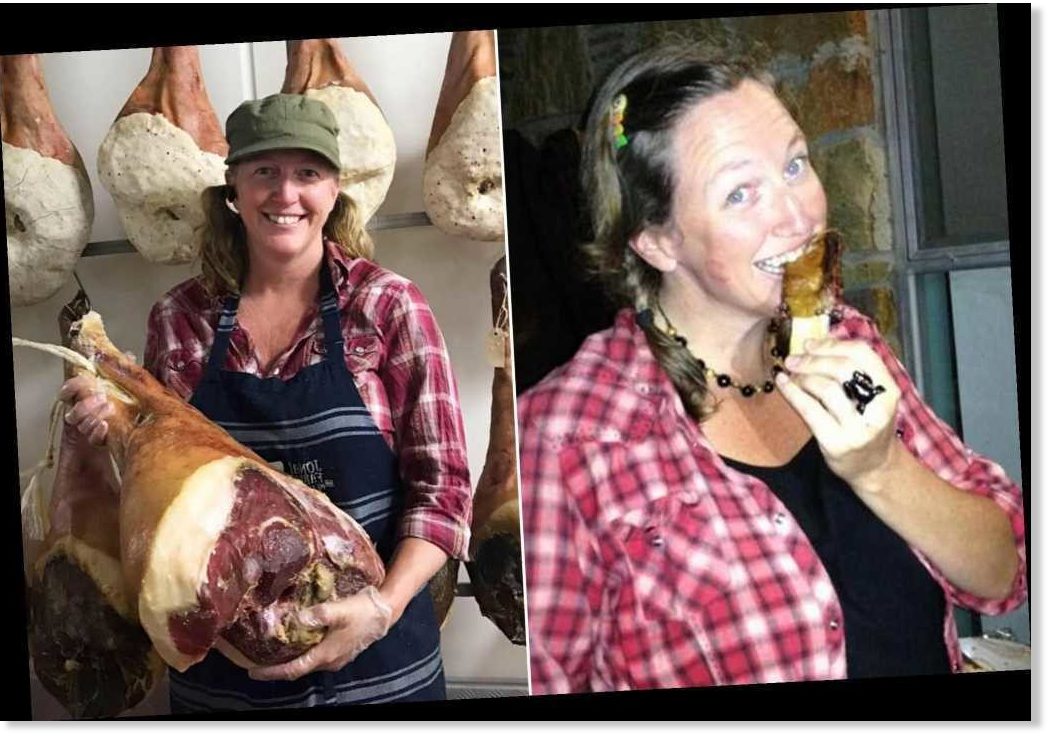
Dangerously anemic vegetarian eats burger, gets back to having meat and becomes a butcher

Tammi Jonas
That must have been some burger!

Tammi Jonas, a longtime vegetarian living in Victoria, Australia, had a surprising — but undeniable — craving for a hamburger while pregnant with her third child. Just one prime patty after many meat-free years.

Now, she's a professional butcher and a pig farmer.

The 49-year-old stopped eating meat when she was 19 — after reading Australian philosopher Peter Singer's book "Animal Liberation," published in 1975. She maintained her V-card successfully through two pregnancies, but while carrying her third child, she also became "dangerously anemic."

After the iron supplements failed, she pondered if protein would be the best way to get healthy for her and her baby.

"I was at work one day and just thought: 'A burger would fix this,'" Jonas told 10 Daily.

Over time, the reluctant meat-eater gradually worked her way back into an omnivorous lifestyle.

Brain

Keeping your blood sugar in check could lower your Alzheimer's risk

PET scan sugar brain
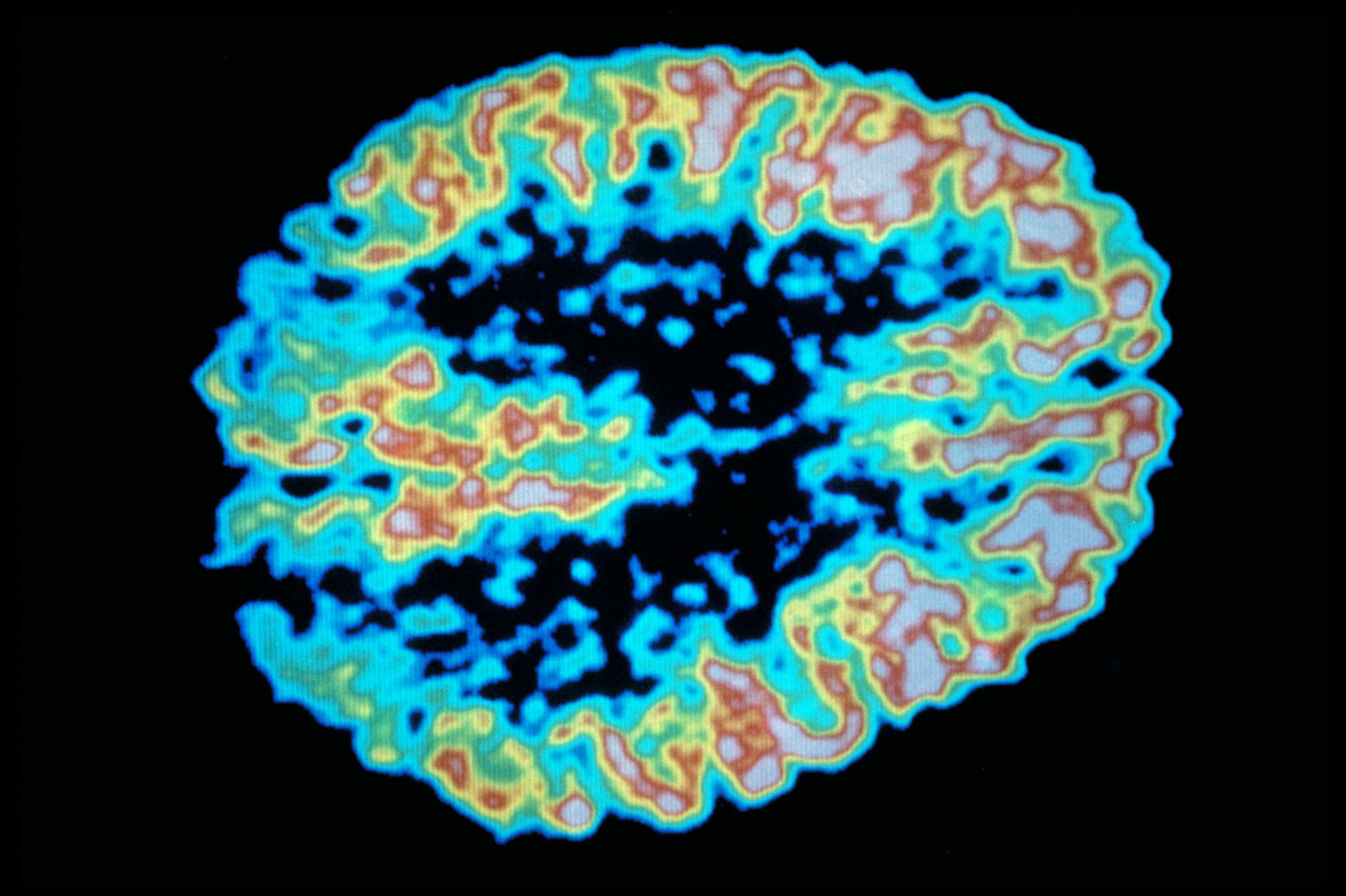
© Science SourceA PET scan shows metabolism of sugar in the human brain.
Brain scientists are offering a new reason to control blood sugar levels: It might help lower your risk of developing Alzheimer's disease.

"There's many reasons to get [blood sugar] under control," says David Holtzman, chairman of neurology at Washington University in St. Louis. "But this is certainly one."

Holtzman moderated a panel Sunday at the Society for Neuroscience meeting in Chicago that featured new research exploring the links between Alzheimer's and diabetes.

Comment: See also:


Shoe

Exercise lowers your odds of getting cancer

exercise stretching
Exercise can work wonders for your health, including strengthening your muscles and bones and boosting your metabolism, mood and memory skills. Staying active may also help to lower your odds of developing cancer, according to the National Institutes of Health.

Recent research shows that physical activity is associated with reduced risks for seven common types of cancer: colon, breast, kidney, endometrial, bladder, stomach and esophageal adenocarcinoma. They also found that exercise before and after a cancer diagnosis led to improved survival among people with breast, colorectal or prostate cancers.

In another study, a person's estimated age based on an exercise stress test was a better predictor of mortality, as compared to chronological age, while another study found adding exercise of any type reduced the risk of early death.

Comment: See also:


Bullseye

The best exercises based on genetics for mental health

Hiking
Different strokes for different folks! Not all exercise is created equal - and not everyone responds the same way.
Have you ever wondered why you are attracted to certain types of exercise? Do you need a thrill through risk-taking activities? Competitive sports or races? A solo trek on a trail or in the weight room? Do you feel your best with endurance exercise like running, swimming and biking? When you get stressed, do you have a physical outlet? The best exercises for mental health actually have a genetic basis, with genetic testing helping you develop a custom workout routine.

Perhaps one aspect of this attraction is a proclivity to certain activities based on your natural ability. If you are good at something, you are more likely to be consistent with it and enjoy it. However, there is another aspect that is more physiologically unconscious. Our brain may be directing us through a "craving" for certain activities to balance our neurotransmitters.

For some people, there is an intuitive ability to find a healthy, physical, epigenetic outlet to balance their minds. Others may fall victim to abusing drugs and alcohol. The key is learning how your individual brain works so that if you are not applying these principals intuitively, you can learn how to incorporate the right type of exercise to balance your brain.

Comment: If you don't have the inclination or it's too expensive to go for genetic testing, simply look at the symptoms involved in each subgroup and intuitively follow what makes the most sense for you based on what you're experiencing. At the end of the day, awareness is the key and paying attention to how you respond to activities, environments and situations can help guide your decisions. See also:


Beaker

Chemicals in consumer products linked to lower IQs in children

pregnancy chemical exposure
© Pixabay/Getty Images


Scientists find common chemicals can negatively impact pregnant women.


Researchers found that exposure to certain chemicals in consumer products during the first trimester of pregnancy is linked to lower IQ in children by age 7. Among the first of its kind, the study, carried out by scientists from the Icahn School of Medicine at Mount Sinai and Karlstad University, Sweden, linked mixtures of suspected endocrine-disrupting chemicals to prenatal neurodevelopment.

The research analyzed data from SELMA, a study of Swedish mothers and children during the first trimester of pregnancy, measuring 26 chemicals in the blood and urine of 718 mothers. The chemicals included bisphenol A (BPA), commonly found in plastic food and drink containers, as well as pesticides, phthalates, and others. Some of the 26 are established to affect the endocrine (hormone) activity while others are suspected to do so.

Comment: See also:


Cheeseburger

Impossible Burger: Here's what's really in it

impossible burger
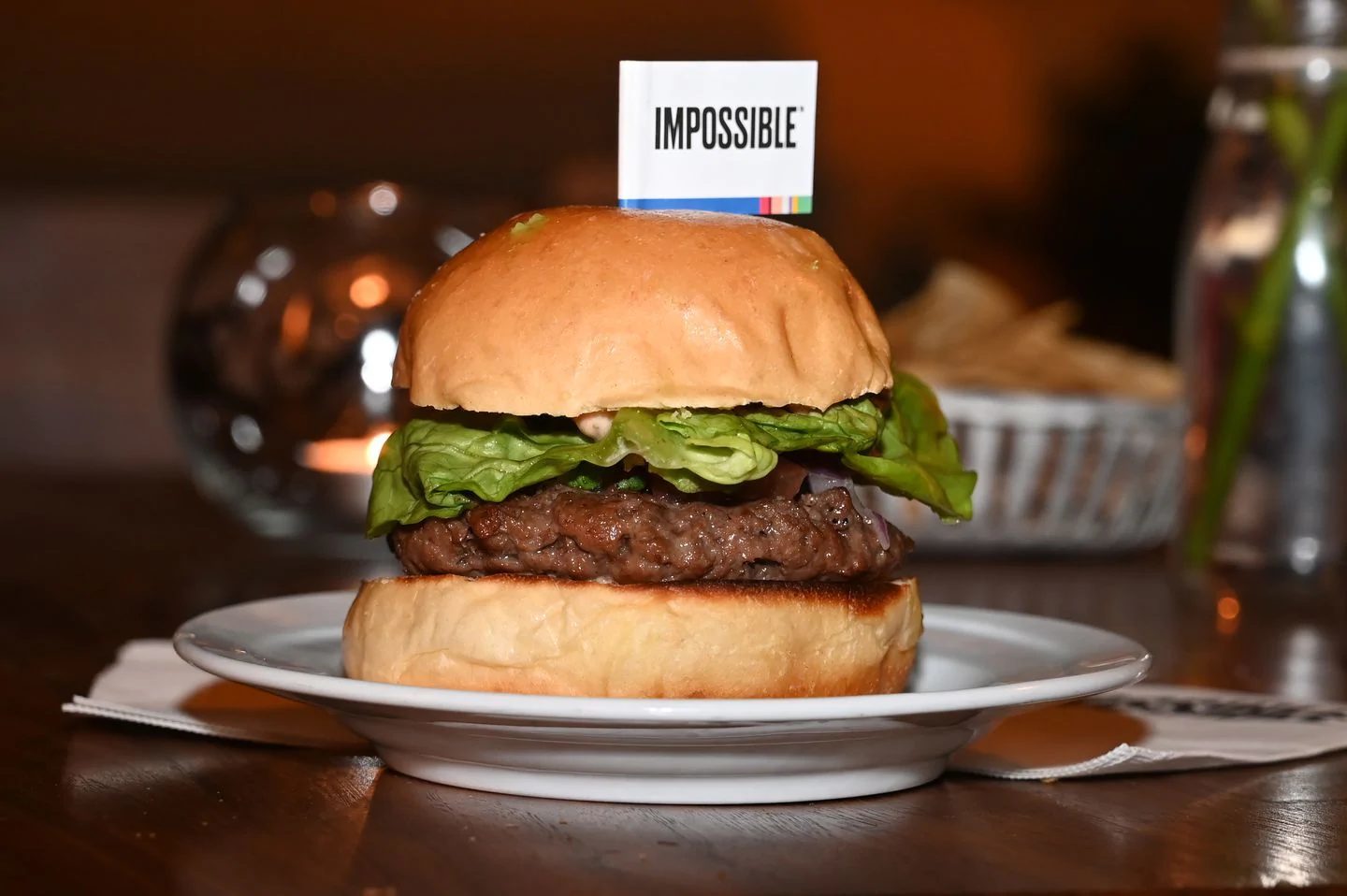
© Robyn Beck/AFP/Getty ImagesA new version of the Impossible Burger is unveiled during a January event in Las Vegas.
Plant-based meat burst onto the international stage this year, with a dramatic IPO from Beyond Meat and the Impossible Burger making its way into 17,000 restaurants in the United States, Hong Kong, Singapore and Macao, and retail outlets such as Wegmans, Gelson's and Fairway Market.

The product label is a long list of tough-to-pronounce ingredients — which meat advocates have seized on to assert that plant-based meat is highly processed.

This month, the Center for Food Safety, a watchdog group that opposes genetically engineered foods, called on the Food and Drug Administration to recall the Impossible Burger product from grocery stores, citing safety concerns because of its use of genetically engineered heme, an iron-rich molecule found in meat and plants, for use as a color additive.

Comment: The above gives only a sampling of the horrifying ingredients of what the fake meat peddlers are offering. While it tries to give it a positive spin, anyone with a little bit of knowledge on nutrition, and specifically the detrimental effects of processed foods, it's all rather transparent. Fake meats are a total clown show.

See also:


Brain

Understanding chronic pain: The mind-body connection

Mind-body connection
Dr. Howard Schubiner discusses the how chronic pain can be devastating, but that it is often not what it seems. Pain can be caused by tissue damage, however many people with chronic pain have no tissue damage. Their pain is caused by learned nerve pathways which are explained in this video.

Stress and emotional reactions to stressful life events can produce nerve pathways of pain, fatigue, insomnia, anxiety and depression. Learned nerve pathways can be reversed as described in this video:

About The Author

Howard Schubiner, MD, is the founder and director of the Mind-Body Medicine Center at Providence-Providence Park Hospital. A protege of Dr. John Sarno, author of The Mind-Body Prescription. Dr. Schubiner has developed an innovative and effective program to help many patients find relief from their chronic pain.

Comment: See also:


Health

What the world needs: Safe, affordable and effective medicines

Essential nutrients
Humans are more like plants than any doctor wants to admit. We too need light, water, oxygen, CO2 and minerals. Minerals are the building blocks of our bodies.
If one has a heart, for humanity, one would choose a list of affordable medicines that are safe and easy to administer so that even the poor could afford them. It is highly insensitive for modern medicine to promote medicines that most people cannot afford. The worst examples of this are the new medicines oncologists are beginning to use, instead of chemotherapy, that stimulate the immune system. It does not help the competition between modern pharmacology and the natural medicines we are presenting here that most pharmaceuticals are mitochondria poisons that do not cure people of anything.

The key factors in choosing medicines for the world would be their affordability, accessibly, their strength and effectiveness. The most basic medicines on our list are all natural medicines like sodium bicarbonate, magnesium chloride, selenium, sulfur, zinc, boron, potassium bicarbonate, boron, zinc and iodine. Together they will out perform any drug or combination of drugs. Though all minerals, when concentrated, they can be turned into potent medicines that pull their weight in ICU, emergency rooms and even in ambulances.

Humans are more like plants than any doctor wants to admit. We too need light, water, oxygen, CO2 and minerals. Minerals are the building blocks of our bodies. They are required for body structure, fluid balance, protein structures and to produce hormones. They are a key for the health of every body system and function. They act as co-factors, catalysts and are needed all enzymes in the body.