© Getty Images
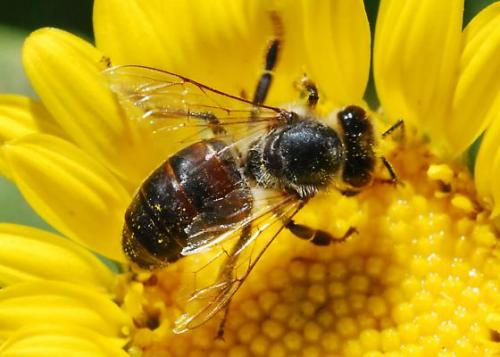
It may seem counterintuitive to think that something with the word "pollen" in its title may actually be a powerful tool for combating pollen and other allergies. Yet the supporting evidence of bee pollen's prowess in helping people overcome seasonal and other allergy related conditions is impressive. In the early 90's, Senator Tom Harkin of Iowa became an advocate for natural health, crediting bee pollen with helping him alleviate symptoms related to his own seasonal allergies.
Allergies result from our body's response to something it has been exposed to, such as chemicals, by-products of the natural world, things we eat, drink, or breathe, or anything that comes in contact with our skin. If the body reacts adversely, such as the case with allergies, the body will release antibodies or histamines. This response is how the immune system attempts to remove or marginalize the impact of the foreign body. With allergies, the body can develop a chronic histamine response, resulting in inflammation throughout the body's skin, membranes, tissues, lungs, etc.
A look at bee pollen's nutritional composition shows that it is comprised of approximately 35% protein, including all 22 known amino acids found in the body. It is also rich in vitamins, (particularly B vitamins), all 28 minerals found in the body (especially zinc), and is loaded with health-promoting enzymes, something largely lacking in the Standard American Diet(S.A.D.). One nutrient of particular importance is quercetin. Known for its ability to minimize or neutralize the histamine response, quercetin may be a primary reason for bee pollen's capacity to alleviate inflammation caused by hay fever or other common allergy-causing substances.