OF THE
TIMES

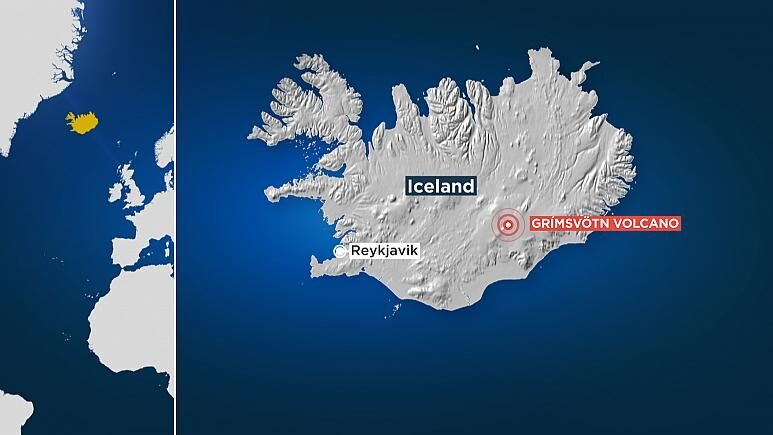
The meltwater rate has been increasing since the last update. The IMO's hydrologists measured 1600 cubic meters per second at 10:15 and 12:20 local time today in Gígjukvísl.The following tweets, translated by Twitter, show the flooding, deformation, and melt at Grimsvötn volcano:
The latest measurements confirm estimated forecasts and if continue to be in line with them, the glacial flood will likely reach its peak on Sunday. Based on the latest data, the maximum discharge rate is expected to be about 4000 m3/s.
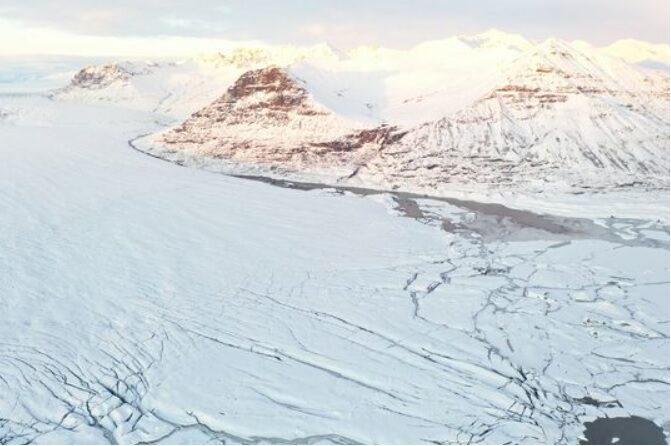
The ice sheet has continued to drop and reached already about 27 m in total subsidence.
Higher-than-usual gas emissions levels have been detected at the glacier rim of the volcano.
Recent eruptions at the volcano occurred every 5-10 years and based on current measurements and observations, volcanologists agree that an impending eruption is highly expected.
'The water that was under the glacier that covers the volcano Grímsvötn , began to come out. A Jökulhlaup began to be created that rose more than 4 m, it is a matter of days before we begin to see columns of steam and ash in the main crater.'Whilst Grímsvötn volcano may be considered to erupt with some regularity, this comes amidst an uptick of seismic and volcanic activity elsewhere in Iceland, as well as across much of the planet:
1st Tweet: 'The last flyby of the ice cap at Vatnajökull shows that part of the ice sheet covering the volcano's craters Grímsvötn is collapsing. The volcanic danger traffic light has been raised to orange due to the recent earthquakes and collapses.'
2nd post: 'The boiler limits of Grímsvötn also show shear and collapse effects. After the water comes out, the volcanic system is losing pressure which may generate an eruption in the next few days, creating plumes of steam and ash.'

Comment: In the same region of Europe: Heavy snowfall hits the north of Spain with more than 60 cm (24 inches) in just 6 HOURS