
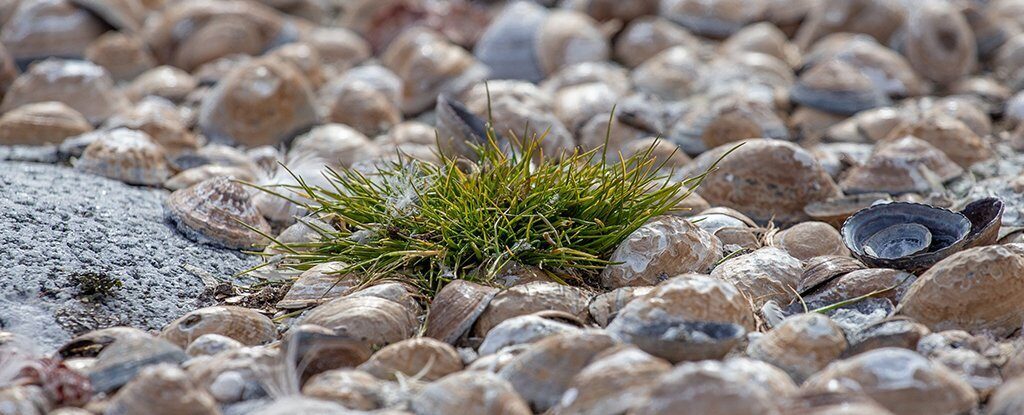
© (Nature/iStock/Getty Images Plus)Deschampsia antarctica is spreading.
A new study of this plant expansion looked at the two flowering plants native to Antarctica, Deschampsia antarctica and Colobanthus quitensis. Researchers measured the growth and expansion of these plants on a small subantarctic island called Signy Island from 2009 to 2019.
Both plants grew faster each year as temperatures rose - which the team puts down to warming summer air and a drop in the plant-trampling fur seal population, which could be down to food availability and sea conditions.
Comment: This study actually conflicts with another that showed summer temperatures have been dropping, and to such an extent that the regions moss forests were declining. That said, even if temperatures were anomalously higher in summer, recent winters have seen record ice growth and cold temperatures; last winter in particular was the coldest on record: Global Warming? South Pole just underwent its coldest 'winter' in recorded history
Further, the reduction in the presence seal population - who may have simply moved to other areas that are more accommodating, with more abundant food sources - may be yet another sign of the overall cooling in the region. A study of Antarctica's Adelie penguins found that they were in fact happier in regions with less sea ice, not more: Antarctica's Adélie penguins happier with less sea ice, research shows ice is growing



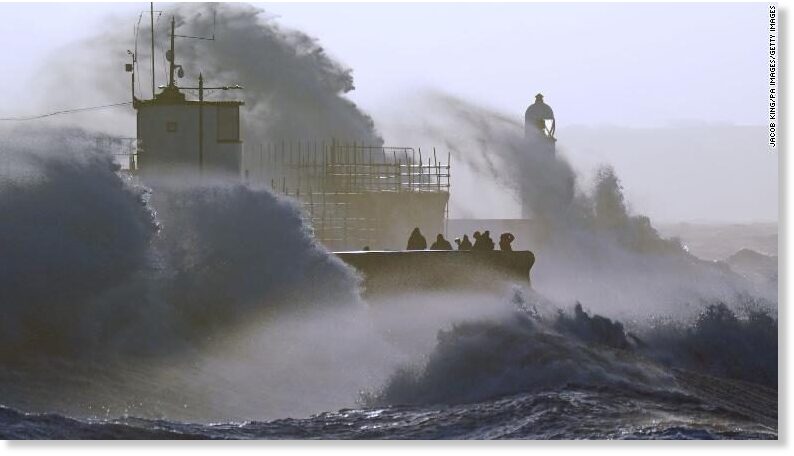












Comment: There is yet another factor to consider, not acknowledged in the above study, which is undersea volcanic heating: Volcanoes melting West Antarctic glaciers, 3 new studies confirm
See also:
- The Seven Destructive Earth Passes of Comet Venus
- Ozone hole above Antarctica is one of the largest ever, it's still growing, and may be linked to the COOLING stratosphere
- Cosmic climate change: 'Space plasma hurricane' observed in ionosphere above North Pole!
- Gulf Stream System at its weakest in over a millennium, last significant decline recorded during the little ice age
And check out SOTT radio's: