Earth ChangesS


Seismograph

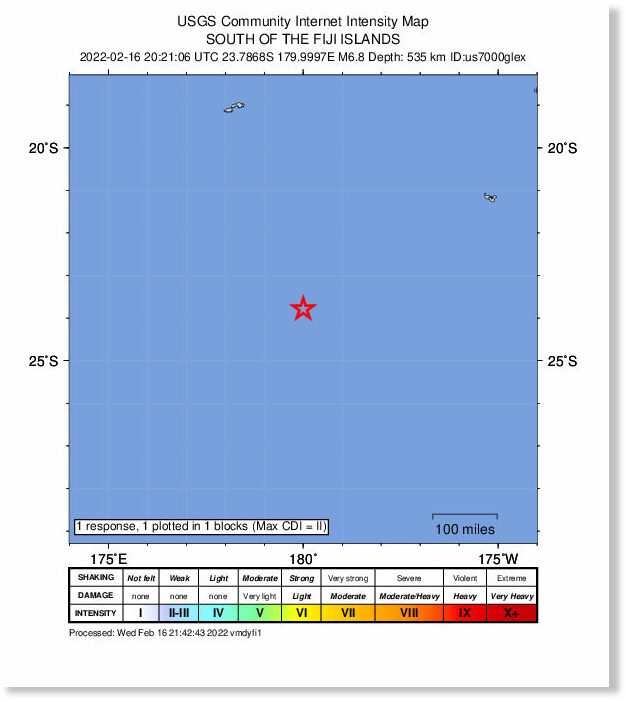
No tsunami threat to Hawaii following 6.8-magnitude earthquake south of Fiji

fiji
There is no tsunami threat to Hawaii following a 6.8-magnitude earthquake just south of Fiji. The earthquake occurred at 10:21 a.m. Hawaii standard time.

"A destructive Pacific-wide tsunami is not expected and there is no tsunami threat to Hawaii," according to a statement from the Pacific Tsunami Warning Center in Honolulu.

Bizarro Earth

Record-breaking rogue wave recorded off the coast of Vancouver Island

Researchers have announced that a 17.6 meter rogue wave - the most extreme rogue wave ever recorded - has been measured in the waters off of Ucluelet, B.C.
Rogue Wave Simulation

The rogue wave, which measures as high as a four-story building, was recorded in November 2020 by Victoria, B.C.-based MarineLabs Data Systems (MarineLabs). It is the subject of a scientific report by Dr. Johannes Gemmrich and Leah Cicon, both of the University of Victoria, published last week in the journal, Scientific Reports.

Rogue waves are defined as waves with a height more than double that of other waves occurring around them. Also known as freak or killer waves, their tendency to occur unexpectedly and with huge force makes them especially dangerous.

The first rogue wave ever measured occurred off the coast of Norway in 1995. Known as the 'Draupner wave', it measured 25.6 meters in a sea state with wave heights of approximately 12 meters - two times the size of those occurring around it. The wave recorded by MarineLabs in Ucluelet was 17.6 meters in a sea state with wave heights of approximately 6 meters - nearly three times the size of the waves around it.

"Proportionally, the Ucluelet wave is likely the most extreme rogue wave ever recorded," says Gemmrich, who studies large wave events along BC's coastlines as part of his work as a research physicist at the University of Victoria. "Only a few rogue waves in high sea states have been observed directly, and nothing of this magnitude. The probability of such an event occurring is once in 1,300 years."

Seismograph

6.2 magnitude earthquake hits Guatemala

A car crushed by falling debris from a collapsing building in Guatemala's Totonicapán city
A major earthquake measuring 6.2 in magnitude has struck Guatemala reducing buildings to rubble.

The quake hit the Central American nation on Wednesday morning, with the epicentre in Nueva Concepción, the European Mediterranean Seismological Centre (EMSC) said.

It was at a depth of 96 km (60 miles), EMSC said.

The initial tremor was felt at 1.12am local time, before two aftershocks followed at 1.50am and 1.56am, measuring 5 and 4.8, according to reports.

An image of a car having been crushed by falling debris from a collapsing building was taken in Totonicapán city this morning.

While other snaps show rocks having fallen across a road and emergency workers digging through rubble.


Cloud Lightning

Lightning strike kills 3 choir members in Zambia

lightning
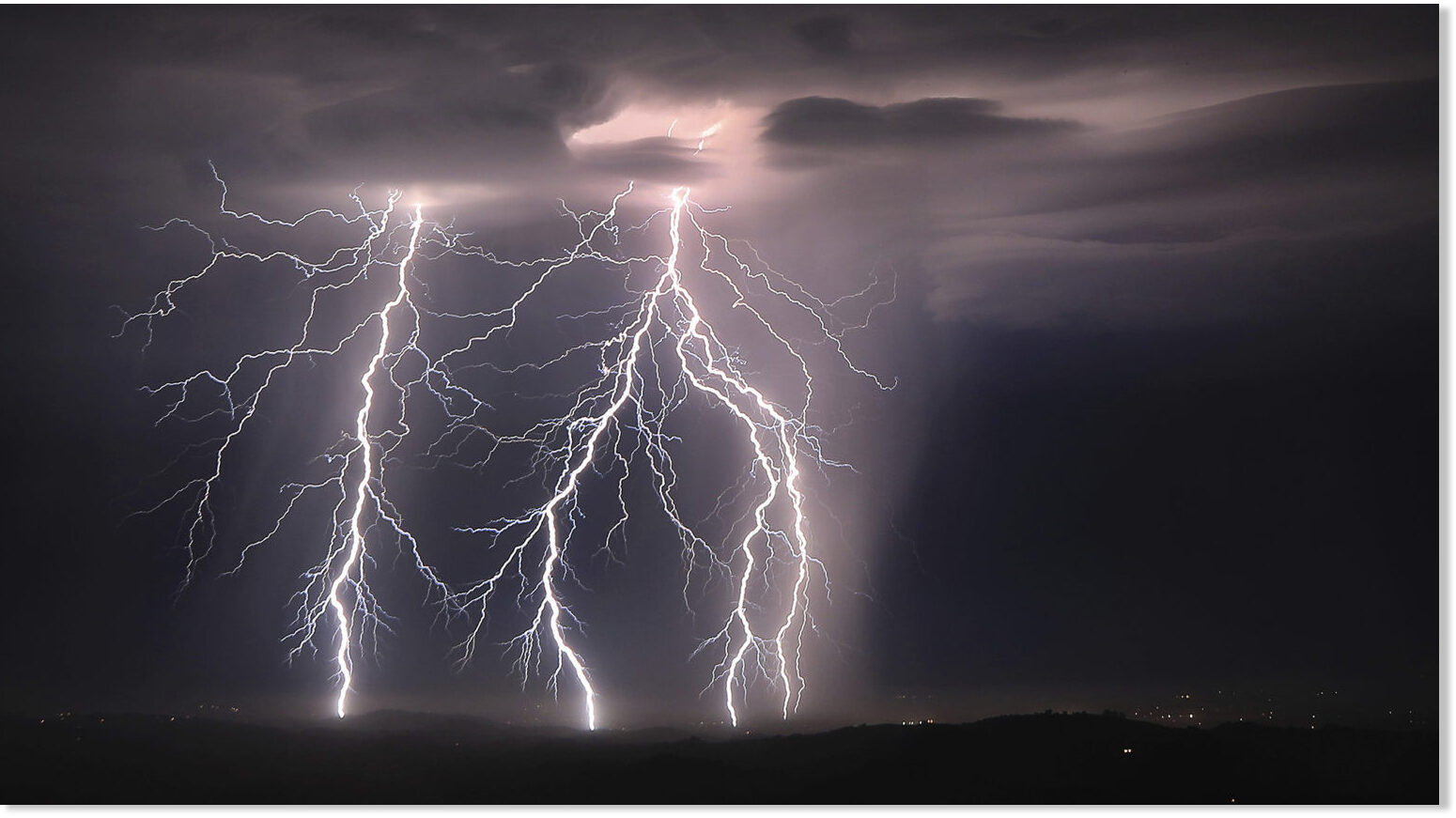
THREE church choir members have died while six others are nursing serious injuries in Isoka after being struck by lightning during rehearsals in their place of worship.

The dead have been identified as Kaira Kondwani, 26, Gift Sikanyika, 16, and Violet Namunkondya, 8.
Survivors are Sunday Sikanyika, of unknown age, Eness Nankole,18, Temwa Nakaira, 20, Gift Mutambo,28, Joel Kaira, 21, and Evans Simukoko, 22, all of Nachibule village.

Muchinga Province deputy police commanding officer Lucky Munkondya said in a statement yesterday that lightning struck the victims on Sunday between 16:00 hours and 20:00 hours.

Sun

The intense dry spell in the US west is worst 'megadrought' in 1,200 years, new study says

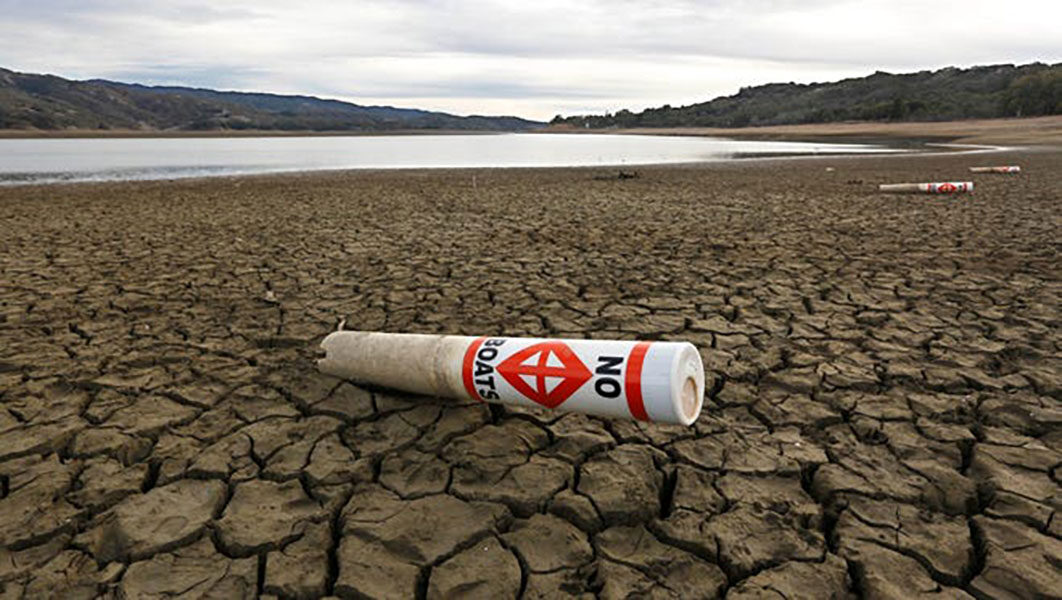
A warning buoy sits on the dry, cracked bed of Lake Mendocino
© Rich Pedroncelli, APA warning buoy sits on the dry, cracked bed of Lake Mendocino on Feb 4, 2014. near Ukiah, Calif. Megadroughts could plague much of the USA because of the climate change, according to the study.
The intense dry spell that has parched the western U.S. the past 22 years is the region's worst "megadrought" since at least the year 800, a new study says.

Megadroughts, which are defined as intense droughts that last for decades or longer, once plagued western North America. Now, thanks in part to global warming, an especially fierce one is back.


Comment: It is now well known fact that a global warming is just a fiction. At the same time it is true that the climate of all other planets in the solar system is changing. No one is burning fossil fuels on Mars or Venus.


The study, published Monday in the peer-reviewed British journal Nature Climate Change, said that more than 40% of the drought can be blamed on human-caused climate change.


Comment: Climate change is a natural process. Humans have almost zero influence on it.


Comment: See also:


Cloud Precipitation

Cyclone Dovi floods Vanuatu & New Caledonia before hitting New Zealand

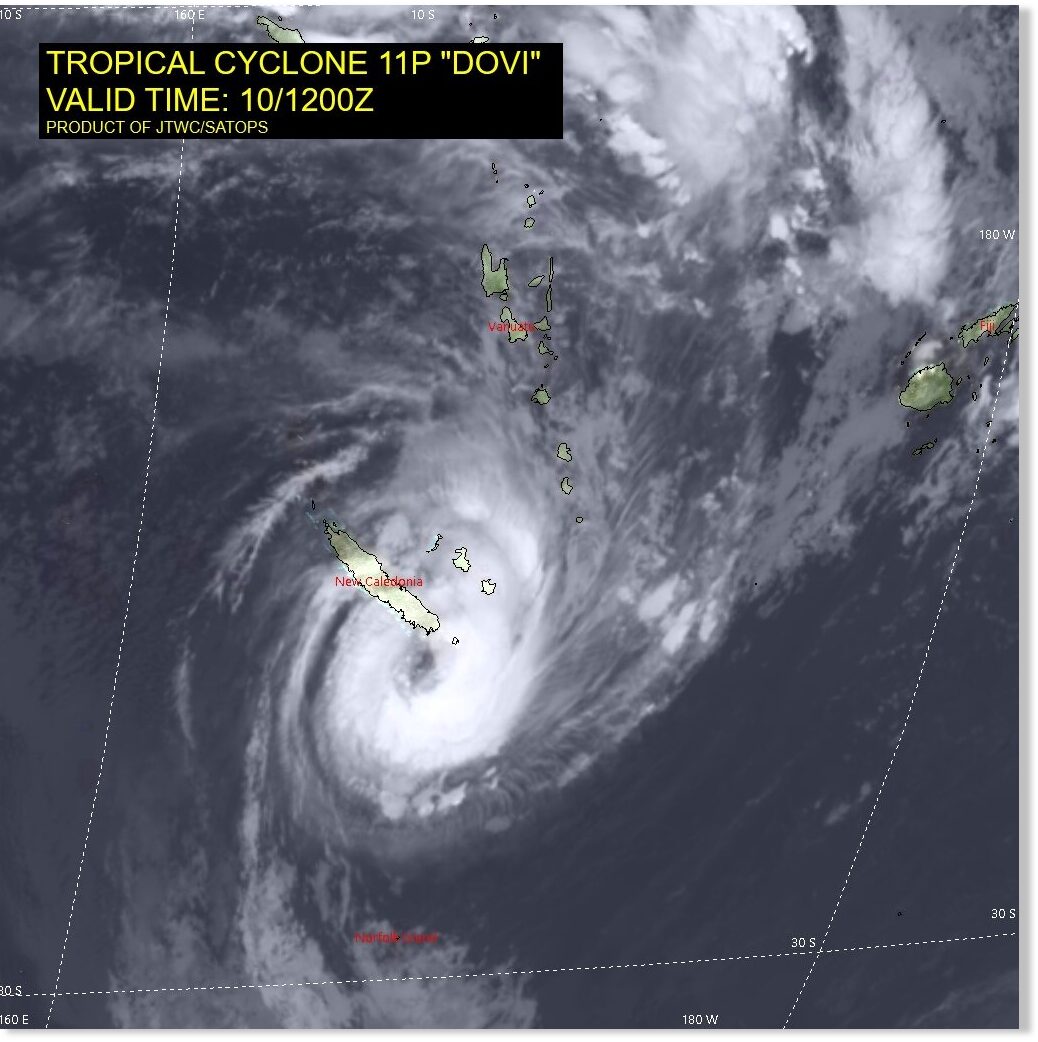
Satellite image Tropical Cyclone Dovi
Tropical Cyclone Dovi impacts islands in the South Pacific on February 10th 2022.

The Cyclone formed from a tropical depression near Vanuatu and New Caledonia, with winds measuring around 90 kilometers per hour.

Those islands have seen high winds and heavy rain over previous days, causing floods and tidal surges in coastal areas. Rivers have also overflowed, flooding low lying regions.


Cloud Precipitation

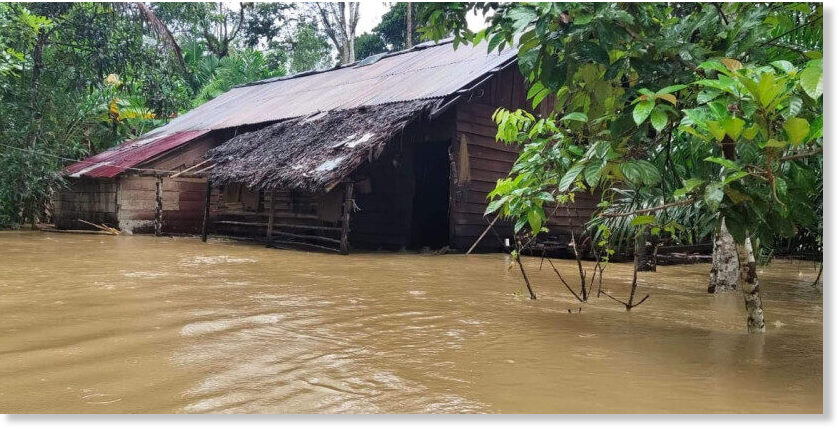
Over 16,000 affected by floods in West Kalimantan, Indonesia

Floods in Ketapang Regency, West Kalimantan, February 2022
© BPBD Ketapang RegencyFloods in Ketapang Regency, West Kalimantan, February 2022
Disaster authorities in Indonesia report widespread flooding in Ketapang Regency, West Kalimantan Province from 12 February 2022.

Indonesia's National Agency for Disaster Management (BNPB) said flooding affected 6 villages in Simpang Hulu district. Flood waters were up to 1.2 metres deep in some areas. BNPB said 4,679 households were affected, totalling 16,811 people. A school and public buildings and facilities were also damaged. There were no reports of evacuations or fatalities.


Boat

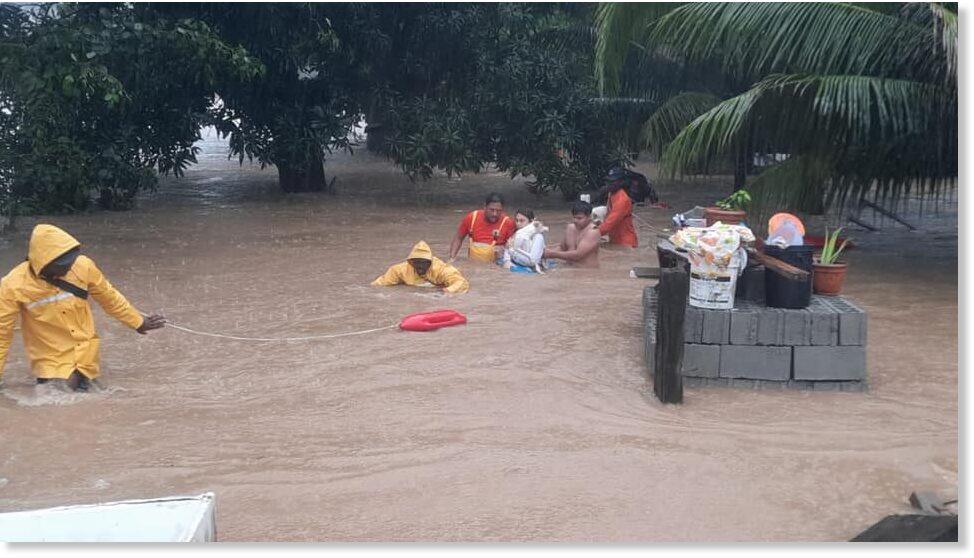
Hundreds of families evacuate floods in Atlántida, Honduras

Evacuations after floods in Tela, Atlántida, Honduras, 14 February 2022.
© COPECOEvacuations after floods in Tela, Atlántida, Honduras, 14 February 2022.
Hundreds of families have evacuated their homes after flooding in Atlántida department on the north Caribbean coast of Honduras.

Yellow alerts were issued on 14 February 2022 for heavy rainfall in Cortés, Atlántida and Islas de la Bahía.

The Leán river broke its banks in Arizona municipality in Atlántida, completely blocking the CA 13 road between Tela and La Ceiba. Furthermore flooding damaged or threatened around 500 homes in the area and at least 300 families were evacuated according to local authorities. Flooding also affected some neighbourhoods in the city of Tela where 110 families were evacuated.


Arrow Down

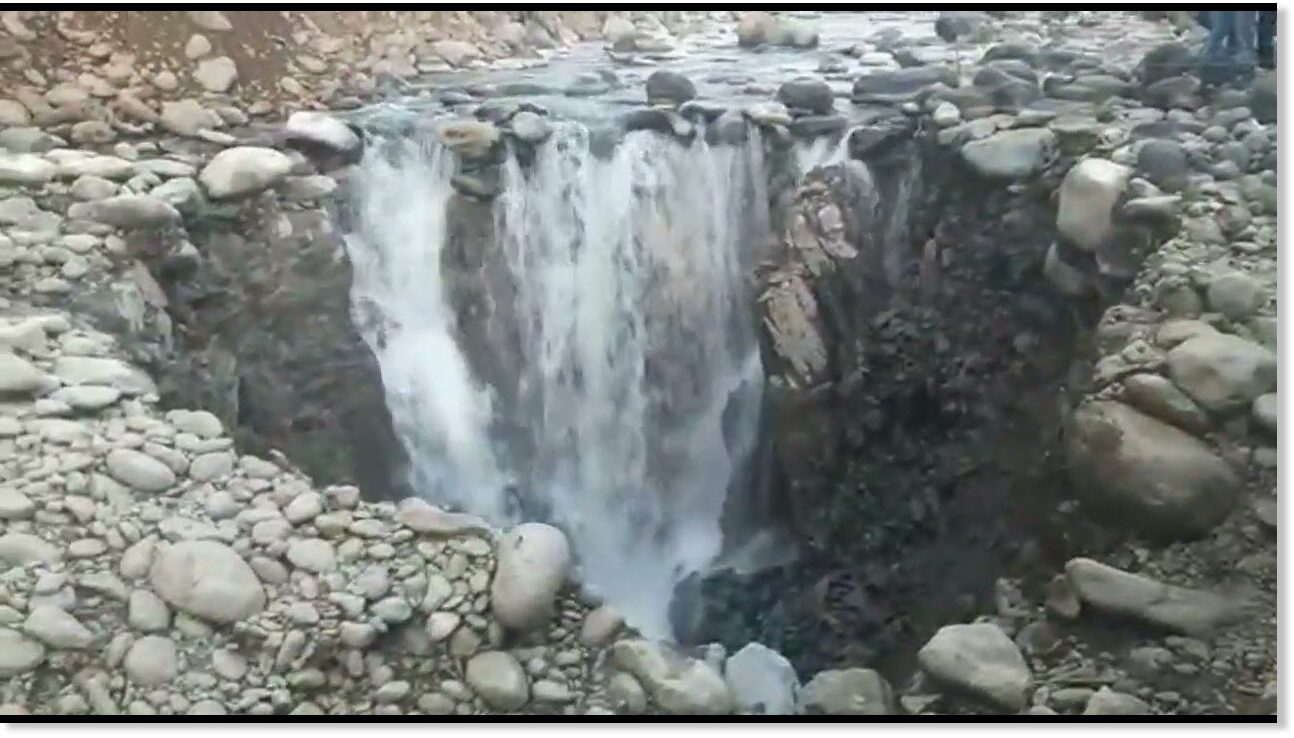
Famous Kashmir trout stream vanishes into sinkhole

River goes underground in Kokernag Anantnag
River goes underground in Kokernag, Anantnag
A famous Kashmir trout stream has vanished into a sinkhole spreading fear in the south Kashmir Kokernag area. The famous Brengi stream in the Kokernag area of Anantnag district has been draining into a sinkhole leaving the rest of the stream dry during the last two days.

Brengi stream is one of the most famous trout angling streams which is sought after by anglers for its brown trout species. Two days back, a huge sinkhole developed in the stream which has been draining all the run of the stream water into it.

This has left the downstream portion dry killing trout fish in large numbers. District authorities said around 50 cusecs of water was draining into the sinkhole at the moment. It must be recalled that in winter all the streams and rivers in the Valley have minimum discharge. Authorities have imposed section 144 CrPc in the area to prevent people going closer to the sinkhole since scores of locals have been visiting the place to see the disturbing sight.


Source: IANS

Tornado2

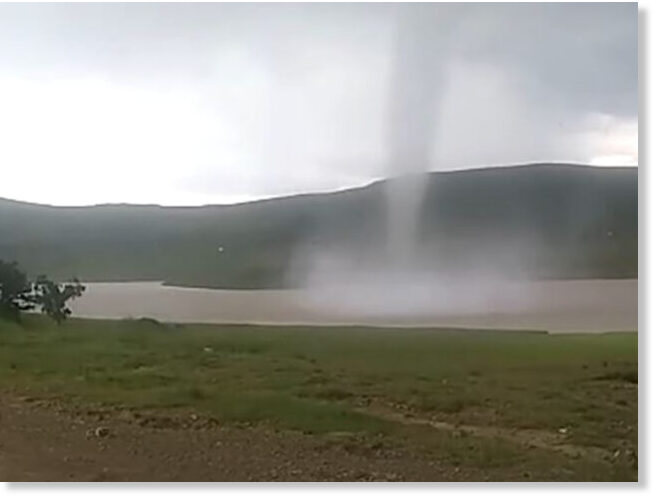
Rare waterspout phenomena in Eastern Cape, South Africa

waterspout
Villagers in Cofimvaba in the Eastern Cape have been left gobsmacked after recently being treated to a rare sighting of a waterspout weather phenomenon.

Videos showing a breath-taking whirling column of air and water mist circulating over Ncorha dam at Covimvaba's Nququ Village went viral on social media.

In one video, villagers can be heard screaming, claiming it was magic or a signal for the end of the world.

Villager Sibusiso Zonke speculated on Facebook saying: "This could be the resurrection of the dead or signs of the return of Jesus. It is clear it will all begin here in Nququ."