Jean d'Amour Mbonyinshuti allafrica.com Fri, 04 Sep 2015 14:59 UTC
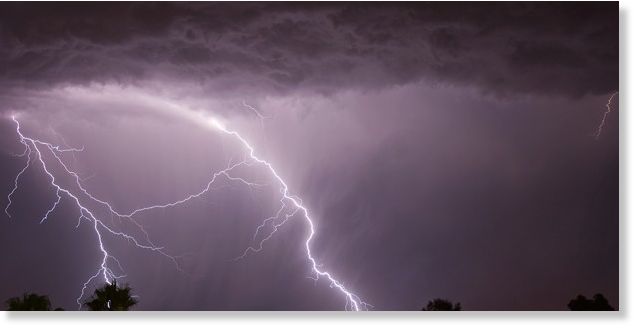
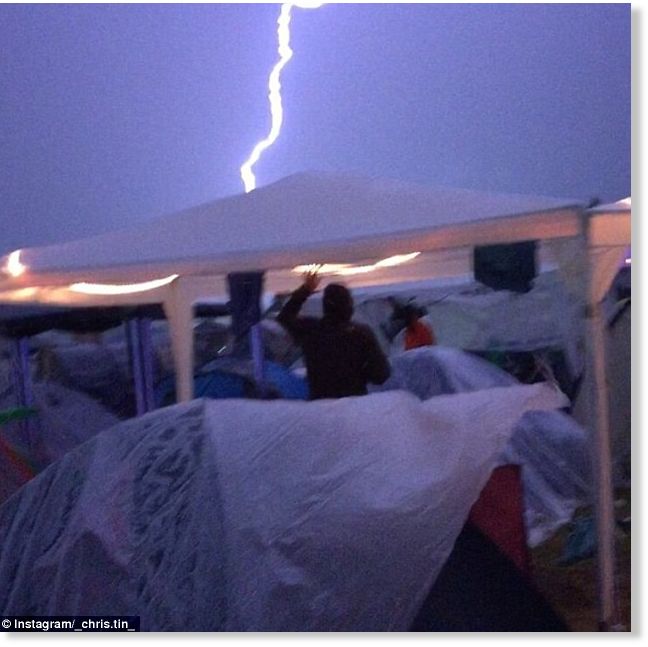
At least ten people have been confirmed dead and over 30 others injured after they were struck by lightning in Western and Northern provinces this evening.
Eight people including five students were killed in Karongi District, one died in Rutsiro District while another victim was reported in Musanze, according to police.
Police said that all that were injured were immediately rushed to hospital.
Inspector of Police Theobald Kanamugire, the western regional police spokesperson, confirmed the deaths of eight people in his jurisdiction but could not give their identities.
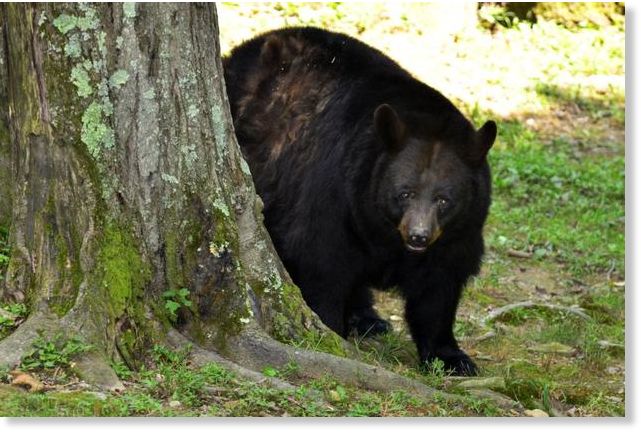
The West Virginia Division of Natural Resources (DNR) has investigated an attack on a man by a black bear in the Mount Nebo area of Nicholas County, West Virginia, according to Colin Carpenter, black bear project leader for the DNR.
On August 26, 2015, a man was knocked down and bitten several times by a female black bear after he had unexpectedly walked up on a cub in the trail. The man fought back aggressively and was able to deter the female bear, according to Carpenter. The man escaped the attack with minor injuries. A lack of physical evidence from the bear and delayed reporting of the attack precluded any attempts to capture the offending animal.
"Bear attacks on humans are rare, but this recent incident should serve to remind people how unpredictable wild animals can be," said Carpenter. "Although this appears to be a defensive attack by a female with young cubs, the fact that the man fought back aggressively most likely prevented more severe injuries."
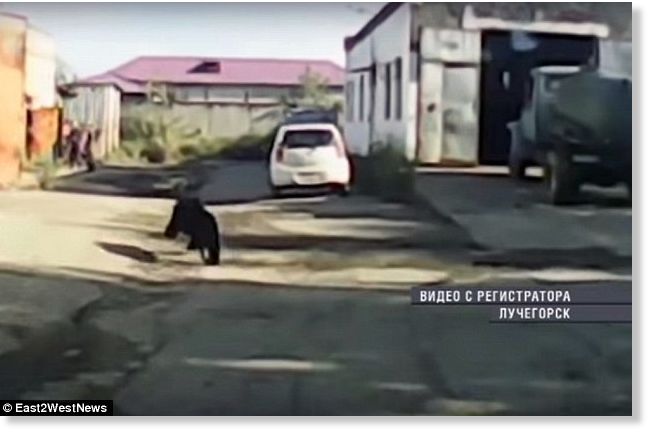
Unwelcome guest: This is one of the bears which has surrounded the town of Luchegorsk, in eastern Russia
A Russian town is under siege from at least three dozen ravenous bears, leaving many locals too terrified to open their doors and go outside.
In a month-long blockade, the hungry beasts have attacked residents in Luchegorsk - population 20,000 - and there are reports of one man being killed.
Inhabitants say at least eight Asian black bears have been shot as they stalk the streets and terrorise the town in the country's extreme east, close to the Chinese border.
One woman likened the bear threat to being under siege from an army.
'Hunters say that they looked at the area from a helicopter - there are crowds of these bears, like army units,' she said.
'We are scared to walk outside.
'All doors are shut in kindergartens, there are written warnings everywhere that walking with kids is allowed only in certain areas.'
John Hutchinson Daily Mail, UK Thu, 03 Sep 2015 13:56 UTC
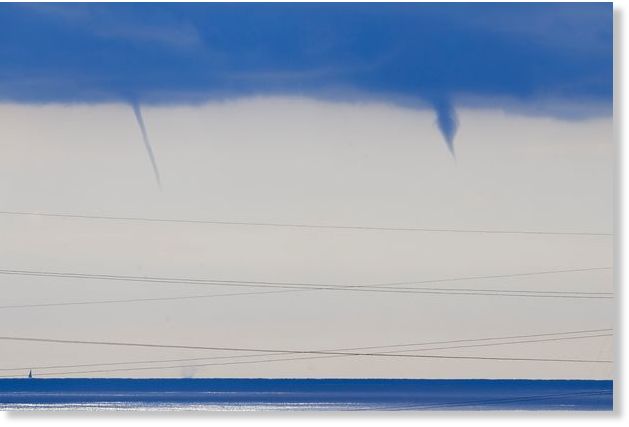
This amazing shot was captured on the coast of Ibiza, showing the tornado stirring up the waters
This shocking video shows the moment a tornado struck the holiday resort of Ibiza as torrential storms swept the island.
Footage, that appears to be shot at a safe distance, shows the swirl of a tornado exiting from a grey sky.
Local news sources reported that there were two tornadoes in Ibiza on Tuesday, one at sea and one inland that hit San Antonio. They appeared during a storm that uprooted trees and damaged power lines and houses.
Harry Russell, who films club nights and weddings in Ibiza during the summer months, was also on hand to capture the phenomenon.
Russell, from Northampton, told MailOnline Travel: 'I was excited when I saw it. My girlfriend and I had a filming job to cover a private villa party then the sunny day turned into a storm in such a short space.
'The weather hasn't been too bad but roughly two weeks ago Ibiza had a massive storm that flooded the town areas.'
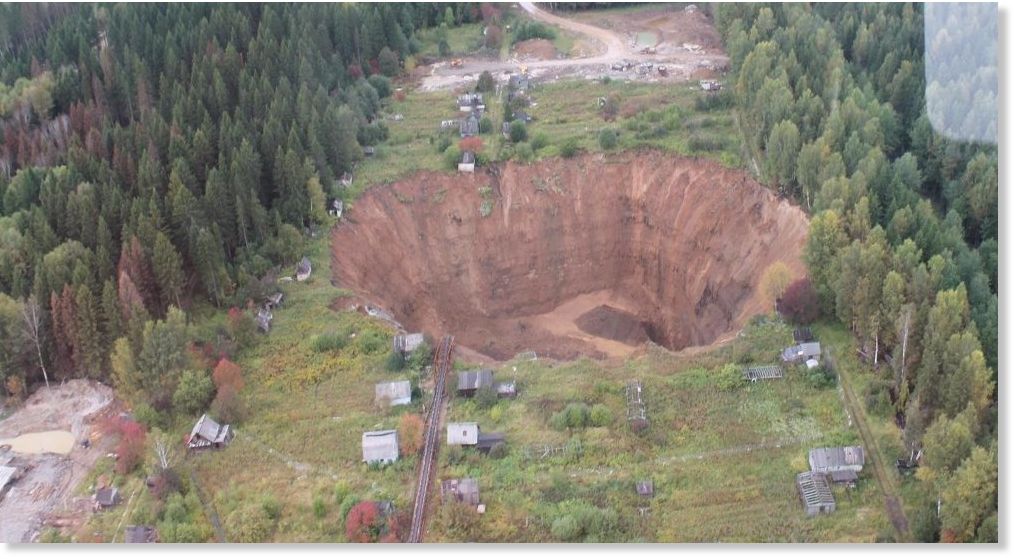
A sinkhole near one of the mines in Russia's Ural Mountains has grown in size at least fivefold since it was first reported last November; the huge abyss keeps swallowing up nearby summer cottages and shows no signs that it will stop getting bigger.
A huge sinkhole, in the very middle of a seasonal cottage community and near Solikamsk-2, a mine operated by Russia's biggest potash fertilizer producer UralkalI, keeps growing in size.
It is gradually widening, and swallowing in more nearby holiday homes as the earth keeps collapsing.
Mr Roberts has medical records showing injuries which doctors say are consistent with lightning strikes – including multiple exit wounds and trouble with memory and speech
A man who claims to have been struck by lightning 11 times in his life insists he is telling the truth, despite skepticism from experts and the Guinness World Records.
Melvin Roberts, 62, from Seneca in South Carolina, claims to have been struck in the sunshine, while driving a bulldozer, and twice while mowing the lawn.
'It's like being stalked,' Mr Roberts told Sunday Night reporter Denham Hitchcock.
'It cooks you from the inside out,' he said.
Mr Roberts has the medical records showing injuries which doctors say are consistent with lightning strikes - including multiple exit wounds and trouble with memory and speech.
'You can't taste anything for days and days,' Mr Roberts explained.
A search of the Sott archives reveal the following statistics. Last year 10 reports of death by lightning strikes were noted and 38 others found on a google search for 2014 - a total of 48 reports. This year however 79 reports have been added to the Sott database with another 27 others (involving single fatalities) found on another google search. Which brings the total to 106 so far and it should be noted that there's still another third of this year left to unfold. So it would appear that this year has already shown a dramatic increase in the number of reports when compared to last year.
Earth is home to just over 3 trillion trees - the redwoods of California, the olive trees of Tunisia, the cherry trees of Japan, the eucalyptus of Australia and so many more - but they are being lost at an alarming rate because of human activities.
Those are the findings of researchers who on Wednesday unveiled the most comprehensive assessment of global tree populations ever conducted, using data including satellite imagery and ground-based tree density estimates from more than 400,000 locations worldwide.
The estimate of 3.04 trillion trees - an estimated 422 for every person - is about eight times higher than a previous estimate of 400 billion trees that was based on satellite imagery but less data from the ground.
The new findings leave abundant reason for concern - with people at the root of the problem.
Comment: According to a recent study, 49% of tropical deforestation was due to illegal conversion for commercial agriculture. Consumer demand for agricultural commodities is the main driver for these clearances that have seen more than 200,000 sq km of forest laid bare.












Comment: See also: Sott Exclusive: Shocking weather! Lightning fatalities across the planet on the increase