Earth ChangesS


Cloud Lightning

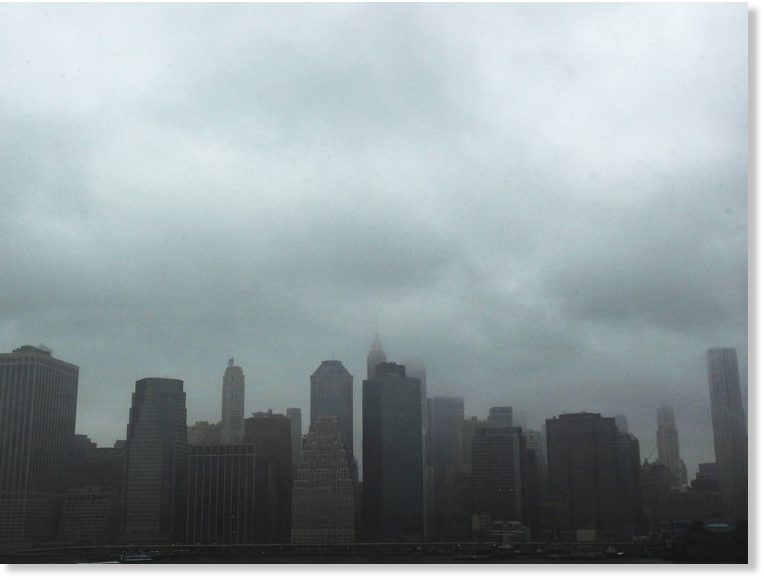
Thundersnow roars over New York City as nor'easter slams East Coast

new york
All hail "thundersnow," one of Mother Nature's most bizarre mashups!

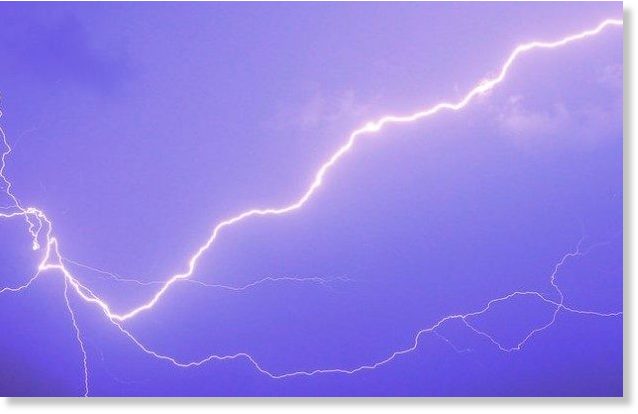
Thundersnow — a thunderstorm that produces snow instead of rain — was reported Wednesday in New York City from the powerful nor'easter lashing the Northeast. It also rattled portions of eastern Pennsylvania and southern New Jersey.


Attention

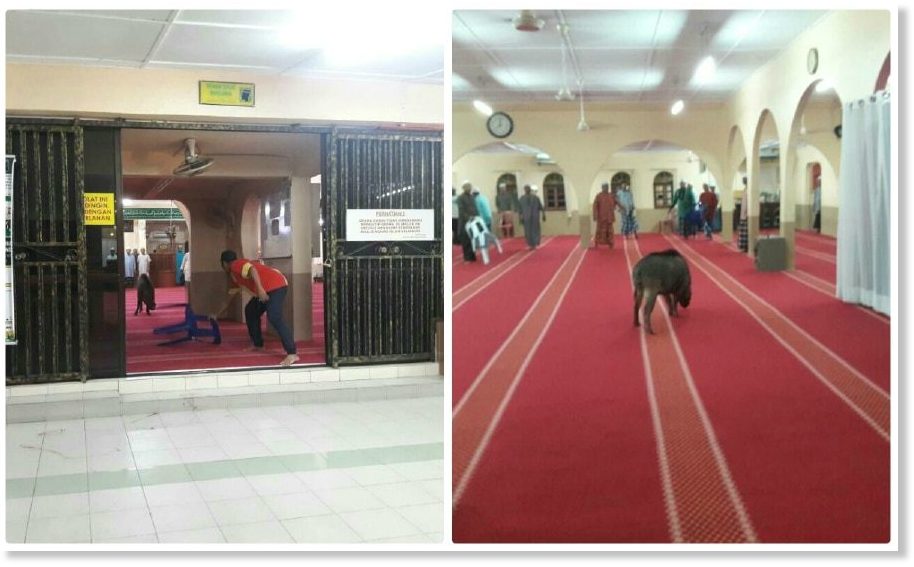
Wild boar enters mosque and attacks man in Malaysia

The animal was earlier spotted chasing some children outside the mosque before it ran inside and charged at the man.
A wild boar interrupted prayers when it burst into the main hall of a mosque and attacked a man on Tuesday night, local media reported.

The man suffered lacerations in the attack in Sungai Buloh near Kuala Lumpur, the New Straits Times said Wednesday.

"It took us more than 30 minutes before the animal finally ran out of the mosque," a witness was quoted as saying.

The animal had also reportedly chased children outside the mosque before it was shot dead by a resident. Police were later informed of the incident.

Muslims make up 60 percent of the population of Malaysia. Pigs are viewed as unclean by Muslims and both breeding them and consuming their meat is haram or forbidden.

Attention

Kayaker attacked by otter in Bradenton, Florida

otter
A 77-year-old woman received stitches and treatments for rabies after a wild otter viciously attacked her while she was kayaking down a Florida river.

Sue Spector and her husband, Marty, were kayaking down Braden River early Sunday morning with a group of 10 people when they spotted an otter. Spector told FOX13 the animal suddenly jumped on her and began clawing at her.

"It was very pristine and very nice and I heard someone make a comment that, 'Oh, there's an otter!'" Spector told FOX13. "And then all of a sudden he jumped on the kayak and two seconds later he jumped on me."

Seismograph

Papua New Guinea struck by shallow 6.7 magnitude earthquake 9 days after deadly temblor - at least 18 killed (UPDATE)

earth
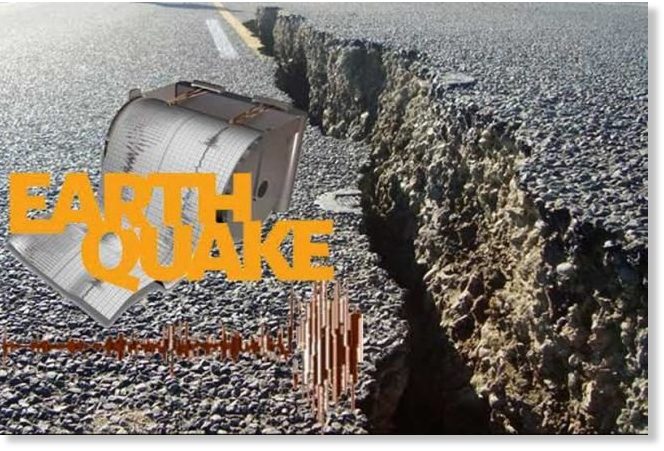
A 6.7 magnitude earthquake struck Papua New Guinea just after midnight local time Wednesday morning, jarring an area that's still recovering from a 7.5 tremor in late February.

The U.S. Geological Survey said the quake struck at 12:13 a.m. local time Wednesday morning (9:13 a.m. EST Tuesday morning) about 70 miles southwest of Porgera. The temblor struck at a depth of about 20 miles and was located about 20 miles southwest of the Feb. 26 quake, which killed at least 67 people, according to the Guardian.

It wasn't immediately known if the latest earthquake caused additional damage or injuries. The U.S. Tsunami Warning System said it did not expect a tsunami to be generated from the quake.

Comment: Update - 7th of March, 2018:

Reuters reports:
A magnitude 6.7 earthquake struck Papua New Guinea's mountainous Southern Highlands on Wednesday killing at least 18 people, an official said, a week after a larger quake flattened villages and killed at least 55 people.

The tremor, shortly after midnight local time, struck just 31 km (19 miles) southwest of the epicentre of last Monday's magnitude 7.5 quake that has left government and aid agencies scrambling to provide emergency supplies to the remote region.

Australia and New Zealand said on Wednesday they would increase aid to Papua New Guinea.

Australia will deploy three helicopters this week to deliver aid, while New Zealand will send a second military plane to distribute medical equipment, hygiene kits and tarpaulins.

Wednesday's quake was the most severe of a series of aftershocks that have rattled the resource-rich region, about 600 km (370 miles) northwest of the capital Port Moresby.

William Bando, the administrator of Hela Province, said initial reports put the death toll from the aftershock at 18.


"It appears Hides was hardest hit. We haven't heard about potential casualties there yet, but it is a big village with many people," he added.

Manasseh Makiba, Papua New Guinea's Vice Minister for Petroleum & Energy who represents parts of Hela Province in parliament, said victims were still being found.

"People are still being extracted from mud. People are still being taken to hospitals," he said.

Local media outlets reported the death toll from the original quake had risen to 75,
after government officials said previously that 55 people had been killed.

A spokeswoman at Papua New Guinea's National Disaster Centre said on Wednesday that authorities were finalising a final report into the casualties from the first quake.

James Komengi, a United Church project officer, speaking from Tari, the capital of quake-affected Hela province, said his church's assessment and response centre had counted up to 67 deaths in that province alone.

Aid efforts are being hampered as rescue workers struggle to reach the highlands area as many roads are either badly damaged or blocked.

The International Red Cross warned the situation could deteriorate if heavy rains hit the region.

"We are anxious to reach communities while there is a lull in what is usually a season of heavy rain. A big downpour could bring landslides in hillsides already destabilised by the earthquake, cause floods and contaminate water," said Udaya Regmi, Director the International Red Cross in Papua New Guinea.

The Red Cross said its initial assessments indicate that as many as 143,000 people could have been affected, with an estimated 500 people injured and 17,000 people displaced from their homes. Even in more accessible areas of the country, health facilities have been damaged.

ExxonMobil, which shut its $19 billion PNG liquefied natural gas (LNG) project after the first quake, said on Wednesday its facilities in Hides, where it runs a gas conditioning plant, were safely shut in. All employees and contractors were safe.
See also: Huge earthquake strikes Ring of Fire: Papua New Guinea hit by shallow 7.5 magnitude quake - at least 75 dead (UPDATE)


Megaphone

Sea lions at Cologne Zoo spark formal probe over night-time noise level

Sea lions
© Patrik Stollarz / AFP
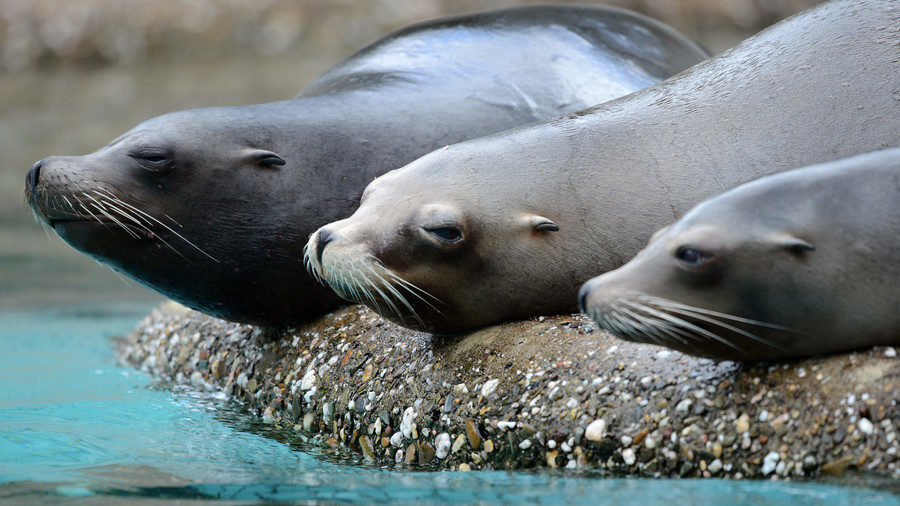
A group of boisterous sea lions have come under investigation following a number of complaints from a group of Cologne residents. Their noisy night-time antics are the root of the problem.

California sea lions Astrid, Amelie, Oz, Lina and Mia are being probed by the district government in the German city after locals lodged a formal complaint about the animals' nocturnal activities. The Cologne newspaper Express reported that one neighbor claimed that they'd been woken multiple times throughout the night by the loud barks of the sea lions.

Cloud Lightning

Lightning kills teenager, injures 2 others in South Africa

lightning
A 17-year-old girl died and two other people were injured when they were struck by lightning, KwaZulu-Natal police said on Tuesday.

Police spokesperson Captain Nqobile Gwala said the girl was on her way home in Winteron's Khethani township, in the KwaZulu-Natal Midlands, when she was struck by lightning.

It was not immediately clear where she was coming from.

The incident happened at about 20:00 on Monday, Gwala said.

"Two other people sustained injuries and were taken to hospital for medical attention," she said.

An inquest docket was being investigated by Winterton police.

Attention

Deep sea oarfish discovered on beach at Stewart Island, New Zealand

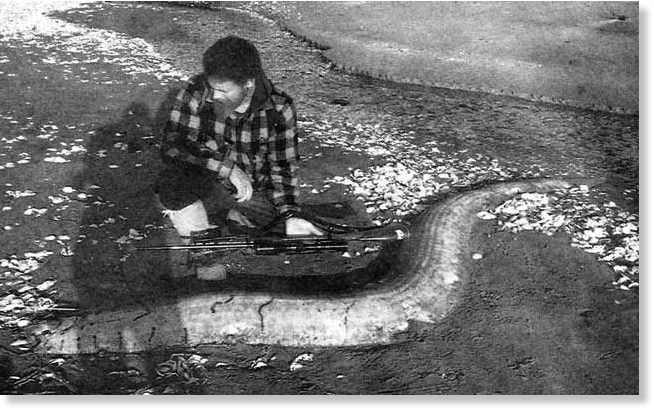
David Musgrave with the rare silvery oarfish found washed ashore at Masons Bay, Stewart Island.
© David MusgraveDavid Musgrave with the rare silvery oarfish found washed ashore at Masons Bay, Stewart Island.
While on a deer hunt with an American client, South Island guide David Musgrave came across a rare silvery oarfish that had been washed ashore at the southern end of Masons Bay on Stewart Island. The specimen measured 4.3 metres (14ft) in length with a depth of 37.5cm (15 inches). The fish had faded to a drab steel grey and displayed black markings along each side of the front section of its body. David reported his find to the Department of Conservation at Stewart Island as well as the National Museum.

Here is a very good photograph of a silvery oarfish known as the King of Herrings.

The silvery oarfish (Regalecus Glesne) is a rare open ocean species belonging to the family Regalecidae. The lack of teeth indicates that the species probably feeds on plankton. Specimens are usually found washed ashore on exposed beaches in a dead or dying condition. The species is known to reach a length of 5.5 metres (17.9 feet).

Sheeple

Thousands of sheep are left dead by the Beast from the East across Cumbria, UK

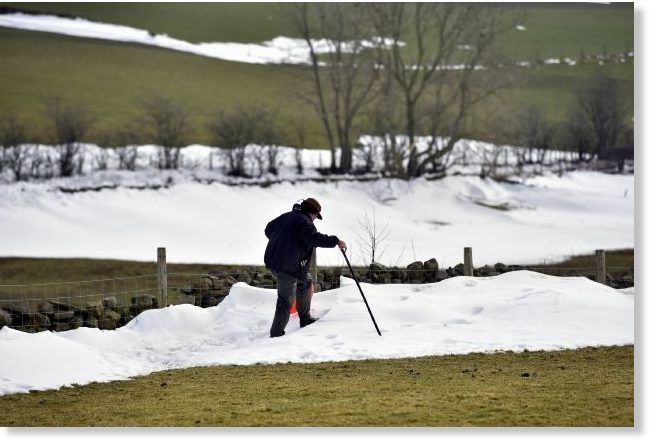
A farmer search snow drifts in fields between Renwick and Kirkoswald looking for buried sheep
Thousands of sheep have been wiped out in the snow storms which have hit Cumbria as farmers are left counting the tragic cost.

While rising temperatures have seen a thaw set in across much of the county, farmers on isolated communities are still desperately trying to feed and rescue buried livestock from deep drifts.

Cumbria was among the counties worst hit after the so-called 'Beast from the East' met Storm Emma, causing blizzards and drifting snow that paralysed road networks and shut off farms.

While many dairy farmers have been forced to throw away thousands of litres of milk after snow drifts prevented lorries from accessing farms to collect it, livestock farmers are braced for a spiralling bill for large-scale sheep losses following the recent snowstorms.

Comment: See also: Storm Emma leaves hundreds of livestock dead across north-west England


Bizarro Earth

La Nina blamed for extreme weather in Japan and Australia

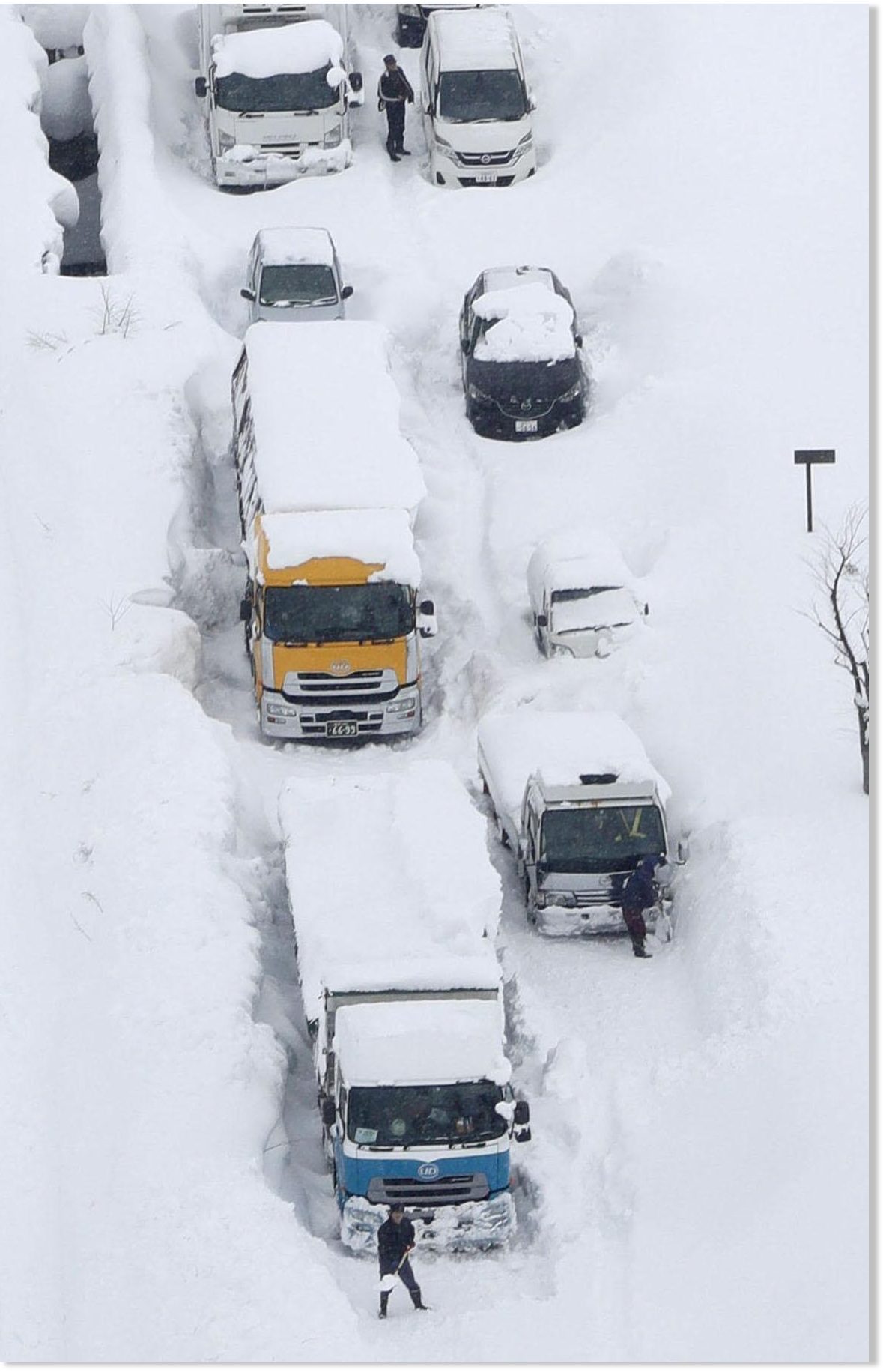
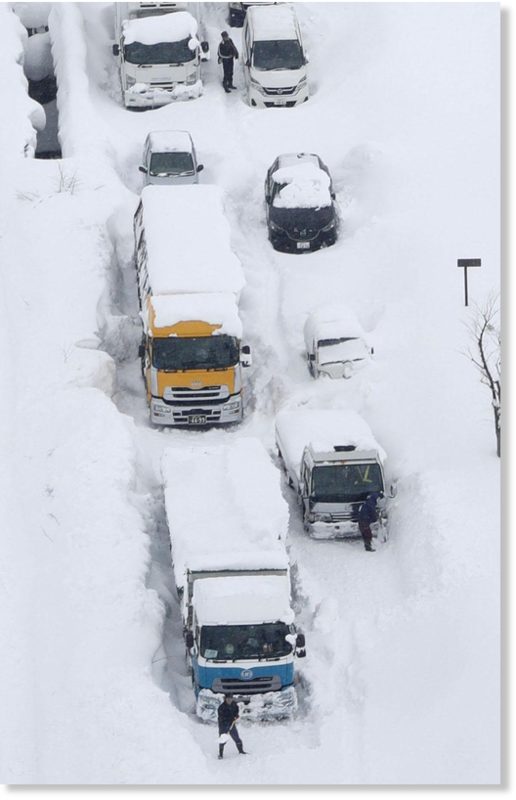
An aerial photo shows cars and trucks buried in snow and stranded on Route 8 in Sakai, Fukui Prefecture, on Wednesday.
© KYODOAn aerial photo shows cars and trucks buried in snow and stranded on Route 8 in Sakai, Fukui Prefecture, on Wednesday 7th February 2018
Western Japan has just struggled through its coldest winter in 32 years.

The average temperature was more than 2C below usual and the conditions at times were extreme.

On February 6, more than 1,000 vehicles were stranded by heavy snow in the Fukui Prefecture in western Honshu. Those stuck had to be dug out by the military.

After a meeting on Monday, Japan's Meteorological Agency declared that La Nina was to blame for the abnormal weather.


Comment: So, when it is extreme cold, La Nina caused it, when it is extreme heat, it is global warming?


La Nina is also likely to have triggered the current flooding in Queensland, Australia

A slow-moving area of low pressure has caused torrential rain in western Queensland, which has remained across the region for the last week.

Some parts of the state have reported as much as 400mm of rain, far exceeding the monthly average of 50mm.

The town of Winton received more rain in the last three days than the past year. A total of 228mm of rain was recorded in 72 hours up to 9am on Tuesday, but in the previous 12 months, only 120mm fell.

This wet weather is typical of La Nina, which usually brings increased rainfall in eastern and northern Australia. Despite the flooding it has caused, the rain is very welcome because many parts of Queensland are currently in the grip of a drought.

Other countries are also on alert for disruptive weather.

Arrow Down

Two more skiers killed by avalanches in the French Alps with another 3 still missing

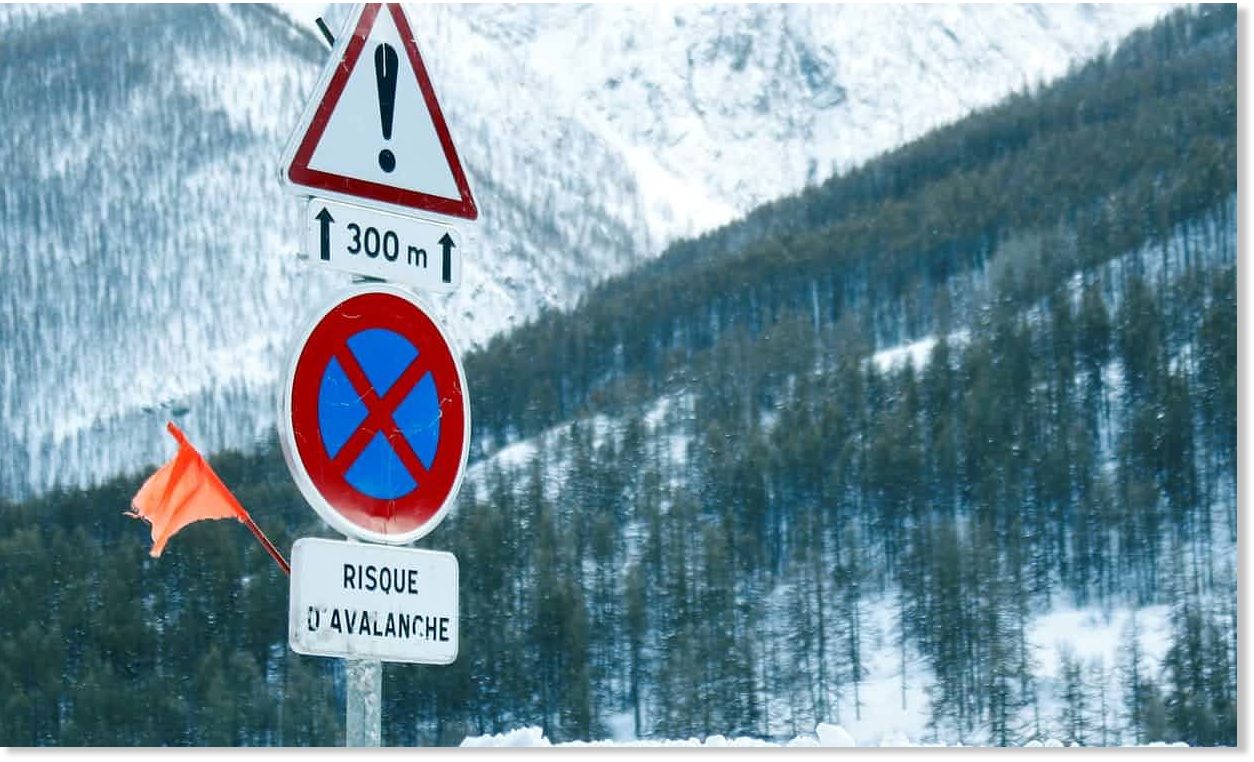
A sign in the Savoie region, France, warns of the avalanche risk.
© Regis Duvignau/ReutersA sign in the Savoie region, France, warns of the avalanche risk.
Two skiers from France and Belgium have been killed in avalanches in the French Alps while three other people remain missing, a local official said.

Sunday's deaths add to a toll of six following avalanches in the French mountains on Friday and Saturday.

On Twitter, France's interior minister, Gérard Collomb, urged all those taking part in winter sports to act "with the utmost caution".

It is essential to follow the signs put up by local authorities "to avoid putting yourself in danger and endangering rescue teams".

The two skiers died during simultaneous avalanches around lunchtime, while skiing off-piste from the Vallorcine resort in the Chamonix-Mont Blanc region.