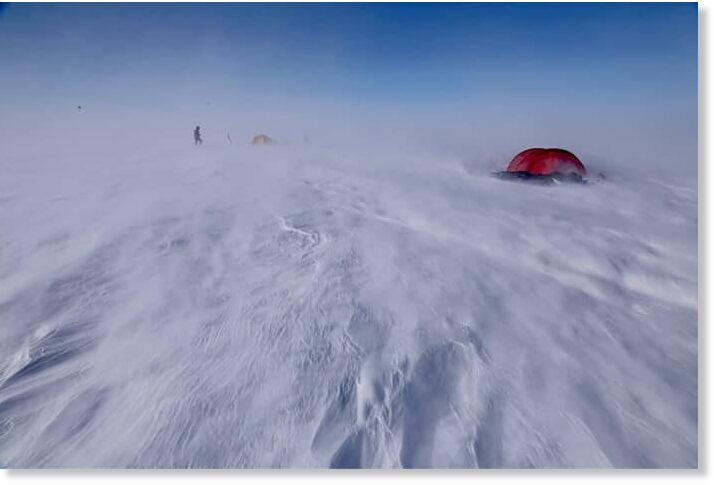
Despite unfavorable conditions, the three Greenland expeditions are progressing across the Inland Ice.
Norwegian sisters Aase and Hanne Seeberg are performing strongly on their east-to-west traverse. After 22 days, they are due to arrive at DYE II, an old radar station about three-quarters of the way along their 600km route.
"They have found deep snow but have skied a regular 20km every day," reports expedition liaison Lars Ebbeson. "They cleared the Summit [the apex of the Ice Sheet] before the last storm on the east side, so have been able to progress over the last few days."
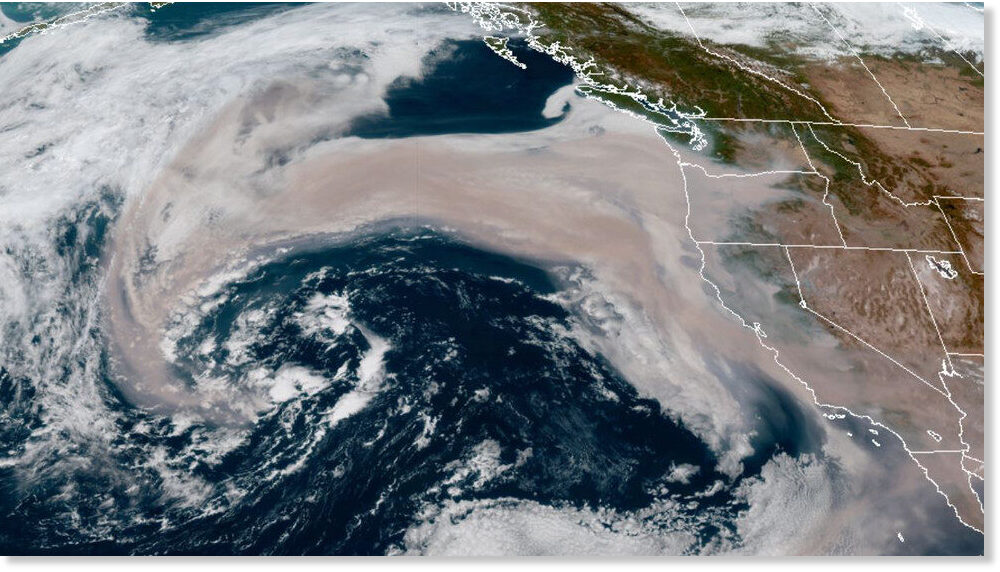
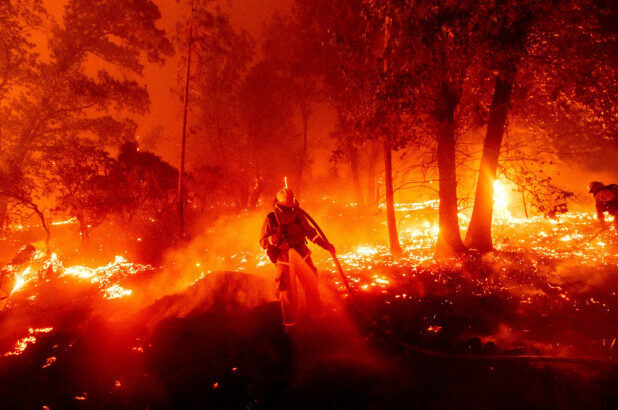
I'm going to file this under "I've never seen this in my career, but I probably should have expected it this year" as some of this thick smoke from the historic fires burning in Oregon and California is now getting sucked right into a Pacific storm.
Watch:
OK this seems very 2020: The offshore smoke is now getting sucked into that swirling storm out in the Pacific:
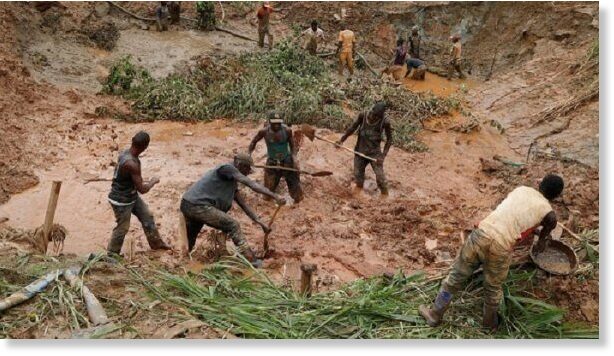
About 50 people are feared dead after a gold mine collapsed in the eastern Democratic Republic of Congo following torrential rain, local authorities said Saturday.
The accident in the makeshift mine occurred on Friday in the town of Kamituga, in South Kivu province.
Provincial governor Theo Ngwabidje Kasi deplored "the tragic deaths of 50 people, most of them young".
However, Kamituga mayor Alexandre Bundya said "we are not yet sure of the exact number" of victims. A local resident who was at the scene, Jean Nondo, told AFP that "according to witnesses, there are more than 50 dead. There is only one survivor."
He said a river close to the mine had flooded after torrential rain.
Billie Thomson Daily Mail Fri, 11 Sep 2020 13:08 UTC
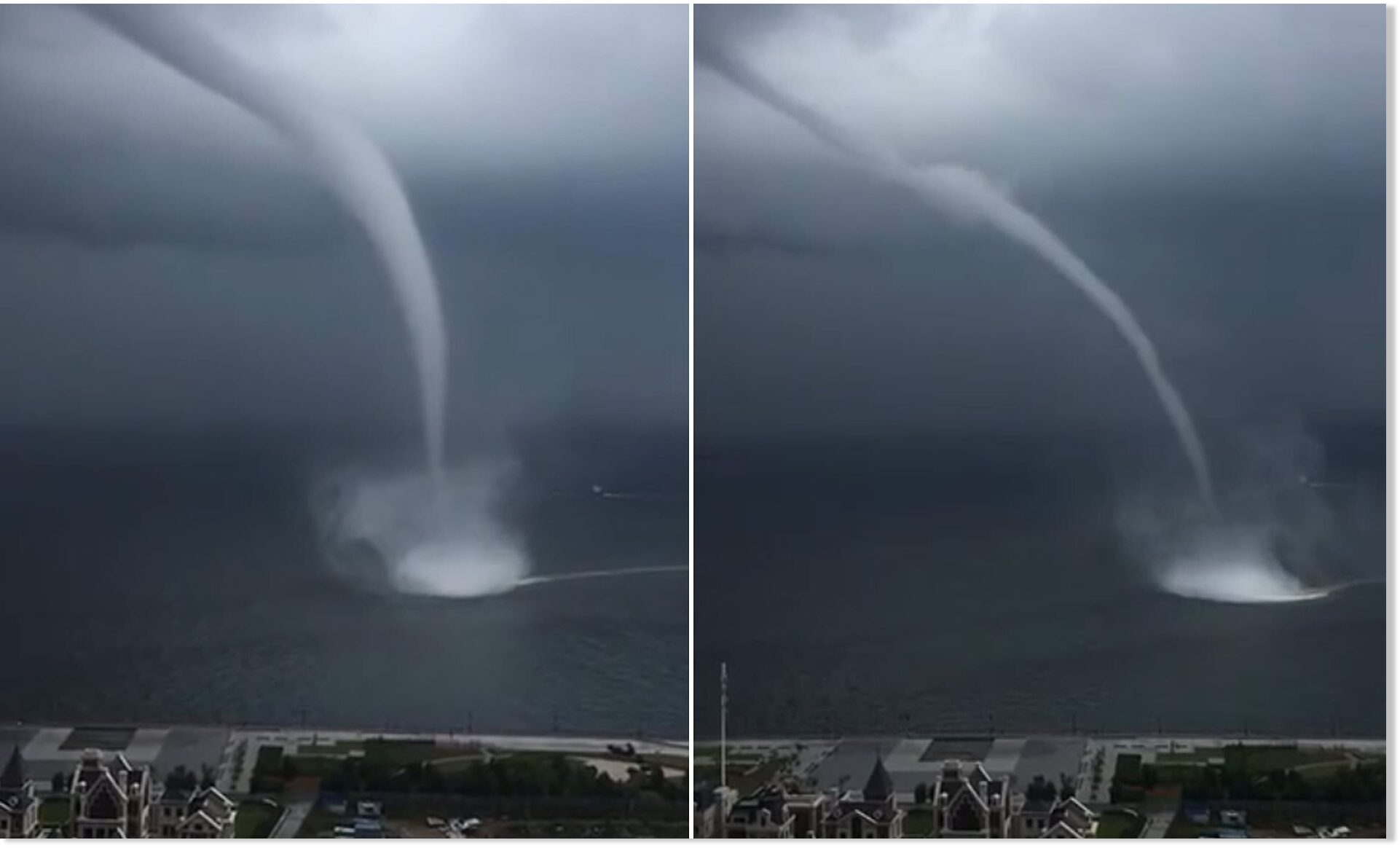
Footage released by China's Dalian Meteorology Bureau shows a waterspout looming over East Harbour Business District at 2pm on Friday. Another waterspout was spotted in the morning
Two waterspouts descended on a coastal city in eastern China today, leaving the locals stunned.
Footage released by the meteorological authority of Dalian shows one of them looming over a business district in the afternoon.
The spectacle occurred at around 2pm near the East Harbour Business District, according to Dalian Meteorology Bureau.
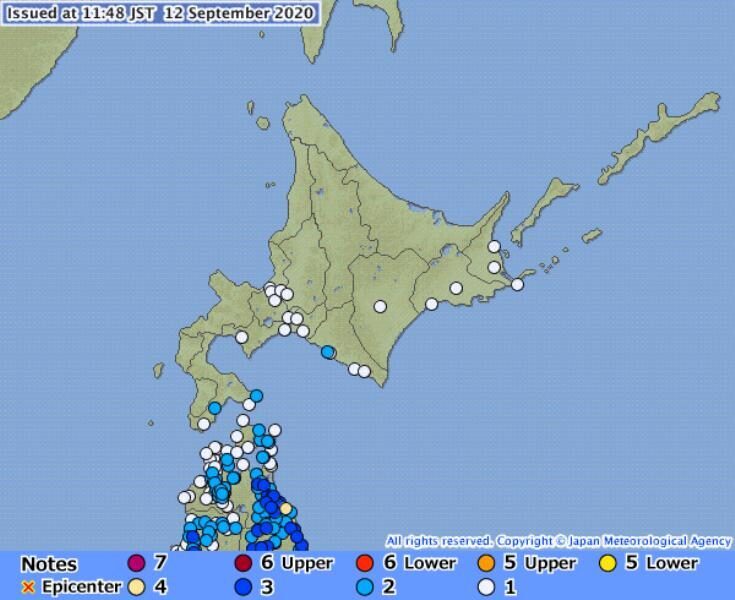
A magnitude 6.1 earthquake, which measured 4 on the shindo (intensity) scale, was detected at a depth of 40 kilometers off the coast of Miyagi Prefecture, on Saturday at 11:44 a.m.
There is currently no tsunami warning in effect.
As a precaution, those near coastal areas are advised to move to higher ground.
A record amount of California is burning, spurred by a nearly 20-year mega-drought. To the north, parts of Oregon that don't usually catch fire are in flames.
Meanwhile, the Atlantic's 16th and 17th named tropical storms are swirling,a record numberfor this time of year. Powerful Typhoon Haishen lashed Japan and the Korean Peninsula this week. Last month it hit 130 degrees inDeath Valley, the hottest Earth has been in nearly a century.
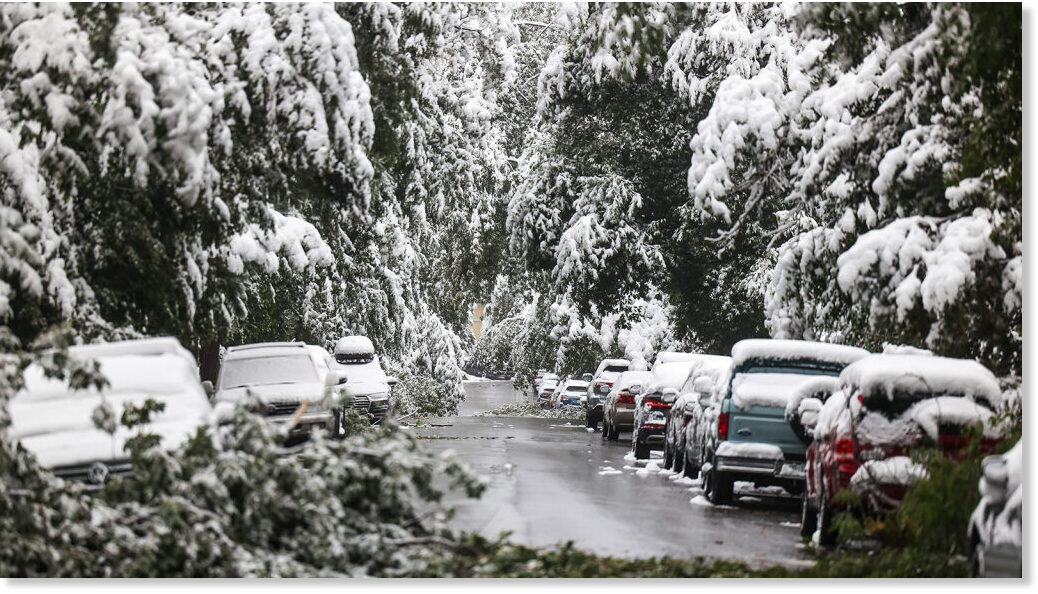
Phoenix keeps setting triple-digit heat records, while Colorado went through aweather whiplashof 90-degree heat to snow this week. Siberia, famous for its icy climate,hit 100 degreesearlier this year, accompanied by wildfires. Before that Australia and the Amazon were in flames.
Comment: While former NASA chief scientist Abdalati is wrong about a number of things, it is obvious to anyone paying attention that there are great changes afoot on our planet. And so for a more compelling answer as to what's driving these changes and that also explains the increase in extreme and unusual events, across the board, from sinkholes; extreme temperature swings; global cooling; the meandering jet stream and stalling gulf stream; the unusual electrical activity in our skies; the rise in fireballs and comets; the increase in volcanic and seismic events - and much more - check out Pierre Lescaudron and Laura Knight-Jadczyk's book Earth Changes and the Human-Cosmic Connection, as well as the following SOTT podcasts:
Nigerien student Hachimou Abdou has had to catch a boat to classes since river water swamped his route to university in the capital Niamey - one of about 760,000 people hit by severe flooding in recent weeks in parts of West and Central Africa.
Floods are common during the rainy season, but in recent years climate change, land degradation and poor urban planning have led to more frequent disasters as rapidly-growing cities struggle with heavier-than-normal rainfall.
Burkina Faso, Cameroon, Chad, Ghana, Niger, Mali, Nigeria, Congo Republic and Senegal are among those worst-hit this year, with at least 111 people killed, according to latest figures from the U.N. Office for the Coordination of Humanitarian Affairs (OCHA).
Heavy rain and flooding continue in Ethiopia, with over 500,000 people affected and around 300,000 displaced since July.
Unusually heavy Kiremt season (June to September) rainfall triggered flooding in the country from late July. By early August the UN reported 30,000 people had been displaced, with many of them in the Afar region after the overflow of Awash River. The regions of Gambella, Oromia, SNNP and later Amhara were also affected.
In a report of 06 September, UN Office for the Coordination of Humanitarian Affairs (OCHA) said "heavy summer season (June-September) rains continue to cause flooding in many parts of the country. Some 500,000 people were so far affected, including some 300,000 displaced."
A wild week of weather continues to unfold in Colorado that started with 100+ degree temperatures and transitioned into more than a more than a foot of snow in parts of the state.
Here's a look at some of the weather records that were set in the Centennial State during this tumultuous time.
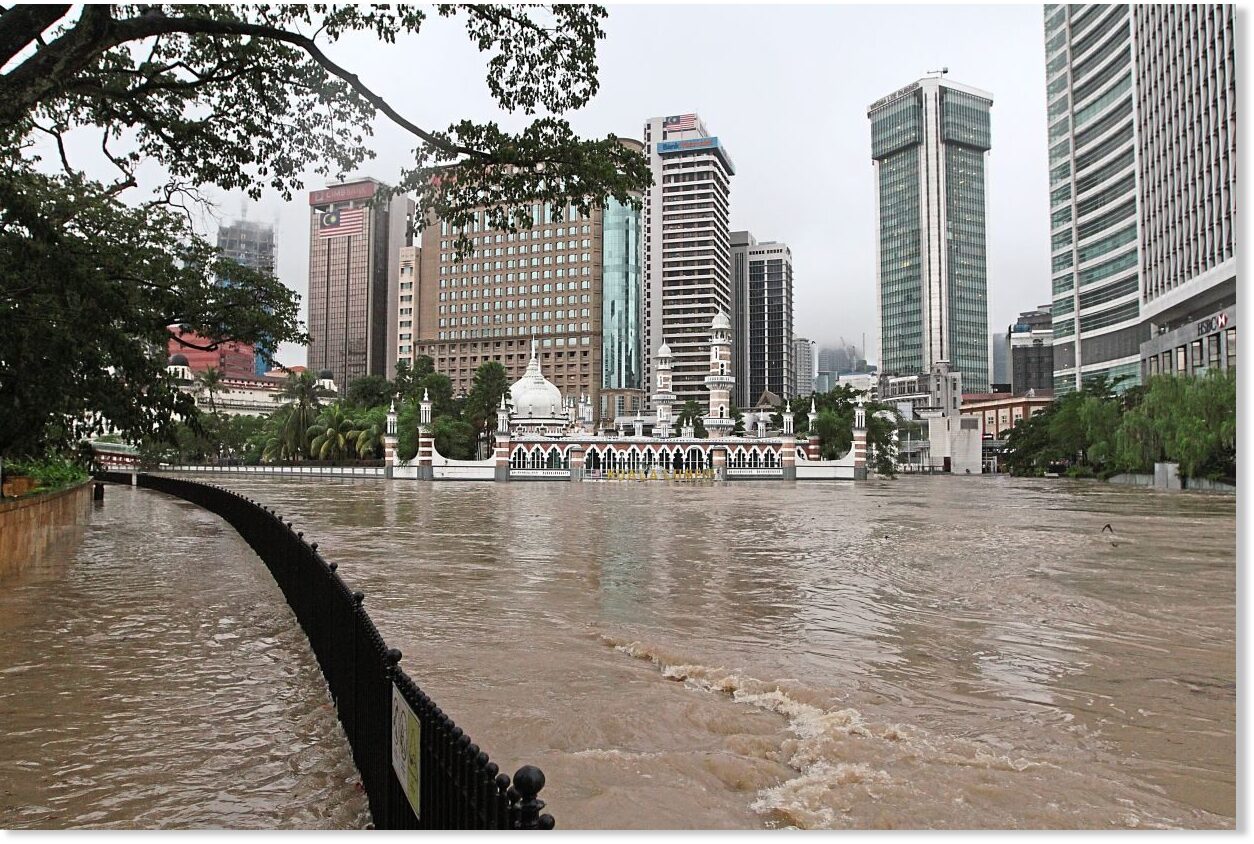
Floodwaters flowing into Masjid Jamek due to heavy rain in Kuala Lumpur.
Videos and photos shared on social media showed Masjid Jamek by water, submerged cars and motorcycles as well as snakes after parts of Kuala Lumpur were hit with flash floods following a heavy downpour on Thursday (Sept 10).
"The purpose of GLADIO was to attack civilians, the people - women, children, innocent people, unknown people, far removed from any political game. The reason was quite simple: to force the public to turn to the State and demand greater security. Under a strategy of tension, you 'destabilize in order to stabilize', to create tension within society and promote conservative, reactionary social and political tendencies."
~ Italian neo-fascist whose prosecution led to the discovery of NATO's 'Gladio' networks across Western Europe
- Vincenzo Vinciguerra
”
Recent Comments
The Guillain-Barré syndrome: Explain It To A 6 Year Old "...When someone gets a shot, sometimes the stuff in the shot is poison to nerves. The...
Comment: While former NASA chief scientist Abdalati is wrong about a number of things, it is obvious to anyone paying attention that there are great changes afoot on our planet. And so for a more compelling answer as to what's driving these changes and that also explains the increase in extreme and unusual events, across the board, from sinkholes; extreme temperature swings; global cooling; the meandering jet stream and stalling gulf stream; the unusual electrical activity in our skies; the rise in fireballs and comets; the increase in volcanic and seismic events - and much more - check out Pierre Lescaudron and Laura Knight-Jadczyk's book Earth Changes and the Human-Cosmic Connection, as well as the following SOTT podcasts: