
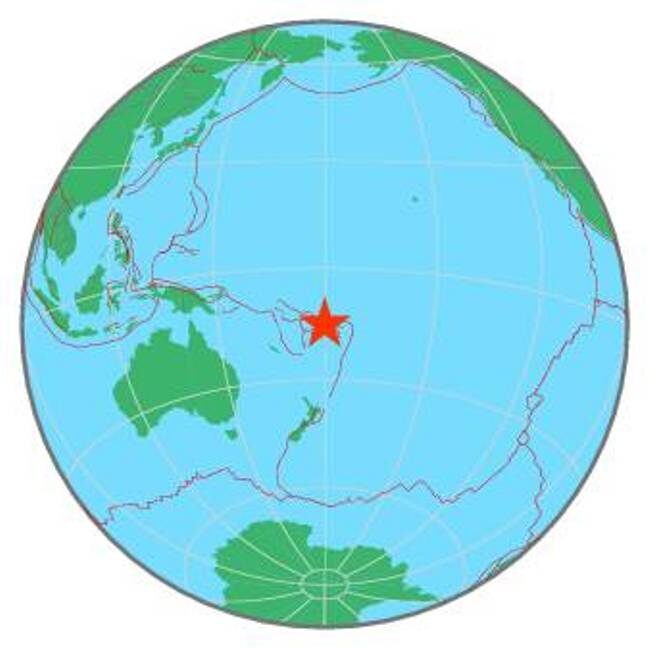
© emsc-csem
The epicenter, with a depth of 10.0 km, was initially determined to be at 15.145 degrees south latitude and 179.7934 degrees east longitude.
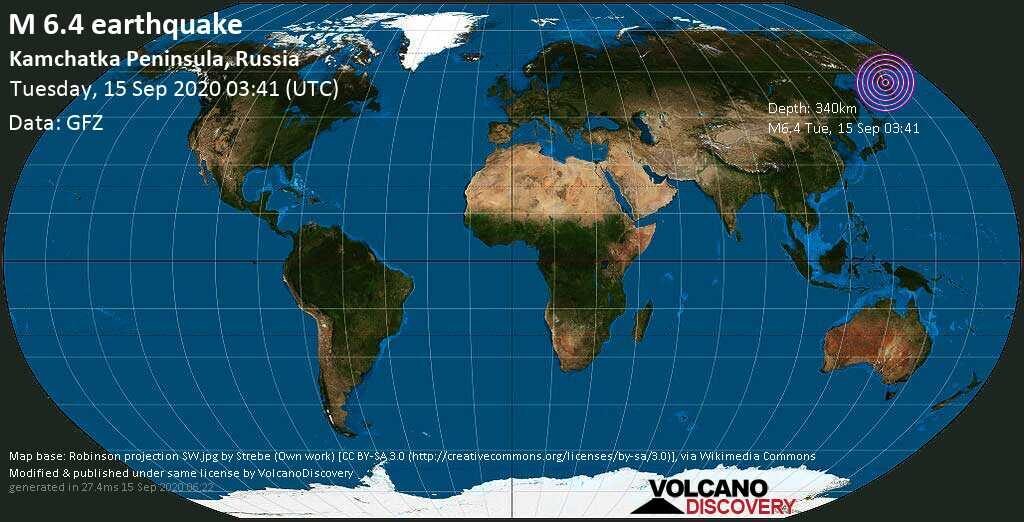



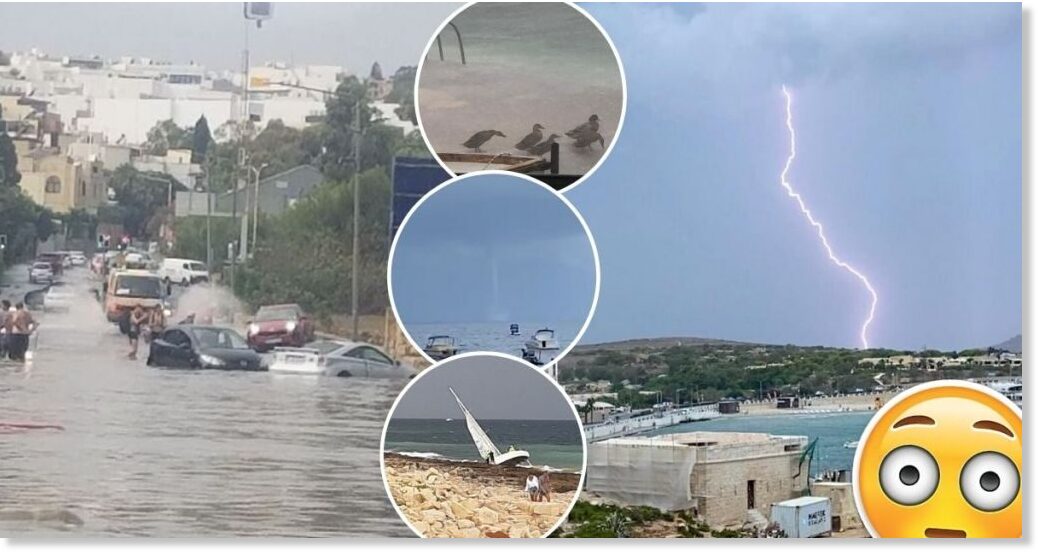

Waterspout in #Vizag beach in #AndhraPradesh #vishakapatanam pic.twitter.com/Kt3DjwUZLx
— Aneri Shah (@tweet_aneri) September 13, 2020

Flycatchers, swallows and warblers are among the species "falling out of the sky" as part of a mass die-off across New Mexico, Colorado, Texas, Arizona and farther north into Nebraska, with growing concerns there could be hundreds of thousands dead already, said Martha Desmond, a professor in the biology department at New Mexico State University (NMSU). Many carcasses have little remaining fat reserves or muscle mass, with some appearing to have nose-dived into the ground mid-flight.
Historic wildfires across the western states of the US could mean they had to re-route their migration away from resource-rich coastal areas and move inland over the Chihuahuan desert, where food and water are scarce, essentially meaning they starved to death. "They're literally just feathers and bones," Allison Salas, a graduate student at NMSU who has been collecting carcasses, wrote in a Twitter thread about the die-off. "Almost as if they have been flying until they just couldn't fly any more."
The south-western states of the US have experienced extremely dry conditions - believed to be related to the climate crisis - meaning there could be fewer insects, the main food source for migrating birds. A cold snap locally between 9 and 10 September could have also worsened conditions for the birds.
Any of these weather events may have triggered birds to start their migration early, having not built up sufficient fat reserves. Another theory is that the smoke from the wildfires may have damaged their lungs. "It could be a combination of things. It could be something that's still completely unknown to us," said Salas.
"The fact that we're finding hundreds of these birds dying, just kind of falling out of the sky is extremely alarming ... The volume of carcasses that we have found has literally given me chills."
The first deaths were reported on 20 August on White Sands Missile Range in New Mexico. Initially, incidents were thought to be unrelated, but thanks to online forums, ornithologists noticed that they were happening all across the region. Resident bird species such as curve-billed thrashers, great-tailed grackles and white-winged doves do not appear to have been affected.
Large avian mortalities during migration are rare and few have been as large as this one. Records - which go back to the 1800s - show these events are always associated with extreme weather events such as a drop in temperature, snowstorm or hailstorm. The largest event on record in the region was a snowstorm in Minnesota and Iowa in March 1904 that killed 1.5 million birds.






Comment: 'Quite large' M3.3 earthquake felt across several towns in southern England