They're back. Noctilucent clouds (NLCs), recently missing, are once again circling the South Pole. And, in an unexpected twist, they've just appeared over Argentina as well.
"This is a very rare event," reports Gerd Baumgarten of Germany's Leibniz-Institute of Atmospheric Physics, whose automated cameras caught the clouds rippling over Rio Grande, Argentina (53.8S) on Jan. 3rd:
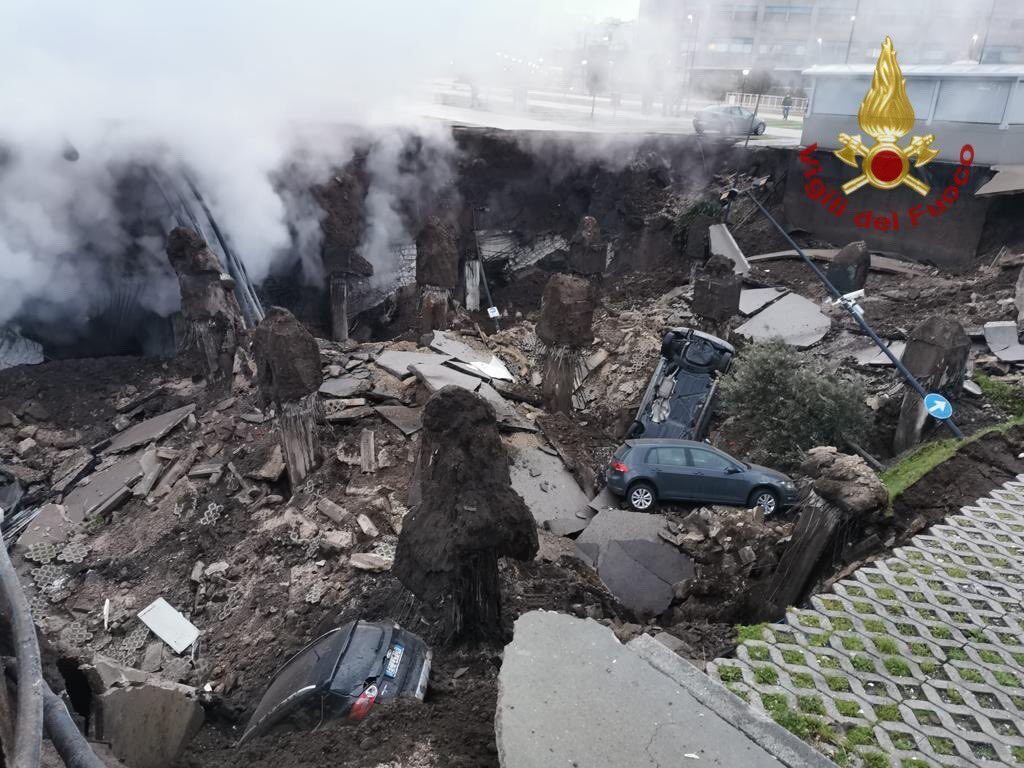
Witnesses reported hearing a loud explosion at dawn as a large chasm appeared outside the Ponticelli Ospedale del Mare in eastern Naples.
There were no injuries reported at the site, where firefighters say the sinkhole "affected an area of about 500 square meters" and has swallowed up several cars which were parked outside the hospital.
The Kermadec Islands are located in the South Pacific Ocean approximately 800-1,000 km northeast of New Zealand's North Island, and are uninhabited, except for the permanently manned Raoul Island meteorological station. The islands are part of New Zealand, though not subject to any region.
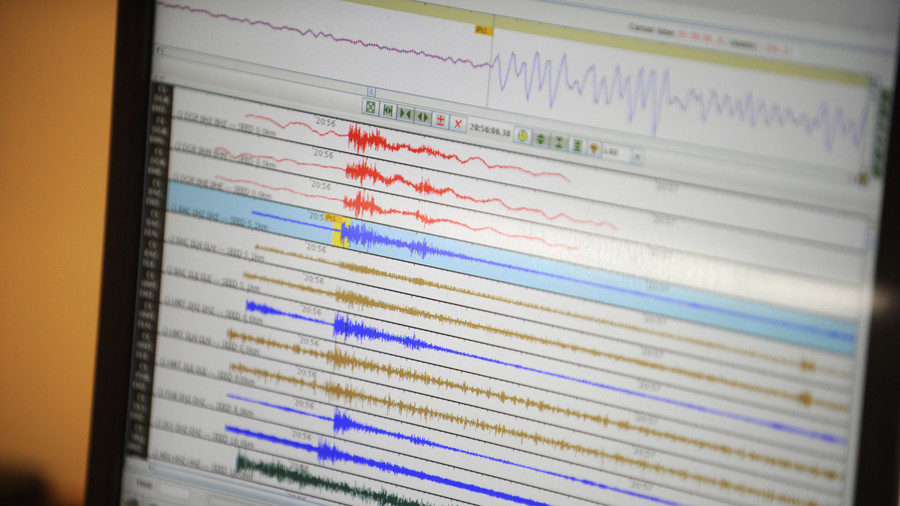
A powerful earthquake occurred on Friday in the sea near New Zealand's Kermadec Islands at a depth of 222.3 km. The magnitude of the tremor is 6.3, according to the United States Geological Survey (USGS).
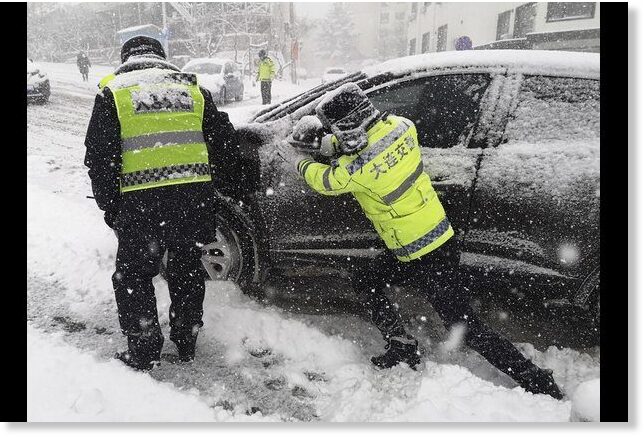
Temperatures in the Chinese capital plunged to their lowest for more than five decades on Thursday (Jan 7), as Beijing was hit by gale-force winds and bitter conditions.
On Thursday morning the mercury dropped to minus 19.6 degrees Celsius, breaking a previous cold weather record set in 1969.
The cold reading was the lowest since 1966, when temperatures in the city fell to minus 27.4 degrees Celsius.
Thousands took to social media to complain about the city's weather, with the hashtags "How cold is this winter?" and "Beijing's temperature reaches the lowest since 1966" both trending topics on Weibo and garnering a collective 240 million views.
"I heard the wind shouting at me: I want to kill you," wrote one.
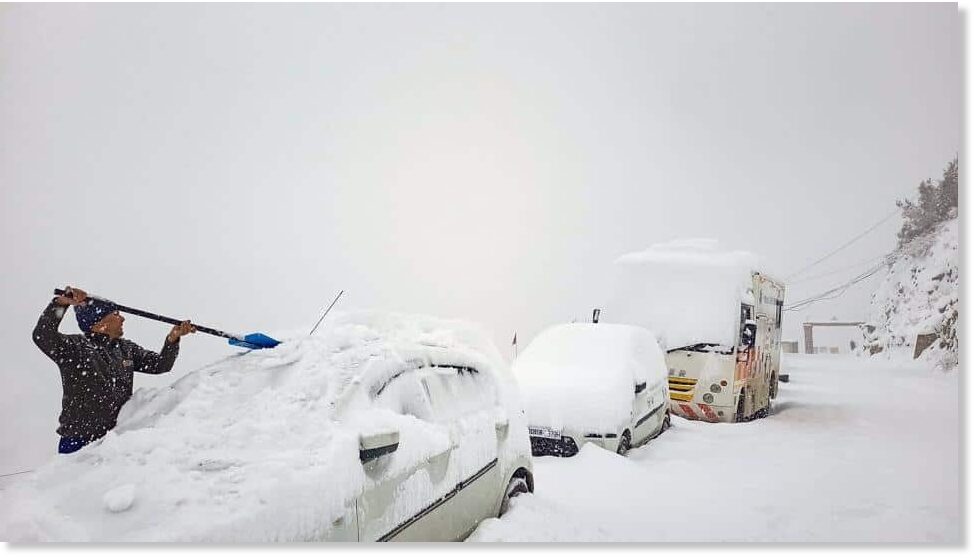
The tribal areas and other higher hills of the state received fresh snowfall while lower and middle hills witnessed widespread rains disrupting normal life. As many as 205 roads were closed due to heavy snow in the state.
The minimum and maximum temperatures rose marginally even as the sky remained heavily overcast and icy winds, accompanied by showers, blew across the region. The local Met office has warned of dense fog at isolated places in lower and middle hills in Una, Bilaspur, Hamirpur, Kangra and Mandi districts till January 9 and predicted rain and snow at isolated places in middle and high hills on January 8, followed by dry weather.
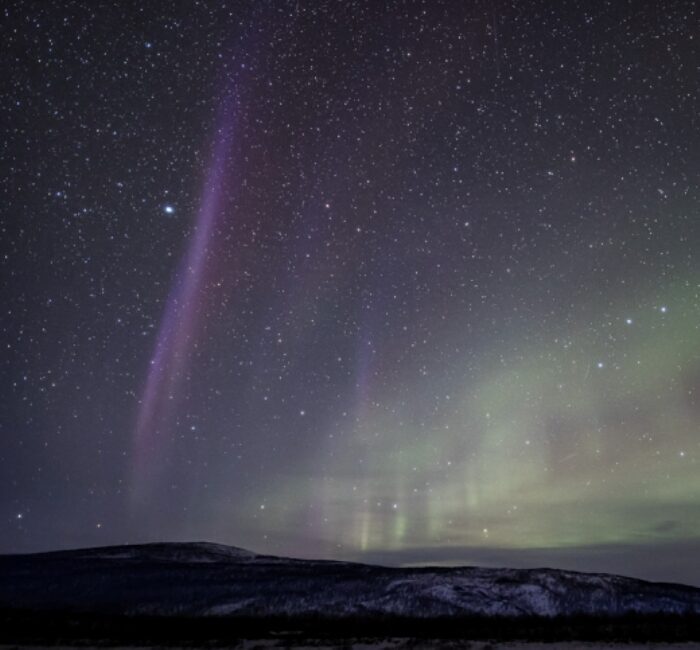
Last night, STEVE visited Finland. The purple ribbon of light, which is not an aurora, appeared over Utsjoki in the Finnish Lapland. "This is very unusual," says Rayann Elzein, who photographed the apparition.
"I've been chasing auroras in Arctic Finland for nearly a decade, and this is only the second time I have seen STEVE here at 70 degrees N," says Elzein.
Comment: STEVE (Strong Thermal Velocity Enhancement) is a relatively recent discovery, first spotted and photographed by Canadian citizen scientists around 10 years ago. It looks like an aurora, but it is not. See also:
Discoveries like STEVE are just the tip of the ice berg when it comes to the unusual phenomena that reflects the shift occurring on our planet - and even further afield:
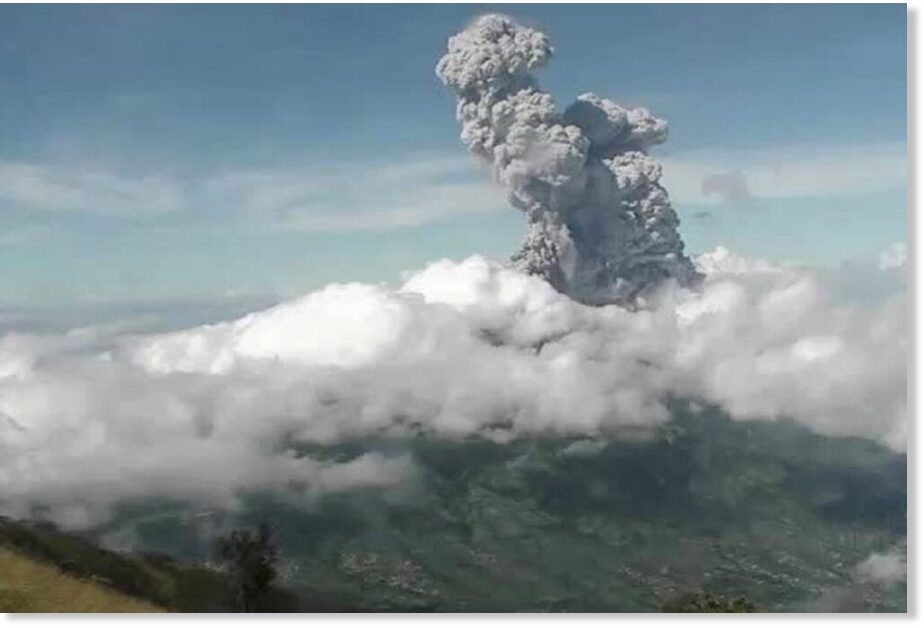
At least 500 people were removed from the island of Java, Indonesia, today after the erupting Merapi volcano began to expel thick clouds of smoke, the Indonesian Geology Agency said.
The authorities evacuated an area of five kilometres around the volcano.
"So far the potential danger does not exceed five kilometres," said Hanik Humaira, director of the Indonesian Geology Agency, in a statement.
Activity at the Merapi, 400 kilometres southwest of Jakarta, began to increase last Thursday, according to the Indonesian Geology Agency, which indicated that the volcano was erupting.







Comment: Another unusual sighting occurred in our changing atmosphere this week: Novel atmosphere phenomenon 'STEVE' makes ANOTHER appearance over Finland
See also: