Society's ChildS


Hammer

NJ driver wearing N95 mask passes out and crashes due to lack of oxygen, police say (Update)

car crash n95 mask
© Lincoln Park Police via Facebook
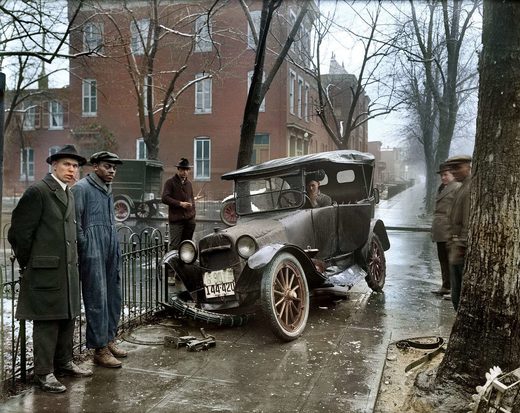
A Lincoln Park driver lacking oxygen due to hours of wearing an N95 mask passed out behind the wheel and crashed, authorities said.

The unidentified driver had been wearing the mask for several hours and had been getting too much carbon dioxide, and too little oxygen, before crashing Thursday, authorities said on Facebook.

The driver was transported to the hospital with non-life-threatening injuries, authorities said.

Cheeseburger

Texas restaurant opens despite lockdown order

restaurant food waiter
© Justin Sullivan/Getty Images
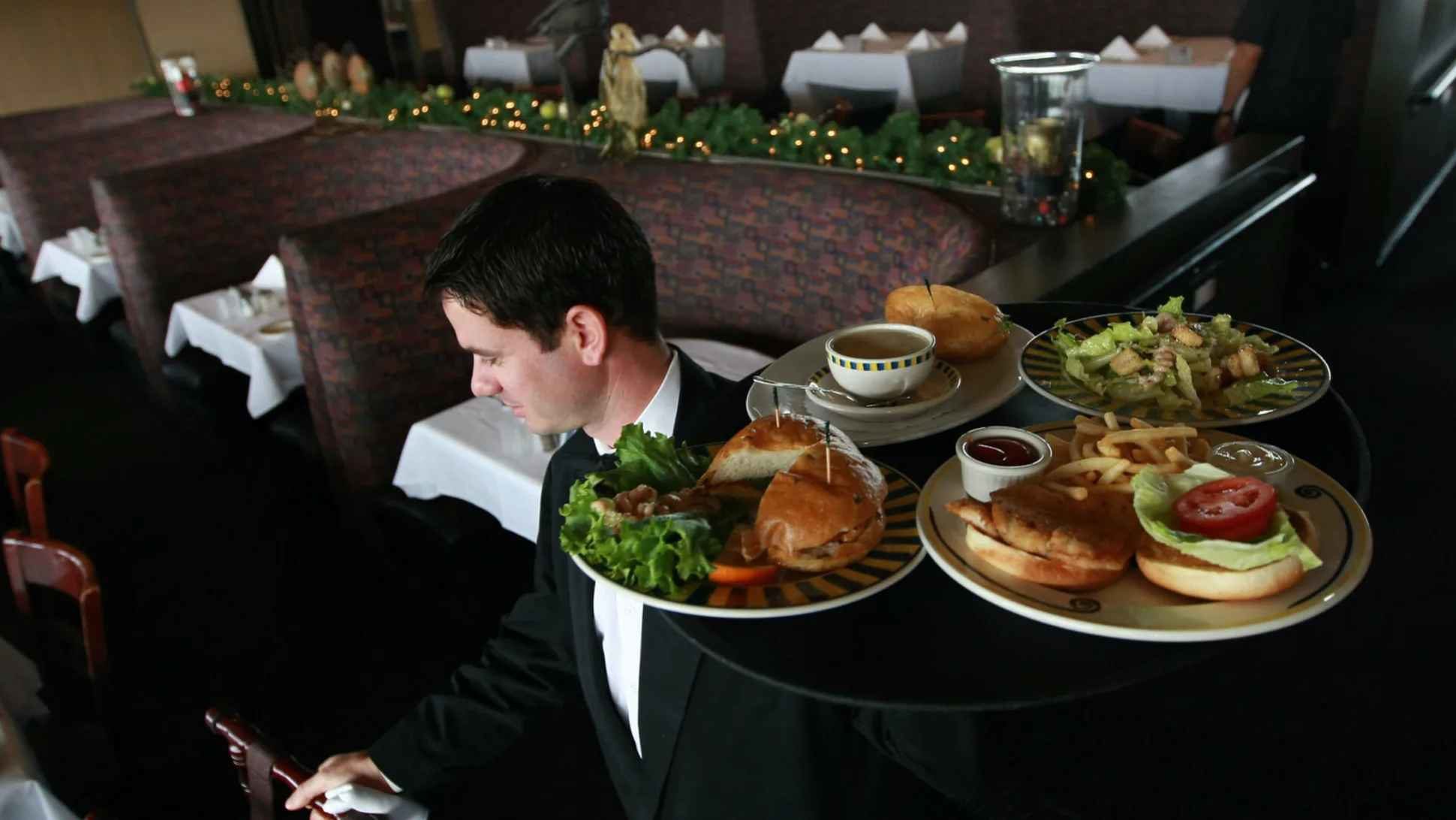
On Friday evening, the 8731 Katy Freeway location of Federal American Grill in Houston, Texas, opened up its doors for in-dining room customers despite an ongoing order from state and local lawmakers to remain closed except for take-out.

Owner Matt Brice told the Houston Chronicle that the restaurant has "complied 100 percent until now."

"What I don't like is that the government is picking and choosing which businesses win or lose. They are sinking the economy," Brice said. "We have to stand our ground and get people back to work."

Comment: This is likely to catch on as the frustration among the populace continues to grow. The unjustified lockdown measures are hurting people more than the virus and it likely won't be long before a significant number of people are ignoring them.

See also:


Dollar

The coronavirus crisis has exposed the ugly truth about celebrity culture

david geffen's yacht
© Action Press/Rex/ShutterstockPushing the boat out ... David Geffen’s $590m superyacht, Rising Sun.
The rich and famous are desperate to prove we are all in this together - in fact, the outbreak has highlighted just how false that is

Would you spare a thought for all the poor, suffering celebrities out there? While this is a difficult time for everyone, it has been particularly tough on the famous. They have been upstaged by a virus. No one cares what they are wearing or who they are snogging any more; the world's attention has been diverted by a headline-hogging pandemic. It seems as if some celebrities are starting to grapple with the realisation that they are not quite as important or beloved as they thought they were.

Gal Gadot was the first victim of the great celebrity backlash of 2020. "We're all in this together," the Wonder Woman star assured us in a video on Instagram a couple of weeks ago, before launching into a star-studded rendition of John Lennon's Imagine. Can you imagine how little self-awareness you must have to enlist a bunch of multimillionaires to sing about a world with "no possessions" while huge numbers of people are losing their jobs? The tone-deaf performance was swiftly savaged.

Comment: See also:


Arrow Up

Thailand: Suicide rates skyrocket among poor under coronavirus lockdowns

coronavirus Thailand
© ROMEO GACAD/AFP via Getty Images
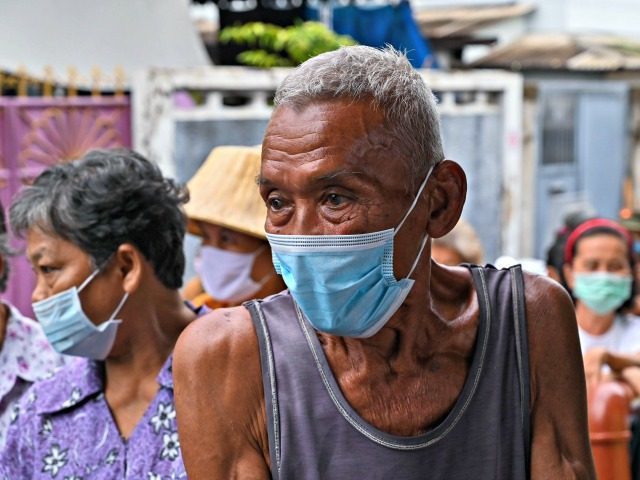
Thailand's poor are killing themselves at alarming rates amid a surge in suicides related to the coronavirus pandemic across the country, Thai news outlet Coconuts Bangkok reported on Friday.

At least 22 coronavirus-related suicides have been recorded in Thailand since March 20, according to an independent study cited by Coconuts. Believed to have the world's worst wealth inequality rate, poor people in Thailand have been hard-hit by the country's recent economic slowdown, a byproduct of the lockdown imposed by Thailand last month.

On March 26, Thailand's government announced a state of emergency due to the coronavirus pandemic, according to the Bangkok Post. This allowed for a partial lockdown in and outside of Bangkok, the capital, where the majority of businesses were closed. Unable to work for the past month, many Thai citizens living hand-to-mouth before the coronavirus pandemic have reportedly become desperate and suicidal. Most of those have failed to access government financial assistance, which Bangkok promised last month.

Comment: See also:


Calendar

No, this is not another 1929, 1973, 1987, 2000, or 2008

out of stock
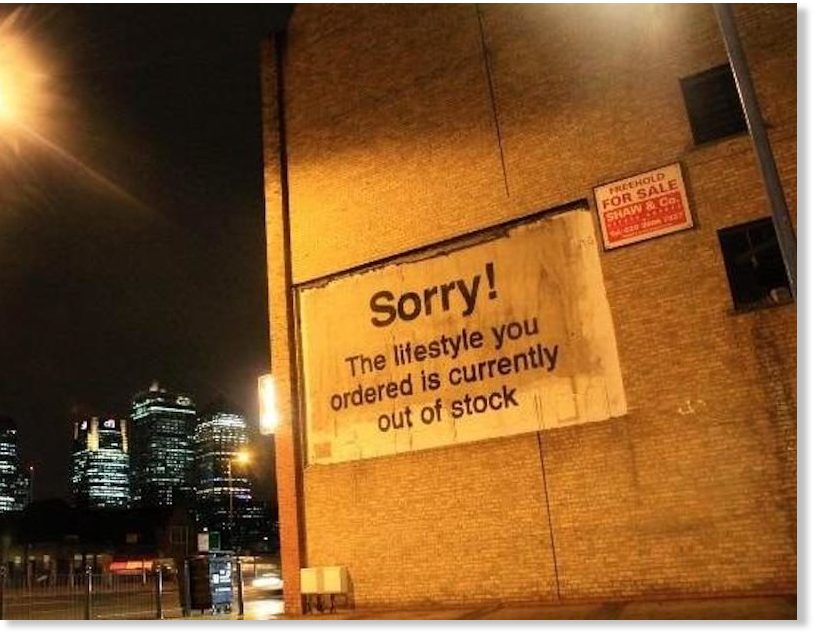
Basing one's decisions on analogs from the past is entering a fool's paradise of folly.

Like addicts who cannot control their cravings, financial analysts cannot stop themselves from seeking some analog situation in the past which will clarify the swirling chaos in their crystal balls. So we've been swamped with charts overlaying recent stock market action over 1929, 1987, 2000 and 2008 -- though the closest analogy is actually the Oil Shock of 1973, an exogenous shock to a weakening, fragile economy.

But the reality is there is no analogous situation in the past to the present, and so all the predictions based on past performance will be misleading. The chartists and analysts claim that all markets act on the same patterns, which are reflections of human nature, and so seeking correlations of volatility and valuation that "worked" in the past will work in 2020.

Does anyone really believe the correlations of the past decade or two are high-probability predictors of the future as the entire brittle construct of fictional capital and extremes of globalization and financialization all unravel at once?

Comment: And if that ain't enough:


NPC

Michigan governor Gretchen Whitmer eases stay-at-home order after protests

Gretchen Whitmer
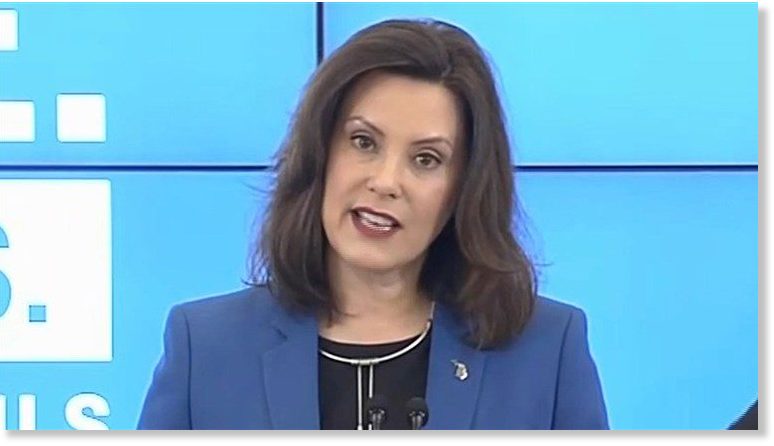
Michigan Gov. Gretchen Whitmer announced she would begin reopening parts of the state's economy on Friday — the decision coming amid armed protests outside her home and the threat of a mutiny by state lawmakers.

Whitmer signed a new executive order extending the Wolverine State's stay-home order by another two weeks until May 15, but eased some other restrictions, which have been met with rancorous protests.

"The new executive order will allow some workers who perform lower-risk activities to go back on the job," Whitmer said at a Friday morning press conference, including occupations such as landscaping.

"We will consider this the preliminary stage of economic re-engagement. We will measure, we will collect data, we will continue to ramp up testing and tracing and we will make informed decisions in coming days about potential further re-engagement," she continued.


Comment: It took quite a lot of push-back for Whitmer to make just these few concessions - we'll soon see if its enough to quell the justified dissent and rancor towards her policies.

See also:


Brick Wall

COVID-19 Provides politicians and media ground cover for destroying life, liberty and the pursuit of happiness

ground cover covid-19
With every tragedy that befalls mankind few political leaders can resist the temptation to enhance the powers of the security state while attacking civil liberties. The response to the coronavirus pandemic has proven to be no exception.

Many people are asking, as the Covid lockdown keeps many businesses shuttered: will the economy ever be the same again? No small consideration considering the arbitrary nature of the lockdown, which seems to focus its wrath on small businesses while allowing the major corporations to survive. But there are other serious considerations, like how the media and politicians will hide behind political correctness and virtue signaling to conceal their ulterior motives.

One story that nicely encapsulates that agenda is by the BBC, which carried the totally objective headline: 'Coronavirus: Arrests over 'disgusting' racist Covid-19 stickers.' It is a very simple story that speaks volumes about where we are heading as a civilization. Plot spoiler: to hell in a handbag.


Cow

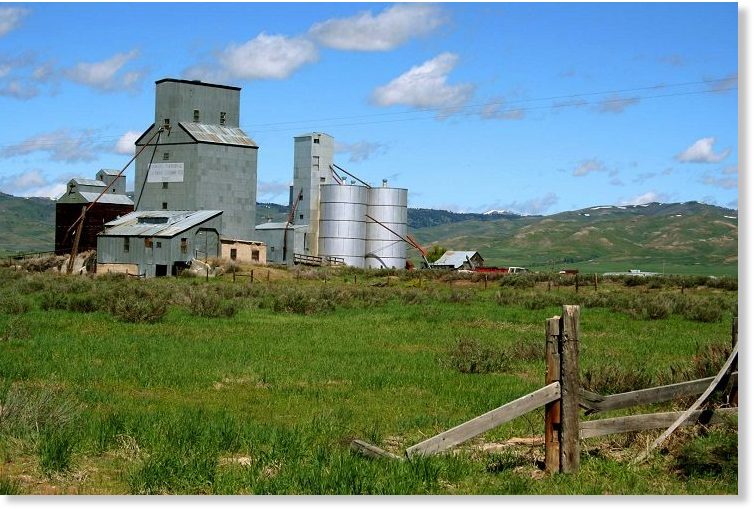
The super-centralized agribusiness model and supply chain is failing

farm
Over the past decades the organization of the entire world food supply from farm to consumers has been reorganized into a globalized distribution known as agribusiness. With most of the world in lockdown over the fears of spread of the coronavirus disease, COVID-19, that global food supply chain is in danger of catastrophic breakdown. The consequences of that would dwarf deaths by coronavirus by orders of magnitude. Yet governments seem oblivious.

The imposition of unprecedented mass quarantine, school and restaurant closings, factory closings across most of the world is putting the focus on the alarming vulnerability of what is a global food supply chain to severe breakdown. Before the lockdown an estimated 60% of all food consumed in the United States today was consumed outside the home. That includes in restaurants, fast food places, schools, in university cafeterias, company cafeterias and the like. That has now been all but shut since March, creating huge disruptions to what had been a well-organized supply chain delivery. Large restaurants or company cafeterias receive supplies of everything from butter to meat in entirely different volumes and packing than a retail supermarket. A major vulnerability exists in the mammoth agribusiness concentrations known as CAFOs or Concentrated Agriculture Feeding Organizations.

Comment: See also:


Question

Best of the Web: Hidden outbreaks: Amid signs the coronavirus came earlier, Americans ask: Did I already have it?

coronavirus test street drive up clinic
© Juan Arredondo / The New York Times
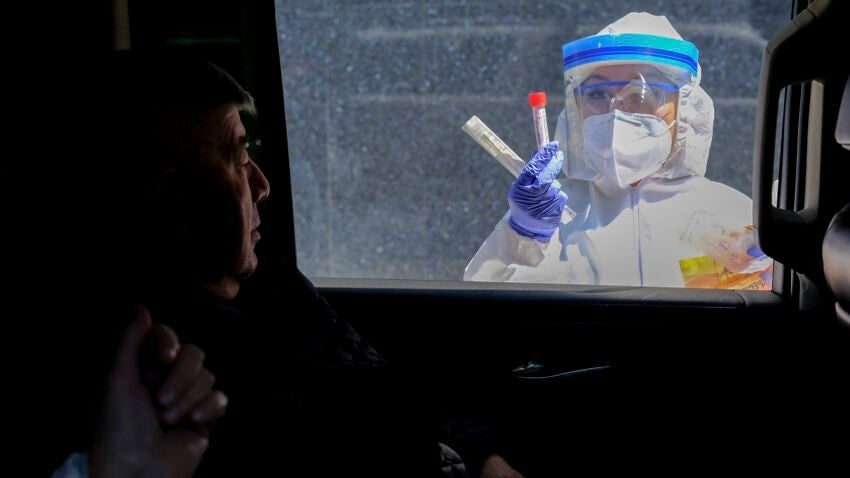
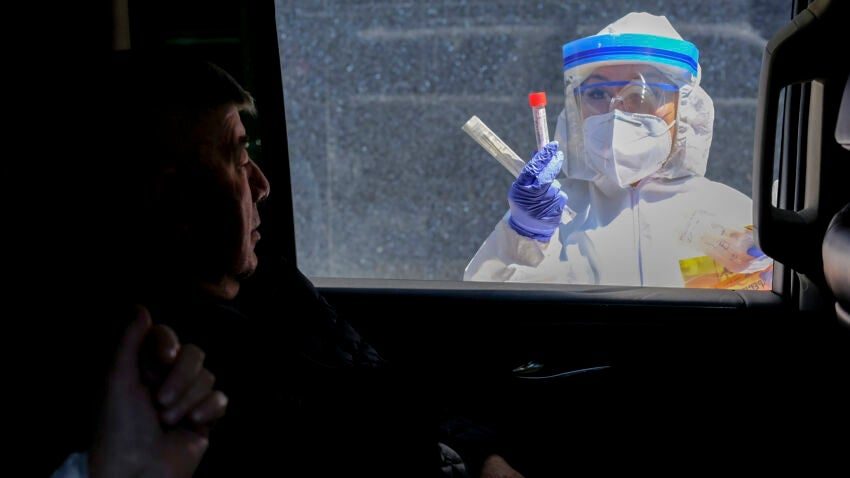
In January, a mystery illness swept through a call center in a skyscraper on Michigan Avenue in Chicago. Close to 30 people in one department alone had symptoms — dry, deep coughs and fevers they could not shake. When they gradually returned to work after taking sick days, they sat in their cubicles looking wan and tired.

"I've started to think it was the coronavirus," said Julie Parks, a 63-year-old employee who was among the sick. "I may have had it, but I can't be sure. It's limbo."

The revelation this week that a death in the United States in early February was the result of the coronavirus has significantly altered the understanding of how early the virus may have been circulating in this country. Researchers now believe that hidden outbreaks were creeping through cities like Chicago, New York, Seattle and Boston in January and February, earlier than previously known.


Comment:


Arrow Down

UK sees record declines in manufacturing and service sector output as pandemic continues

welding
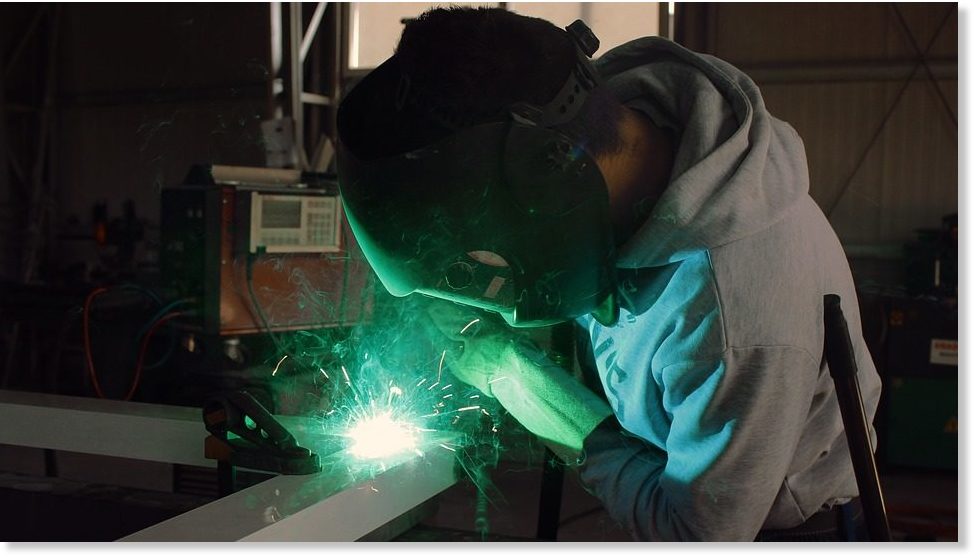
Widespread business shutdowns at home and abroad in response to the coronavirus pandemic has unsurprisingly resulted in a rapid reduction in UK private sector output during April, according to latest IHS Markit/ CIPS Flash UK Composite PMI.

The data has signalled by far the fastest decline in business activity since comparable figures were first compiled over two decades ago.

At 12.9 in April, down from 36.0 in March, the seasonally adjusted IHS Markit / CIPS Flash UK Composite Output Index - which is based on approximately 85% of usual monthly replies - indicated that the combined monthly decline in manufacturing and services activity exceeded the downturn seen at the height of the global financial crisis by a wide margin. Prior to March, the survey-record low was 38.1 in November 2008.

Around 81% of UK service providers and 75% of manufacturing companies reported a fall in business activity during April, which was overwhelming attributed to the COVID-19 pandemic.