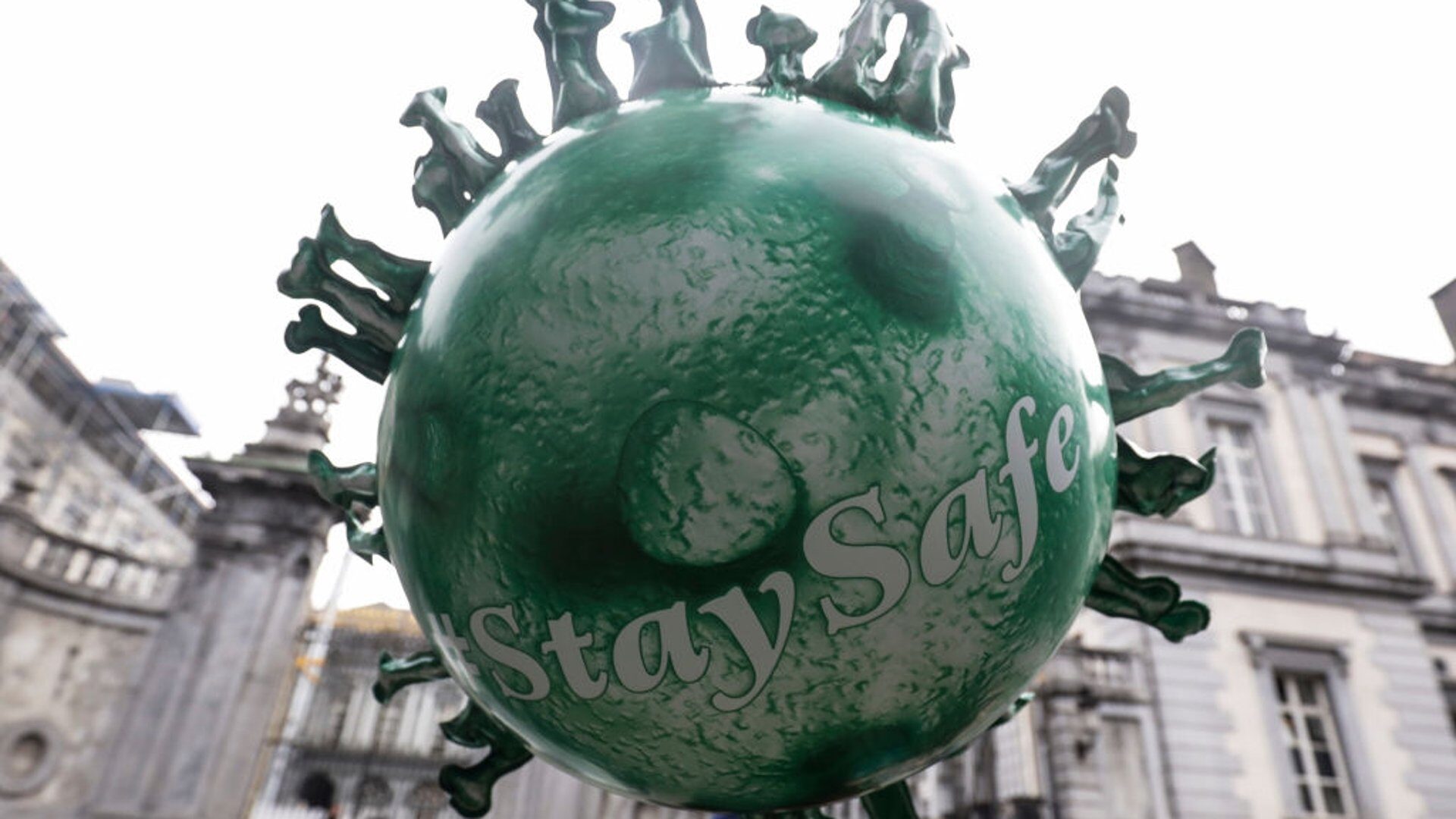
© Getty Images
The appearance of SARS CoV-2 has been deemed worthy of extraordinary measures to contain or suppress its spread. With a rise in infections across Europe, politicians are once again scrambling to reintroduce a series of policies that amount to lockdown in all but name. France has introduced a curfew. Italy has made the wearing of masks mandatory outdoors. And London's nine million residents have been banned from meeting people they don't live with indoors.
Such extraordinary measures imply that the epidemic of SARS-CoV2 has features that are out of the ordinary when compared to previous pandemics. But is this right? Or are we setting a precedent for the way we deal with infectious diseases?We are, of course, all familiar with acute respiratory infections and their effects. They are a seasonal nuisance; occasionally they can put us into hospital, or even worse, speed our departure. A host of known pathogens circulate across different parts of the year and some -
40 per cent - cannot be identified. Each infectious pathogen, generally, has its seasonal window. In the northern hemisphere, influenza occurs each winter; chickenpox tends to peak in spring; and in the past, polio occurred in late summer and autumn. The four human coronaviruses that already circulate are also seasonal. A US study that followed over a thousand individuals for eight years found they are most common between December and May, with only 2.5 per cent of infections occurring between June and September. Why would it be assumed that Covid-19 be any different?
Historically, seasonal pathogens have been dealt with by either
monitoring them or by vaccination of those most vulnerable. Licensed vaccines are, however, only available against one of the many agents: influenza. The last pandemic was swine flu in 2009. It was not as severe as initially thought, in part,
because older people were found to have population immunity. Today the swine flu virus is seasonal and is often included in the annual influenza vaccine to mitigate its effects.



















Comment: An authentic voice from the trenches.