
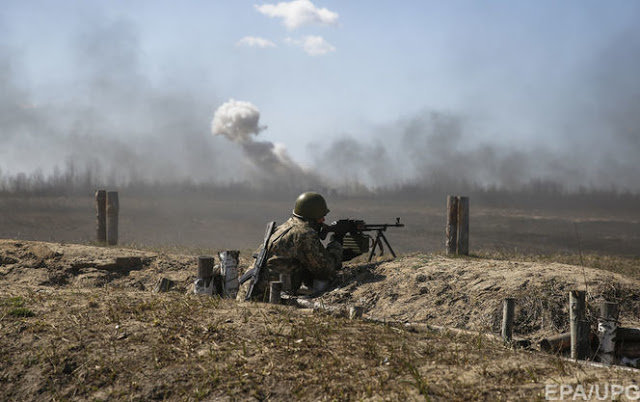
The Ukrainian armed forces and volunteer battalions, including no less than three platoons and supported by artillery, attempted to go on the offensive from the direction of Dzerzhinskoye (called Azov in Ukraine).
The attack was repulsed by the armed forces of the DPR and the enemy lost no less than 5 soldiers and 8 wounded. A UAF APC was also hit.
Fighting also erupted near Shirokino, where the Ukrainian side attempted to attack the DPR's positions on the southern front. The operational command of the DPR reported: "At 10:00 on November 26th, the enemy, with forces of up to three platoons of personnel and supported by armored vehicles under the cover of 82mm and 122mm mortar fire from Shirokino, attempted to attack our positions near the village of Vodyanoe. Over the course of the firefight, the enemy was stopped and driven back to their original positions."













Comment: It is hard to know if politicians running for office are personally invested in what they propose or if it is just that trendy thing that will get them elected. In qualifying a popular position with a possibly untenable one, they say the 'right' things knowing the likelihood of it happening will be limited. Trump is the trend. Expelling Salafist preachers/Sunni fundamentalists is the lesser possibility.