
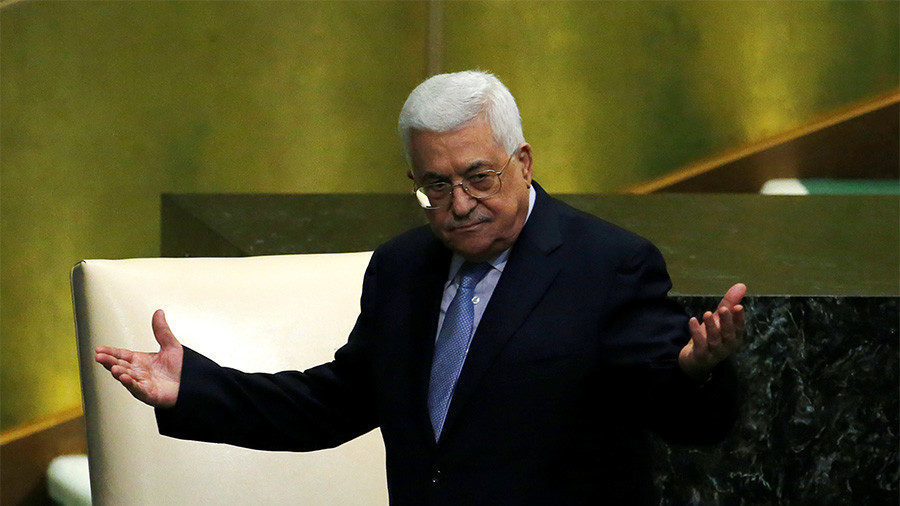
© Eduardo Munoz / ReutersPalestinian President Mahmoud Abbas
"We will not accept the status quo. We will not accept the apartheid system. We will not accept occupation without cost, and you [Israel] must rethink your aggressive policies and actions against our people, our land and our holy places before it is too late," the Palestinian Authority President said in Ramallah, marking the 53rd anniversary of Fatah.
Abbas vowed to continue all possible political and diplomatic efforts to create an independent Palestinian state with East Jerusalem as its capital based on the 1967 borders. Jerusalem is "the eternal capital of the Palestinian people," he said, as cited by Israel's Channel 10 network. "We are staying here and won't leave until Palestine is liberated. East Jerusalem is the capital of the Palestinian state."

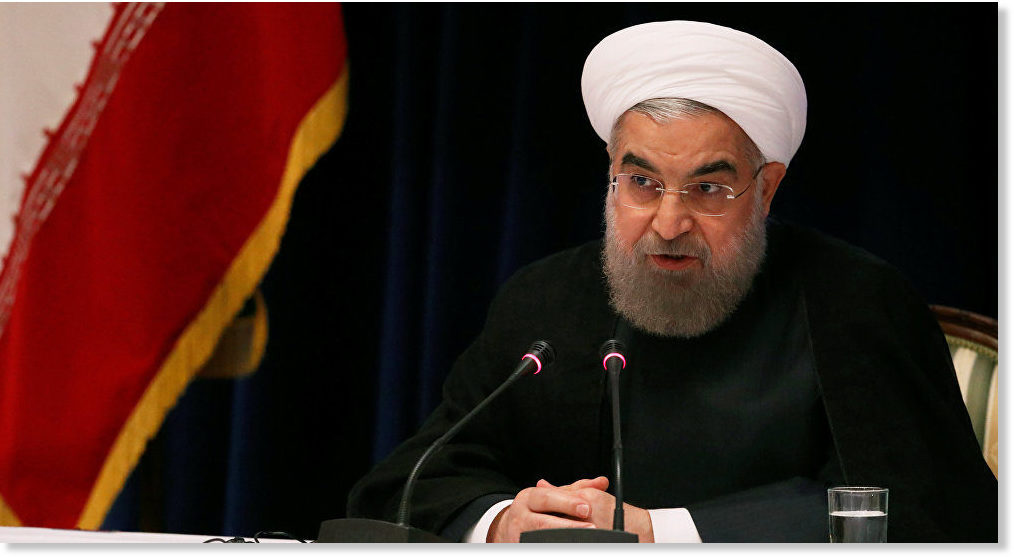







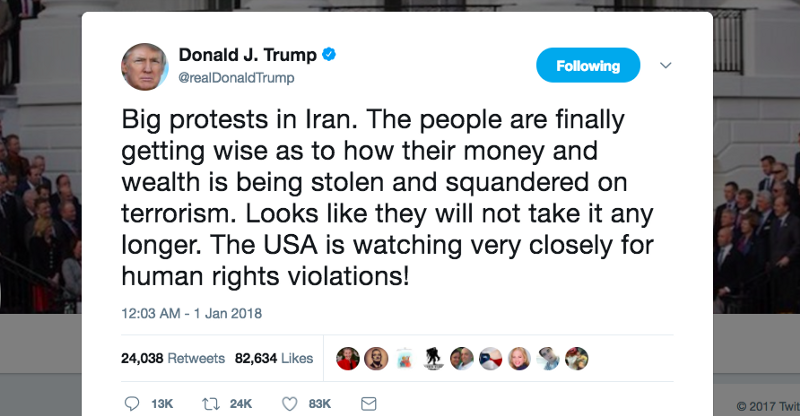







Comment: Rouhani's statements reflect a nuanced and objective approach to the unrest that Iran is now seeing. On the one hand, there is a strong component of outside "color revolution" sentiment being fomented - but on the other, there are national issues and problems (like any country has) - that are legitimate and require solutions. That the Iranian President can see both dynamics at play, and address them as such, says something positive about his character and level of leadership.