

© Jean-Paul Pelissier / Reuters
The 5,100-ton KOTI tanker was detained by authorities in the port of Pyeongtaek-Dangjin in South Korea's Gyeonggi Province, Yonhap news agency reported. Security and customs officials decided last week not to let the ship leave the port after suspecting it of engaging in ship-to-ship oil trade with North Korea in violation of UN sanctions.
The Sunday report said most of the crew of the KOTI were Chinese and Myanmar nationals. South Korean authorities would not provide details of the ongoing investigation.

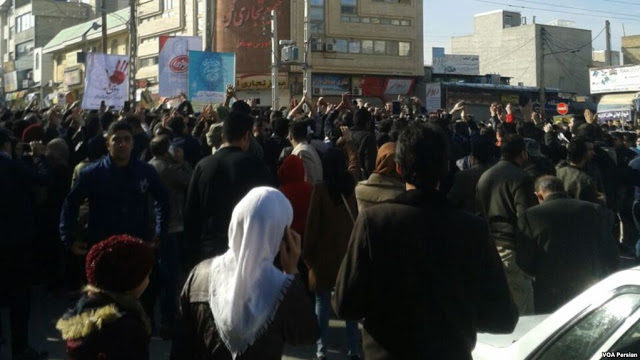










Comment: HRW's Ken Roth and John McCain are both pushing the regime change agenda, trying to give the impression that the Iranian protesters want what Roth and McCain want, not what they are actually protesting for: economic reforms.
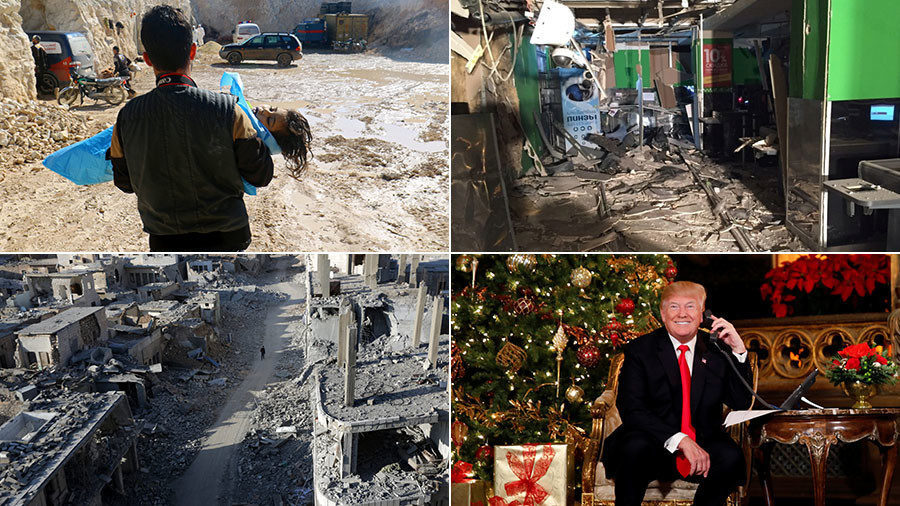
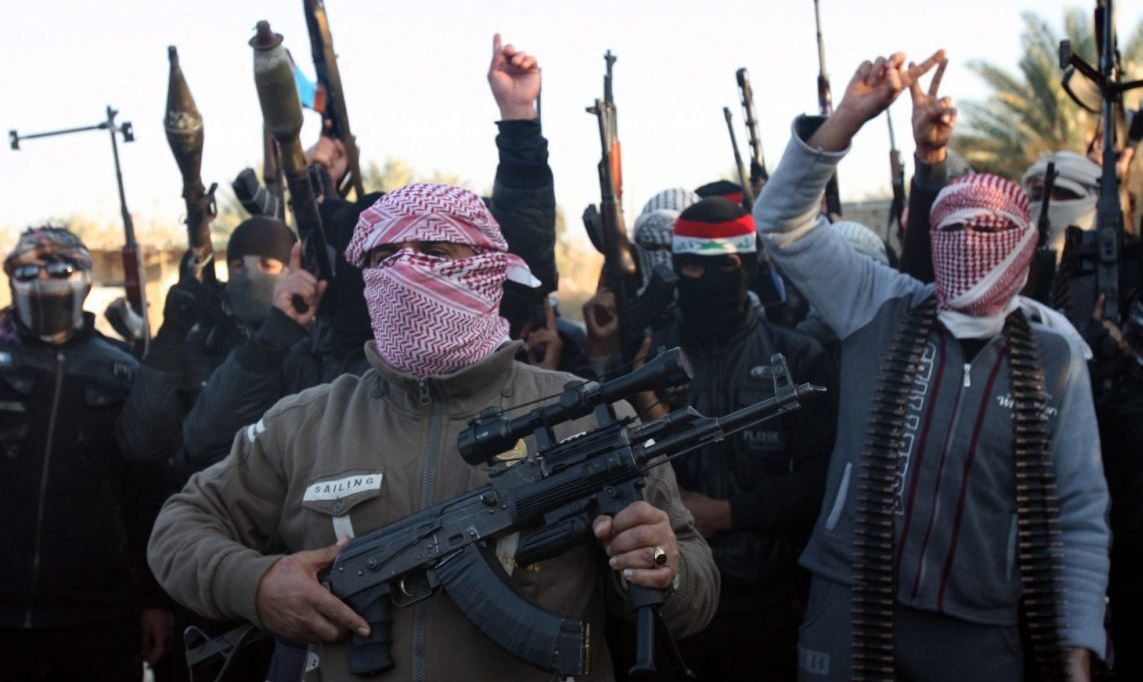
Just as initially peaceful protests in Syria in 2011 turned violent almost immediately after jihadists hijacked them, the same dynamic is happening in Iran. Terrorist group Ansar al-Furaq is calling for an armed uprising against Iran's government: Why is it that terrorist groups and American leadership always have the same goals?
See also: