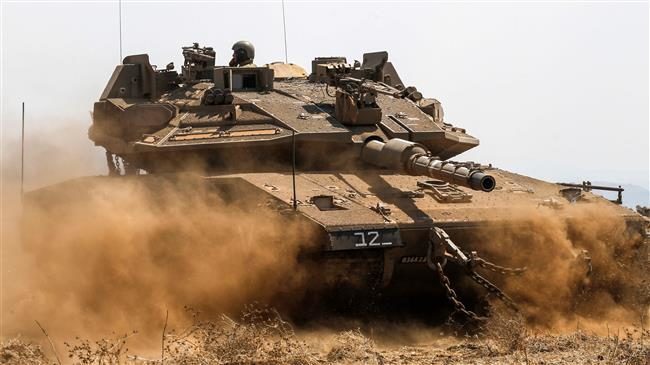
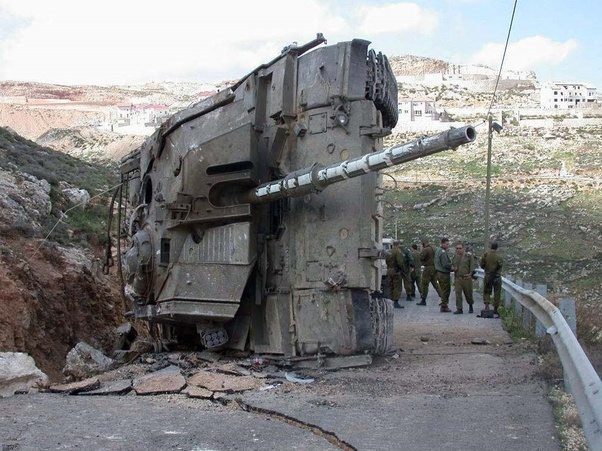
Tension is silently mounting between Israel and Hezbollah on the Lebanese border, where frenetic preparations are taking place, under the watchful eyes of both belligerents. There is an unusual state of alert, yet hardly visible to the naked eye:
Israel is increasing its patrols on the borders, rising the deployment of officers and soldiers in their static military positions on the Lebanese borders, and Israeli jets and reconnaissance drones are more frequently violating the Lebanese airspace. For its part, Hezbollah is also improvising new positions to cover any gaps on the front, inland and underground, increasing the level of alert and rec
alling its well-trained and experienced Special Forces (Al Ridwan units) from Syria to take preventive positions facing Israel. But is a third war possible today between Hezbollah and Israel after Israel's failure in 2006? Why is the tension increasing just now?
Twelve years after the war that ended in August 2006, the drums of war are silently beating in the south of Lebanon.
Since that date Hezbollah has increased its military capabilities and has stockpiled long-range accurate strategic missiles, solid fuel to ensure a rapid launch (built to its needs-high explosive warhead). Moreover, Hezbollah has acquired anti-ship missiles that can close any Israeli harbour and hit any ship and oil platform in the Mediterranean.
There are strong indications that Hezbollah has anti-air missiles in its arsenal and that its militants are trained in using these in air raids.Also, its Special Forces have gone through all kinds of warfare in Syria, from open desert to urban warfare, fighting ideologist jihadists indifferent to casualties (al-Qaeda in Syria) - plus dealing with car bombs, guided armed drones, suicide attacks...
accumulated significant military experience any army in the world would dream of acquiring. Hezbollah has worked very closely with a classical army (the Syrian army), a Superpower (the Russian forces deployed in Syria), with irregular guerrilla groups (Iran's allies) and alone in dozens of battles - throughout these seven years of war. Hezbollah's strategic missiles are installed along the Lebanese-Syrian borders, inside the mountain chains, and under the ground to avoid Israeli bombs and also keep the action away from Lebanese residential areas.












Comment: See also: