
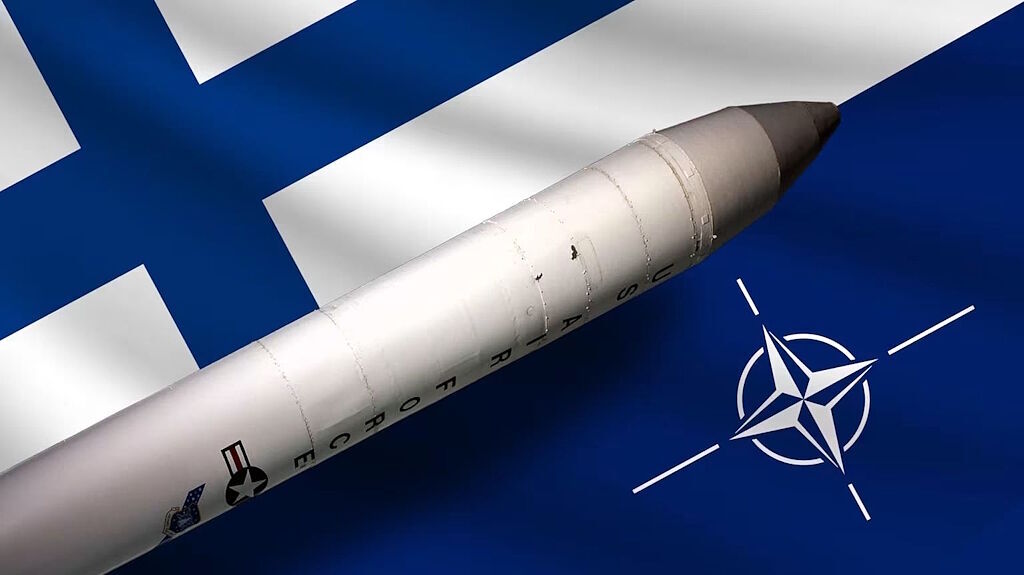
Finland officially became the 31st member of NATO in April 2023 - having abandoned its historic neutrality in the wake of the Russian invasion of Ukraine, in what was among the fastest accession processes in the Western military alliance's history. Now it is already willing to host allied nukes on its territory, making it a target of Russian retaliation.
Moscow has long warned against such an ultra-provocative move. The Kremlin said Monday that this requires a response - given also the fact that Russia and Finland share an over 800-mile long border, which is made up largely of Arctic frontier.
"The results of the vote represent both bright and unflattering victory of the blind Russophobia of the past few years over what we have always viewed as pragmatic sanity in Finland," said Russian Foreign Ministry spokeswoman Maria Zakharova.
"And let nobody doubt that [response] measures will be taken timely and effectively. In this light, the Finnish people need to think whether this decision made by their elites will actually enhance security in Finland itself," she added.
As a start, Russia has moved to shutter more rail crossings to NATO states, including Finland - which is to further severely impact trade:
Russia has closed seven railway border checkpoints with Finland, Estonia and Latvia, according to a government decree published Tuesday.
The suspension, which takes effect July 1, halts the movement of individuals, vehicles and cargo through the designated rail crossings. Five of the shuttered checkpoints are located on the Finnish border, while Estonia and Latvia each have one crossing affected.
Officials have not disclosed the reasons for the closures or when the checkpoints might reopen.
In Estonia, the Ivangorod freight and passenger crossing will remain open, and in Latvia, the Sebezh crossing will also stay open. However, the closures leave Finland with no open railway crossings with Russia, which normally exports fertilizer to Finland by rail.
Finland shut its eastern vehicle and pedestrian border crossings with Russia indefinitely in December 2023 following an influx of asylum seekers.
Comment: So Russia is just formalizing from its side actions previously taken by the Finnish government. It doesn't seem to have been a wise decision. Russian trade and tourism was the lifeblood of the area:
Since the Ukraine war began, and in context of ratcheting tensions with NATO over its military support to Kiev, Moscow has steadily militarized its border with Finland.
The most significant source of NATO's nuclear-sharing program is the United States. But lately France has expressed a desire to station some of its atomic arsenal in partner countries, and this could include in Finland, Sweden, Denmark and others.


Comment: Little Napoleon would love to be able to brag about being the 'protector of Europe'.