Puppet MastersS


Putin

Two solitudes: How to think about Vladimir Putin

putin portrait
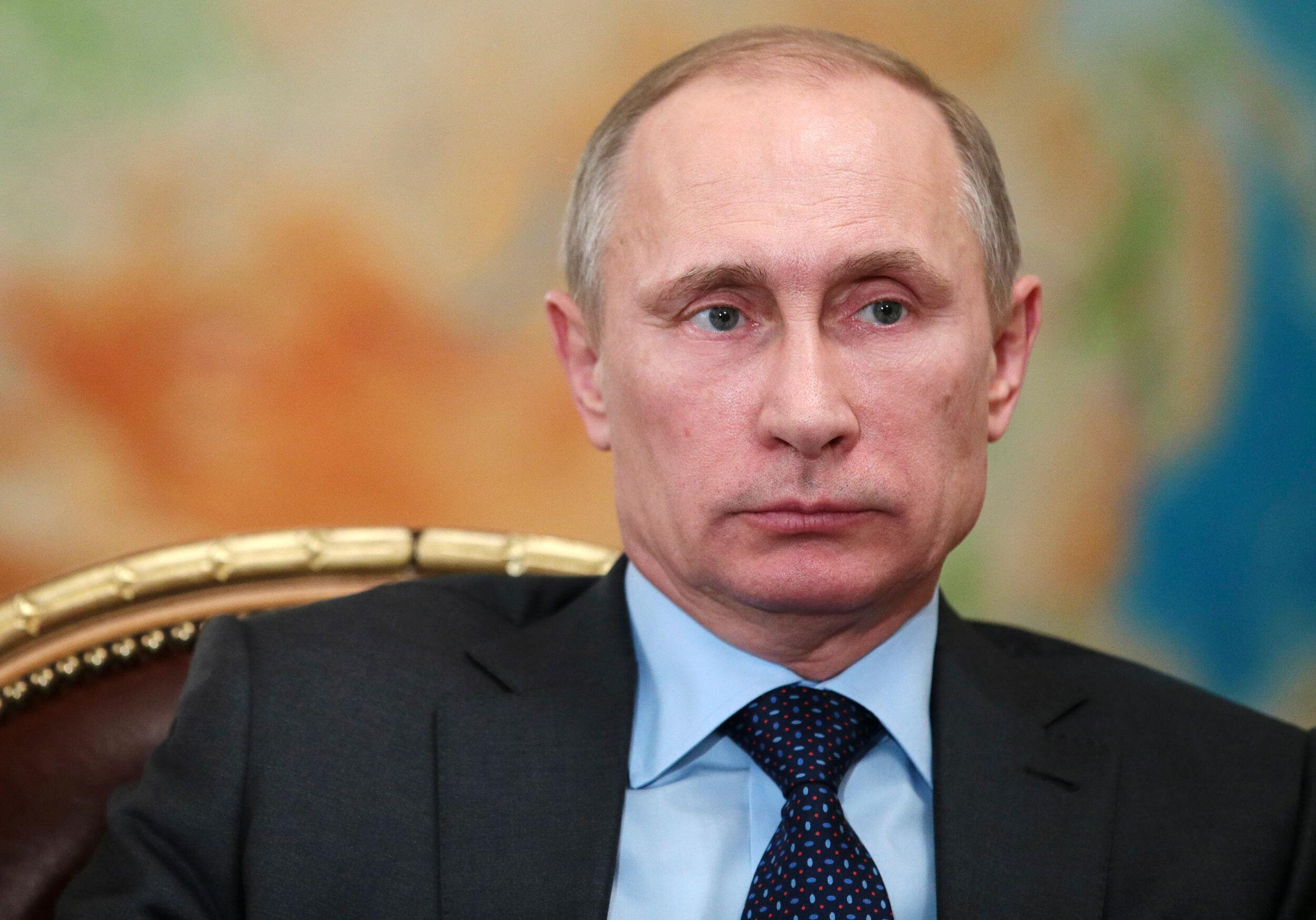
Vladimir Putin, President of Russia
The following is adapted from a speech delivered on February 15, 2017, at a Hillsdale College National Leadership Seminar in Phoenix, Arizona.

Vladimir Putin is a powerful ideological symbol and a highly effective ideological litmus test. He is a hero to populist conservatives around the world and anathema to progressives. I don't want to compare him to our own president, but if you know enough about what a given American thinks of Putin, you can probably tell what he thinks of Donald Trump.

Let me stress at the outset that this is not going to be a talk about what to think about Putin, which is something you are all capable of making up your minds on, but rather how to think about him. And on this, there is one basic truth to remember, although it is often forgotten. Our globalist leaders may have deprecated sovereignty since the end of the Cold War, but that does not mean it has ceased for an instant to be the primary subject of politics.

Propaganda

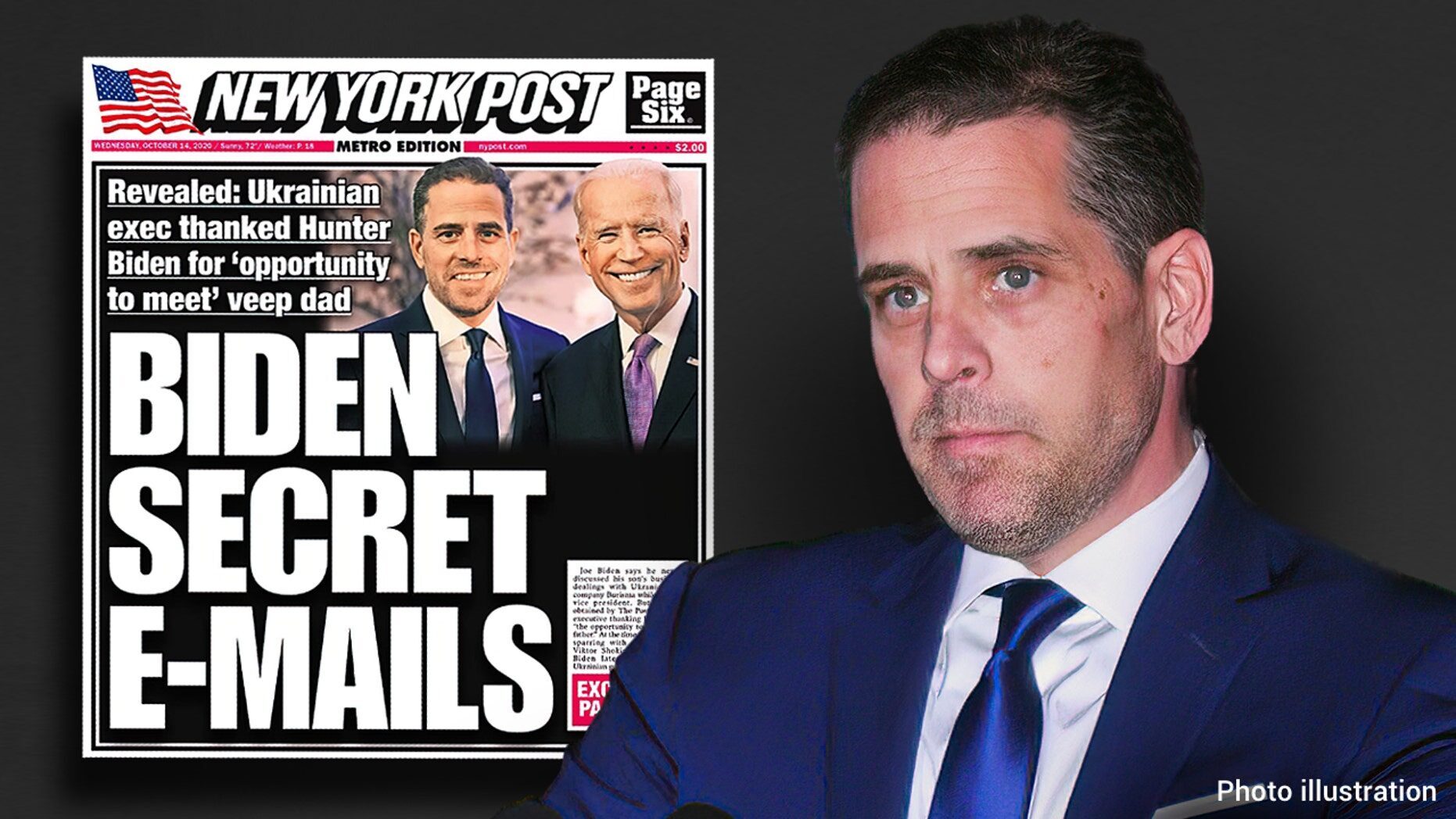
Hunter Biden scandal: CNN, MSNBC, ABC, CBS, NBC completely ignore NYT report verifying laptop emails from 2020

hunter biden laptop new york post headline
© Getty images | New York PostThe laptop the Times referred to was the same laptop at the center of the New York Post's explosive reporting, which published several emails that came from a copy of Hunter Biden's hard drive just weeks before the 2020 election.
It was once routine that damning reports about the president published by The New York Times would lead nearly every news program. That is no longer the case, at least under President Biden.

The Times ran a lengthy story Wednesday diving into the Justice Department's ongoing investigation of Biden's son Hunter and how a grand jury is still collecting witness testimony and records regarding his business dealings overseas. The Times also verified the explosive emails first published by the New York Post in October 2020, just weeks before the presidential election, that implicated then-candidate Biden despite public denials he had anything to do with his son's finances.

Since Wednesday evening, the Times' report has received zero attention on the five major networks.

Comment: The question is, why now? The Times is a well-known CIA mouthpiece. Is this the beginning of easing Granpa Earpiece out of office?

Breitbart reports:
The Times is just the latest among a series of left-wing activist outlets to tacitly come clean about the lies it spread in October 2020, coming around almost two years later to "confirm" what we all already knew — that my original reporting on the laptop and its contents was accurate and true — but stopping just short of taking responsibility for its own role in spreading "disinformation" about a critical story in the run-up to a presidential election.

Now, the paper is trying to pretend all of that just didn't happen — burying in paragraph 24 of a multiple-byline piece the scandal-scarred Biden's legal woes
:People familiar with the investigation said prosecutors had examined emails between Mr. Biden, Mr. Archer and others about Burisma and other foreign business activity. Those emails were obtained by The New York Times from a cache of files that appears to have come from a laptop abandoned by Mr. Biden in a Delaware repair shop. The email and others in the cache were authenticated by people familiar with them and with the investigation [Emphasis added].
Michael Hayden, it is worth noting in case this tale needs an extra shot of cynicism, serves on the board of NewsGuard — the supposedly "neutral" project that claims to fight untrustworthy and "fake news" but employs strictly establishment mainstays such as Hayden, Condoleezza Rice, and fellow Bush alum Tom Ridge.

Like the rest of the establishment media, NewsGuard misled the American public about the authenticity of the laptop. Its cofounder, Steve Brill, took to cable news to claim, apparently based on a hunch, that the laptop was "a hoax, maybe even a hoax perpetrated by the Russians again."

These so-called journalism outfits lied to and deceived the American people in a scramble to protect their preferred presidential candidate, and they continue to do so as they now insist on gaslighting about their past behavior — which is exactly why the American people, in turn, find them so loathsome.
And from the New York Post itself, on the 51 'intelligence' experts refuse to apologize for discrediting true Hunter Biden story:
New York Post hunter laptop lies
© New York Post
They are the supposed nonpartisan group of top spies looking out for the best interest of the nation.

But the 51 former "intelligence" officials who cast doubt on The Post's Hunter Biden laptop stories in a public letter really were just desperate to get Joe Biden elected president. And more than a year later, even after their Deep State sabotage has been shown again and again to be a lie, they refuse to own up to how they undermined an election.

The officials, including CNN pundit and professional fabricator James Clapper — a man who was nearly charged for perjury for lying to Congress — signed a letter saying that the laptop "has the classic earmarks of a Russian information operation."

[...]

Keep in mind that Twitter already had banned The New York Post a few days before. The rationale was that this was "hacked materials," even though it wasn't — and Twitter had no evidence to think it was. A Facebook official, meanwhile, said it wasn't going to allow the sharing of The Post's story until it was "fact checked" by a third party — a check that never happened.

[...]

Thus, Big Tech, former government officials, and the media conspired together to bury a story.

In short, they peddled online disinformation to sway an election.

No one actually proved The Post's reporting was wrong. Media outlets showed up at the doorstep of the computer repairman who had gotten the laptop, and he confirmed it. People who exchanged e-mails with Hunter Biden attested to their accuracy in the days and weeks that followed.

Only after the election was safely over did Hunter tacitly admit the laptop was his. Last year, a Politico reporter confirmed that the laptop's materials were real. And now, the coup de grace: The Times said it's "authenticated" material from the laptop.

There have been no consequences. Twitter and Facebook still censor information based on political bias, and Congress takes no action. Many of the letter signers continue to be used as "experts" by the media. Clapper, for instance, spent years on CNN calling Donald Trump a "Russian asset," a lie invented and fed by political operatives of Hillary Clinton. He's still there. Guess accuracy is not a condition of employment.

Do the officials who tried to flip the 2020 election feel any regret for their actions? The Post reached out to those who signed the letter. Most would not answer the question. A few doubled-down, including Clapper. No remorse. No shame. And no apologies.
[...]


Wolf

Zelensky bans main Ukrainian opposition party, 11th party to be banned

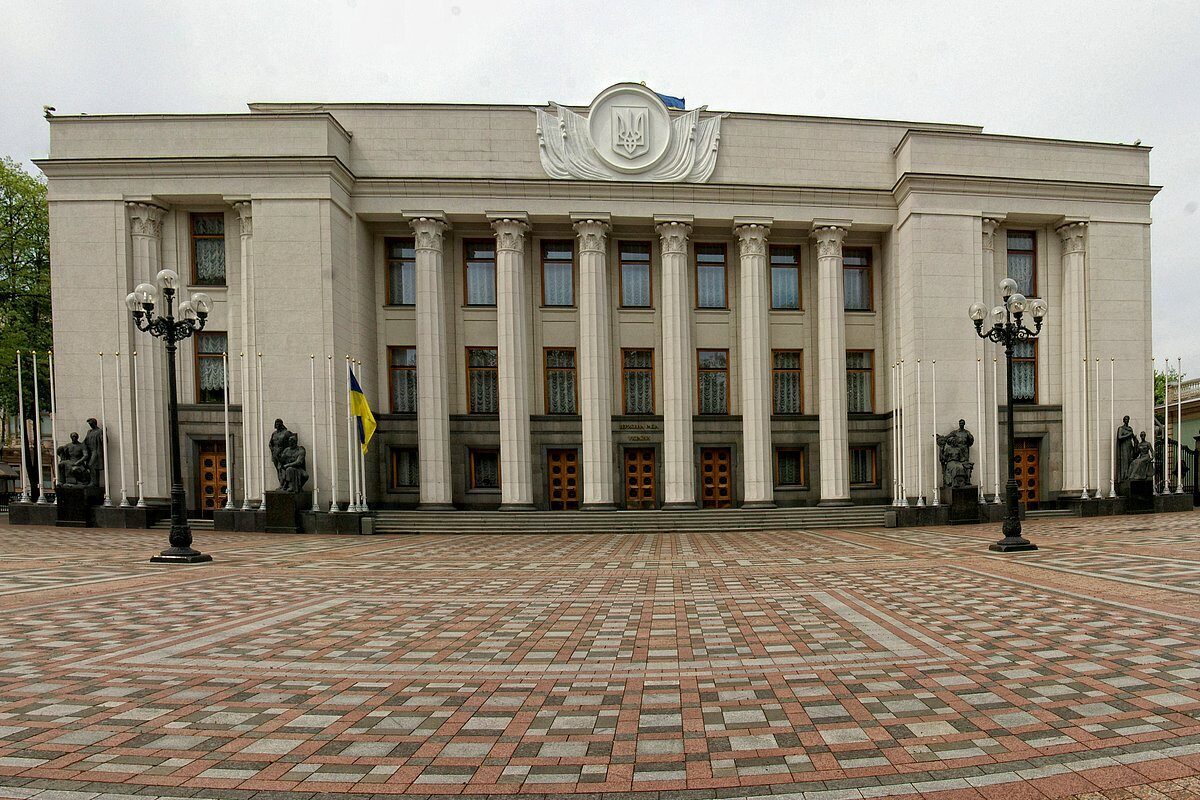
ukraine parliament building
The Verkhovna Rada or Ukrainian Parliament building in Kiev.
Ukraine has moved to suspend the activities of almost a dozen opposition parties, including the parliament's second-largest group, Opposition Platform - For Life, for as long as the conflict with Russia continues.

Ukrainian President Volodymyr Zelensky announced the decision of the country's National Security and Defense Council (NSDC) on Sunday.

It was made "given the full-scale war and the ties of some political structures with this state," he said, apparently referring to Russia. According to Zelensky, the activities of the opposition parties will be put on hold "for the period of martial law."

Comment: Below one of the opposition party founders, Anatoly Shariy, reveals some of the horrors that Ukrainian's under Zelensky have to face:


Also check out SOTT radio's: Russia, China and the New World Order


SOTT Logo Radio

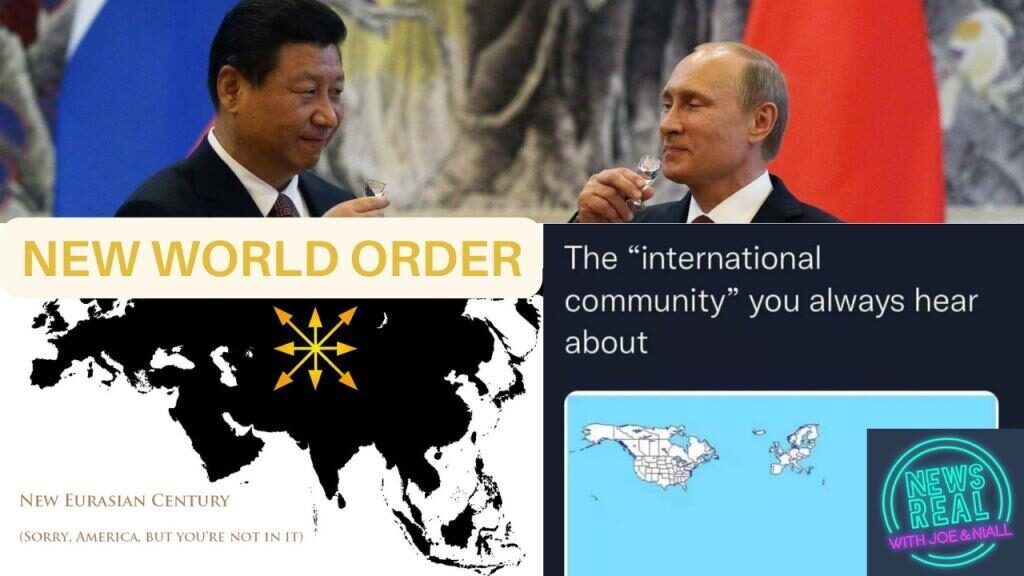
SOTT Focus: NewsReal: Russia, China and the New World Order

newsreal new world order putin ukraine china
© Sott.net
For many years, the term 'New World Order' was used by US and some other Western officials to refer to the post-USSR world of unbridled Western dominance, in which the 'End of History' would see the whole Earth subsumed within Western civilization. In the meantime, an overlapping conception of the 'NWO' saw Western dissidents warn of a coming 'New World Order' in which globalist technocrats would control all governments and turn the entire global population into slaves. Both of these conceptions of our shared future were 'true', depending on the point of view of the person using them.

But now a different, non-Western conception of the 'new world order' is emerging, one that Western leaders are loathe to publicly recognize, but which they tacitly acknowledge because they are doing all they can to prevent its occurrence by setting off fires of war and want in a giant 'arc of instability' from the Middle East and Eastern Europe to Central Asia and the Far East.

This week on NewsReal, Joe and Niall look at the rise of the 'multi-polar world' headed by the strategic alliance of Russia and China, and the desperate - indeed, reckless to the point of suicidal - attempts of the Western powers to 'contain' it.


Running Time: 02:10:03

Download: MP3 — 89.3 MB


Quenelle - Golden

The last straw: US freezes reserves of the Central Bank of Russia

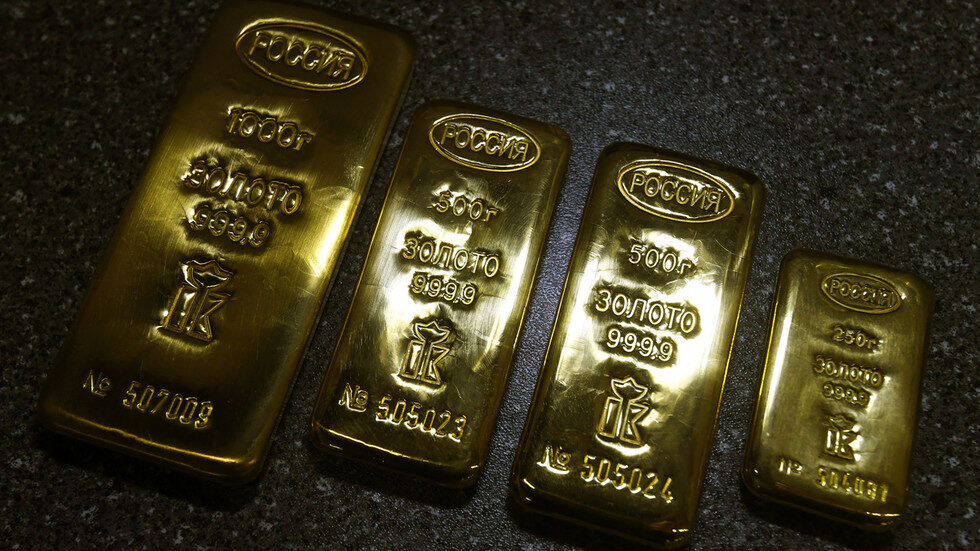
gold bars bullion russia
© Sputnik / Ilya NaymushinGold bars of the highest standard of 99.99 percent purity are seen at The Gulidov Krasnoyarsk Non-Ferrous Metals Plant (Krastsvetmet) in Krasnoyarsk, Russia.
The U.S. and its allies in the EU and others around the world have imposed the harshest economic sanctions on Russia that have ever been used. In the past, even nations directly at war with each other would continue to pay the debts they owed each other.

Since this war is in Ukraine, let's look at another war that took place in present Ukraine from 1854-56, during the Crimean War.

Britain (and France) was at war with Russia. Yet throughout the war, the Russian government kept paying interest to British holders of its debt. The British government also kept paying its debts to the Russian government.

One British minister said that civilized nations should pay their debts, even to an enemy during wartime.

But that was then and this is now. The U.S. and its European allies outside of Ukraine aren't even directly at war with Russia (not yet anyway), but they've still imposed the most punitive economic sanctions in history.

Comment: If events on the world stage are anything to go by, it seems that the ditching of the dollar might happen even faster than many suppose, however it's likely that the suffering (for the West in particular) is just beginning: And check out SOTT radio's: NewsReal: Russian Operations in Ukraine Proceeding as Planned, But Risk of War Contagion Grows


Arrow Down

Kevin McCarthy: Madison Cawthorn wrong for calling Zelensky a 'thug'

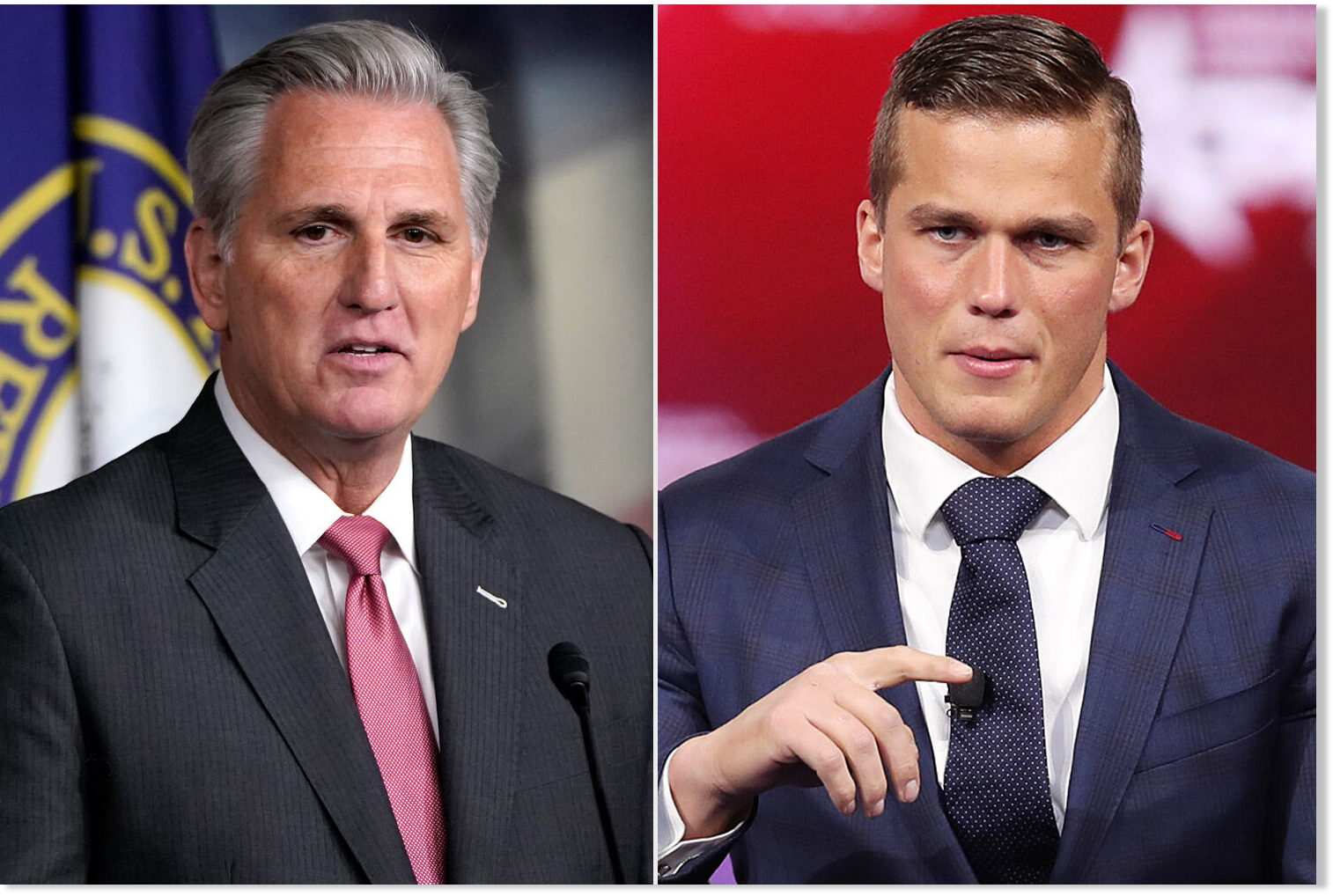
kevin mcCarthy Madison Cawthorn
© WIN MCNAMEE/GETTY; JOE RAEDLE/GETTY
House Minority Leader Kevin McCarthy said Rep. Madison Cawthorn, a member of his conference, was wrong for calling Ukrainian President Volodymyr Zelensky a "thug" amid Russia's invasion.

Cawthorn, a North Carolina Republican, made the comments to supporters at an appearance in Asheville earlier this month.

Comment: McCarthy is wrong, wrong, wrong. Cawthorn should've stood his ground. See also:


Attention

GOP rep demands Congressional investigation into media, big tech suppression of Hunter Biden laptop story

hunter biden
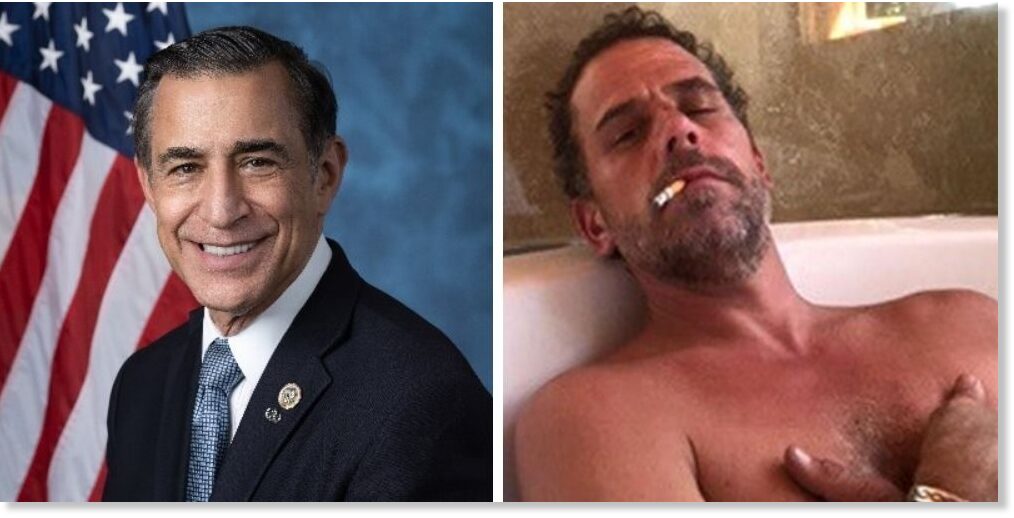
A day after The New York Times acknowledged the legitimacy of the Hunter Biden laptop story, GOP Congressman Darrell Issa called for an investigation into the media and big tech suppression of the scandal, originally reported by the New York Post.

This news is significant as a poll previously put out by the Media Research Center showed that 16 percent of voters who were unaware of the Hunter Biden laptop scandal would have switched their minds and not voted for Joe Biden for president, had they known about it at the time.

The issue for these voters was that the bombshell New York Post story on Hunter Biden was heavily suppressed at the time of the election. On Thursday, the New York Post's editorial board published an op-ed piece that issued scathing remarks against The New York Times, saying that the paper decided more than a year after their The Post's bombshell reporting that "Hunter Biden's business woes" were worthy of a story, and that they finally noted that the Biden laptop is legitimate.

Comment: See also:


Bullseye

Justice official says Durham's Trump-Russia report likely to be made public

biden durham russiagate investigation special prosecutor
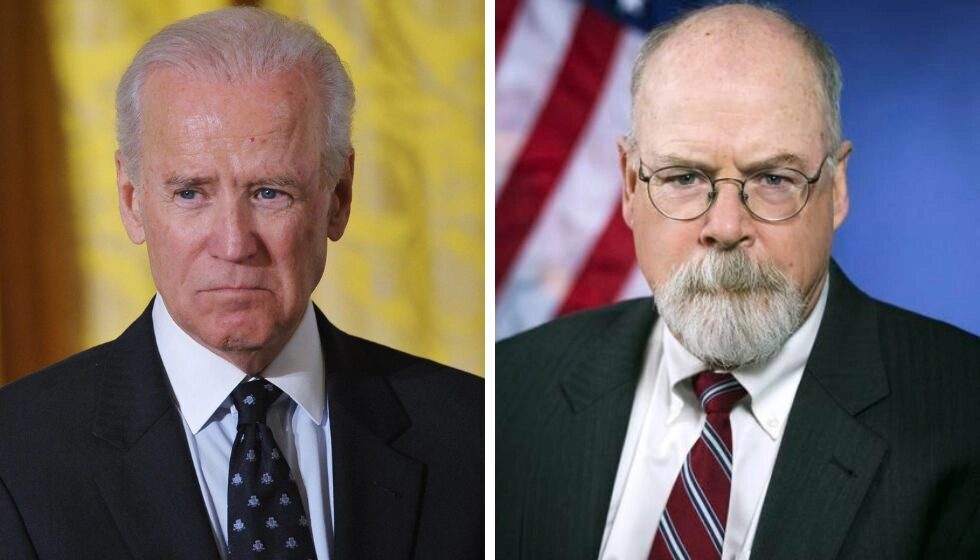
President Joe Biden and Special Prosecutor John Durham
Government watchdog group Judicial Watch has filed a Freedom of Information Act lawsuit against the Department of Justice for "records of communication between Special Counsel John Durham and Attorney General Merrick Garland."

In a press release, the lawsuit was filed after the DOJ failed to respond to an August 23, 2021, FOIA request.

Judicial Watch is requesting the following from the DOJ:
1. All records of communication, including emails and text messages, between Special Counsel John Durham and Attorney General Merrick Garland.

2. All budget records related to the operations of the office of Special Counsel John Durham.
The U.S. Department of Justice suggested that when Durham finishes his investigation into the origins of the Trump-Russia probe, his report will likely be made public.

Comment:


Health

Sanctions chaos: US quietly drops Russia oil ban, S. Korea using work arounds, Poland proposes total EU ban, Germany proposes caution

Zelensky Zelenskiy Shmygal Jansa Kaczynski
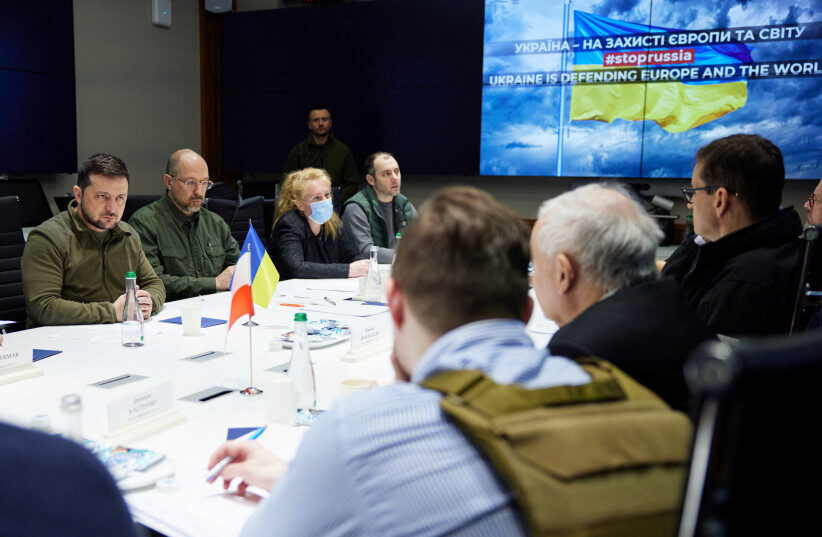
© Ukrainian Presidential Press Service/Handout via REUTERSUkraine's President Zelenskiy and Prime Minister Shmygal attend a meeting with Czech Prime Minister Fiala, Slovenia's Prime Minister Jansa, Polish Prime Minister Morawiecki and Deputy Prime Minister Kaczynski in Kyiv, Ukraine March 15, 2022.
Poland has proposed to the European Union that the bloc impose a total ban on trade with Russia, Prime Minister Mateus Morawiecki said on Saturday, urging tougher sanctions on Moscow for its invasion of Ukraine.

"Poland is proposing to add a trade blockade to this package of sanctions as soon as possible, (including) both of its seaports... but also a ban on land trade. Fully cutting off Russia's trade would further force Russia to consider whether it would be better to stop this cruel war," Morawiecki said.

Prior, the Polish government had announced it will present a proposal to organize a peacekeeping mission in Ukraine at the upcoming NATO summit and European Council meeting.


Comment: A peace keeping mission that involves declaring 'full scale' economic war on Russia?...


Comment: RT reports on the US backtracking on its threats to ban Russian oil:
On March 8, President Joe Biden announced his administration was banning Russian oil, natural gas and coal imports to the US as part of a sanctions package in response to Russia's military operation in Ukraine. Two days later, the House of Representatives passed a bill to ban Russian energy imports. The media, which speculated how long it would take for sanctions to turn toward energy carriers, quickly picked up the news, with some Western experts saying the US move could be followed by other countries.

However, according to CNN, US Senate sources are now saying it's unlikely their chamber will move on the bill to turn it into law. The sources explain that the move by the Senate is considered unnecessary after the president took executive action to ban the imports. Also, according to Senator Joe Manchin, who chairs the Senate Energy Committee, the House bill is weaker than Biden's executive action, so the Senate is reluctant to move on the measure.

If the Senate does not approve the bill, the import ban won't turn into law, and US importers can continue buying Russian energy.


The US has not stopped buying Russian oil.


According to official data, Russia supplied 8% of US imports of crude oil and petroleum products last year. With gasoline prices in the country hitting record highs this month, any disruption could push prices higher.

At the same time, the loss of the US market would barely impact Russia's oil earnings, because the country has much bigger importers across the globe. To be effective, individual country bans would need to be mirrored by a number of states to actually affect the Russian energy export sector. Some analysts say that may be the reason Washington decided to introduce the ban in the first place - as a symbolic gesture to raise pressure on other countries and oil companies to follow suit and cease energy purchases from Russia.

However, widely banning supplies from the globe's second-biggest crude producer would hurt Western countries as much as Russia. Higher oil prices would inevitably lead to higher levels of inflation and be a strain on consumer budgets. And this, in turn, could lower the readiness of voters to support the sanctions policy.
The West currently has NO alternative to a great variety of Russian commodities, that's why it is helplessly scrambling to beg other countries, and remove sanctions from others, to coerce them on board: RT reports that South Korea, that has been granted some exemptions from US sanctions, continues to trade with Russia, regardless:
South Korea plans to open temporary settlement lines between domestic banks and their units in Russia in order to help local firms finance trade that's been made difficult by international sanctions against the country over its military operation in Ukraine, Yonhap News Agency reported on Friday.

The measure - to be introduced at the end of this month - is aimed at minimizing the use of global intermediary banks that avoid dealing with Russia due to sanctions, causing the transactions to be delayed or rejected.

"The method is expected to enable swift payments as it will minimize the use of intermediary banks," Yonhap quotes from a statement by the Financial Services Commission (FSC).

The new settlement lines, however, will not be used for transactions with Russian banks or to trade in items that are on the list of global sanctions against Moscow.

Last December, trade between Russia and South Korea was reported to have increased by nearly 60% as economies started to recover from the Covid-19 pandemic, totaling roughly $22 billion in the first nine months of 2021. The biggest areas of cooperation included energy, transport, agriculture and health-care sectors.


Russia supplies 62% of the world's fertilizer:


South Korea joined the US, the EU and other nations in imposing sanctions against Russia, banning transactions with Russia's Central Bank, introducing export controls and removing Moscow from the SWIFT global payment system, among other measures.
Meanwhile Deutsche Bank, probably aware of the West's pitiful position, as well as that the tide is turning, and fast, lets it be known that it is hesitant to sabotage itself any further:
Deutsche Bank CEO Christian Sewing has urged European authorities to take their time when it comes to escalating sanctions against Russia over the military standoff in Ukraine, saying that the measures may have negative impact on the bloc as well.

"We should first let the announced sanctions take effect," Sewing said, in an interview with Welt am Sonntag, adding that the penalties have been causing enormous damage to the Russian economy.

"However, these sanctions also have a negative impact on us, and we must endure this," the head of Germany's largest financial institution said, adding states should be thinking "again and again" before introducing tougher ones.

Sewing stressed that any decision to be taken by European authorities would be supported.

The top manager also criticized the latest proposal to shut down the Nord Stream 1 gas pipeline, as such a development would pose a threat to the energy security of the entire bloc.

"If we curtail Nord Stream 1, although this will not mean the end of Russian gas supplies to Germany, this will soon lead to serious problems with energy supply, and a significant increase in prices in our country," Sewing said.


'Price increases' sounds rather innocuous, because the real impact could ultimately result in the economy grinding to a halt and slide ever closer towards collapse.


In February, Poland's Prime Minister Mateusz Morawiecki asked operators of the Nord Stream 1 natural gas pipeline, which carries more than a third of Germany's natural gas imports, to shut the route down. German energy giant E.ON, which operates the pipeline, has rejected the calls.

German CEO has called for increasing investments in renewable energy sources and to "expand their use as quickly as possible." Sewing also said that a technology-intensive nation such as Germany shouldn't rule out nuclear energy in such a decisive way.


More than anyone Germany has tried green energy, and it has (predictably) failed miserably: Energy crisis bursts multi-billion green shares bubble


Earlier this month, Deutsche Bank said it would shut down its business in Russia due to Moscow's offensive in Ukraine.
Finally, RT reports that Berlin is at a loss as to how, if it goes ahead with the establishments ultimate efforts which is to isolate Russia completely, Germany will function:
Germany's vice chancellor has said that next winter's gas supplies to his country have not so far been secured. Robert Habeck, who also serves as the economy and climate minister, hasn't ruled out there being a so-called domino effect, with a setback in the gas supply chain causing a knock-on shortage in other facilities.

"If we don't receive further gas supplies ... and the deliveries from Russia are capped or stopped, we wouldn't have enough to keep all our houses warm and to keep all our industry running," Habeck said, in an interview with the German radio station Deutschlandfunk.


The vast majority of these politicians don't care whether the average person will be able to keep their homes warm, because if they did they'd know that the costs have meant that people are already having to choose between heating and eating.


The warning comes ahead of his visit to the Persian Gulf, which begins on Saturday. In Qatar, one of the world's largest exporters of liquefied natural gas, Habeck is scheduled to meet with the emir, Sheikh Tamim bin Hamad Al Thani, and other government officials. On Monday, he is expected to participate in talks with United Arab Emirates ministers.

The visit is part of Germany's efforts to diversify its gas imports as it seeks to reduce its dependency on Russia in the wake of the latest escalation in the conflict with Ukraine. Earlier this week, Habeck traveled to Norway on a similar mission.


Chess

Russia's divorce from the West has pushed it into China's arms, here's how it will work

Xi Jinping
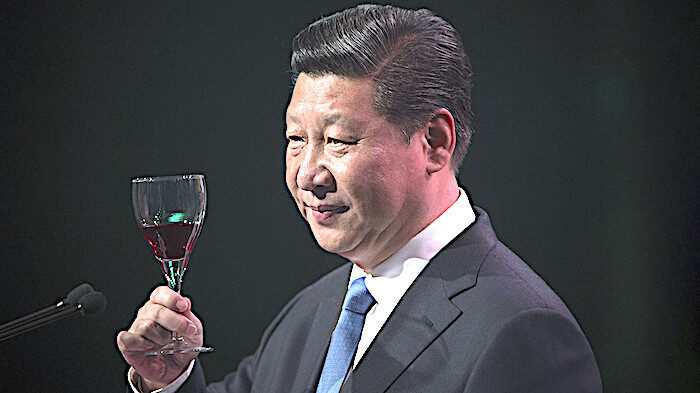
© Greg Bowker/Getty Images.jpgFILE PHOTO: Chinese President Xi Jinping
Beijing is the only major power to benefit from Moscow's conflict with Kiev

Russia's military operation in Ukraine and the consequent economic embargo of Moscow by the West is the largest upheaval in world politics since at least the end of the Cold War. The result will be a complete reformatting of the country's foreign economic relations and its economic model, as well as Russia and the US sinking into a protracted military-political confrontation in Eastern Europe.

Both factors will have a direct impact on the situation in East Asia amidst a gradually growing confrontation between China and Washington there. As a result of standing on the sidelines of the crisis and calling on the parties to show restraint, Beijing will be the only world center of power to benefit from the Ukrainian catastrophe in the long run. It is possible that the events in Ukraine will predestine China's success in opposing the United States.