Bolsonaro reduced Brazil to resources-exporter status; now Lula should follow Argentina's lead into Belt and Road.
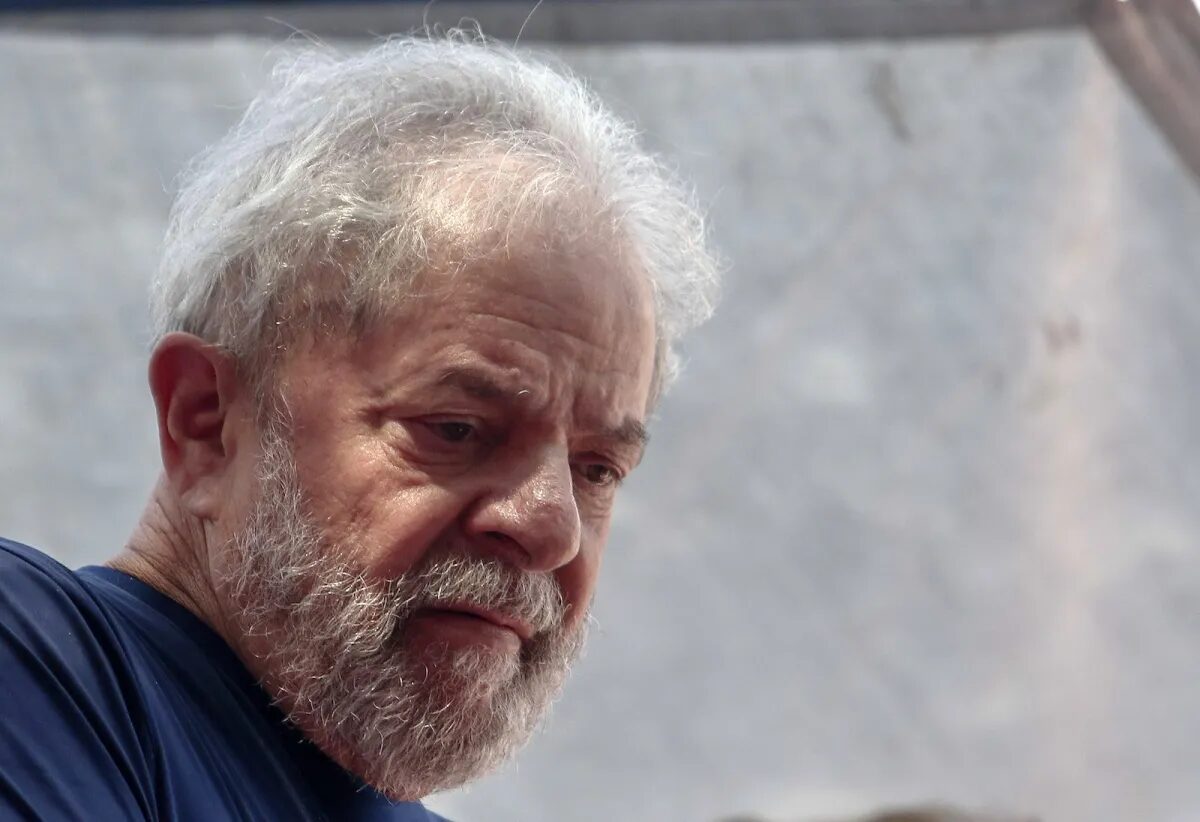
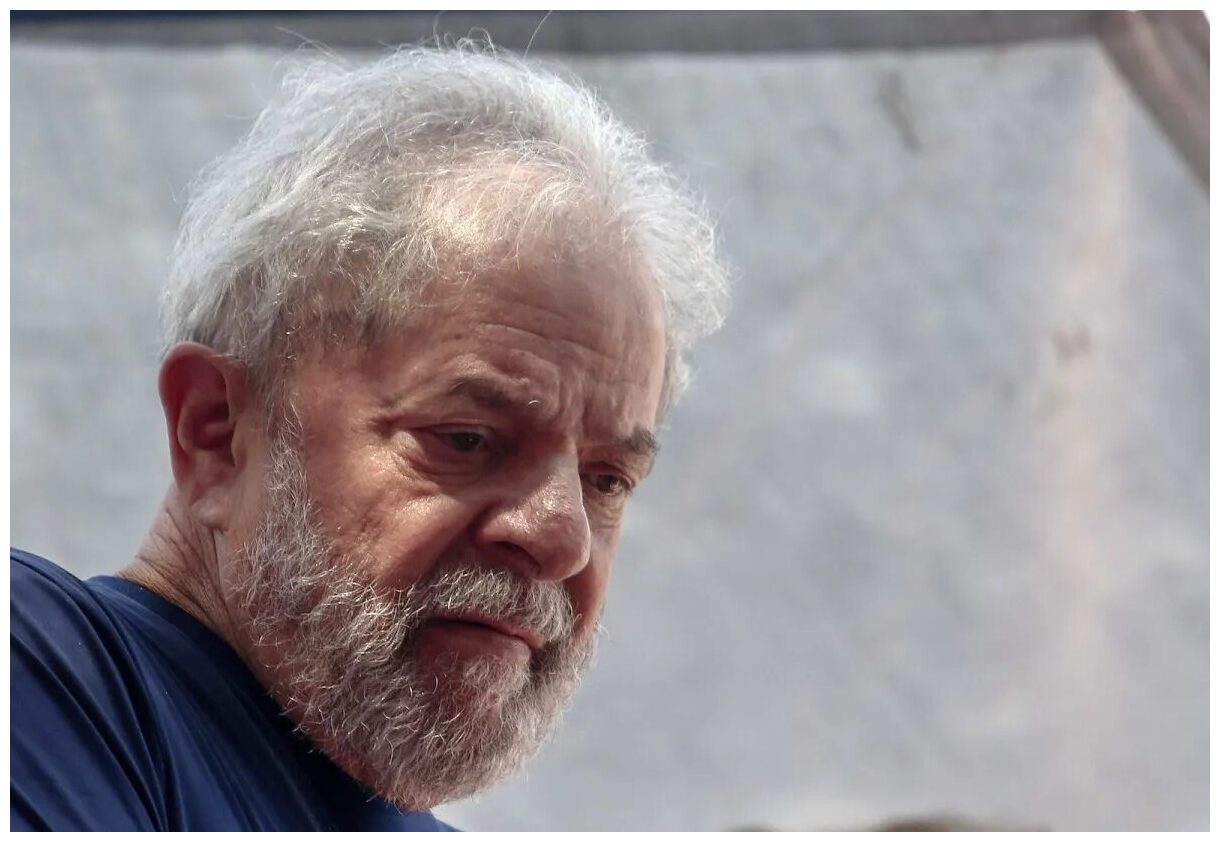
© AFP / Miguel SchincariolA file photo taken in April 2018 of Luiz Inacio Lula da Silva, the president of Brazil from 2003 to 2011 and now returning to power.
Ten days of full immersion in Brazil are not for the faint-hearted. Even restricted to the top two megalopolises, Sao Paulo and Rio, watching live the impact of interlocking economic, political, social and environmental crises exacerbated by the Jair
Bolsonaro project leaves one stunned.
The return of Luiz Inácio Lula da Silva for what will be his third presidential term, starting January 1, 2023, is an extraordinary story trespassed by Sisyphean tasks. All at the same time he will have to
- fight poverty;
- reconnect with economic development while redistributing wealth;
- re-industrialize the nation; and
- tame environmental pillage.
That will force his new government to summon unforeseen creative powers of political and financial persuasion.
Even a mediocre, conservative politician such as Geraldo Alckmin, former governor of the wealthiest state of the union, Sao Paulo, and coordinator of the presidential transition, was simply astonished at how four years of the Bolsonaro project let loose a cornucopia of vanished documents, a black hole concerning all sorts of data and
inexplicable financial losses. It's impossible to ascertain the extent of corruption across the spectrum because simply nothing is in the books: Governmental systems have not been fed since 2020.
Alckmin summed it all up: "The Bolsonaro government happened in the Stone Age, where there were no words and numbers."
Now every single public policy will have to be created, or re-created from scratch, and serious mistakes will be inevitable because of lack of data.
And we're not talking about a banana republic - even though the country concerned features plenty of (delicious) bananas.
By purchasing power parity (PPP), according to the International Monetary Fund (IMF), Brazil remains the eighth-ranked economic power in the world even after the Bolsonaro devastation years - behind China, the US, India, Japan, Germany, Russia and Indonesia, and ahead of the UK and France.
A concerted imperial campaign since 2010, duly denounced by WikiLeaks, and implemented by local comprador elites, targeted the Dilma Rousseff presidency - the Brazilian national entrepreneurial champions - and led to Rousseff's (illegal) impeachment and the jailing of Lula for 580 days on spurious charges (all subsequently dropped), paved the way for Bolsonaro to win the presidency in 2018.
Were it not for this accumulation of disasters, Brazil - a natural leader of the Global South - by now might possibly be placed as the fifth-largest geo-economic power in the world.

















Comment: 'Twitter Files' make it clear: We must abolish the FBI