Science & TechnologyS


Rose

Bee activity found to drop dramatically during total solar eclipses

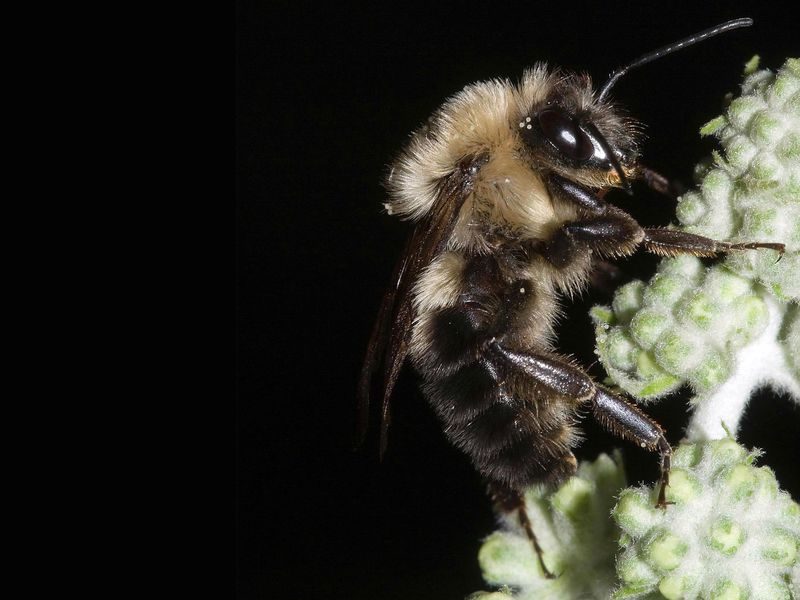
honey bee on plant
© Susan Ellis, Bugwood.orgA study conducted during the 2017 total solar eclipse in North America found that bees remained active during the partial-eclipse phases both before and after the period of totality, but they essentially ceased flying during totality.
The 2017 North American eclipse gave researchers an inside look at how bees respond to light-with the help of a few hundred elementary-schoolers

On August 21, 2017, people across North America from the Pacific coast to the Atlantic seaboard paused their normal routines to experience a total solar eclipse.

And so did the bees.

A bee's day starts when the sun rises. As long as there's sunlight, bumblebees and honey bees will stay busy from dawn to dusk. But how do the insects respond during that rare occurrence when the moon passes directly in front of the sun, casting the daytime world into shadow? Last year, ecologist Candace Galen of the University of Missouri, a team of researchers and a few hundred elementary school students set out to find the answer.

Robot

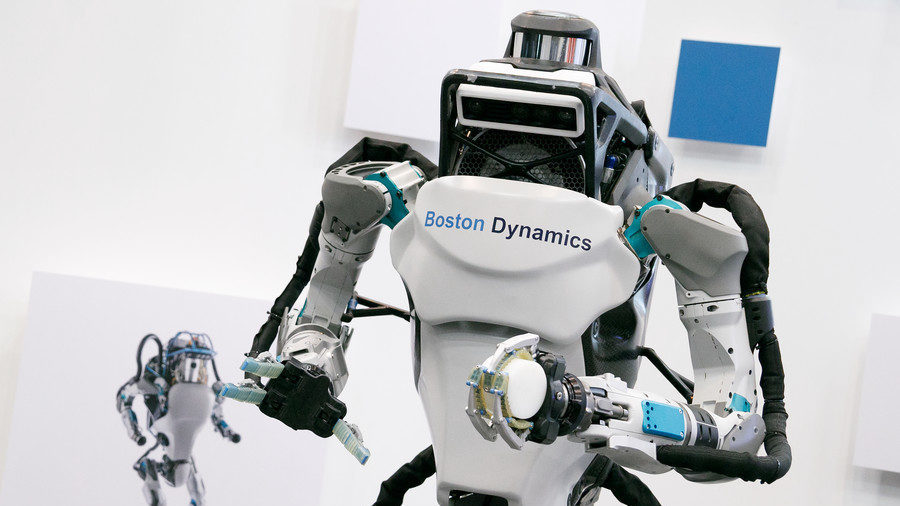
Boston Dynamics' Atlas robot can now do parkour to chase humans up stairs

Atlas robot
© Global Look / Rodrigo Reyes Martin
As humans age, we might get smarter, but we tend to slow down physically. Boston Dynamics' robots are moving in the opposite direction, learning new things at a terrifying rate.

The company's Atlas model, which just six months ago could barely jump over a log, is now hopping up stairs without skipping a beat. No longer will we be able to breathe a sigh of relief that we've outrun the post-apocalyptic robot army of our nightmares just by climbing to the second floor.

Atlas is already capable of walking and running on uneven surfaces, righting itself after being knocked over, jumping, and executing backflips that would make an Olympic gymnast proud. Or make them soil themselves in terror; depending on the gymnast.


Comment: See also: Google's Boston Dynamics unveils 'nightmare-inducing' wheeled robot - Update: Company's robot 'Handle' officially unveiled


Satellite

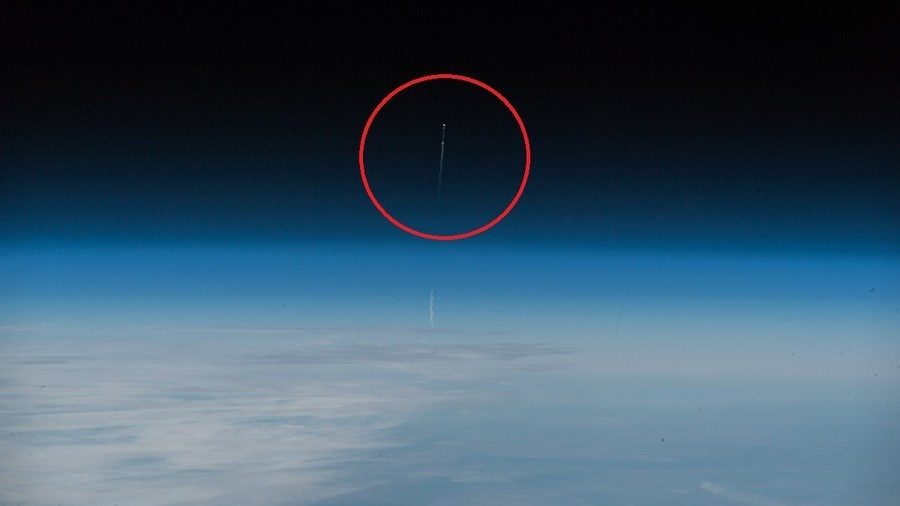
Astronaut captures moment Soyuz rocket failed on camera

Soyuz rocket failure
© Twitter / @Astro_Alex
Astronaut Alexander Gerst, who is one of three crew members currently aboard the International Space Station, captured the dramatic failed launch of the Russian Soyuz rocket in a stunning series of photographs.

The photos, which Gerst posted to Twitter, clearly show the trail of the Soyuz rocket which on Thursday malfunctioned, forcing cosmonaut Aleksey Ovchinin and astronaut Nick Hague to make an emergency landing from over 50 kilometers (31 miles). The craft's emergency system worked flawlessly though and both landed unharmed.

Comment: Also see: More ISS trouble: Russian and American astronauts dodge death in rare Soyuz rocket launch accident, successfully land in Kazakhstan


Fire

Watch as Russia tests its nuclear deterrence tech in large-scale drills

Russia nuke test
© Russian Defense Ministry
The Russian military has tested components of its nuclear deterrence, including land-launched nuclear missiles, nuclear-armed submarines and strategic aircraft with nuclear bombs, intended for retaliation against enemy attack.

All three components of the Russian nuclear triad were involved in the exercise on Thursday.

The ministry released footage of the drill, which shows naval missile launches and the deployment of Tu-95MS, Tu-22M3 and Tu-160 bombers carrying missiles.

Test launches were conducted by ships of the North and Pacific fleets as well as strategic bombers of the long-range aviation of the Russian Air Forces.

Comment: For more on the Russia's groundbreaking technology, check out: Also check out SOTT radio's: Behind the Headlines: Putin The World To Rights: Russia's New Nuclear Weapons And The End of 'Unipolarity'


Satellite

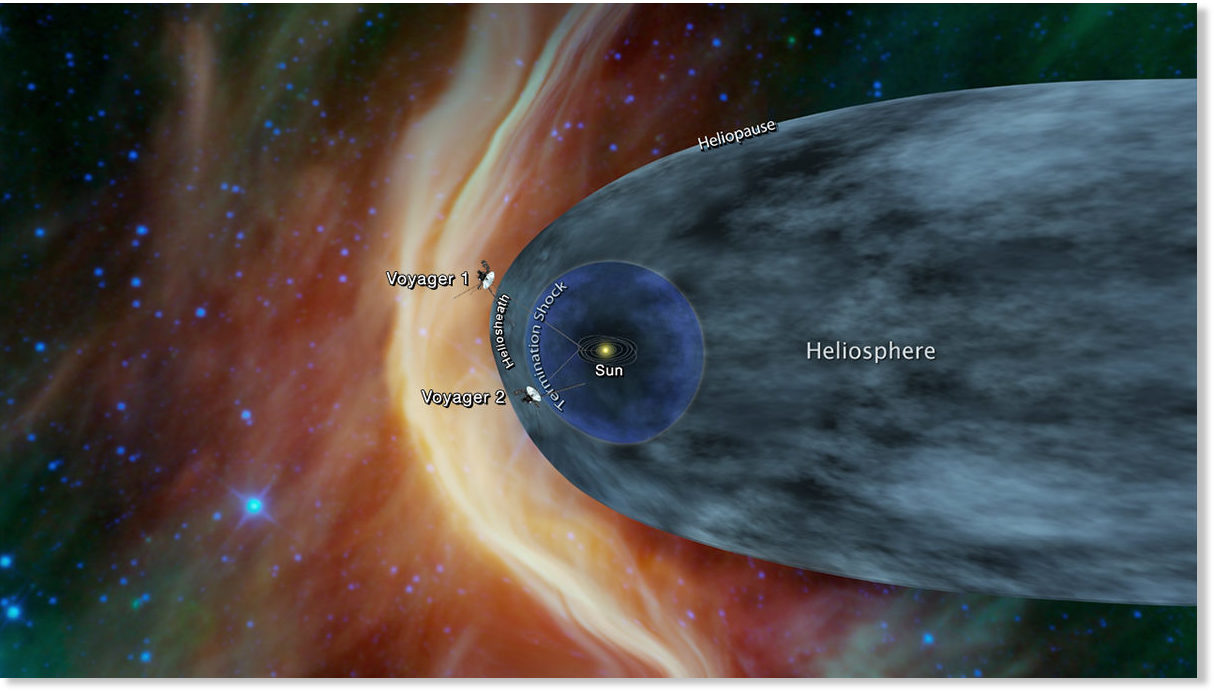
NASA scientists speculate that Voyager 2 could be nearing interstellar space

Voyager 1 and Voyager 2 probes
© NASA/JPL-CaltechThis graphic shows the position of the Voyager 1 and Voyager 2 probes relative to the heliosphere, a protective bubble created by the Sun that extends well past the orbit of Pluto. Voyager 1 crossed the heliopause, or the edge of the heliosphere, in 2012. Voyager 2 is still in the heliosheath, or the outermost part of the heliosphere.
NASA's Voyager 2 probe, currently on a journey toward interstellar space, has detected an increase in cosmic rays that originate outside our solar system. Launched in 1977, Voyager 2 is a little less than 11 billion miles (about 17.7 billion kilometers) from Earth, or more than 118 times the distance from Earth to the Sun.

Since 2007 the probe has been traveling through the outermost layer of the heliosphere -- the vast bubble around the Sun and the planets dominated by solar material and magnetic fields. Voyager scientists have been watching for the spacecraft to reach the outer boundary of the heliosphere, known as the heliopause. Once Voyager 2 exits the heliosphere, it will become the second human-made object, after Voyager 1, to enter interstellar space.

Biohazard

Scientists worried that new technology will enable smallpox to be weaponized

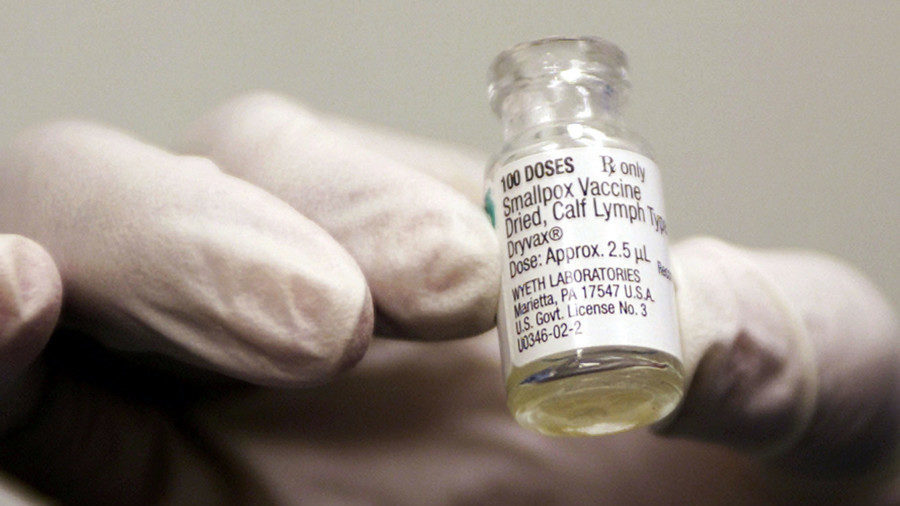
smallpox vaccine
© Reuters
Scientists are worried that new technology may give people the ability to bring back smallpox - the virus that killed hundreds of millions of people before it was eradicated in 1980 - and use it as a weapon.

The deadly virus was eradicated nearly 40 years ago following an extensive vaccination campaign. However a recent study which managed to bring back the virus horsepox, by piecing together bits of DNA, has signalled the potential for the virus to become a bioweapon.


Comment: Consider this: Steadfast anti-Vaxxers & their brave fight since the Smallpox vaccine
The smallpox vaccine was first developed in 1775, credited to Edward Jenner, who first experimented with an eight year-old boy named James Phipps. Jenner claimed that the procedure of injecting cowpox pus prevented smallpox and he convinced King George that his vaccine would eliminate smallpox. King George awarded Jenner the equivalent of half a million dollars to inoculate the public against smallpox.

After widespread vaccinations, the Smallpox Hospital in London reported a steady, disturbing increase in smallpox cases, rising from 5% to 96% by 1885. Mortality rates from smallpox also rose. The smallpox vaccine caused many diseases including syphilis, tuberculosis and leprosy.

University of Alberta researchers unveiled their controversial creation of the horsepox virus using synthetic biology in a study released January, 2018. The Canadian microbiologists revived the virus by purchasing synthetic DNA stranding online for about $100,000.

While the technology has the capacity to create lifesaving human organs, critics are warning this development can also have disastrous results. In theory, the same method could be used to manufacture the smallpox virus for a relatively low cost.

"Despite entirely predictable advances in DNA assembly, every human with an internet connection can access the genetic blueprints of viruses that might kill millions," warned MIT biochemist Kevin Esvelt in a study published last week.

Comment: See also:


Microscope 2

Scientists successfully breed mice with same-sex parents using stem cells and a DNA editor

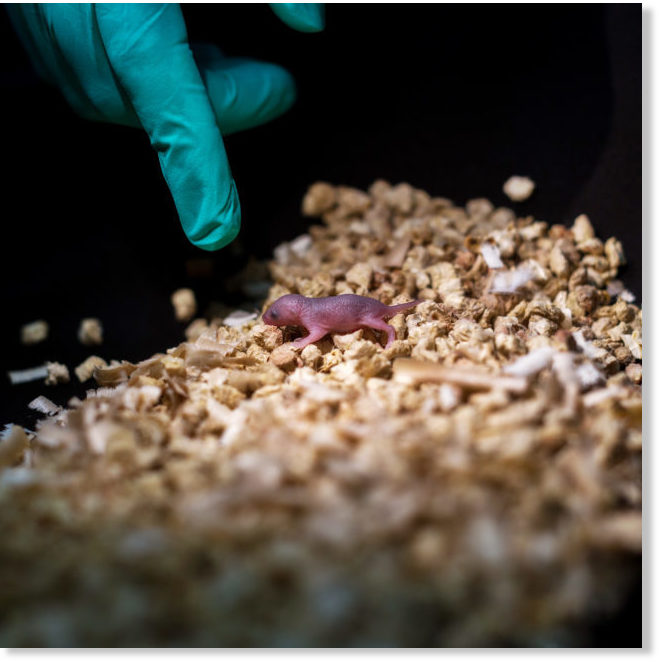
A mouse pup that was born to two genetic fathers
© LEYUN WANG/CHINESE ACADEMY OF SCIENCESA mouse pup that was born to two genetic fathers
For the first time, scientists said Thursday that they had bred mice with two genetic fathers, steering around biological hurdles that would otherwise prevent same-sex parents from having offspring.

The researchers also bred mouse pups with two genetic mothers. Those pups matured into adults and had pups of their own, outpacing previous efforts to create so-called bimaternal mice.

"This research shows us what's possible," Wei Li, a senior author of the study, said in a statement. Li conducted the work with colleagues at the Chinese Academy of Sciences.

But for now, the notion of reproducing the experiment in humans is more a matter of science fiction than science. The new study, which appeared in Cell Stem Cell, does not indicate that researchers can now or could anytime soon pull off a similar feat with people.

Red Flag

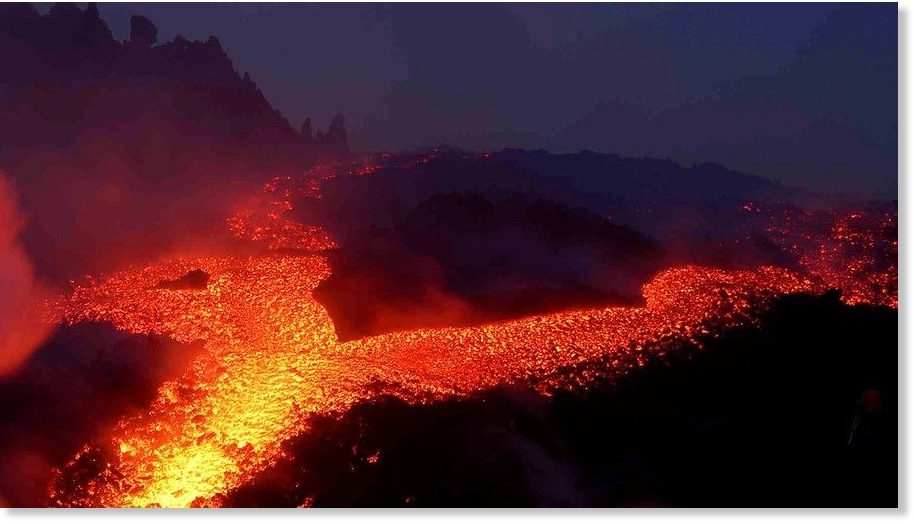
Experts warn sliding Mount Etna poised to trigger catastrophic Mediterranean tsunami

mt. etna
© Reuters/Antonio Parrinello
Europe's largest active volcano, Mount Etna, looms large over the island of Sicily but new research indicates that it may pose a threat to the entire coastal population of the Mediterranean.

While many might fear the prospect of a fiery, ash-covered death, akin to the historic tragedies caused by eruptions at Mount Vesuvius, where heads exploded and blood boiled, a tsunami may prove to be the biggest danger wrought by Etna.

"The entire slope is in motion due to gravity," explains geophysicist Heidrun Kopp from the Geomar Helmholtz Centre for Ocean Research in Germany, who recently published research results in the journal Science Advances.

"It is therefore quite possible that it could collapse catastrophically, which could trigger a tsunami in the entire Mediterranean."

HAL9000

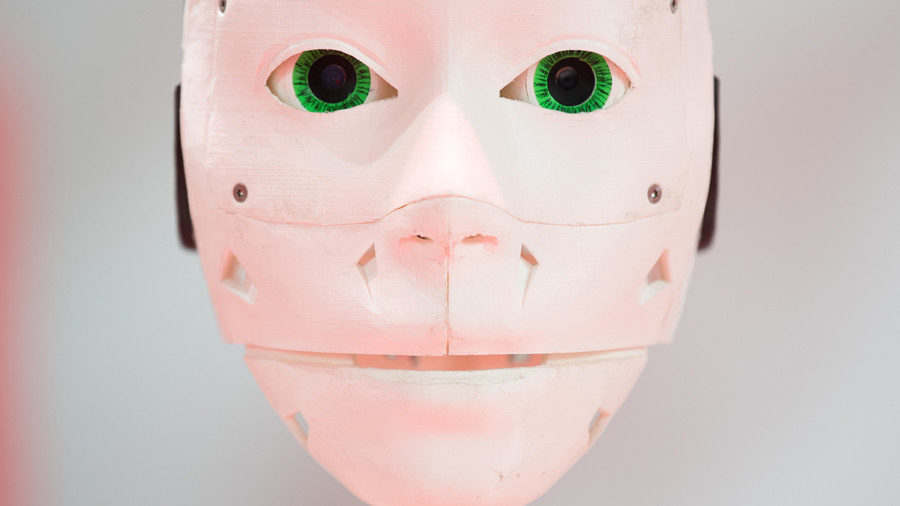
Sexist AI: Amazon ditches recruitment tool that turned out to be anti-women

robot face
© https://cdni.rt.com/files/2018.10/article/5bbe204bdda4c86a188b4577.jpg
It was supposed to make finding the right person for the job easier. However, an AI tool developed by Amazon to sift through potential hires has been dropped by the firm after developers found it was biased against picking women.

From pricing items to warehouse coordination, automation has been a key part of Amazon's rise to e-commerce domination. And since 2014, its developers have been creating hiring programs aimed at making the selection of top talent as easy and as automated as possible.

Satellite

Best of the Web: More ISS trouble: Russian and American astronauts dodge death in rare Soyuz rocket launch accident, successfully land in Kazakhstan

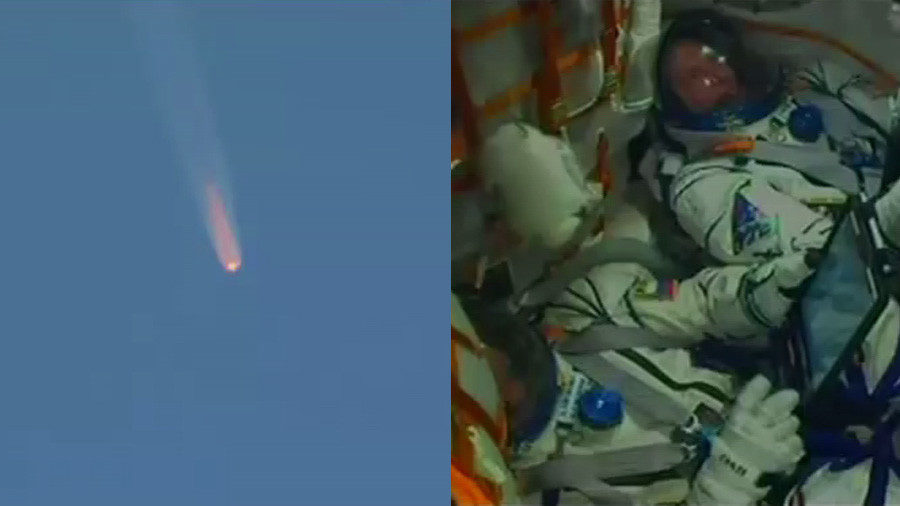
Failed Russian space launch Soyuz
© AP Video
A botched launch of the Russian spaceship Soyuz narrowly avoided becoming the latest fatal space incident on Thursday. Rescue systems managed to save the lives of two crew members and conduct an emergency landing.

The Soyuz-MS-10 spacecraft was meant to deliver Roscosmos' Aleksey Ovchinin and NASA astronaut Nick Hague, members of Expedition 57/58, to the International Space Station (ISS). But 119 seconds after take-off from the Baikonur launch site in Kazakhstan the Soyuz-FG launch vehicle experienced a malfunction and crew rescue protocols were engaged.