
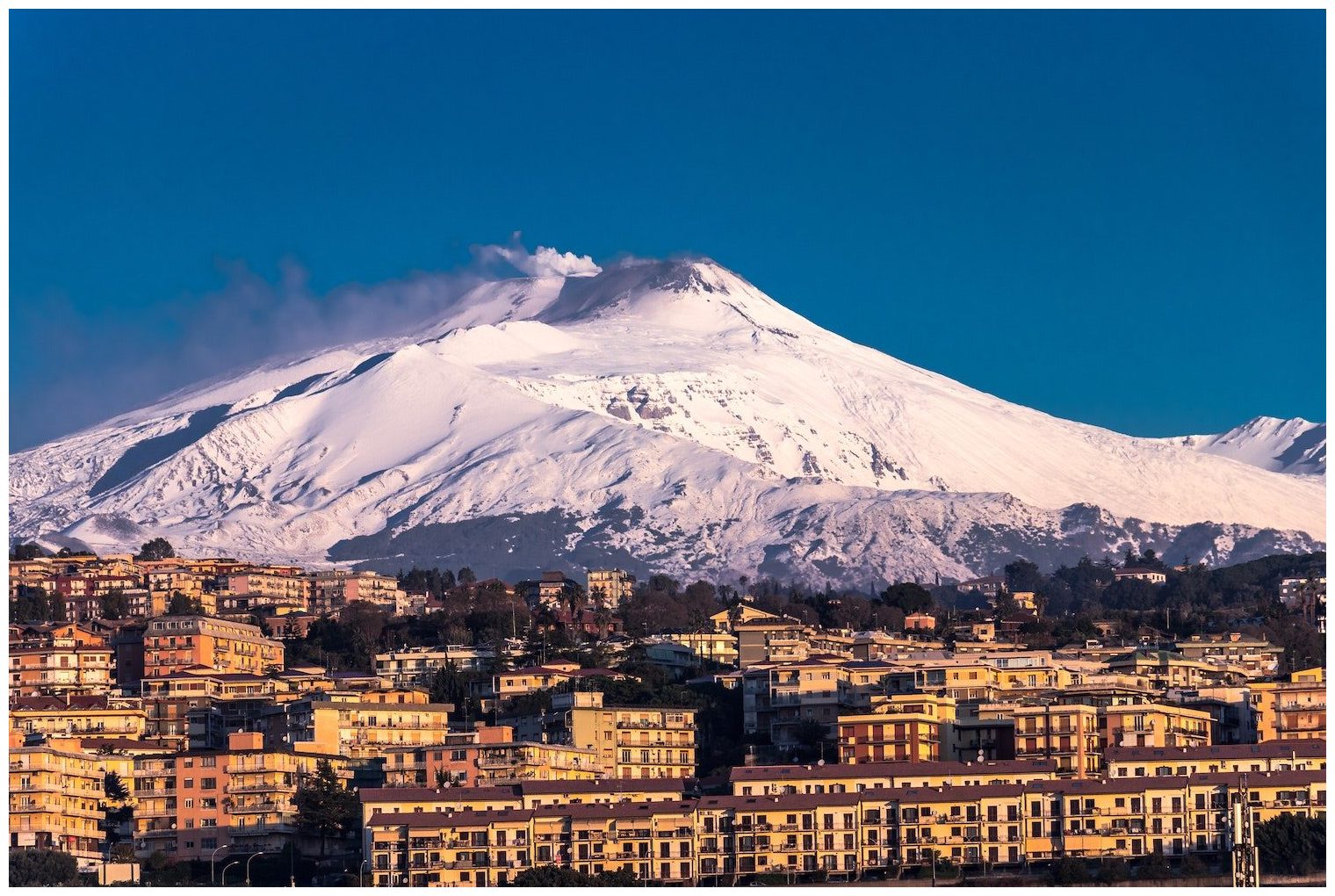
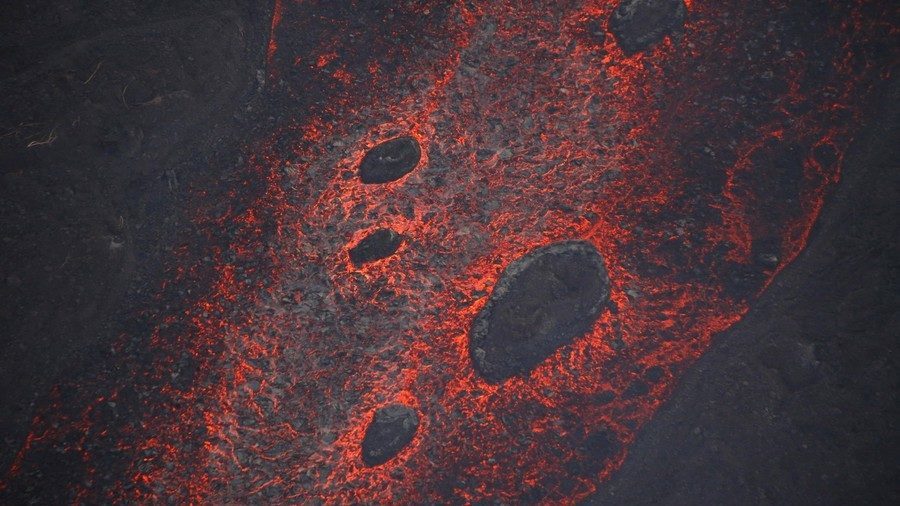
© Alberto Masnovo/Getty ImagesMt Etna, brooding and slipping, with the city of Catania in the foreground.
In a paper published in the journal Science Advances, a team led by Morelia Urlaub from the EOMAR Helmholtz Centre for Ocean Research Kiel, in Germany, presents findings that explain why the south-eastern flank of the volcano is sliding into the sea at a rate of three to five centimetres every year - a phenomenon first documented in the 1980s.
The cause, it turns out, is not increasing pressure from magma swelling up through Etna's plumbing, but gravity.
The conclusion is vitally important in terms of assessing the risk posed by the volcano, which is sited between two densely populated cities, Messina and Catania. Movement caused by magma and movement caused by gravity, Urlaub and colleagues report, "have fundamentally different hazard implications".
"While magma dynamics can trigger slope failures near the magma pathways, gradual deep-seated gravitational deformation can induce catastrophic collapse."















Comment: More on the surprising abilities of plants: