
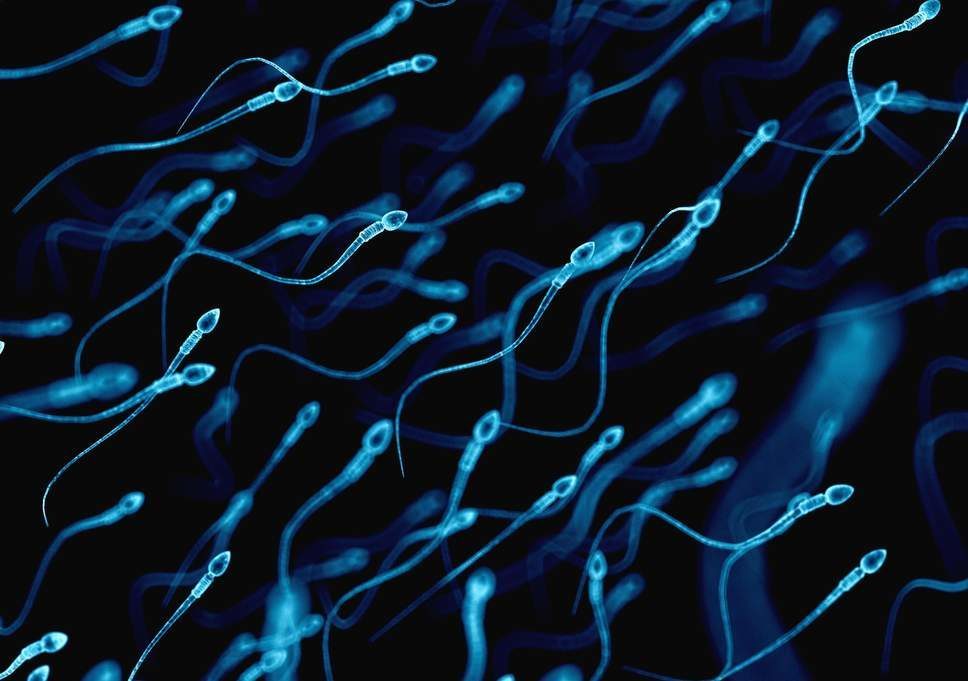
Scientists found that childhood abuse was linked with changes in DNA of victims' sperm
"We already know there are a lot of behavioral mechanisms by which trauma has negative effects on the next generation," Harvard scientist Dr Andrea Roberts told The Independent.
"Trauma obviously really affects the behavior of people traumatized. It often makes them depressed, it gives them post-traumatic stress disorder, and those mental health conditions affect their parenting and affect the kids. This is another possible pathway."
Using sperm samples from a small set of 34 men, of which 22 had suffered some form of abuse as children, the new research from the University of British Columbia and Harvard University found 12 areas in the survivors' DNA that were affected by some 'molecular scarring.'

















Comment: The field of epigenetics continues to bring new insights into how we are affected by our environment and may prove to be the mechanism by which the trauma-abuse cycle continues through the generations. How much of your personality is shaped by your own experience, and how much is actually inherited from your ancestors? Can anything be done about it?
See also: