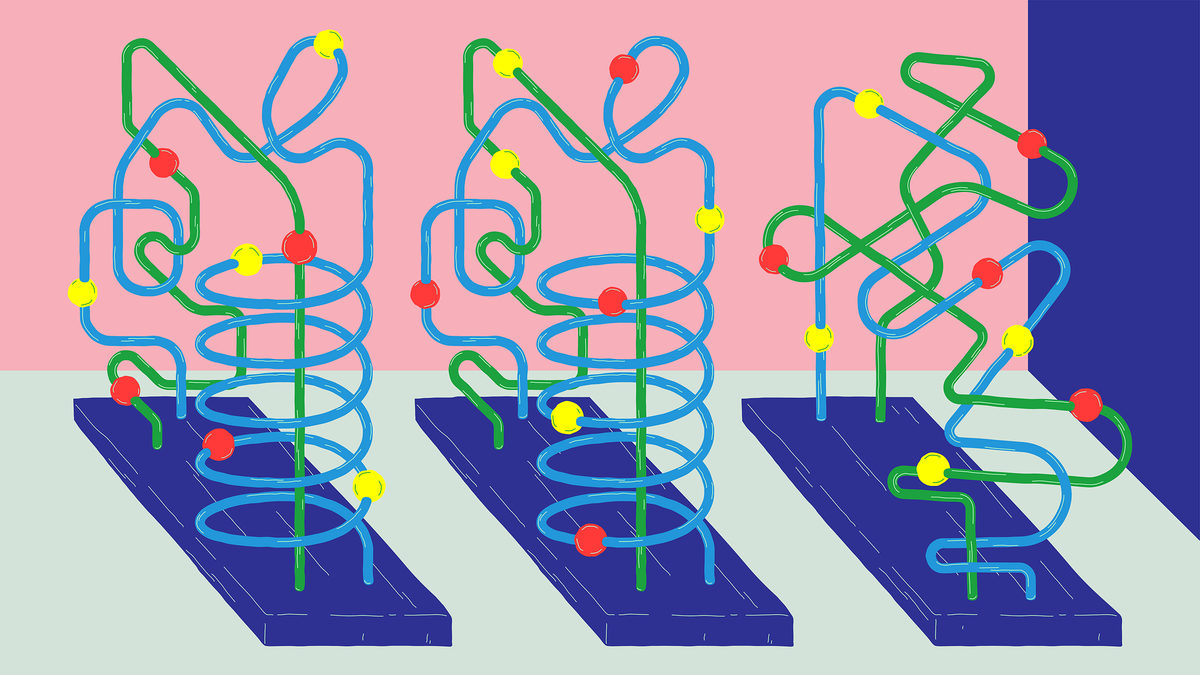
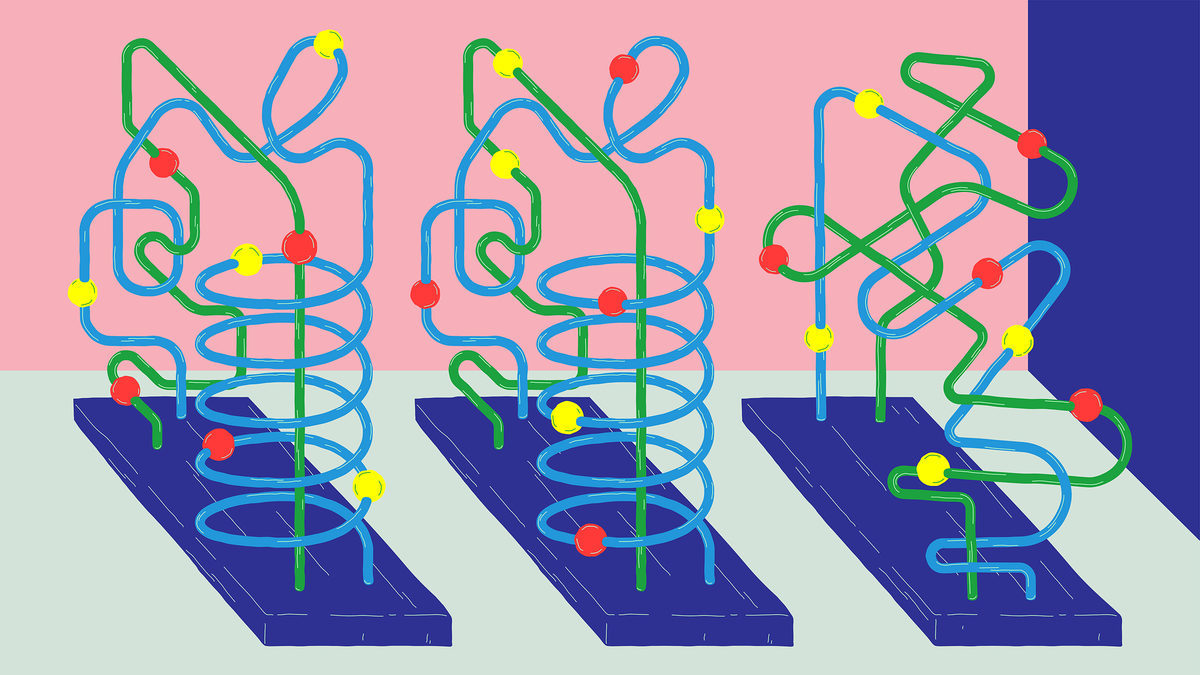
© Lennarts & de Bruijn for Mosaic
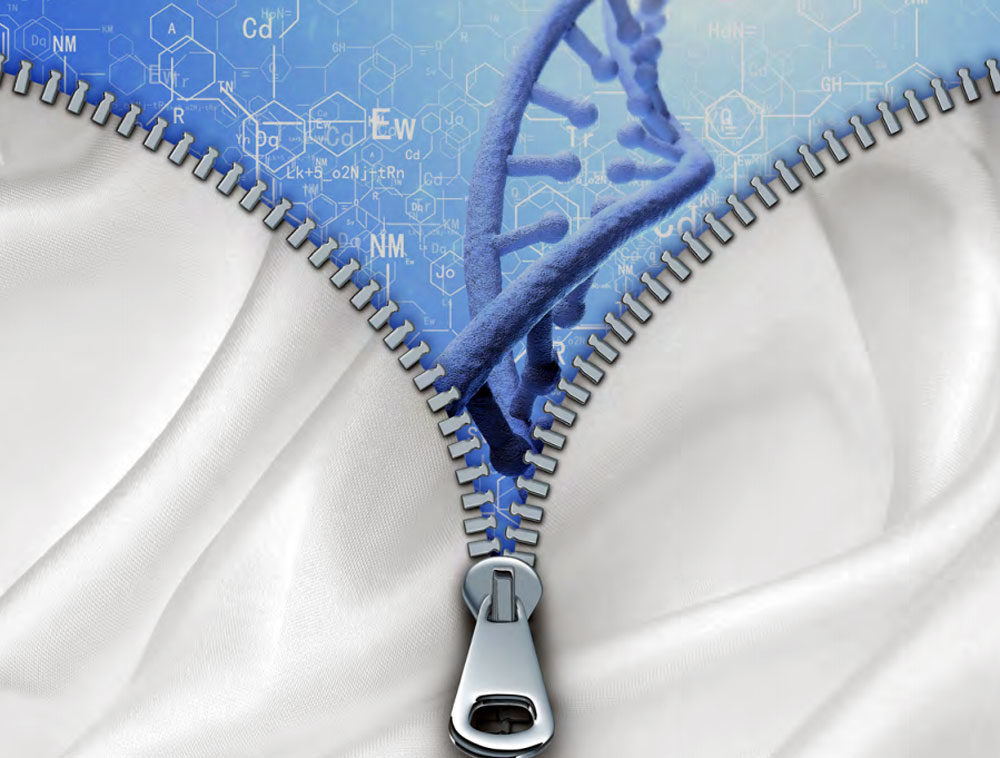
There are between 6,000 and 8,000 known rare diseases, many of which affect children's development. One pioneering project is showing how, 17 years since the first draft of the human genome, our genes are giving up their secrets and bringing hope to parents around the world.
Evie Walker sits on Alison's lap, playing a game she never grows tired of: turning her mum's hand over and over, stroking and examining it. When she takes a break and looks around, it is with the open-mouthed look of curiosity and awe that you see in many infants. Evie's vocabulary currently consists of a repertoire of squawks and "mmm" sounds. In the past few months, she has begun to stand unaided for short periods - even taking a few steps in her walking frame - progress that fills her parents with immeasurable pride, not to mention hope for the future.
Despite her baby-like demeanour, Evie is eight years old. She has PURA syndrome, a vanishingly rare developmental disorder that didn't officially exist until four years ago. Developmental disorders affect children's normal mental or physical development. Before she was diagnosed, all Evie's parents knew was that she suffered from 'global developmental delay': a vague umbrella term for a set of symptoms with myriad potential causes - some, but not all of them, associated with a heartbreakingly poor prognosis.


















Comment: Some other rather interesting developments have occurred at CERN over that past few years: