
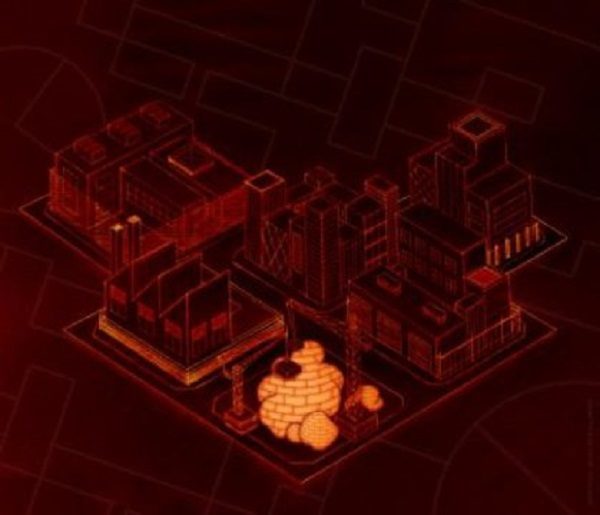
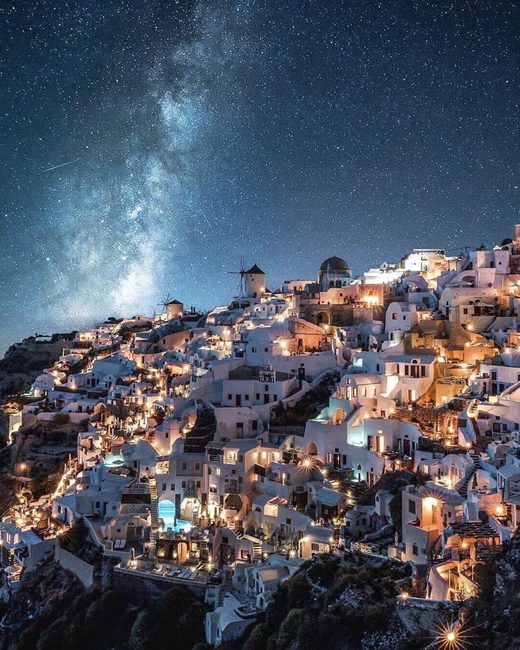
© Gemma Estrada GironaThe authors see the newly developed synthetic host as a city. On the one hand, typical cellular processes -- seen as encapsulated, isolated, and made up of non-interchangeable elements -- are represented as repetitive structures: squared, isolated blocks which are always fenced, just like membranous organelles. On the other hand, the image highlights the making of a new organelle -- a new building that is not fenced -- which is accessible to the rest of the city while having its own identity, a building which is more dynamic and flexible.
During evolution, the development of new organelles allows cells and organisms to become more complex, due to the ability to sort cellular processes into specific hotspots. "Our tool can be used to engineer translation, but potentially also other cellular processes like transcription and post-translational modifications. This might even allow us to engineer new types of organelles that extend the functional repertoire of natural complex living systems," explains Christopher Reinkemeier, PhD student at EMBL and JGU Mainz and co-first author of the paper. "We could for example incorporate fluorescent building blocks that allow a glimpse inside the cell using imaging methods."
"The organelle can make proteins by using synthetic non-canonical amino acids. Currently we know of more than 300 different non-canonical amino acids -- compared to 20 which are naturally occurring. We are no longer restricted to the latter ones," says co-first author Gemma Estrada Girona. "The novelty we introduce is the ability to use these in a confined space, the organelle,, which minimises the effects on the host."











Comment: Imagine the amount of effort and trouble went into designing such a component, yet a Darwinist approach expects us to believe this happened by random processes. See also: