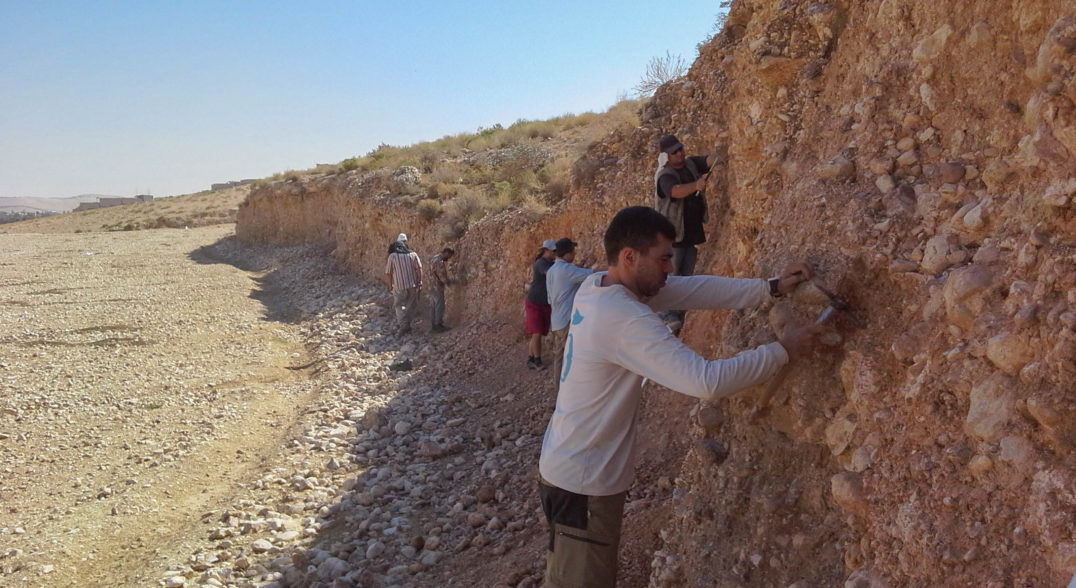
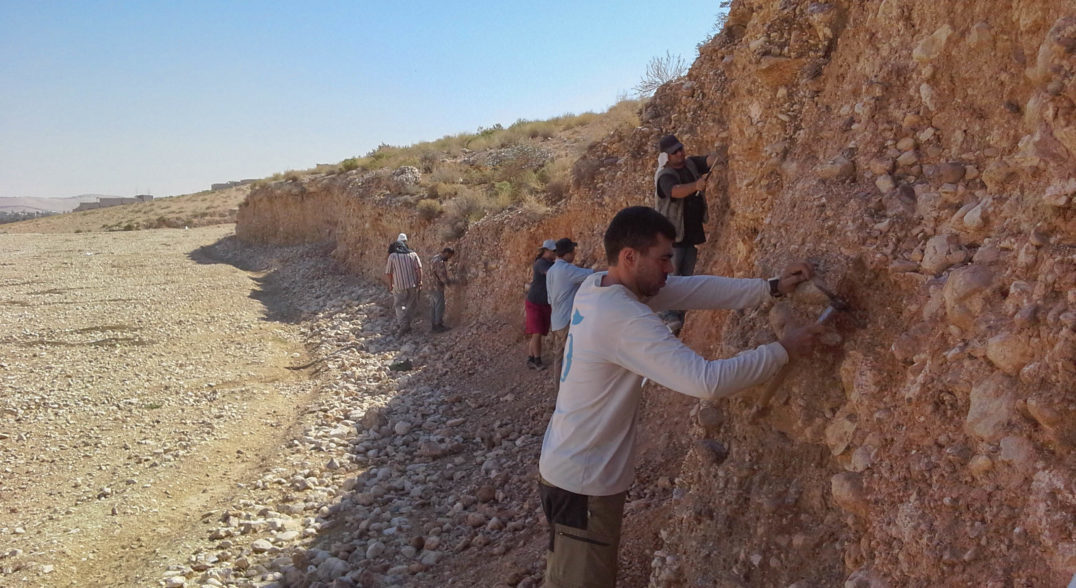
© Fabio ParentiResearchers excavate in Jordan’s Zarqa Valley.
Giancarlo Scardia was in Jordan in 2013 as the Syrian Civil War ground on. He recalls seeing refugees gathered in giant camps and military aircraft moving toward the border.
But Scardia, a geologist based at São Paulo State University in Brazil, wasn't there to observe the conflict — his interest was in a much older story. Buried within layers of sediment in the Zarqa Valley in northern Jordan was
a large cache of chipped rocks.Scardia and his colleagues, having analyzed these artifacts, argue that they are
rudimentary tools used by early humans, crafted and discarded
around 2.5 million years ago. If they are right, we may need to rethink which hominin species made the first forays out of the African cradle — and when.
The general consensus for decades has been that
Homo erectus — an upright, long-legged species — was among the first hominins (or species closely related to modern humans) to leave Africa. Scientists presume members of this species traveled through the natural corridor of the Levant, a region along the eastern edge of the Mediterranean, around 2 million years ago.
Scardia's study, published in the September issue of
Quaternary Science Reviews,
suggests a far earlier exit. It proposes that hominins capable of tool creation may have been on the doorstep of Asia some 500,000 years earlier. That claim
helps explain the puzzling evolution of a hominin species found in Indonesia, as well as a contentious group of skulls
found in Georgia. It also feeds into a broader discussion about which
Homo species came from Africa
and which evolved outside of that continent.







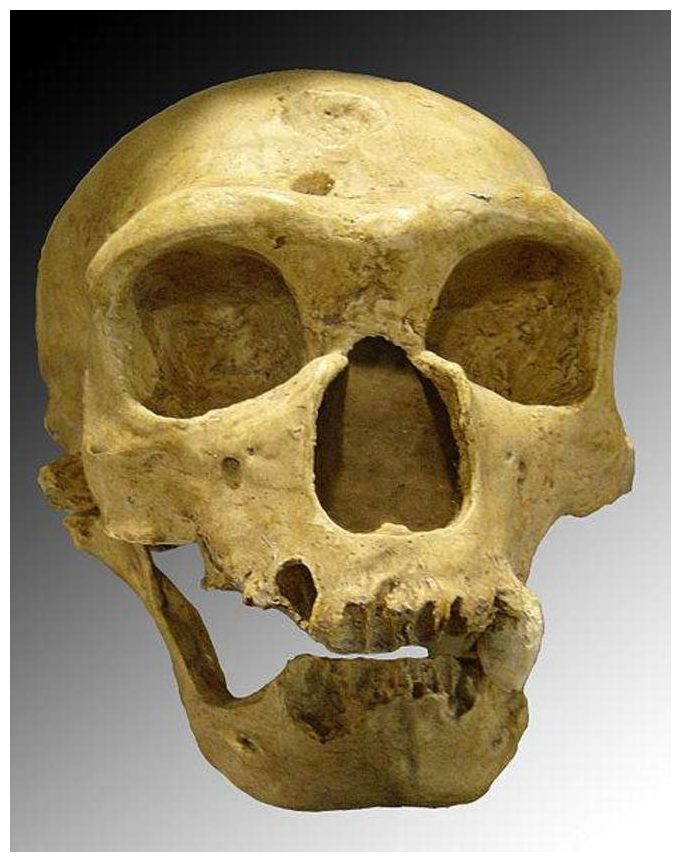










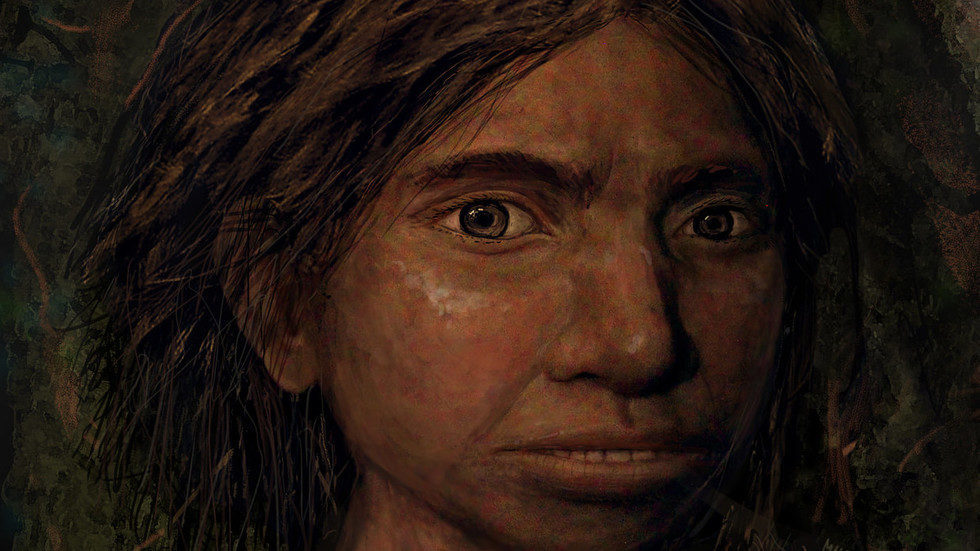



Comment: Just because Neanderthals had a similar anatomy it doesn't necessarily mean they would have suffered the same illnesses as human children; for example, they could have had a naturally greater resilience to this infection causing bacteria. It's notable that they have found compelling evidence of other conditions and injury:
- Half of Neanderthals got 'surfer's ear'
- Humans were just as prone to injury as Neanderthals - And mostly the males
See also: