Science & TechnologyS


Sun

'Fool's gold' may help bring in the sun's energy in new generation solar cells

pyrite fools gold lab crystal
© University of MinnesotaAn example of a crystal of iron sulfide grown in the University of Minnesota lab to extremely high purity using a method called chemical vapor transport. Note the "goldish" sheen, which is characteristic of pyrite, or fool's gold.
In a breakthrough new study, scientists and engineers at the University of Minnesota have electrically transformed the abundant and low-cost non-magnetic material iron sulfide, also known as "fool's gold" or pyrite, into a magnetic material.

This is the first time scientists have ever electrically transformed an entirely non-magnetic material into a magnetic one, and it could be the first step in creating valuable new magnetic materials for more energy-efficient computer memory devices.

The research is published in Science Advances, a peer-reviewed scientific journal published by the American Association for the Advancement of Science (AAAS).

Mars

Airbus to build 'first interplanetary cargo ship', to discover whether life ever existed on Mars

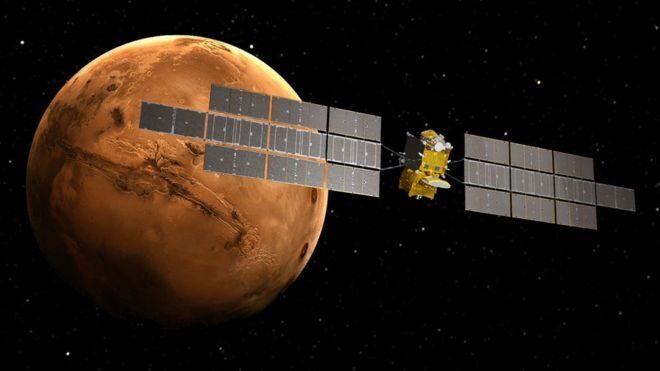
Earth Return Orbiter
© AIRBUSArtwork: The Earth Return Orbiter will weigh over six tonnes and have a 39m solar wingspan
Airbus-France will build the huge satellite that brings the first Martian rock samples back to Earth.

This material will be drilled on the Red Planet by the US space agency's next rover, Perseverance, before being blasted into orbit by a rocket.

It'll be the Airbus satellite's job to grab the packaged samples and then ship them home.

The joint American-European project is expected to cost billions and take just over a decade to implement.

But scientists say it's probably the best way to confirm whether life has ever existed on the Red Planet.

Comment: See also:


Telescope

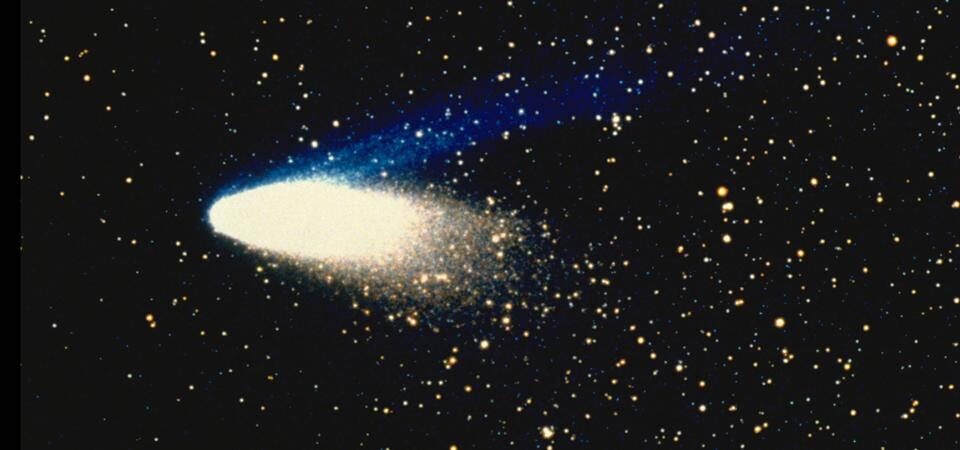
'Recovered' Halley-type comet 12P/Pons-Brooks may peak during America's next total solar eclipse in 2024

Pons-Brooks
© Sygma via Getty ImagesComet 12P/Pons-Brooks is a Halley-type comet.
As the world tries to see and photograph Comet NEOWISE (or check-out this week's extra-bright rings of Saturn), a comet similar to Halley's comet — last seen in 1954 — has been found by astronomers using a telescope in Arizona.

They've calculated that comet 12P/Pons-Brooks will return to the Solar System in April 2024 — which is when a total solar eclipse will next be observable from Mexico, the US and Canada.

The news comes just as Comet NEOWISE is glowing in the night skies for skywatchers in the northern hemisphere.

Comment: See also:


Seismograph

Alaskan seismometers detect aurora activity

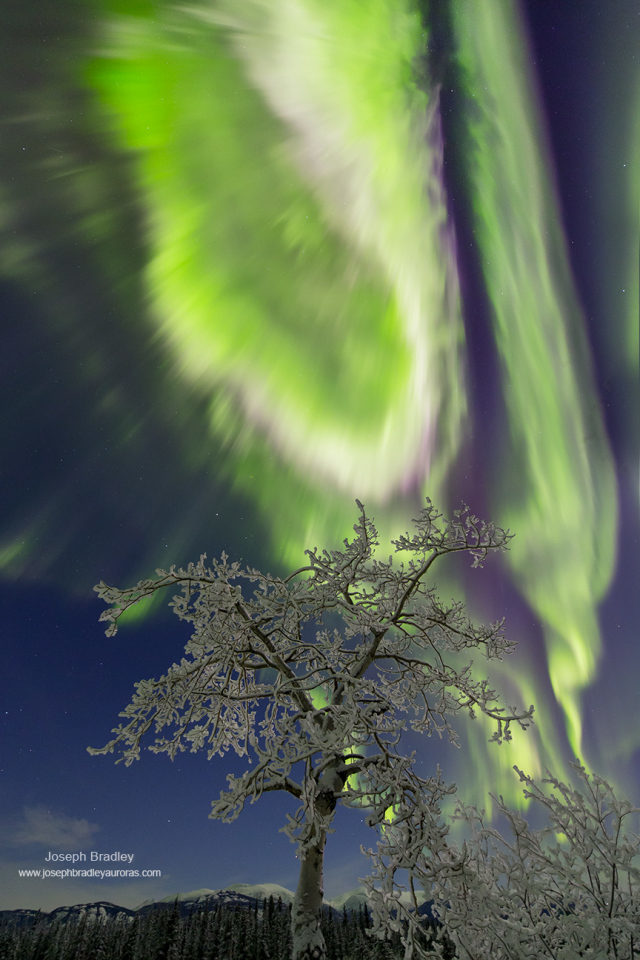
Auroras in the aftermath of a near-Earth magnetic explosion on Dec. 20, 2015
© Joseph Bradley of Whitehorse, Yukon, CanadaAuroras in the aftermath of a near-Earth magnetic explosion on Dec. 20, 2015.
Aaron Lojewski, who leads aurora sightseeing tours in Alaska, was lucky enough to photograph a "eruption" of brilliant pink light in the night skies one night in February.

The same perturbations of the Earth's magnetic field that lit up the sky for Lojewski's camera were also captured by seismometers on the ground, a team of researchers reports in the journal Seismological Research Letters.

By comparing data collected by all-sky cameras, magnetometers, and seismometers during three aurora events in 2019, University of Alaska Fairbanks seismologist Carl Tape and colleagues show that it's possible to match the striking display of lights with seismic signals, to observe the same phenomenon in different ways.

Comment: Could it be that, whilst auroras have been known to make audible sounds, as well as to disturb seismometers during intense storms, that it is only now, amidst solar minimum, with Earth's weakening magnetic field, that these effects are now much more pronounced? It's notable that various, previously rare, and even unknown, phenomena associated with our changing atmosphere is now becoming increasingly common: Rare red noctilucent clouds photographed over Sweden


Sun

Breakthrough method for predicting solar storms says study

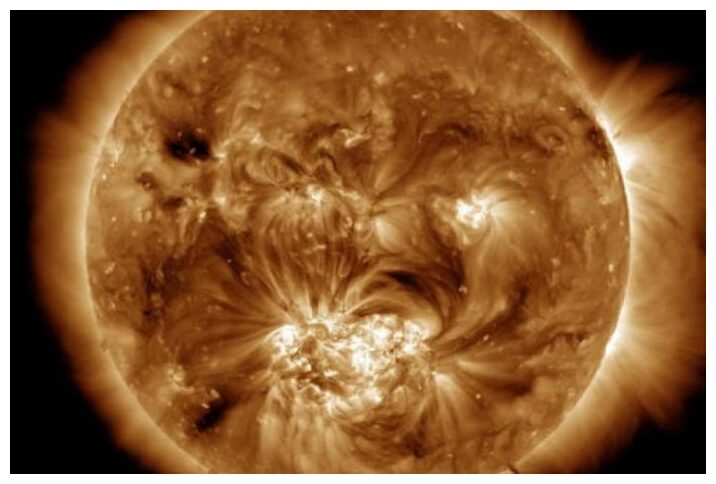
Sun's Corona
© NASAImage of corona from NASA's Solar Dynamics Observatory showing features created by magnetic fields.
Extensive power outages and satellite blackouts that affect air travel and the internet are some of the potential consequences of massive solar storms. These storms are believed to be caused by the release of enormous amounts of stored magnetic energy due to changes in the magnetic field of the sun's outer atmosphere - something that until now has eluded scientists' direct measurement. Researchers believe this recent discovery could lead to better "space weather" forecasts in the future.

"We are becoming increasingly dependent on space-based systems that are sensitive to space weather. Earth-based networks and the electrical grid can be severely damaged if there is a large eruption", says Tomas Brage, Professor of Mathematical Physics at Lund University in Sweden.

Solar flares are bursts of radiation and charged particles, and can cause geomagnetic storms on Earth if they are large enough. Currently, researchers focus on sunspots on the surface of the sun to predict possible eruptions. Another and more direct indication of increased solar activity would be changes in the much weaker magnetic field of the outer solar atmosphere - the so-called Corona.

However, no direct measurement of the actual magnetic fields of the Corona has been possible so far.

Info

Injuries from stem cell 'therapy' more widespread than realized

Stem Cells
© Getty ImagesGrotesque side effects from unproven ‘stem cell’ therapies are more common than initially suspected.
Grotesque side effects from unproven "stem cell" therapies are more common than we realized, reports a team of researchers led by UConn Health in Annals of Neurology on July 29. And despite the dangers, many neurologists feel ill-equipped to warn and educate their patients.

People who have suffered debilitating brain or spinal cord damage, or have been diagnosed with progressive neurological disease, are often frustrated by the lack of treatments available to help them. That frustration can make them easy targets for clinics that inject patients with "stem cells". But most of these clinics are operating outside of the Food and Drug Administration's jurisdiction, and the treatments they offer are unproven. And pricey.

"It's an unethical industry. They use fancy websites promising cures left and right, but which are nothing of the sort. They steal your money but give nothing in return," says Jaime Imitola, senior author of the paper and director of the comprehensive Multiple Sclerosis Center at UConn Health and the Laboratory of Neural Stem Cells and Functional Neurogenetics at UConn Health and a faculty member at the UConn School of Medicine.

Patients often pay $25,000 to $50,000 in cash for procedures that claim to cure everything from multiple sclerosis to paralysis, but have no evidence to back them up. The clinics, which can operate in the US but are more commonly found in Mexico, China, Russia and other countries with looser health regulations, entice patients to fly out for a week or two of spa-like treatment, physical therapy and injections of stem cells supposedly designed to cure multiple sclerosis, ALS, paralysis, or whatever other neurological impairment the person suffers from. The physical therapy often makes the patient feel better for a week or two. But sadly, there are no treatments that can reliably improve most of these diseases, and definitely none using stem cells. And anecdotal stories have begun popping up of patients who have had these stem cell procedures and then developed horrifying side effects, from hepatitis to nerve pain to bizarre spinal cord tumors.

In an effort to better understand the impact of this stem cell tourism, as the field calls it, a team of researchers lead by UConn Health conducted a nationwide survey of academic neurologists' experiences in stem cell tourism complications. The survey also investigated the level of physician preparation to counsel and educate patients.

Mars

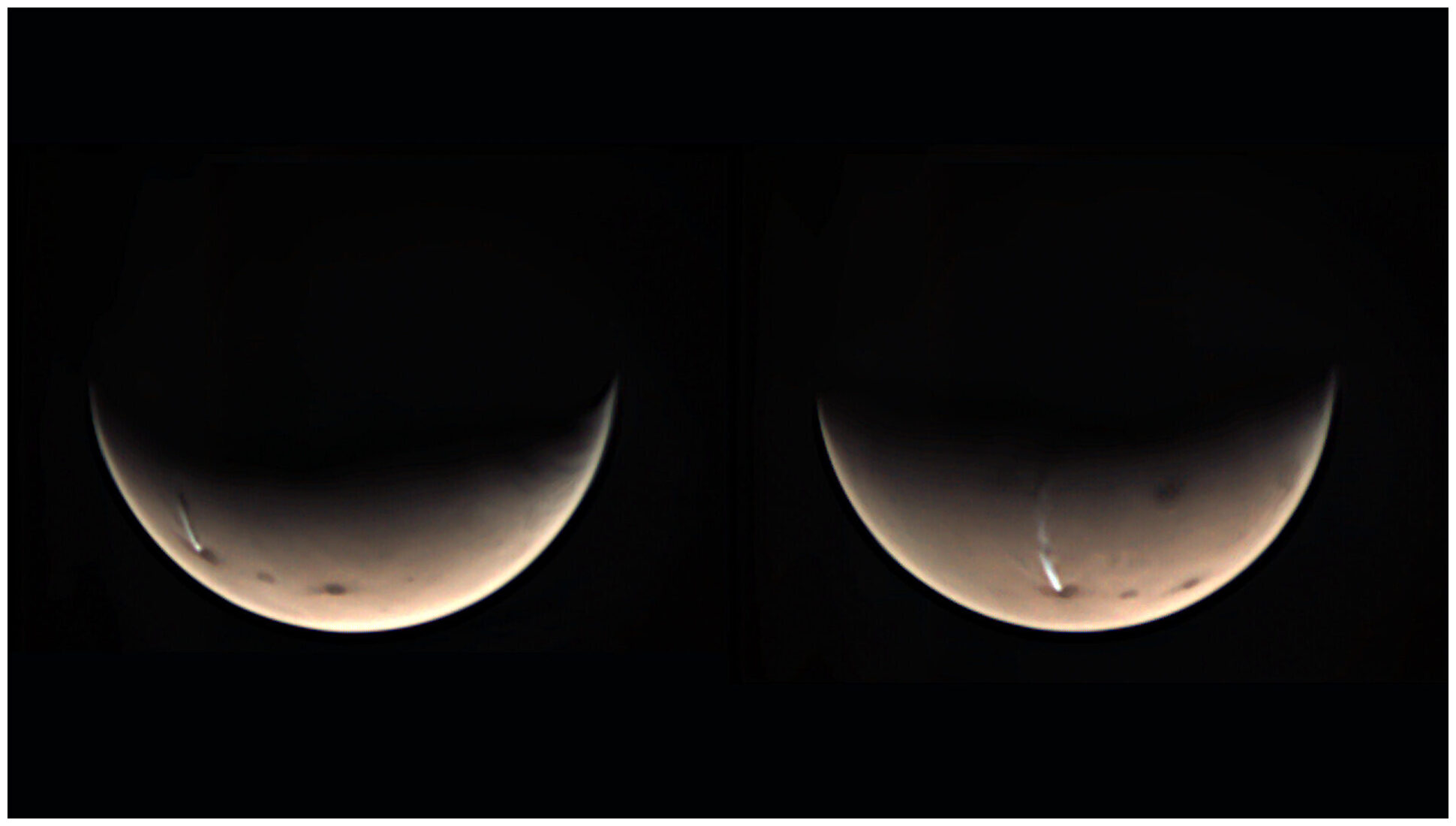
Elongated long cloud has reappeared over Martian volcano

Long Cloud Over Mars
© ESA/GCP/UPV/EHU Bilbao
A mysteriously long, thin cloud has again appeared over the 20-km high Arsia Mons volcano on Mars.

A recurrent feature, the cloud is made up of water ice, but despite appearances it is not a plume linked to volcanic activity. Instead, the curious stream forms as airflow is influenced by the volcano's 'leeward' slope − the side that does not face the wind.

These images of the cloud, which can reach up to 1800-km in length, were taken on 17 and 19 July by the Visual Monitoring Camera (VMC) on Mars Express, which has been studying the Red Planet from orbit for the past 16 years.

"We have been investigating this intriguing phenomenon and were expecting to see such a cloud form around now," explains Jorge Hernandez-Bernal, PhD candidate at the University of the Basque Country (Spain) and lead author of the ongoing study.

"This elongated cloud forms every martian year during this season around the southern solstice, and repeats for 80 days or even more, following a rapid daily cycle. However, we don't know yet if the clouds are always quite this impressive".

Microscope 2

100m-year-old sea microbes successfully revived by scientists

lab research
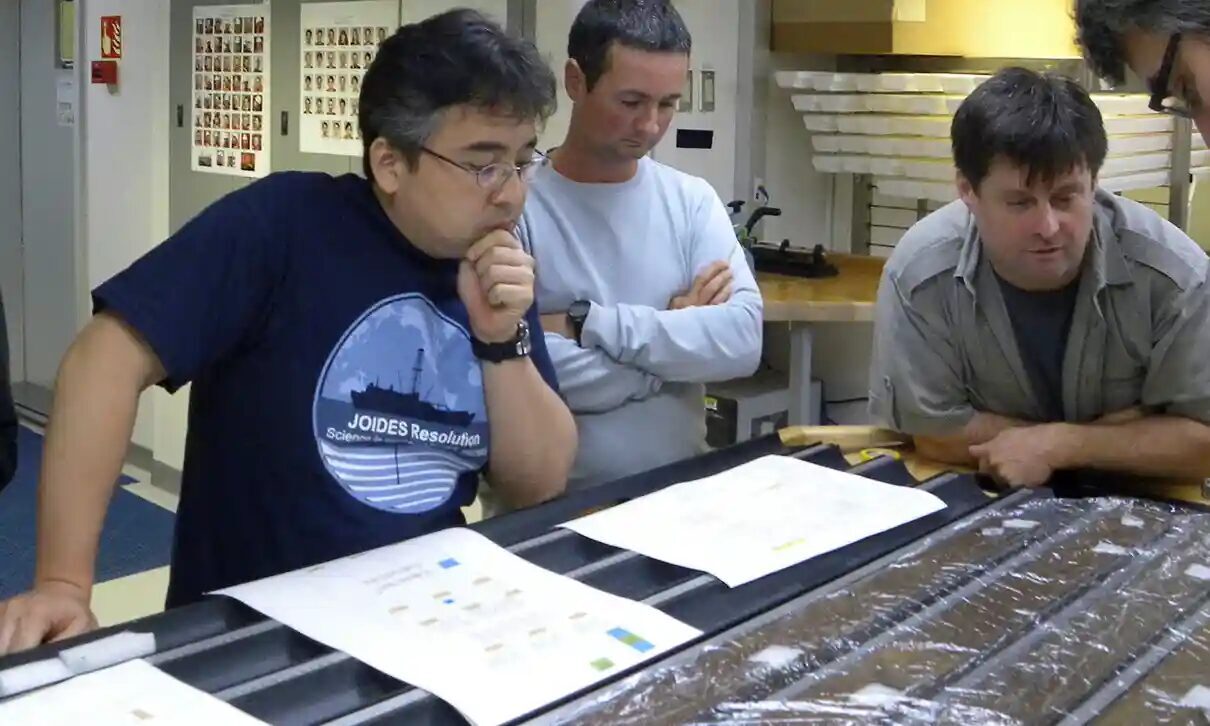
© Iodp Jrso/ReutersThe microbes were revived from 101.5m year-old sediment cores gathered from deep beneath the seafloor.
Scientists have successfully revived microbes that had lain dormant at the bottom of the sea since the age of the dinosaurs, allowing the organisms to eat and even multiply after eons in the deep.

Their research sheds light on the remarkable survival power of some of Earth's most primitive species, which can exist for tens of millions of years with barely any oxygen or food before springing back to life in the lab.

A team led by the Japan Agency for Marine-Earth Science and Technology analysed ancient sediment samples deposited more than 100m years ago on the seabed of the South Pacific.

The region is renowned for having far fewer nutrients in its sediment than normal, making it a far-from-ideal site to maintain life over millennia.

Comment: See also:


Rocket

Mould from Chernobyl nuclear reactor tested as radiation shield on ISS

International Space Station
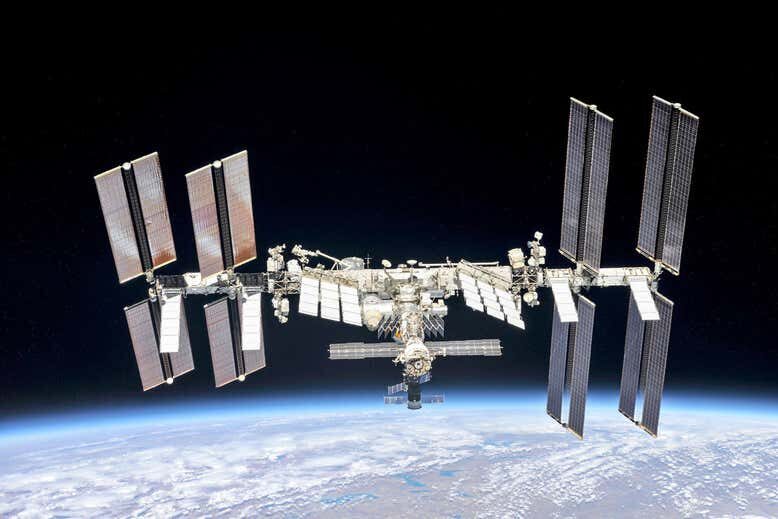
© NASA Archive / AlamyThe International Space Station
A radiation-absorbing fungus found at the destroyed Chernobyl nuclear reactor has been shown to absorb harmful cosmic rays on the International Space Station, and could potentially be used to protect future Mars colonies.

Exposure to cosmic rays poses a major health risk to astronauts leaving Earth's protective atmosphere. Shields can be made out of stainless steel and other materials, but they must be shipped from Earth, which is difficult and costly.

Xavier Gomez and Graham Shunk came up with the idea of growing radiation shields on Mars out of living organisms while they were students at high schools in North Carolina in 2018.

The pair found research showing that a fungus called Cladosporium sphaerospermum that was originally isolated from mould growing in the ruined Chernobyl nuclear reactor could absorb high levels of radiation, and wondered if it could function as a space radiation shield.

Comment: See also:


Telescope

FOUR asteroids to shoot past Earth in one day, after astronaut warns there are 1 MILLION out there that can hit us

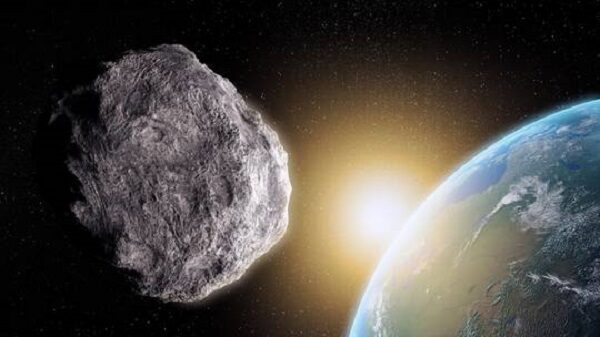
Asteroid shooting past Earth
© Getty Images / Science Photo Library - ANDRZEJ WOJCICKI
As the week begins with a flurry of asteroidal activity, with four space rocks set to shoot past Earth on Tuesday alone, two Indian teenagers have discovered yet another space rock due to cross paths with our planet.

To kick things off, the small-house-sized asteroid 2020 OO1 will buzz by at a distance of 669,000km on July 27.

Then on Tuesday, we will witness a whopping four flybys in one day, starting with the relatively safe and short-lived sojourns of 2020NZ amd 2020 OE2, 28m and 12m in diameter respectively, which will blow through our cosmic backyard at a safe distance of 3.1 million kilometers and 1.7 million kilometers.

Next, the real fun begins with the car-sized (2.9m) 2020 OY4, set to skip by at a distance of just 41,500km. It will be followed by the plane-sized (26m) 2020 OR4, which will pass us at 10 times that distance, looping beyond Earth at 457,000km.