
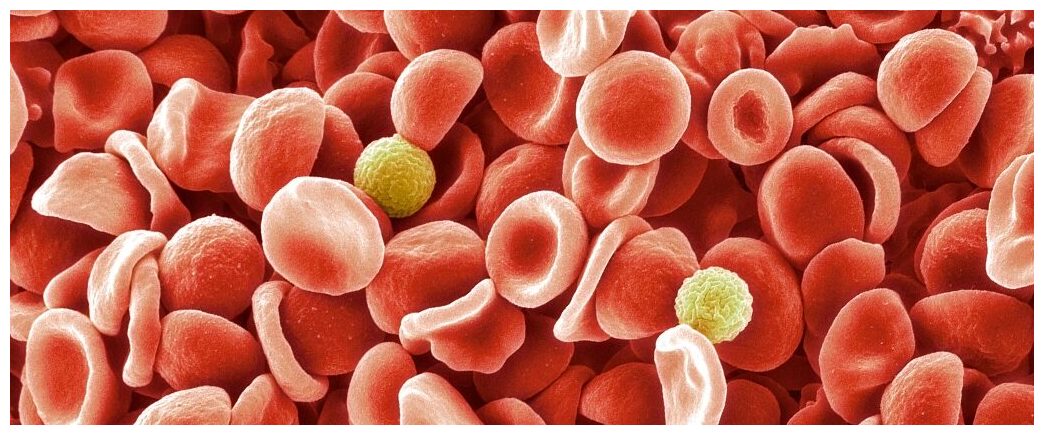
© Steve Gschmeissner/Science Photo Library/Brand X Pictures/Getty ImagesScanning electron micrograph of red and white human blood cells.
By unravelling the molecular identity of the relatively new blood type known as the Er system, a new study could hopefully prevent such tragedies in the future.
"This work demonstrates that even after all the research conducted to date, the simple red blood cell can still surprise us," says University of Bristol cell biologist Ash Toye.
Blood typing describes the presence and absence of combinations of proteins and sugars that coat our red blood cells' surfaces. Though they can serve different purposes, our body generally uses these cell-surface antigens as identification markers with which to separate self from potentially harmful invaders.
We're most familiar with the ABO and rhesus factor (that's the plus or minus) blood group systems, thanks largely to their prime importance in matching blood transfusions. But there are actually many different blood group systems based around a wide variety of cell-surface antigens and their variants.
Most of the major ones were identified in the early 20th century, though a late-comer to the collection, called Er, only popped onto our radar in 1982, forming the foundation for a 44th blood group. Six years later, a version named Erb was identified. The code Er3 was used to describe the absence of Era and Erb.
While it's been clear for decades now that these blood cell antigens exist, too little has been known about their clinical impact.














Comment: They're right to be skeptical that El Nino is solely to blame for these shifts and swings, however it's possible that the shifts driving El Nino is responisble for the other, and more, processes, effecting life on our planet: The Seven Destructive Earth Passes of Comet Venus