Animals
S


Palette

Orange alligator puzzles Charleston, South Carolina residents - Update: More orange reptiles spotted!

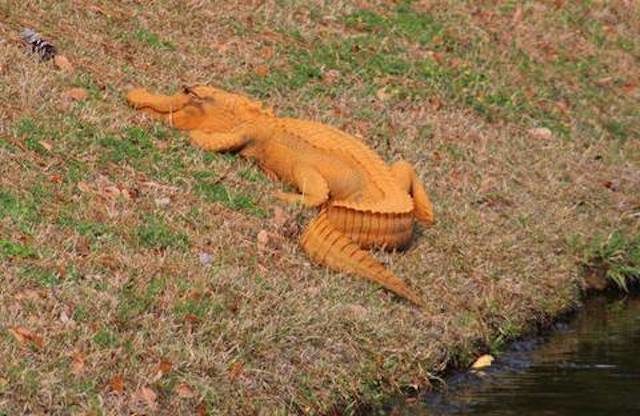
Orange alligator in South Carolina
© Stephen Tatum via APan orange alligator is seen near a pond in Hanahan, S.C. Photos show the 4- to 5-foot-long alligator on the banks of a retention pond at the Tanner Plantation neighborhood.
No one seems to know why there's an orange alligator in a pond near Charleston.

Residents joke the gator used too much self-tanning lotion. Or maybe it's a fan of the Clemson Tigers, who are known for their orange colors.

Residents living near the pond in Hanahan say they've seen the orange or rust-colored alligator a number of times. Photos show the 4- to 5-foot-long alligator on the banks of a retention pond at the Tanner Plantation neighborhood.

Jay Butfiloski with the South Carolina Department of Natural Resources says the color may come from where the animal spent the winter, perhaps in a rusty steel culvert pipe.

Experts say the alligator will shed its skin and probably return to a normal shade soon.


Comment: Another orange alligator was seen, this time in North Carolina:
orange gator
Residents in Myrtle Beach have also spotted orange turtles:

orange turtles
Is this just a case of the unlucky reptiles spending too much time in rusty water, or something less mundane?


Attention

Dolphin 'massacre' claim as 100 wash up over 8 weeks in Cornwall, UK

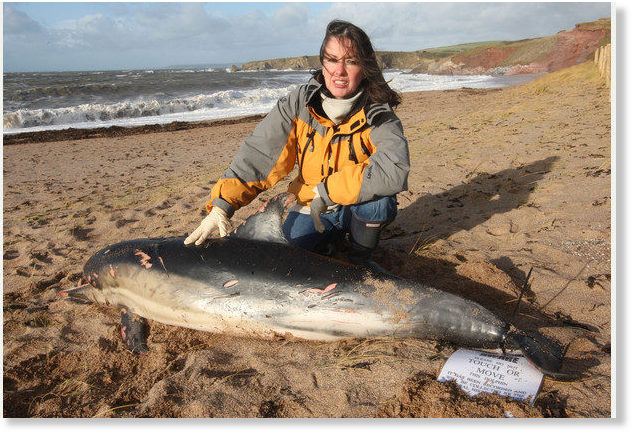
Campaigner Lindy Hingley with a dead dolphin
A marine wildlife expert from Brixham has described the killing of dolphins in South West waters as a 'massacre' - with over 100 found dead in just eight weeks.

A total of 106 dolphins and porpoises have washed up on Cornwall's beaches and in the nets of fishing boats in just eight weeks, according to Cornwall Wildlife Trust.

The toll for the whole of last year was 205 while in the two previous years the numbers had been under 100.


Large trawlers are being blamed for the alarming increase - with French boats said to be the worst offenders as they work in pairs.

It is understood they are competing with dolphins for fish such as mackerel, herring, bass and sprats and experts say they are wiping out entire family groups.

Attention

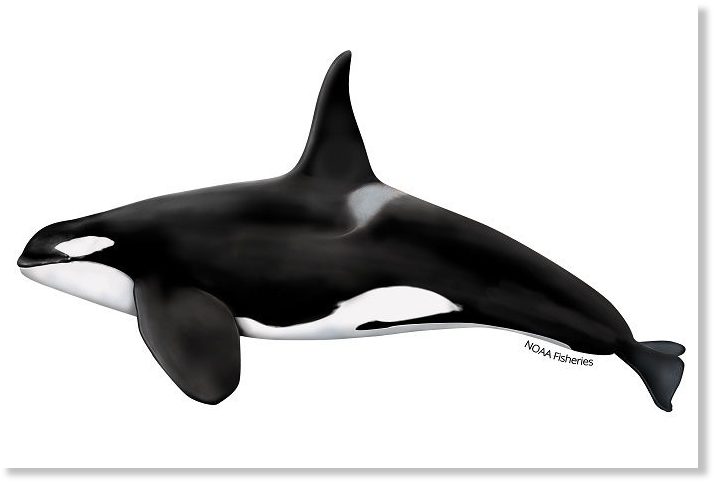
Two killer whale carcasses found off Ningbo, China; orcas very rare in Chinese waters

Killer whale
Killer whale
The two killer whale carcasses found recently in the East China Sea near Ningbo, East China's Zhejiang Province have been sent to a university scientific institute where they will be studied.

The killer whales, both over four meters long, were caught by a fisherman in Fenghua district, Ningbo, surnamed Lin, on February 16, and were sent to the scientific research team of Nanjing Normal University in neighboring Jiangsu Province on Saturday, the Zhejiang-based Hangzhou Daily reported on Wednesday.

According to Lin, the killer whales were already dead when he caught them in the East China Sea, 40 hours by ship from Fenghua.

Even though Lin did not recognize what kind of "fish" he had caught, he realized they might be a protected species and soon reported his find to local fishery department, who then contacted Nanjing Normal University.

Biohazard

Radioactive wild boars found in Czech forests, 31 years after Chernobyl disaster

radioactive boars
© Baz Ratner / Reuters
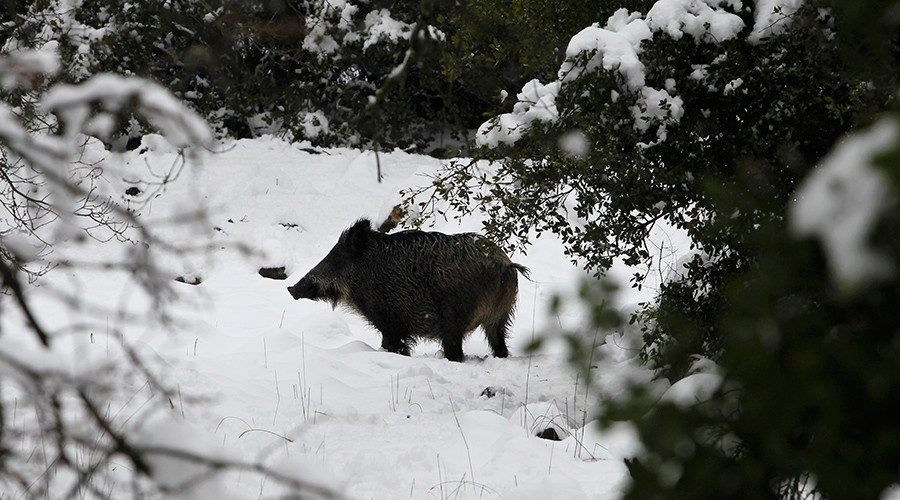
Radioactive wild boars have been detected in Czech forests, some 31 years after the Chernobyl disaster, a veterinary administration official said, adding that they are eating mushrooms that can absorb high levels of radioactive isotopes.

The animals became radioactive due to false truffles, the underground mushrooms they feed on, Jiri Drapal at the Czech State Veterinary Administration told Reuters. The mushroom is found in the Sumava mountain region in the Czech Republic, which borders Austria and Germany.

It can absorb high levels of radioactive isotopes, including Caesium 137, which was released in great quantities after the Chernobyl disaster in 1986.

Comment: Japan has also been overwhelmed by radioactive wild boars since the Fukushima nuclear meltdown. Radiation levels at the reactor are now at the highest levels since the March 2011 earthquake, presaging a disaster of unimaginable consequences that is being consistently ignored by the mainstream media.


Wolf

2016 U.S. dog bite fatality statistics and trends for the last 12 years

Dog attack
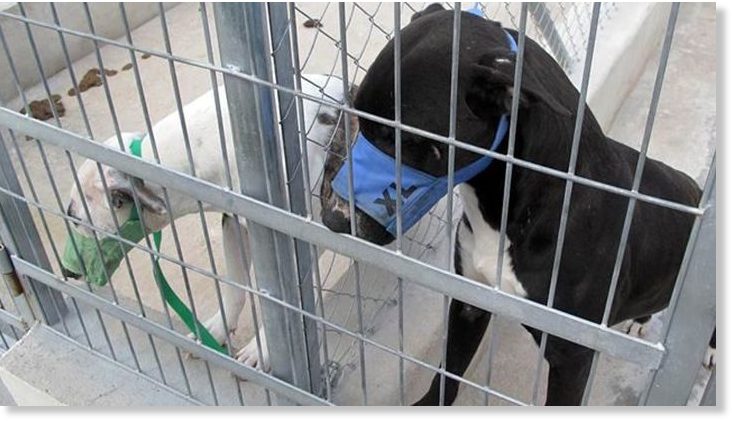
DogsBite.org, a national dog bite victims' group dedicated to reducing serious dog attacks, releases 2016 U.S. dog bite fatality statistics. Last year, dogs inflicted 31 deadly attacks. Pit bulls accounted for 71% (22) of these deaths, just over 7 times more than the next closest dog breed. The combination of pit bulls, American bulldogs and rottweilers contributed to 84% (26) of all deaths. 10 different dog breeds participated in lethal attacks in 2016.

2016 highlights - dog bite fatality statistics

chart
In 2016, 42% of all dog bite fatality victims were either visiting or living temporarily with the dog's owner when the fatal attack occurred — the highest percentage on record in the nonprofit's 12-year data set. Pit bulls accounted for 77% of these deaths. In 2016, 32% of all fatalities involved a dog or person new to the home (0-2 months). Of this subset, 70% were inflicted by pit bulls and children 9-years and younger accounted for 80% of these dog mauling deaths.

Black Cat

Four including forester injured by leopard in Nepal

Leopard
Leopard
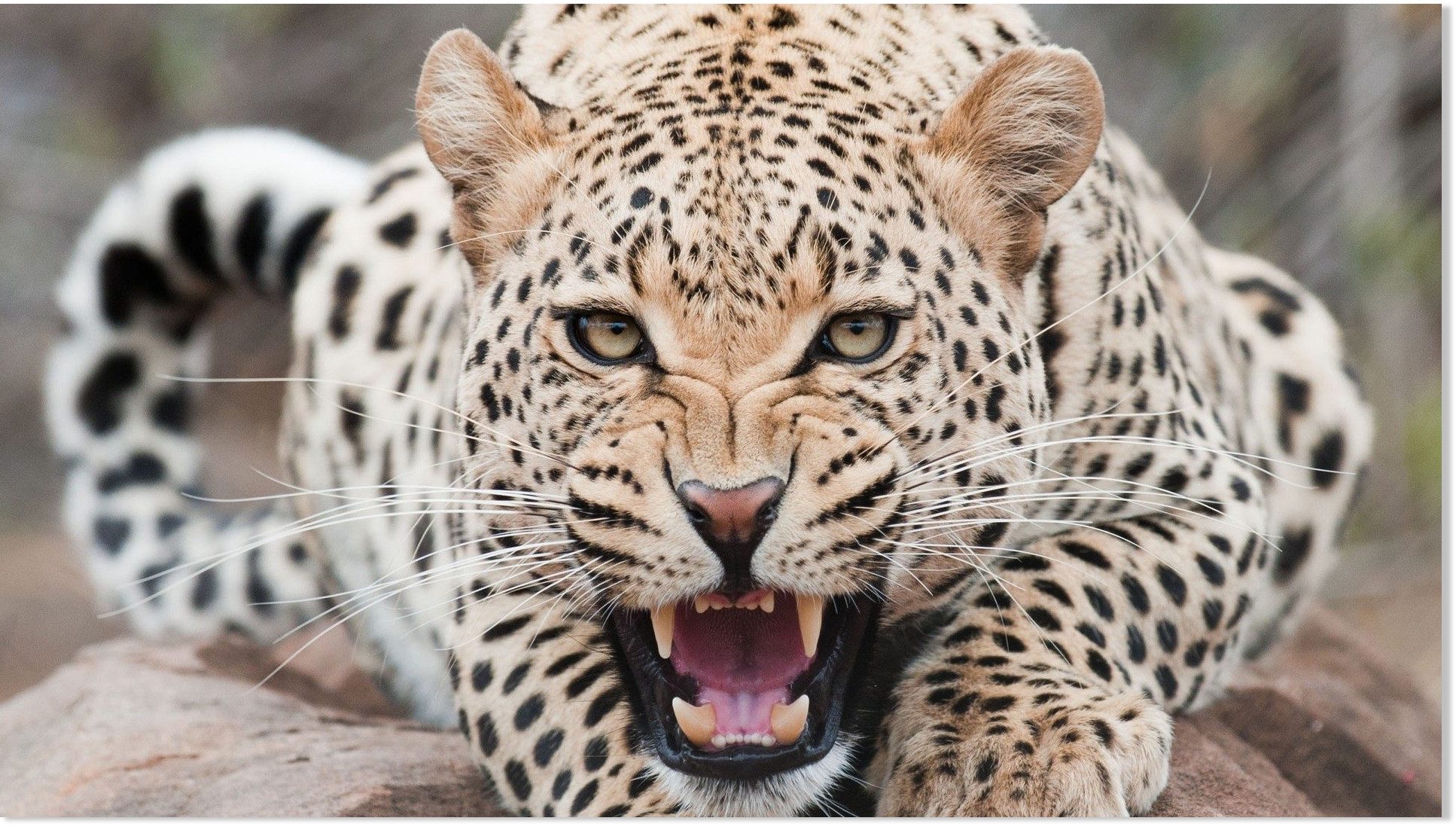
Four people including two forest staffers were injured in leopard at Rajghat in Morang district on Thursday.

Tanka Lal Dhimal, 62, of Atthiyabari, Rajghat-1, and Khushi Lal Dhimal, 50, were injured at around 8 in the morning. The leopard attacked Tanka Lal when he was ploughing his farm land. He has sustained a deep wound in his left hand and back. Khushi Lal was attacked as he went to see the attack on Tanka Lal.

The leopard also attacked forester at Manglabare-based sector forest office, Hom Sagar Neupane, 35, and another forest staff Bir Bahadur Katuwal
. They were attacked at around 9 this morning, Tanka BK informed. He said a technical team was invited at the behest of District Forest Office to take the leopard under control.

Those injured have been receiving medical attention at Urlabari-based health clinic.

Wolf

Man killed by pack of 5 dogs in Beniarbeig, Spain

Dog attack
A Spanish man has been mauled to death in what police believe was a vicious attack by his neighbour's five dogs.

The 66-year-old was discovered by his son lying on the ground covered in wounds "caused by animal bites" which police suspect were the work of the dogs, all crosses between pit bulls - considered dangerous - and bull terriers.

The victim left his home in Beniarbeig, southeastern Spain, on Saturday to tend to his vegetables nearby, the Guardia Civil police force said in a statement on Tuesday.

When his son realised he had been gone a long time, he went to look for him and found him lying on the ground in a "horrific scene", they added.

Police said the state of his arms and legs suggested the man fought hard before he died.

Two of the five dogs, all crosses between pit bulls and bull terriers, in a cage of a kennel of Els Poblets, that fatally attacked a man in Beniarbeig on February 18, 2017.
© AFPTwo of the five dogs, all crosses between pit bulls and bull terriers, in a cage of a kennel of Els Poblets, that fatally attacked a man in Beniarbeig on February 18, 2017.

Comment: Other recent noteworthy reports of dog attacks on humans:

Child suffering from serious injuries after being attacked by family dog in Palmetto, Florida

2 pit bulls viciously attack man in Victorville, California

Tenant's 5 year old child attacked by 3 of his landlord's dogs in Lagos, Nigeria

Man's arm amputated following Pitbull attack in Port Elizabeth, South Africa


Attention

Giant basking shark found dead in winter on Cape Cod, Massachusetts

 Basking shark
Basking shark
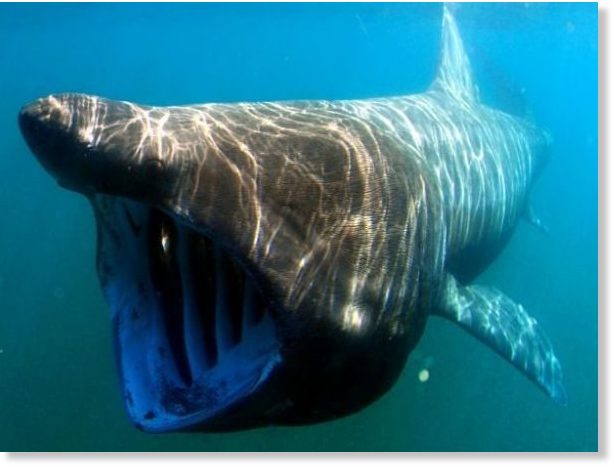
A basking shark — which grows up to 30 feet and 5 tons — recently washed up on Cape Cod.

A mammoth basking shark washed up on dead on Cape Cod this week. The adult shark was spotted Sunday in Wellfleet Harbor.

Adult basking sharks can grow up to 30 feet and 5 tons. The only bigger shark is the whale shark, measuring about 35 feet and 10 tons. By comparison, great white sharks are only about 18 feet and 2 tons.

Basking sharks have giant mouths measuring about 3 feet that filter plankton, their primary food source. The sharks are not dangerous to humans.

Bug

Disappearing honey bee population could spell trouble for some crops

Honey bee
Honey bee
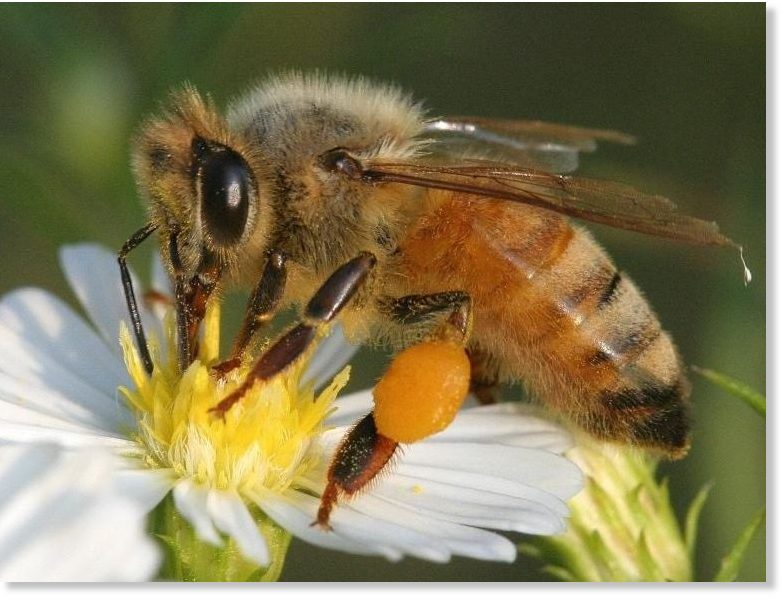
The honey bee contributes to a third of the country's food supply but the population is declining. Last year eight percent of the bees disappeared according to the American Beekeepers Federation. The situation was more severe between 2015 and 2016 when there was a 44 percent decrease in colonies.

Dr. Dennis vanEngelsdorp, the President of the Bee Informed Partnership, says if this trend continues it could limit the food American's eat. "If we didn't have honey bees, we certainly would lose a lot of our diet," vanEngelsdorp said. He told Fox that would include blueberries, strawberries and vegetables.

The honey bee is the only insect that produces food eaten by humans. The species can pollinate over 75 percent of flowering plants and crops, making it one of the top pollinators in the U.S. That means the bee can travel up to 6 miles a day and pollinate between 50 to 100 flowers per trip. The pollination process occurs when the pollen sac from one flower sticks to a honey bee's legs and is transferred to another plant. The pollen within the sac spills out when the bee lands on the plant, causing it to be fertilized.

Arrow Down

Brutal ivory trade: Poachers are decimating elephant populations in Africa's most important nature preserve

elephant
© Thomas Breuer/PLoS

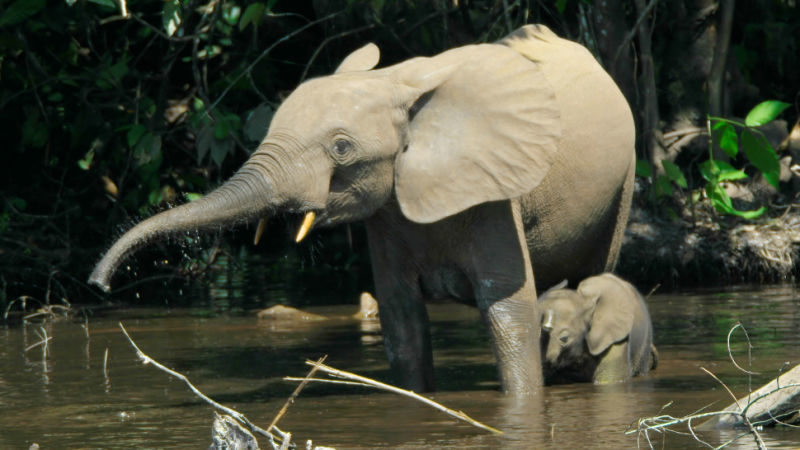
The population of forest elephants in Gabon's Minkébé National Park—one of Central Africa's largest and most important nature preserves—has declined by a whopping 81.5 percent since 2004 due to poaching. It's considered a major setback for the preservation of this endangered species, of which less than 100,000 remain in the wild.

A discouraging new study published in Current Biology shows that 25,000 elephants were poached in Minkébé National Park for their ivory between 2004 and 2014. That's a lot more than expected, amounting to approximately six to seven elephants killed each day over a 10 year period.

At the turn of the 21st century, the 7,570 square kilometer Minkébé National Park featured the highest population density of forest elephants in all of Central Africa. Given that half of Central Africa's forest elephants, which are distinct from the more well-known savannah elephants, live in Gabon, these losses represent a major setback for the species.

Comment: African elephant populations facing extinction due to hunting and poaching for ivory