Animals
S


Attention

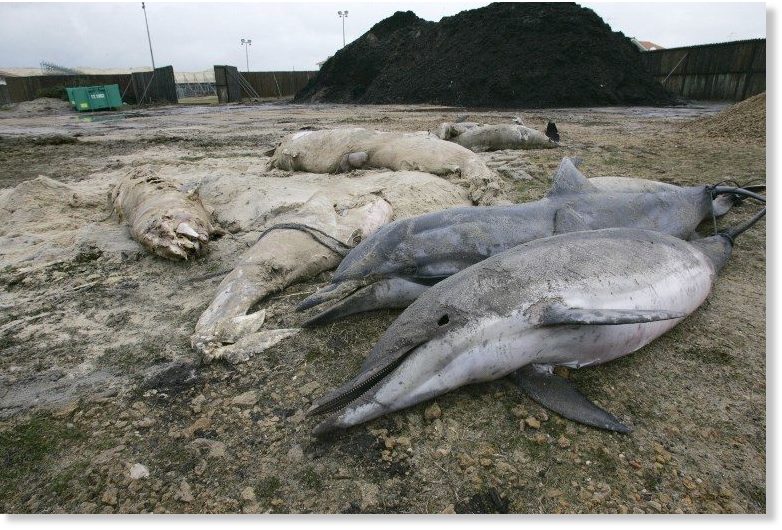
1100 dead and mutilated dolphins have washed up on France's Atlantic coast so far in 2019 - UPDATE

Illustration Photo
© Michel Gangne, AFPIllustration Photo
Since the beginning of the year alone, a record number of up to 600 dolphins have washed up on France's Atlantic coast. So what's going on?

What's the story?

Since the start of 2019, up to 600 dolphins have washed up on beaches along France's Atlantic coast.

According to two different surveys, the numbers of carcasses found this year is between 400 and 600 - but even the lower estimate is higher than any previous year at the same period.


While dead dolphins wash up on beaches in France each year scientists say the situation is alarming.

Comment: UPDATE 30th March

The number of dead and mutilated dolphins has risen by 500 in just over a month and the cause for this spike remains a mystery to investigators, RT reports that:
A record-breaking 1,100 dead dolphins have been discovered with their fins cut off along France's Atlantic coast since the beginning of the year, sparking alarm among animal protection groups.

Just three months into 2019, the astonishing number of mutilated dolphins is already greater than last year's record, which was the highest for decades. Furthermore, autopsies carried out on this year's discoveries found they'd undergone an extreme level of mutilation.

The mass deaths are generally a result of aggressive industrial fishing, with 90 percent of the mortalities believed to have been caused by accidental capture. Animal welfare groups say fisherman will often cut body parts off the trapped dolphins to save their nets.

However, this year's spike in fatalities is a mystery and France's Ecology Minister Francois de Rugy has launched a national plan to protect the animals. He has ordered an investigation into the use of acoustic dolphin deterrent devices by trawlers in the Bay of Biscay, an industrial fishing hub in the Atlantic Ocean.


Animal rights group Sea Shepherd have lambasted Rugy's efforts as "useless,"claiming many trawlers that they observe don't activate the repellent device for fear of scaring off other valuable fish like hake and sea bass, and say more is needed to protect dolphins.


Butterfly

Netherlands lost 84% of its butterflies in just over a century

dark green fritillary
© Iain LeachDark green fritillary
The Dutch butterfly population shrunk by at least 84% between 1890 and 2017, national statistics agency CBS and the Vlinderstichting report.

The new figures are based on an analysis of long-term data resulting from a national measuring programme developed by the two organisations.

Three years ago scientists recorded a growth in some types of butterfly for the first time since monitoring began in the early 1990s, especially among rare species such as the dark green fritillary. However, the latest figures show that their number is declining again.

Microscope 2

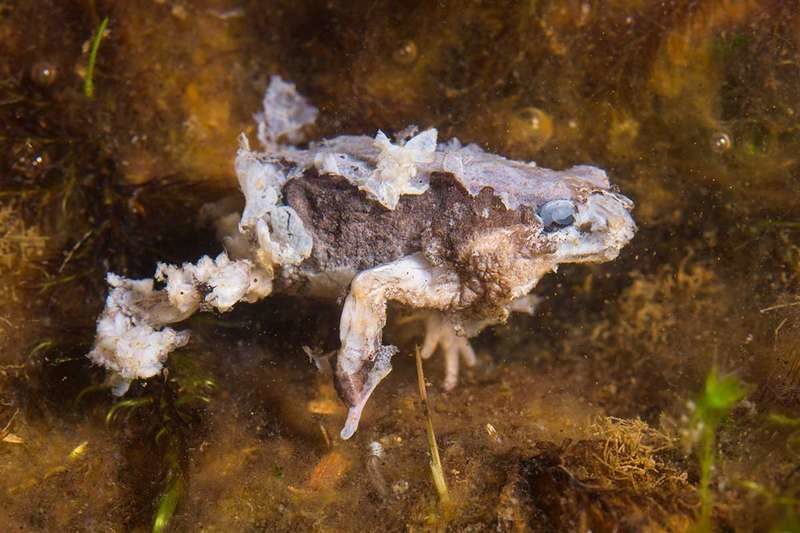
Nearly 100 species of frogs, toads and salamanders wiped out by fungus

chytridiomycosis
© Emanuele Biggi/naturepl.comAndean frogs have been hit by a fungal disease called chytridiomycosis
The extinction of 90 species of amphibians can be pinned on a deadly fungal disease, according to the most comprehensive exercise yet to map its impact.

In total, chytridiomycosis contributed to the decline of more than 500 species of frogs, toads and salamanders, or nearly 7 per cent of all amphibian species, since the disease first emerged in the 1980s.

The toll means the disease has wrought the greatest loss of biodiversity by any pathogen, on an order of magnitude greater than other wildlife diseases, such as the bat-killing white-nose syndrome.

"It's crazy what this pathogen does," says Trenton Garner from the Zoological Society of London, one of the paper's authors.

Previous work has been undertaken on the spread of the disease, and regional efforts have been made to gauge its impact on frogs and other species. But the team behind the new study say it is the best effort yet to aggregate its effects globally. "It's a smoking gun that wasn't there before," says Garner.

Comment: Outbreaks of various kinds appear to be on the rise in both humans and the animal kingdom:


Info

New theory says fat, not meat may have led to bigger hominin brains

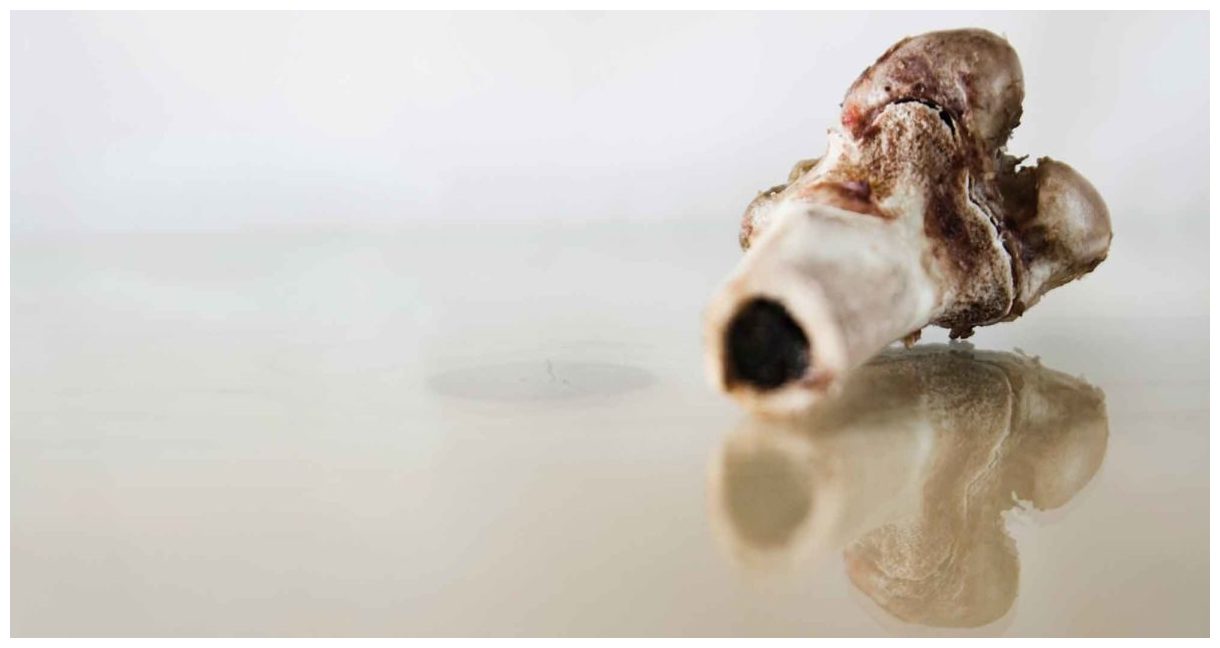
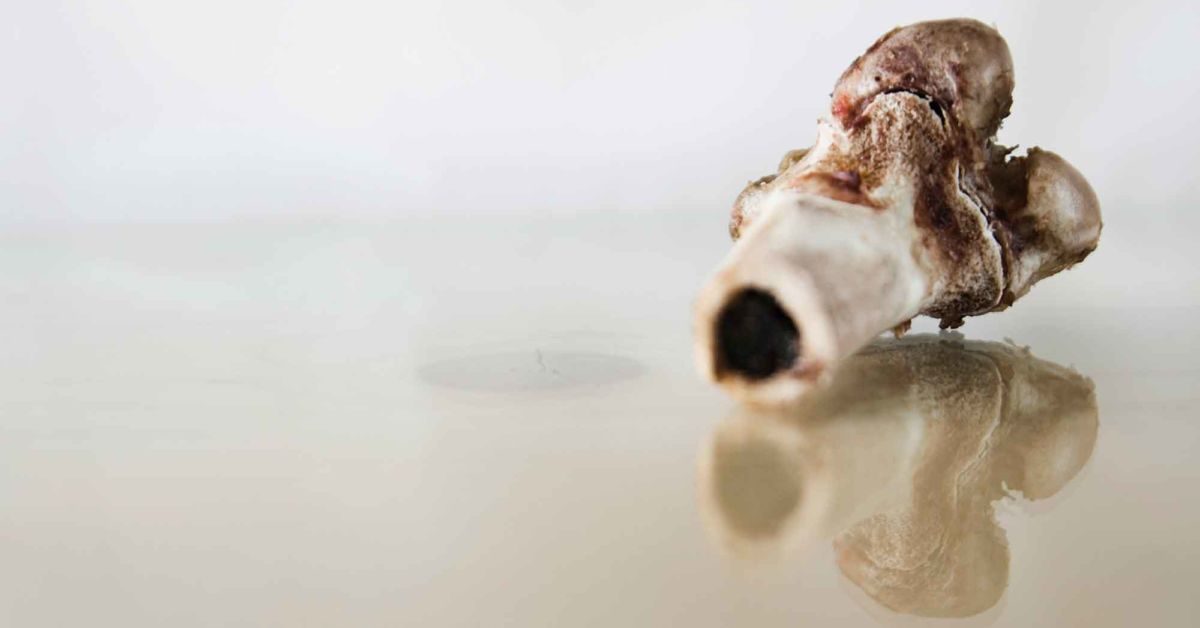
Bone Marrow
© sodapix/Getty Images
Northern Ethiopia was once home to a vast, ancient lake. Saber-toothed cats prowled around it, giant crocodiles swam within. The streams and rivers that fed it-over 3 million years ago, during the Pliocene-left behind trails of sediment that have now hardened into sandstone.

Deposited within these layers are fossils: some of early hominins, along with the bones of hippos, antelope, and elephants. Anthropologist Jessica Thompson encountered two of these specimens, from an area named Dikika, in 2010.

At the time, she was a visiting researcher at the Institute of Human Origins at Arizona State University. Given no explanation as to their history, she analyzed the bones and found signs of butchery. Percussion marks suggested someone may have accessed the marrow; cut marks hinted that flesh was stripped from bone. To her surprise, the specimens were 3.4 million years old, putting the butcher's behaviors back 800,000 years earlier than conventional estimates would suggest. That fact got Thompson, now an assistant professor in the department of anthropology at Yale University, thinking there might be more traces of tool use from those early times.

In a wide-ranging review published in February's issue of Current Anthropology, Thompson joins a team of researchers to weave together several strands of recent evidence and propose a new theory about the transition to large animal consumption by our ancestors. The prevailing view, supported by a confluence of fossil evidence from sites in Ethiopia, is that the emergence of flaked tool use and meat consumption led to the cerebral expansion that kickstarted human evolution more than 2 million years ago. Thompson and her colleagues disagree: Rather than using sharpened stones to hunt and scrape meat from animals, they suggest, earlier hominins may have first bashed bones to harvest fatty nutrients from marrow and brains.

Attention

Five different species of whale and dolphin have washed ashore recently in Donegal, Ireland

dead whale
Five different species of whales and dolphins have been found washed up on Donegal strands since last Monday.

A spokesperson for the Irish Whale and Dolphin Group (IWDG), Gareth Doherty, said the incidents are becoming too frequent.

Sperm Whale

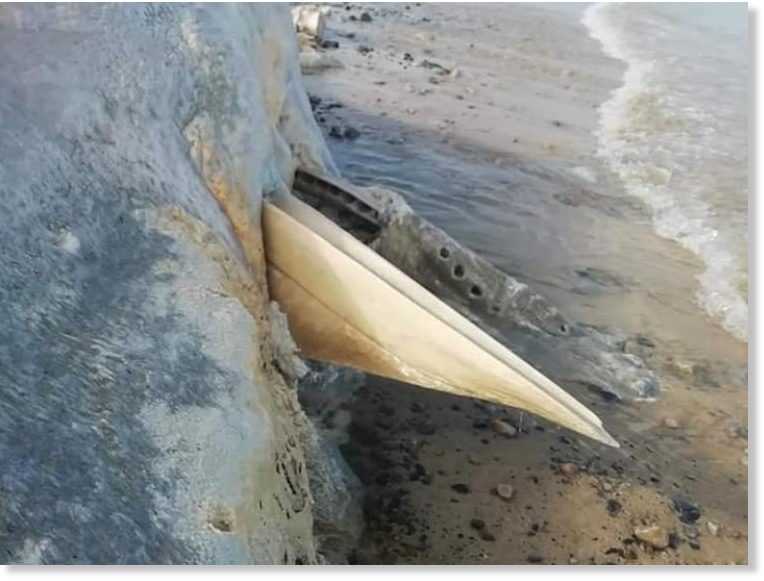
A large 43ft male sperm Whale was found dead on Magheroarty beach on Monday morning.

Mr Doherty said that the animal was found in bad condition and believes it to have been dead for 3 to 4 weeks.

Fish

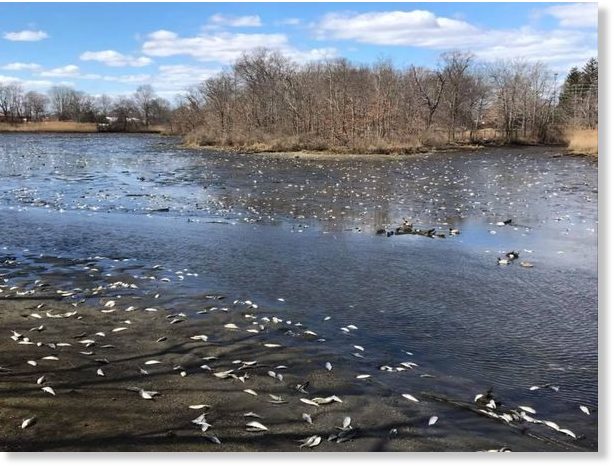
Massive amount of dead fish wash up in Oceanport, New Jersey

Thousands of dead fish wound up in Oceanport Creek, Parker's Creek and Blackberry Bay
Oceanport residents say a massive amount of dead fish washed up in their waterways within a 24-hour time span.

Heaps of the stinky, dead fish formed a carpet of carcasses among docks and boats off the Shrewsbury River.

Oceanport Creek, Parker's Creek and Blackberry Bay ended up being the final resting place for the dead fish.

New Jersey, as well as others states like Florida, has seen its fair share of fish kills through the years, which typically takes about a few weeks. What make this massive fish die-off a-typical is that it happened within a 24-hour period.

Comment: About a week later in the same region: Sharks, dying and decayed by the dozens, wash up on New Jersey beach


Fish

Sharks, dying and decayed by the dozens, wash up on New Jersey beach

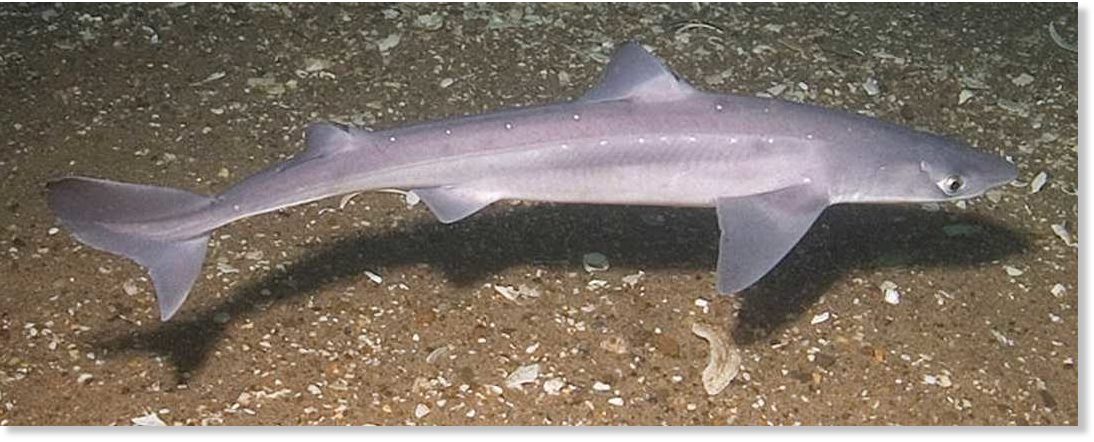
A spiny dogfish.
© Doug Costa NOAA/SBNMSA spiny dogfish.
They're going to need a bigger boat.

About 60 dead and decaying dogfish sharks washed up on the beaches of Absecon Island, according to reports, and no one knows why. If you're one of those people that's worried about getting attacked by a shark while at the beach, the video below may ease your worries.

Some say the appearance of the sharks are a result of a broken fishing net, or that anglers purposely tossed the creatures into the water.

Capt. Jason Snellbaker of the New Jersey Division of Fish and Wildlife disputes that theory, saying dogfish sharks aren't particularly sought after by fishermen.

Attention

Woman still in hospital after 100kg fur seal bites her 'to the bone' in Victoria, Australia

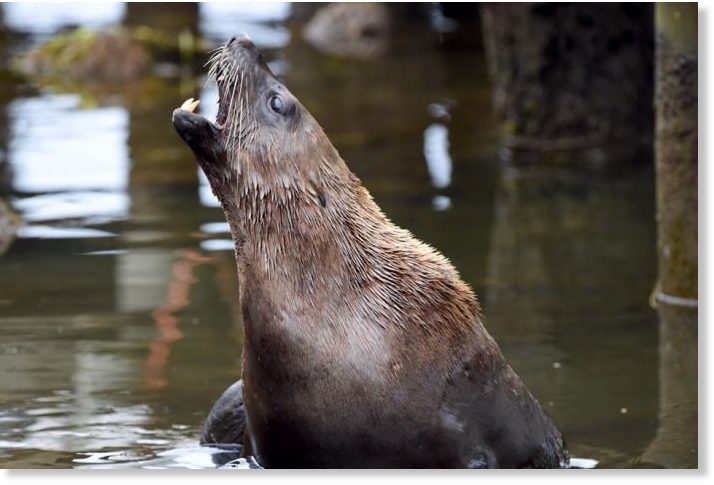
Gary Oliver used a long lens for this photo. He believes it is the same seal that bit the woman on the leg.
© Gary OliverGary Oliver used a long lens for this photo. He believes it is the same seal that bit the woman on the leg.
A woman in her 70s remains in hospital after she was bitten by a seal near a boat ramp at Port Fairy, a popular seaside town in south-west Victoria, over the weekend.

Paramedics reported the bite went "through to the bone" at the wharf late on Saturday afternoon.

Seal 'lunged out of the water'

Helene Whelan and her partner witnessed the attack and helped the woman after the seal lunged at her.

She said they had stopped after noticing a crowd around the boardwalk.

Doberman

Austrian court jails woman over fatal dog attack on toddler

canine attack
© Angela Antunes / CC by 2.0
An Austrian court has sentenced a dog owner to six months in prison after her Rottweiler mauled a toddler who died of his injuries weeks later.

Public broadcaster ORF reported Monday that the Vienna regional court convicted the 49-year-old defendant of serious negligent homicide.

Authorities determined the woman, who wasn't identified, was intoxicated during the attack. She testified she'd had "at most half a liter (17 ounces) of Prosecco."

The Rottweiler, which wasn't wearing a muzzle as required, attacked a 17-month-old boy walking with his grandparents, biting him on the head.

Attention

Dead gray whale washed ashore on Malibu Beach, California

Young, Dead Gray Whale Washes Ashore In Malibu
Young, dead gray whale washes ashore in Malibu
The carcass of a massive gray whale washed ashore in Malibu early Sunday morning, stunning beachgoers who said the decaying body gave off a strong odor.

California Highway Patrol in Ventura County said they received a call about a beached whale on County Line Beach "the size of a semi truck" at 3:11 a.m. Authorities said they reported the situation to Channel Islands Marine and Wildlife Institute.

As the sun came up, crowds approached the decaying sea mammal and began to take photos of the whale, questioning what the cause of death could have been.