Animals
S


Attention

Record-breaking 159 sea turtles strand on Texas coast during nesting season month

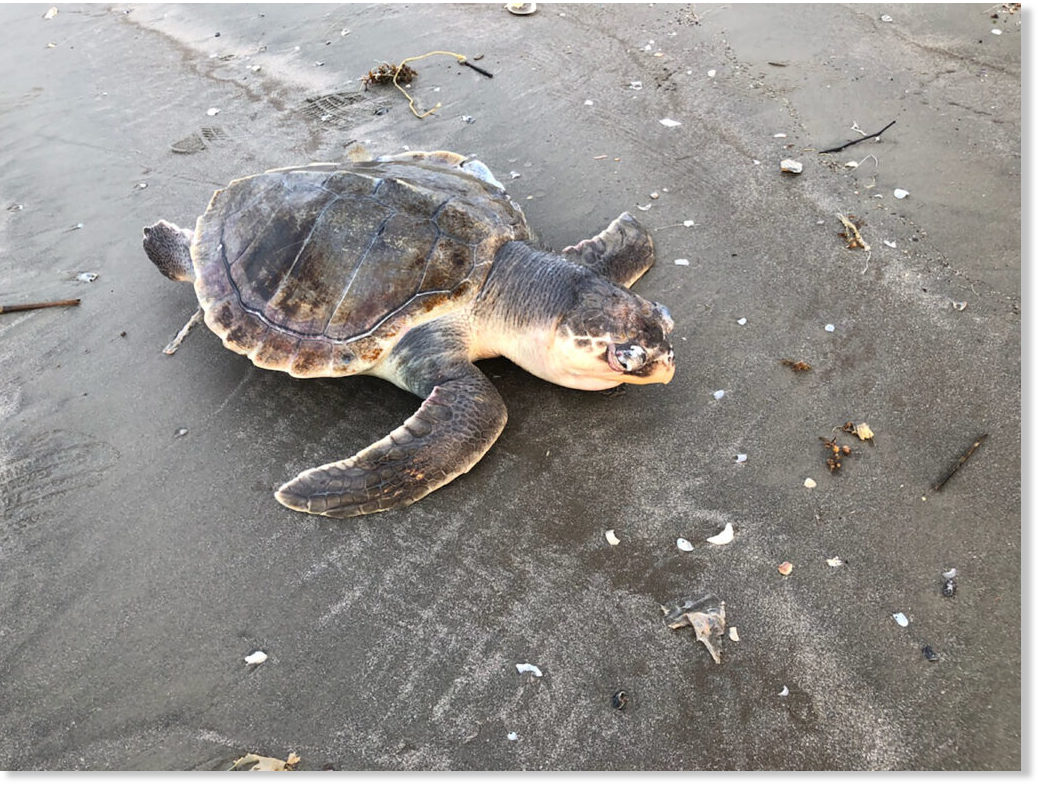
A deceased Kemp’s ridley sea turtle, the world’s most endangered sea turtle and the Texas state sea turtle, is found on the upper Texas coast during the highest recorded stranding event in one month since 1980.
The number of sea turtle strandings along the Texas coastline reached the highest number ever recorded in one month during April and May, the height of sea turtle nesting season.

A total of 159 stranded sea turtles were recorded in April—the highest number of strandings in one month since monitoring began in 1980. Strandings are continuing at a rapid pace, and the latest data shows 186 turtles stranded in Texas through May 21. Most of the turtles were dead when found.

Among those found were 68 dead Kemp's ridley sea turtles, the Texas state sea turtle and the world's most endangered sea turtle with a nesting population of between 7,000 and 9,000 female turtles. The death of even one Kemp's ridley sea turtle is of grave concern.


Attention

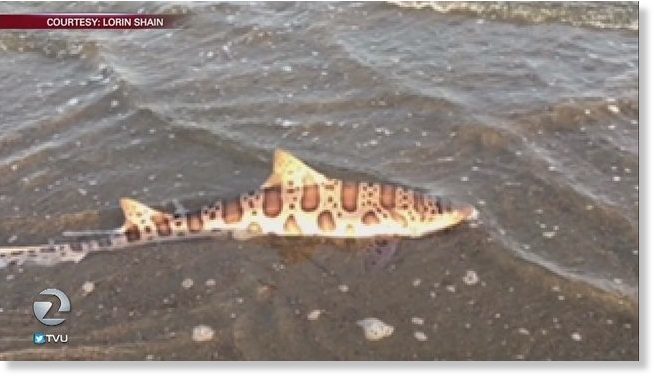
Dead leopard sharks washing up on Alameda Beach, California - about 100 in San Francisco Bay this year

Leopard shark
The leopard sharks are infected by a parasite that goes to their brains.

A shark die-off in San Francisco Bay is being blamed on a parasite in the water. Bay currents are pushing the carcasses ashore at Crown Beach.

So far this year, about 100 leopard sharks have washed up onto beaches around the area, not just in Alameda.

Red Flag

Shark kills fisherman off New Caledonia days after boy lost leg in another attack

Bull sharks are regarded as the most dangerous
© AFP/LOIC VENANCEBull sharks are regarded as the most dangerous species of shark
A fisherman has been killed by a bull shark in the French Pacific territory of New Caledonia, police said, days after a boy had his leg bitten off in another shark attack.

Police and a coroner had been sent to the Belep islands, northwest of the archipelago's main island, where the man was struck Wednesday (May 29) while fishing for sea cucumbers with three other fishermen.

The incident comes after an attack Saturday in which a 10-year-old boy had his leg and part of his pelvis torn off by a 3.5m bull shark, which was killed by the authorities.

The boy was attacked while swimming at a marina in Noumea, near his family's boat. He was in a serious condition in hospital at Koutio.

Bull sharks are regarded as the most dangerous species of shark.

Butterfly

Pesticides and lack of habitat force Chinese to pollinate fruit trees by hand

polliating by hand china
The lack of pollinating insects in some areas of fruit production in China has forced producers to pollinate their fruit trees by hand.

In these areas, the excessive use of pesticides and the lack of a natural habitat put an end to all the pollinators that inhabited the ecosystem.

There is increasing awareness of insects and other pollinating animals for agriculture worldwide; In fact, in the long term, they are basically the only ones responsible when it comes to growing food and without them agriculture could collapse.

There are simple solutions to avoid their collapse. Studies in Europe and North America have found that it is possible to increase the population of pollinating insects by planting strips of wild flowers near crops and leaving patches of natural vegetation, such as trees and forests. These practices can also increase the population of natural predators, decreasing the need to use pesticides.

Comment: While China may be suffering the worst of plummeting insect numbers, its a similar story throughout much of the 'civilized' world. It's also worth noting that not every decline in insect species has been directly correlated with loss of habitat or excessive use of pesticides and herbicides: Nearly 100 species of frogs, toads and salamanders wiped out by fungus

See also:


Attention

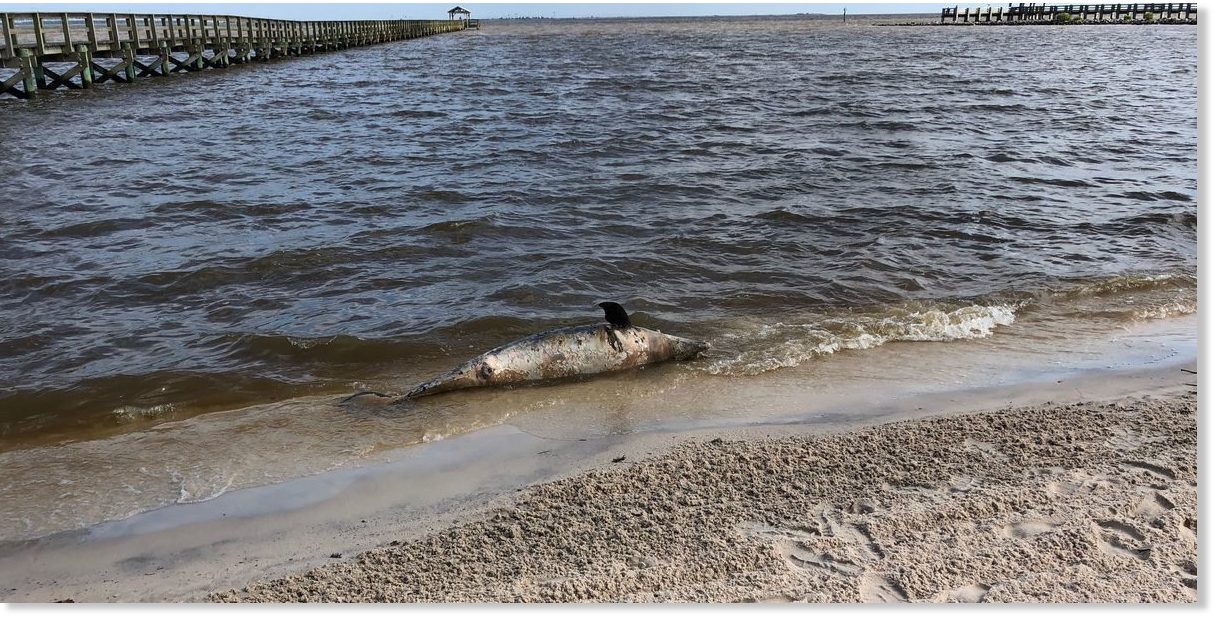
4 more dead dolphins wash on the Mississippi Gulf Coast - now 93 for the region this year

A third dead dolphin washed ashore Tuesday morning on Front Beach in Ocean Springs.
© WLOXA third dead dolphin washed ashore Tuesday morning on Front Beach in Ocean Springs.
Four more dead dolphins washed ashore on the Mississippi Gulf Coast Tuesday, making a total of 93 dolphins to be found dead on the beaches this year.

All four dead dolphins were found Tuesday. One was found in Long Beach between Richards Avenue and Ocean Wave Avenue. A second dolphin was found in Ocean Springs on Front Beach. Shortly after those two were reported, a third dolphin was found on Front Beach in Ocean Springs, and another in Biloxi.

This is the highest number of dead dolphins that the Coast has seen since 2011. Three dead dolphins were found on Biloxi Beach just two days ago.


Attention

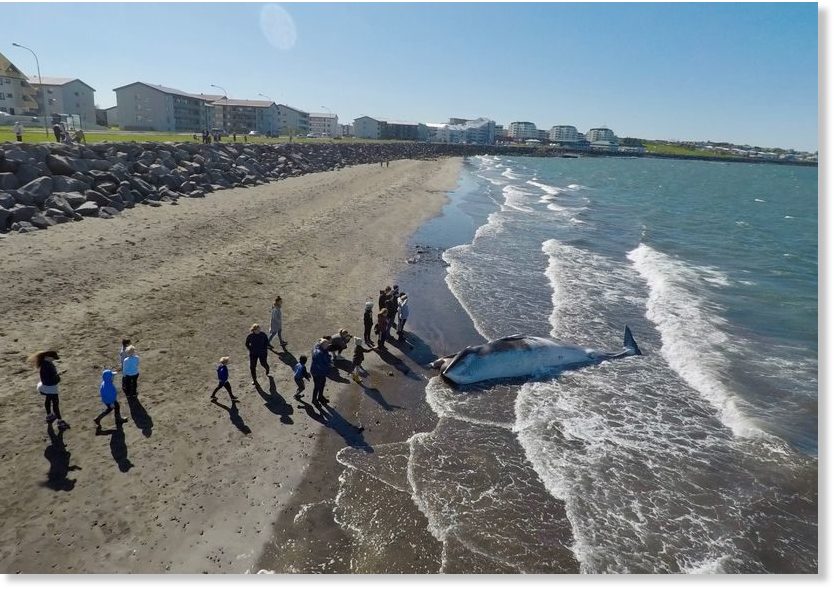
Dead minke whale found on beach in Reykjavík, Iceland

Passers-by take a look at the carcass.
© mbl.is/Hallur MárPassers-by take a look at the carcass.
A beached whale was reported to police in Reykjavík yesterday afternoon, according to mbl.is. At first, the whale was seen floating about 300 m from shore. It subsequently drifted to the shore, where it now lies on the beach in the western part of the city, near the intersection of Eiðsgrandi and Rekagrandi roads. It is now clear that this is a minke whale.

The carcass has a foul smell, and the Reykjavík Public Health Authority is looking for ways to remove it from the shore.

Earlier yesterday, a capsized sailboat was reported in Hvalfjörður fjord. The Icelandic Coast Guard helicopter was immediately sent to the scene. What it found was a dead whale, white belly up. It is likely the same whale as now lies on the beach of Reykjavík.


Comment: Dead whales have also turned up in the last few days on the coast of Scotland and Thailand.


Info

The mystery of human bipedality

Bipedality
© Julie Delton/Getty Images
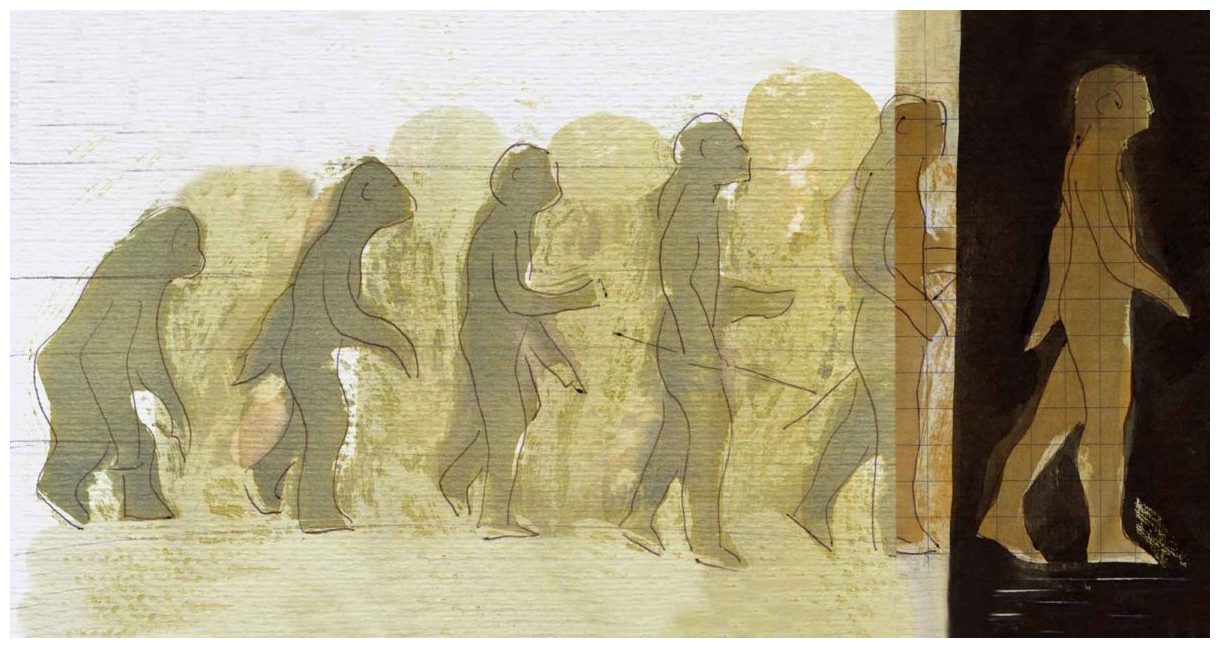
Bipedality, the ability to walk upright on two legs, is a hallmark of human evolution. Many primates can stand up and walk around for short periods of time, but only humans use this posture for their primary mode of locomotion.

Fossils suggests that bipedality may have begun as early as 6 million years ago. But it was with Australopithecus, an early hominin who evolved in southern and eastern Africa between 4 and 2 million years ago, that our ancestors took their first steps as committed bipeds. Yet scientists still know little about the circumstances that led to this trait's emergence.

Carol Ward, a paleoanthropologist and anatomist at the University of Missouri, studies this question. A specialist in human origins, Ward has spent a number of field seasons at various paleontological sites, including at Kanapoi and Lomekwi in West Turkana, Kenya, where she and her colleagues recovered australopithecine fossils. Her latest work repurposes 3D medical-imaging technologies to compare modern primate anatomy, including soft tissues and organs, with the skeletal fossil record of ancient hominids. That technique allows her to make inferences about our ancient ancestors and how their bodies supported different forms of locomotion. As she discussed in a short lecture at the American Association for the Advancement of Science (AAAS) annual meeting in Washington, D.C., in February, figuring out how and why humans became bipedal could be essential to understanding human evolution more broadly.

The following conversation with Ward has been edited for clarity and brevity.

Black Cat

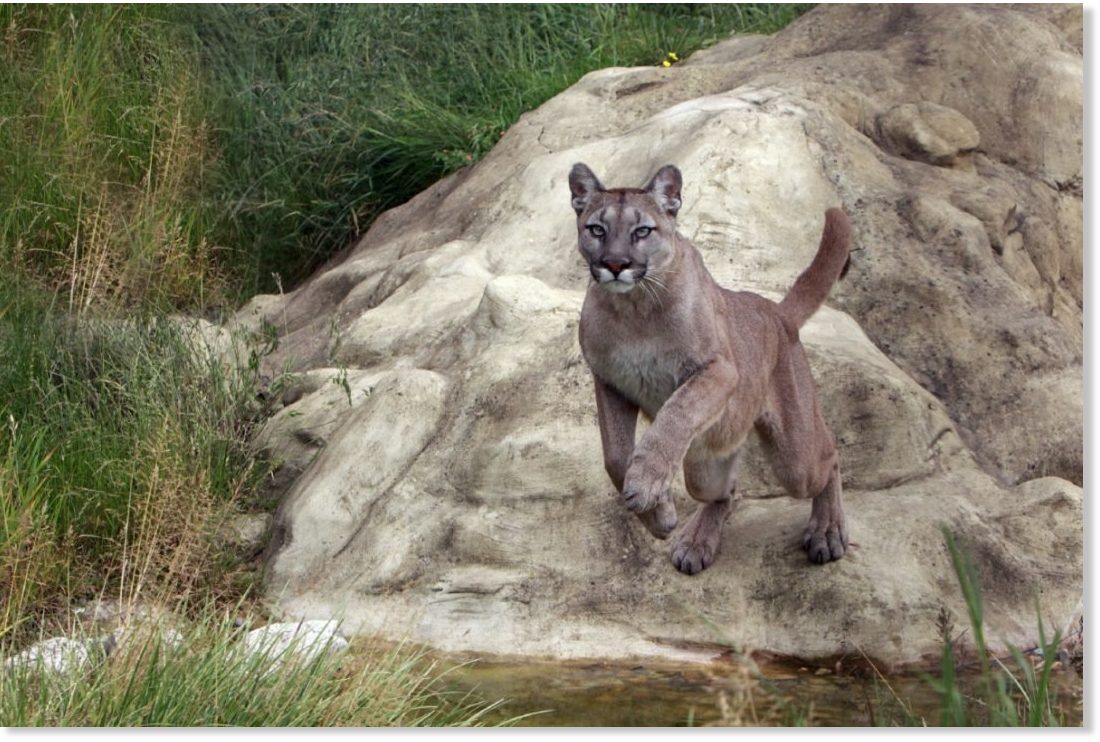
Mountain lion attacks boy at Los Peñasquitos Canyon Preserve, California

A cougar
© DreamstimeA cougar
A 4-year-old boy is lucky to be alive after being attacked by an 80-pound wild cat, likely a mountain lion, in a Rancho Penasquitos canyon on Memorial Day, a wildlife official said Tuesday.

A female mountain lion suspected of attacking the boy was shot and killed by wildlife officers hours later, California Department of Fish and Wildlife (DFW) spokesperson Lt. Scott Bringman said.

The boy was hiking with a group of six adults and five children in the Los Peñasquitos Canyon Preserve, in an area known as Carson's Crossing at the center of the preserve, when the animal attacked at about 2:30 p.m., SDFD Battalion Chief Rick Ballard told NBC 7.

Bringman said the boy's father should be commended for his quick actions. While the rest of the group dispersed, the father "threw rocks and the animal left the scene."


Comment: Some recent history of mountain lion attacks in California:


Doberman

82-year-old man dies after attack by dog in Japan

canine attack
© Angela Antunes / CC by 2.0
An 82-year-old man has died after being bitten by a Tosa dog (mastiff) in Minami-Awaji, Hyogo Prefecture, police said Monday.

Police said they received a call at around 8:40 p.m. Sunday from a 55-year-old man, saying that his father had been bitten by a Tosa dog, Sankei Shimbun reported.

Police found the man, Tsutomu Fukumoto, inside the dog's cage with the animal near him. He was declared dead at the scene due to loss of blood from several bite marks to his back.

Attention

Swimmer dies after shark attack in Hawaii

Shark attacks
A man has died in Hawaii after being attacked by a shark, local officials have said, the first such fatality in the state in four years.

The victim, a 65-year-old from California, is believed to have been swimming in clear, flat conditions about 60 yards from the shore at on the west coast of Maui on Saturday morning when the attack happened.

The County of Maui Department of Fire and Public Safety sent a helicopter and jetski to locate the man and bring him to shore, where officials performed CPR.

The man, whose name has not been released, died at the scene.


Comment: Also on the same day a 10-year-old boy had his leg ripped off by a shark in New Caledonia.

Shark attacks are on the rise in the US and Australia.