Animals
S


Bug

Plague of locusts hits southern Israel

Israel locust
© YouTube/ILTV Israel News (screen capture)
Residents of Israel's south may have found themselves swatting insects over the weekend, as a plague of locusts swarmed the area.


Black Cat

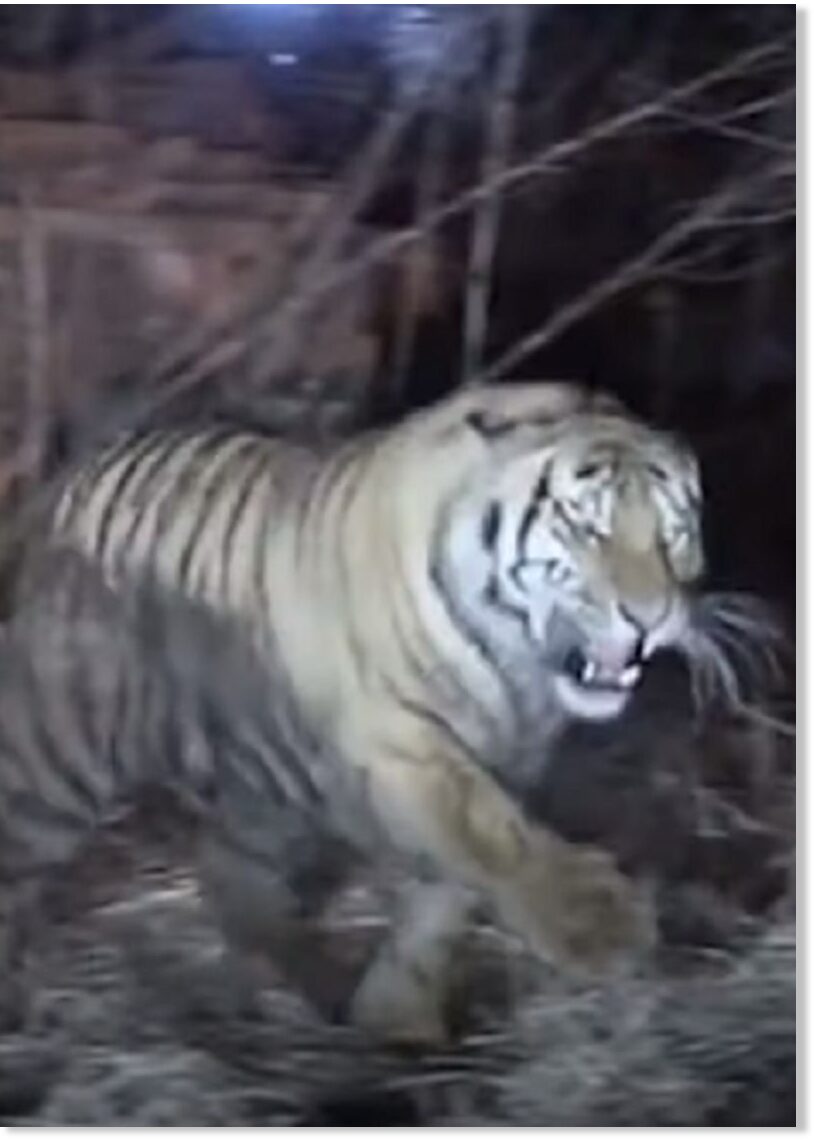
Siberian tiger attacks farm worker and then car in Chinese village

attack
A Siberian tiger has pounced on a field worker and attacked a car in a Chinese village near the country's border with Russia.

The male juvenile tiger was first spotted roaming close to Linhu village in Heilongjiang province on Friday, according to Chinese media.

The tiger then attacked Wang Xue's car as she drove into the area to pick up a relative.

"It turned in the direction of two villagers working in the field," Ms Wang told state media.

"I shouted at them to run, but the tiger then ran straight in my direction."


Info

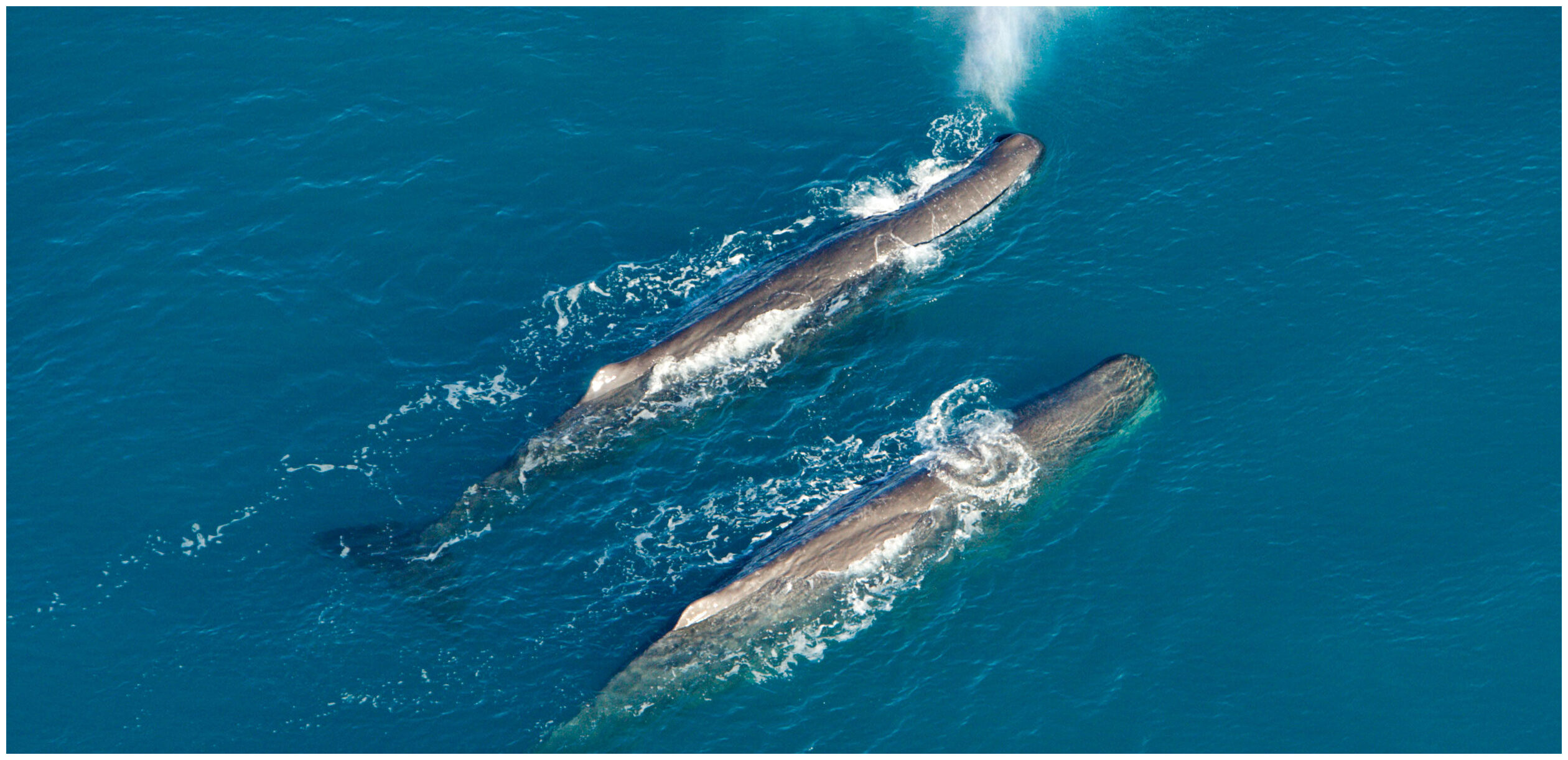
The bro bonds of sperm whales

Pair of Whales
© Photo by Francois Gohier/VWPics/Alamy Stock PhotoThe finding that male sperm whales have male friends bucks the long-standing assumption about sperm whale behavior.
Scientists have long believed that male sperm whales are among nature's loneliest creatures. Unlike female sperm whales, which spend their entire lives living in matrilineal societies among their female kin, males get kicked out of their mothers' pods once they reach sexual maturity and then spend the majority of their lives alone. Or so we thought.

A new study has found evidence that male sperm whales can develop strong, long-lasting bonds, forming friendships with other males that can last for at least five years.

The findings of this landmark study are based on 12 years of observations conducted by researchers working in the Nemuro Strait, a narrow stretch of water sandwiched between Hokkaido, in northern Japan, and the southernmost Kuril Island. The strait is visited by hundreds of migrating sperm whales each year. Although male sperm whales have previously been observed feeding together, and even stranding themselves in all-male groups of unrelated individuals, no one knew what was driving them to do so.

To find out, researchers led by Hayao Kobayashi, a sociobiologist at Nagasaki University in Japan, spent thousands of hours aboard whale watching boats photographing 226 male sperm whales and listening in on their conversations using hydrophones.

"It takes a steady effort, extensive data sets, and patience to reveal the ecology of long-life animals," says Kobayashi. Although the data collection was arduous, it let the researchers determine which whales hung out together, and for how long.


Attention

Fifth whale washes up dead in San Francisco Bay in less than a month

dead
A dead whale was discovered on a beach near Fort Funston on Friday, the fifth deceased whale to be found around San Francisco Bay in less than a month.

April is the start of gray whales' northern migration, so finding dead whales on the shores of the bay is not unusual, but after four were found in the span of nine days just a few weeks ago, experts began to worry.

"It's concerning," Giancarlo Rulli of the Marine Mammal Center in Sausalito had said. "The fact that we've responded to four dead gray whales ... is concerning."

A video of the fifth dead whale was post to Twitter:


Attention

Wild elephant attacks claim 3 lives in Sri Lanka

elephant
Two lives were lost in the village of Ulhitiya within 24 hours as a result of wild elephant attacks, highlighting the need to solve the growing conflict.

D.M. Hemalatha, 54, the second casualty in the wild elephant attack, had been living in a neighbour's residence after her house was destroyed by wild elephants last year.

The incident had taken place within a kilometre from the residence of Heen Manika, another resident who was killed by a wild elephant, less than 24 hours earlier.

Meanwhile, an elephant attack was reported from the Kurulubadda area in Polonnaruwa as well.

Attention

Signs and Portents: Extremely rare two-headed calf born in North Macedonia

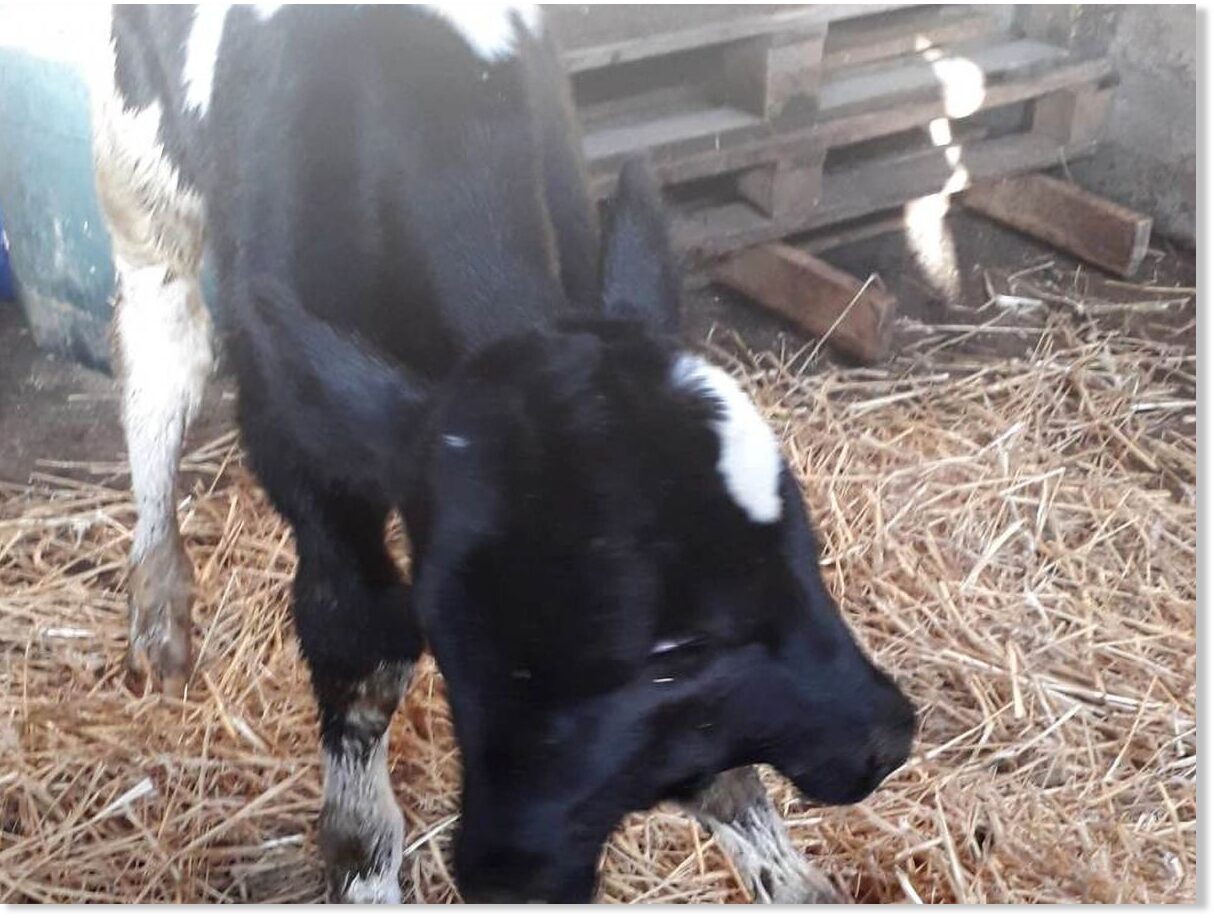
The young cow has a condition called polycephaly
An extremely rare two-headed calf has been born in North Macedonia.

The baby cow has a condition called polycephaly, and consequently has fused skulls, two pairs of eyes and one pair of ears.

The unique multi-headed animal is even able to suck milk simultaneously using its two mouths, as reported by Reuters.
Farmer Vasko Pestrovski knew something was different when the calf was being born in his barn in Lazec, a small village in the Bitola municipality, last week.

He said: "Early in the morning we heard that the cow was about to deliver. When she delivered, we saw the calf was rather extraordinary, with two heads.


Eye 2

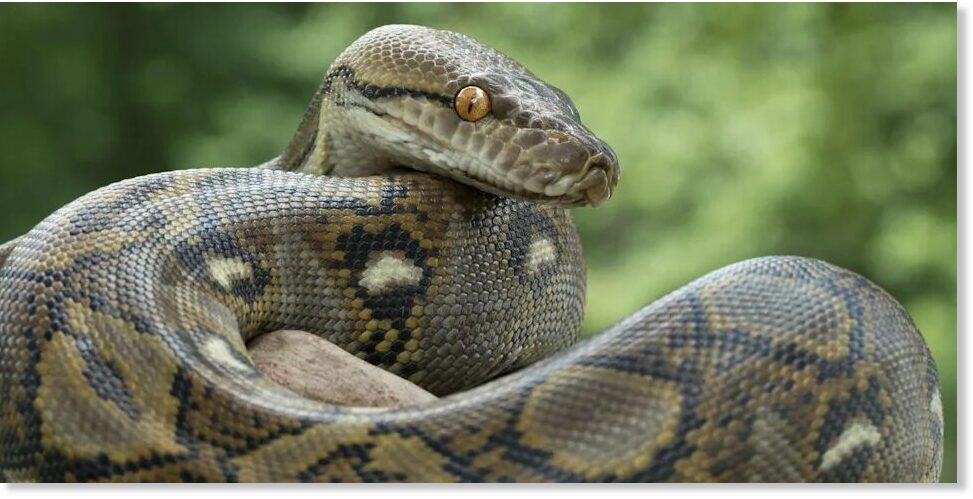
Woman swallowed by python as she checked on her cornfield in Sulawesi, Indonesia

python
A woman in Indonesia was swallowed whole by a python as she checked on her cornfields last week. According to The Washington Post, citing the Jakarta Post, the woman's name was Wa Tiba and lived on Muna Island off the coast of Sulawesi. She left her home Thursday night to visit her cornfield about a half mile from her home.

Reticulated pythons are common in the area, but it was actually wild boars that Wa had been worried about initially because they'd be destroying her crops, according to the Jakarta Post's report.

When Wa didn't return, her sister went out to find her and found Wa's footprints, flashlight, slippers, and machete. On Friday, 100 villagers from Persiapan Lawela searched the area and found a 23 foot-long snake with a very swollen belly. The villagers killed the snake, cut it open, and found Wa inside intact. She probably didn't die inside the snake: A reticulated python secures its prey with a bite, then wraps its body around the victim, squeezing down until the victim cannot breathe, before consuming, according to the Associated Press.

Pythons are the longest snake in the world and usually only eat smaller mammals. However, a similar incident happened last year to a farmer from the nearby village of Salubiro on Sulawesi Island, according to The Washington Post.

Attention

Hunters report abundance of ptarmigan this winter in Lower Kuskokwim, Alaska

A ptarmigan in Bethel on April 17, 2021.
© Danny NelsonA ptarmigan in Bethel on April 17, 2021.
Hunters along the lower Kuskokwim River have been reporting an abundance of ptarmigan this year after a relative dearth of the birds in years prior. But whether that's because there really are more ptarmigan — or if people are just seeing more — is unclear.

Hunting ptarmigan in the Yukon-Kuskokwim Delta has been relatively easy this year, compared to the last few years.

"This year we've got lot of ptarmigan all over," said Daniel Nelson, an elder who lives in Napakiak. "They were kind of declining in number, you know. The past two or three years I'd go ptarmigan hunting and I'd barely see some, just a few flocks. Most of the time I get home with nothing, but this year I return with average of 12 ptarmigan per trip."

Neither the U.S. Fish and Wildlife Service nor the Alaska Department of Fish and Game track the number of ptarmigan in the Yukon-Kuskokwim Delta. However, state biologist Phillip Perry said that based on his own experience and what people are telling him, ptarmigan sightings are much more common this year than in the past five or six years.

Chalkboard

Mice master complex thinking with a remarkable capacity for abstraction

Categorization is the brain's tool to organize nearly everything we encounter in our daily lives. Grouping information into categories simplifies our complex world and helps us to react quickly and effectively to new experiences. Scientists at the Max Planck Institute of Neurobiology have now shown that also mice categorize surprisingly well. The researchers identified neurons encoding learned categories and thereby demonstrated how abstract information is represented at the neuronal level.
Mice Einstein
© MPI of Neurobiology/ KuhlMice form categories to simplify their world. Showing that, researchers identified neurons that encode learned categories.
A toddler is looking at a new picture book. Suddenly it points to an illustration and shouts 'chair'. The kid made the right call, but that does not seem particularly noteworthy to us. We recognize all kinds of chairs as 'chair' without any difficulty. For a toddler, however, this is an enormous learning process. It must associate the chair pictured in the book with the chairs it already knows - even though they may have different shapes or colors. How does the child do that?

The answer is categorization, a fundamental element of our thinking. Sandra Reinert, first author of the study explains: "Every time a child encounters a chair, it stores the experience. Based on similarities between the chairs, the child's brain will abstract the properties and functions of chairs by forming the category 'chair'. This allows the child to later quickly link new chairs to the category and the knowledge it contains."

Our brain categorizes continuously: not only chairs during childhood, but any information at any given age. What advantage does that give us? Pieter Goltstein, senior author of the study says: "Our brain is trying to find a way to simplify and organize our world. Without categorization, we would not be able to interact with our environment as efficiently as we do." In other words: We would have to learn for every new chair we encounter that we can sit on it. Categorizing sensory input is therefore essential for us, but the underlying processes in the brain are largely unknown.

Attention

Three killed in elephant attack in Odisha, India

elephant
Three men were trampled to death after a wild elephant attacked them in Duigoti village under Ghaisilot police limits under Padampur range today morning.

The deceased has been identified as Mal Seth and Biranchi Kumbhar, both are residents of Umrad village under Raisalpadar grampanchyat and other man had come to visit his relatives house.

Sources said, three had gone to the field to attend nature's call when the wild tusker attacked them and killed them on the spot.

Earlier, also many have been killed due to the elephant attack in the village.