Calla Cofield Space.com Tue, 02 Aug 2016 13:54 UTC
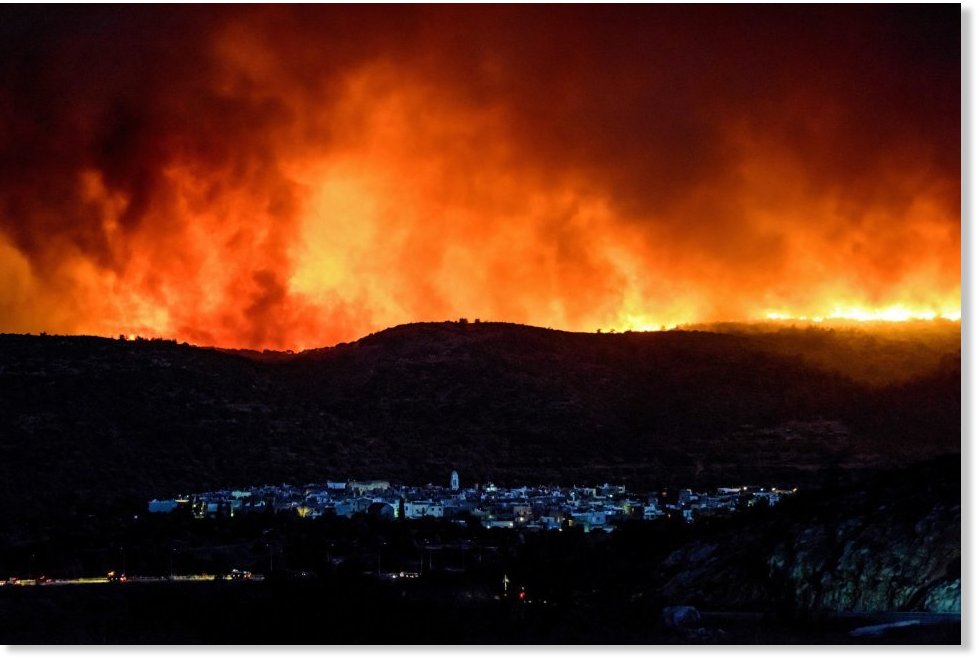
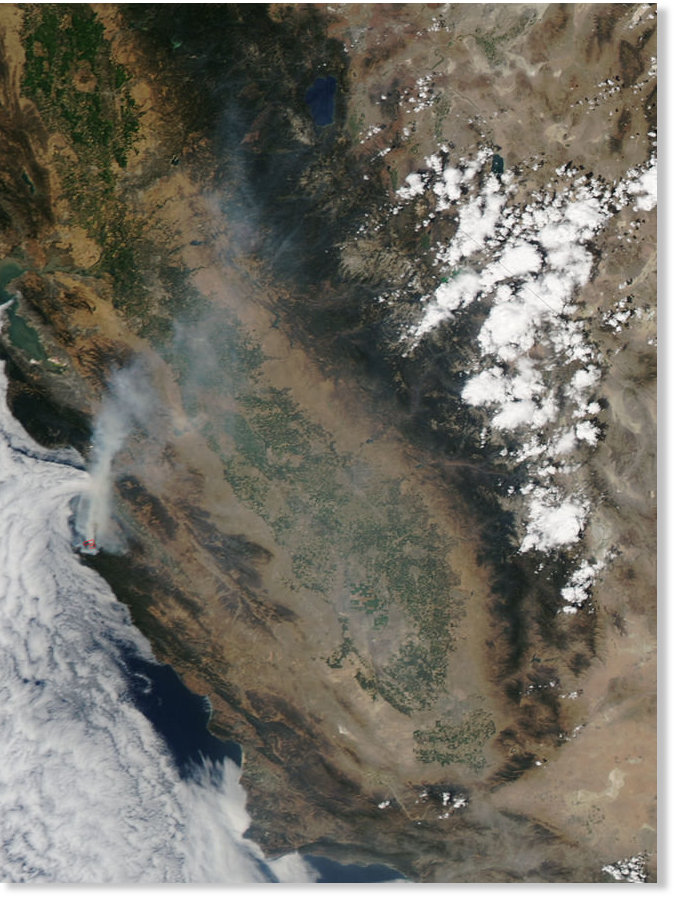
The Soberanes fire, currently burning near Monterey, California, was imaged by a NASA satellite on Sunday afternoon, as the blaze continued to swallow up tens of thousands of acres of land.
The fire, which has been burning for a little more than three weeks, had destroyed over 33,000 acres on Saturday (July 30), according to the Los Angeles Times. But in just a few days, the engulfed area has expanded to include 43,400 acres (67.8 square miles or 175.6 square kilometers) according to the state wildfire management agency, Cal Fire.
The image of the fire, trailing white smoke out over the Pacific Ocean, was captured with the Moderate Resolution Imaging Spectroradiometer (MODIS) aboard NASA's Aqua satellite at 4:35 p.m. EDT (20:35 GMT). The red lines on the image show actively burning areas detected by MODIS.
The resolution of the image is 820 feet (250 meters) per pixel, and the image shows an area about 3,730 miles (600 km) long and 260 miles (420 km) wide. A black line representing the California border with Nevada is imposed on the image.
Wildfires (marked in red) in the western United States, seen from space by the Moderate Resolution Imaging Spectroradiometer (MODIS) aboard NASA's Aqua satellite on July 31.
Wildfires were burning Monday in seven Western U.S. states, from California's famed Big Sur region to tribal towns and hamlets near Reno, Nevada. Evacuations were ordered in Montana, Nevada, Oregon and Wyoming and firefighters were trying to stop a Washington blaze from reaching a thickly forested security zone at the Hanford Nuclear Reservation.
Here's a look at some of the fires:
California
Higher humidity and lower temperatures on Monday helped firefighters battle a destructive fire that has scorched more than 63 square miles near the scenic Big Sur coast, while firefighters in Central California faced blistering heat as they worked to contain a blaze that burned rural homes and forced hundreds of evacuations near the small Fresno County town of Prather.
A layer of ocean air that arrived in the mountainous Big Sur region was credited for the better firefighting conditions in an area where a fire that started July 22 has destroyed 57 homes and 11 outbuildings and is threatening 2,000 more structures. A bulldozer operator working for the firefighting operation died in an accident last week.
The blaze near Prather damaged an undetermined number of 400 evacuated homes just outside the Sierra National Forest, the California Department of Forestry and Fire Protection said.
That fire started Saturday and by Monday had grown to nearly 3 square miles with just 15 percent of it cut off by firefighters from burning further.
Several lightning-sparked wildfires grew in grasslands and brush in northern Nevada on Monday, where officials said about 800 firefighters were trying to contain a 78-square-mile fire near a tribal town and rural hamlets west of Pyramid Lake.
Another 300 firefighters were trying to prevent a nearly 8-square-mile wildfire from reaching a state highway in the remote and scenic Poodle Mountain Wilderness Study Area about 50 miles farther north.
In eastern Nevada, firefighters had about half of a 1.3-square-mile wildfire contained on public rangeland about 95 miles northeast of Las Vegas, Bureau of Land Management spokesman Chris Hanefeld said.
Near the largest fire, about 600 residents were allowed to return to the Pyramid Lake shoreline community of Sutcliffe after utilities were restored. They had been evacuated over the weekend, along with 200 people in beach areas. The lake remained closed to the public for boating, camping and recreation, said Scott Carey, Pyramid Lake Paiute Tribal business manager.
The fire destroyed six houses and mobile homes, two vehicles and several out-buildings at historic Hardscrabble Ranch, and the Tribal Council issued a disaster declaration late Saturday to obtain resources from state and federal agencies, Carey said.
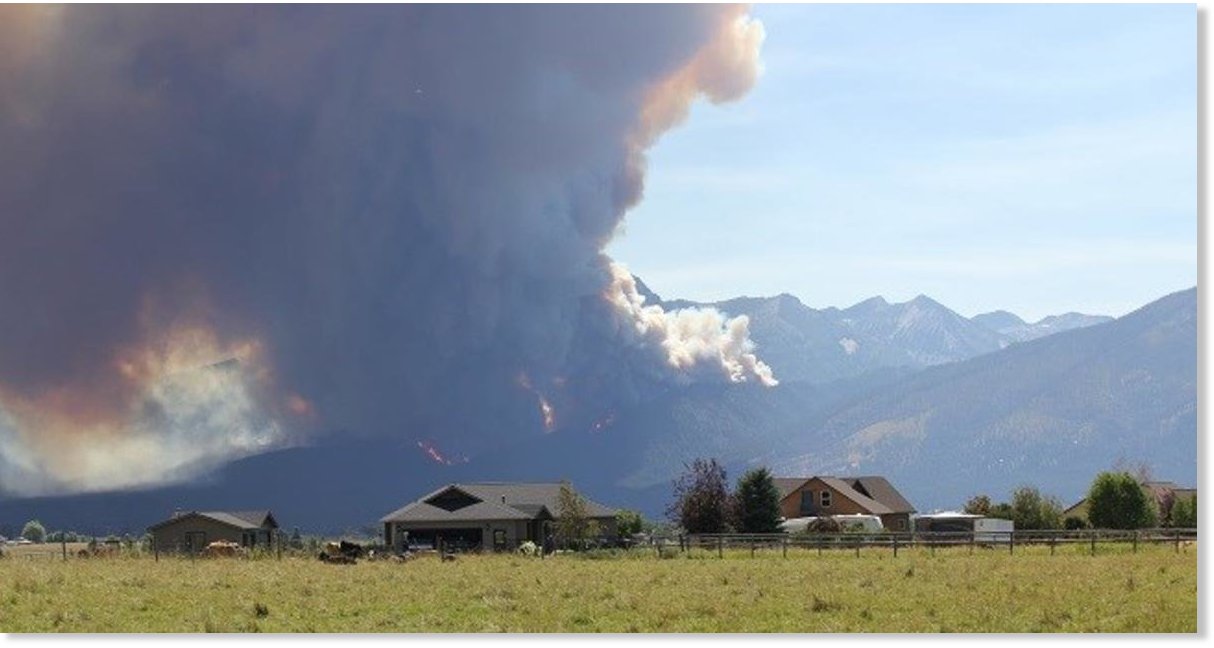
The residents of at least 500 homes are under orders to evacuate because of a fast-moving wildfire southwest of Hamilton that has already claimed a number of structures.
"We're just trying to get people out of the way now," Bitterroot National Forest spokesman Tod McKay told the Missoulian newspaper. "We can rebuild homes. We need to get people out of this area."
The wildfire -- dubbed the "Roaring Lion Fire" -- Sunday afternoon is at least a half square mile and is heading up Roaring Lion Road in the Bitterroot National Forest and down the canyon, officials said.
The speed of the has left locals in shock, KXLH reports. By conservative estimates, the fire was growing at a rate of 200 acres per hour after it started early Sunday afternoon. Driven by gusty downslope winds funneled right down the valley, the fire was racing through the foothills southwest of Hamilton.
Structures in the Judd Creek area have been lost to the wildfire southwest of Hamilton, Ravalli County Sheriff Chris Hoffman told the Missoulian.
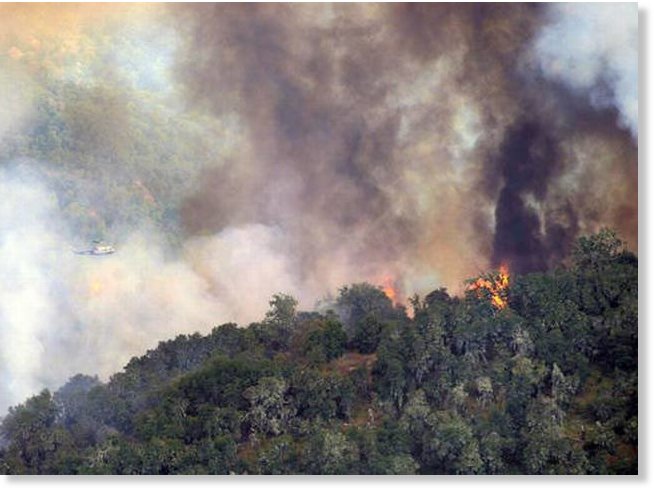
A large blaze near Big Sur on California's Central Coast spread even further on Sunday, destroying 57 homes and forcing the evacuation of another 300, as 5,000 firefighters struggled to slow down the wildfire.
The blaze is currently threatening thousands of homes. Overnight it grew to an area of 59 square miles (153 square kilometers), about the size of San Francisco, according to the California department of forestry and fire protection. Authorities have ordered 300 more homes to be evacuated.
Firefighters were able to contain only 15 percent of the blaze by Sunday morning. Overnight, it destroyed 57 homes and eleven outbuildings. Officials warned that it could be another month before the blaze is completely extinguished.
A wildfire burning in rugged terrain in southwest Idaho doubled to 14 square miles on Wednesday, and officials closed a state highway in an attempt to use it as a firebreak.
About 23 miles of State Highway 21 are closed from north of Idaho City to south of Lowman as firefighters remove trees and brush to reduce the potential for the fire to cross the road. "We're going to make a stand against the fire there," fire spokeswoman Rae Brooks said.
The highway is well-traveled route from southwest Idaho to vacation areas in central Idaho. Officials gave no timeline for when it will reopen.
"We don't know what the fire is going to do, and we don't know how successful we'll be with our stand there," Brooks said.
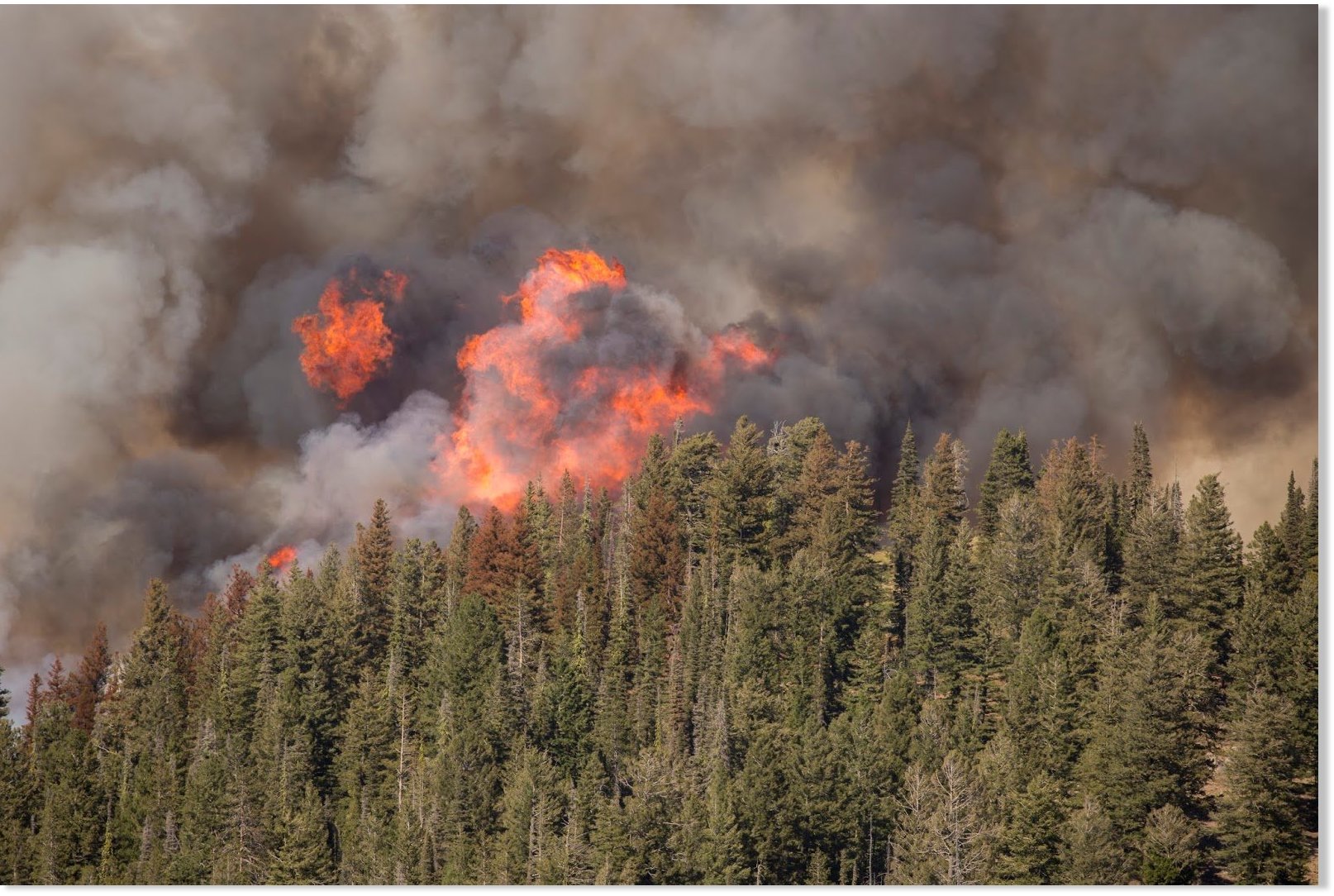
About 900 firefighters backed by 10 helicopters are fighting the blaze that's burning in timber. About 35 campers have been evacuated, and 10 structures are threatened.
It's not clear what the structures are, but at least some are yurts for campers. Officials also expanded a closure in the Boise National Forest.
The state of California declared a state of emergency Tuesday night, as firefighters feverishly tried to control a fast-moving wildfire that has scorched 37,473 acres near Los Angeles since Friday, according to the Los Angeles County Fire Department. Fires in Monterey County, albeit more than half the size of the L.A.-area wildfire, also prompted the declaration.
"Acting Governor Tom Torlakson today issued emergency proclamations for Los Angeles and Monterey counties due to the effects of the Sand and Soberanes fires, which have burned tens of thousands of acres of land, threatened thousands of homes and other structures and caused the evacuation of residents," read a statement from the office of California governor Edmund G. Brown, Jr.
More than 3,000 firefighters have been deployed to halt the blaze in the Santa Clarita Valley, according to the department. About 25 percent of the fire has been contained.
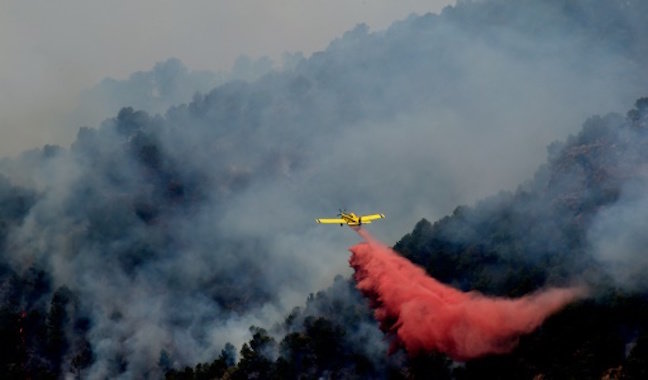
A plane fights a wildfire burning in Artana, near Castellon, eastern Spain on July 26, 2016
Spanish troops intervened Tuesday as a wildfire near the eastern city of Valencia spread to a nature reserve after laying waste to some 1,400 hectares (3,500 acres) of land, regional authorities said.
The fire, whose cause was unclear, broke out on Monday at Artana, some 60 kilometres (40 miles) north of Valencia, an emergency services spokeswoman said, adding it had not spread to residential areas.
Overnight, the fire reached Sierra d'Espadan, an ecoregion known for its cork oak forests and home to foxes as well as endangered species of bats.
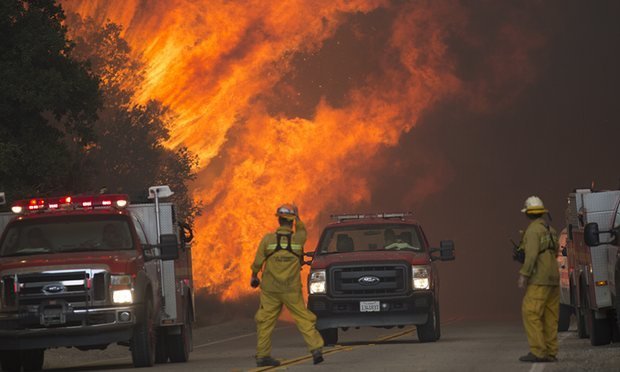
The Sand fire has burned about 10,000 acres per day since it began Friday in the hills north of Los Angeles
Thousands of evacuees have been allowed to return home as the nearly 55-square-mile Sand Fire continues to burn in Southern California's Santa Clarita Valley.
Firefighters announced that all evacuated residents would be allowed to return home at 7 p.m. Monday, with the exception of Placerita Canyon Road from Running Horse Lane to Pacy Street and Little Tujunga Canyon Road from the Wildlife Way Station to Sand Canyon Road and Placerita Canyon Road.
Large animals were to be allowed to return as well.
The fire has burned about 10,000 acres per day since it began Friday in the hills north of Los Angeles, growing at a rate firefighters described as "almost unprecedented."
"It has averaged about 10,000 acres per day," said Chief Mike Wakoski, incident commander. "An acre is a football field, so imagine that -- 10,000 football fields per day."
Shifting winds have fanned the flames, which raced through neighborhoods and destroyed homes. One death, a man whose burned body was found in a scorched vehicle, was reported in the fire zone.
"This fire, what we've seen in 72 hours, is almost unprecedented," said Los Angeles County Fire Department Battalion Chief Dennis Cross. "We'd have to go back a long way to compare a fire to this. And, we're not through with this thing yet."
I do believe that there will be a clash between East and West. I believe that there will be a clash between those who want freedom, justice and equality for everyone and those who want to continue the systems of exploitation. I believe that there will be that kind of clash, but I don't think that it will be based upon the color of the skin.
Comment: See also: Wildfires burn across 7 Western states, prompt evacuations