Volcanoes
S


Fire

Klyuchevskaya Sopka, the tallest volcano in Eurasia ERUPTS in Russia's Far East, spews ash 7,000m into the skies

Klyuchevskaya Sopka volcano kamchatka russia
© Sputnik / Ewgeniy NeskoromniyKlyuchevskaya Sopka volcano on Russia's Kamchatka Peninsula
The eruption of the Klyuchevskaya Sopka volcano in Russia's Kamchatka has created spectacular scenes, producing rivers of lava and massive smoke clouds - but scientists worry that the resulting ash cloud could disrupt air traffic.

The latest activity within the steep symmetrical cone of the volcano - the highest in Eurasia - blew ash some 7,000 meters into the air on Monday, the Emergencies Ministry said.

Klyuchevskaya Sopka, at 4,649 meters in height, was effectively inactive for three years before it started spewing lava again last October - and the smoldering eruption has continued to some degree ever since.

Attention

Three eruptions at Sakurajima Volcano in Japan

sakurajima eruption
Sakurajima eruption
At 16:13 JST, 16:55 & 17:03 JST three explosions were registered. The third plume on camera one is not shown because it was obscured by plume number two. Link to camera.

Give them a follow! Thank you for watching! As I'm typing Sakurajima has erupted two more times this day. It's getting late in the day in Japan and night will fall soon. I'm busy! What will the night bring?


Attention

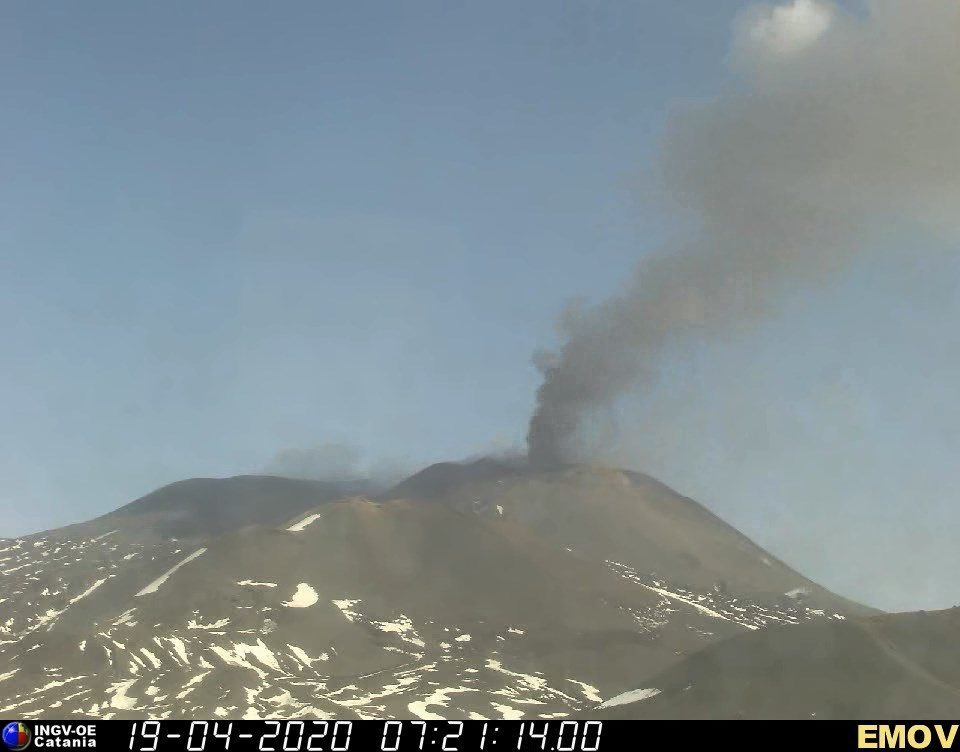
Sicily's Mount Etna spews smoke and ash 5 km into air

Mount Etna eruption
© INGV-EO
Sicily's Mount Etna erupted in plumes of smoke and ash which reached heights of over 5 km and produced "slight falls of fine ash" on the eastern side of the volcano on April 19, Italy's Institute of Geophysics and Volcanology reported.

According to the Institute of Geophysics and Volcanology, the New Crater of Etna experienced "an episode of Strombolian activity and modest lava fountains, accompanied by ash emission," on Sunday morning, April 19. The institute said there were no lava flows and the event was over by approximately 1 pm, local time.

Comment: There has been an uptick in volcanic activity worldwide recently.


Attention

One of the world's most active volcanoes spew lava in Russia's far east

Klyuchevskoy volcano
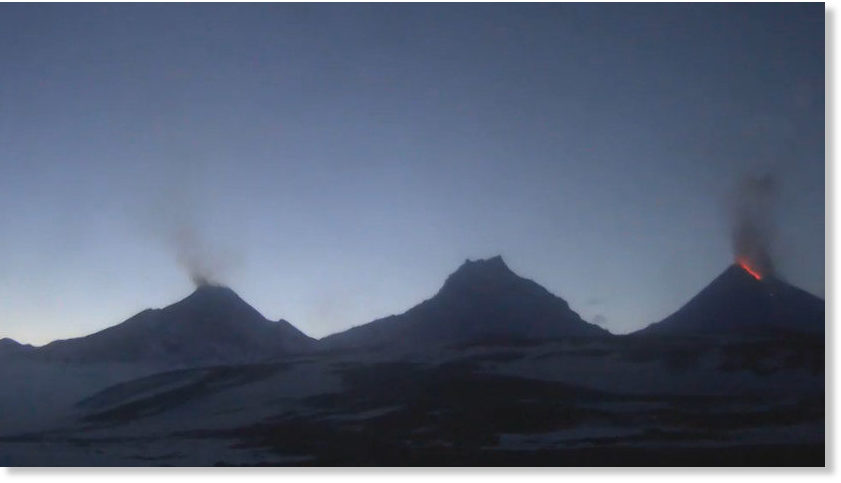
The Klyuchevskoy volcano in Russia's far eastern Kamchatka Peninsula - a huge volcano among the most active in the world - has erupted, spewing tons of ash and lava in a powerful explosion caught on film.

Streams of lava emerged from the Klyuchevskoy volcano, which has been seen sending huge flames and clouds of black smoke high into the sky, a video recorded by the Kamchatka geophysical service shows.


Attention

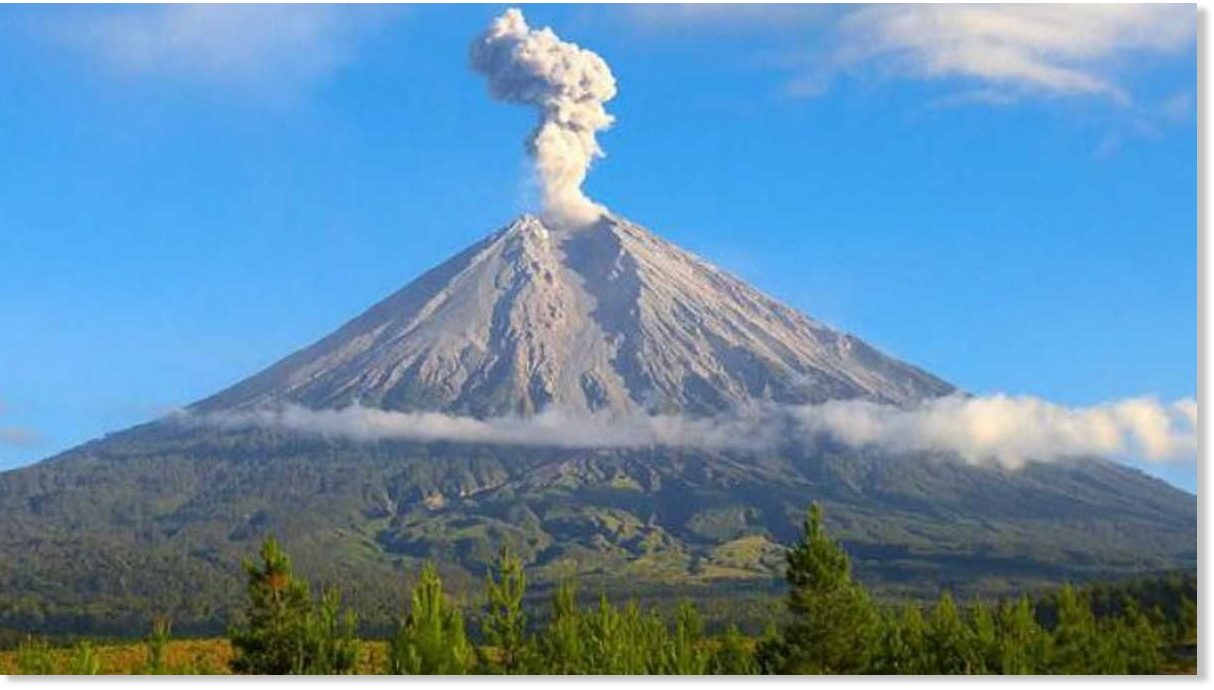
East Java's Mount Semeru spews 2,000-meter-high column of ash

volcano
Mount Semeru in Lumajang, East Java, has reportedly shown elevated volcanic activity that was marked with a 300-second tectonic earthquake and a 2,000-meter-high column of ash blowing south.

The increasing activity was recorded on Friday morning at around 6 a.m., the Volcanology and Geological Hazard Mitigation Center (PVMBG) confirmed, citing that the mountain had persistently erupted and expelled lava from its crater since the beginning of April.


Attention

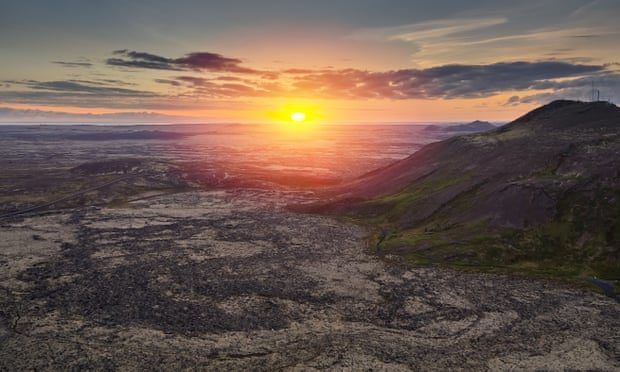
Iceland's Reykjanes volcanic activity increases, 'very unusual' says scientist

A view north of Grindavík on the Reykjanes peninsula.
© Ragnar Th. Sigurðsson/Arctic-Images/Promote IcelandA view north of Grindavík on the Reykjanes peninsula.
Volcanoes on Iceland's Reykjanes peninsula have not erupted since the 12th century, almost 800 years, and have over a short period experienced over 8,000 earthquakes as the land uplifts, indicating that the region is becoming active again.

Rising volcanic activity on the Reykjanes peninsula in Iceland could potentially result in causing disruptions for over 300 years, scientists have warned, according to the Guardian. Not having erupted in 800 years, the region is reportedly becoming active again as land uplifts of 10cm are occuring due to underground magma intrusions, according to Icelandic Meteorological Office (IMO).

Sigríður Magnea Óskarsdóttir, a specialist in natural hazards at the IMO, said to inews that currently, the volcanic activity is "unusual".
"There were eruptions in the Reykjanes peninsula 800 years ago, but in our lifetime, what we are experiencing is very unusual", he said.
If the peninsula sees volcanic activity, eruptive episodes locally known as "fires" can occur, creating fissures of up to 8km in length in the earth that spew lava. These "fires" could possibly cover large areas of land in lava, as it happened between 1210 and 1240 when an area of around 50 square kilometres was affected.

Comment: There has been an uptick in volcanic activity recently, including these from the last few days:


Attention

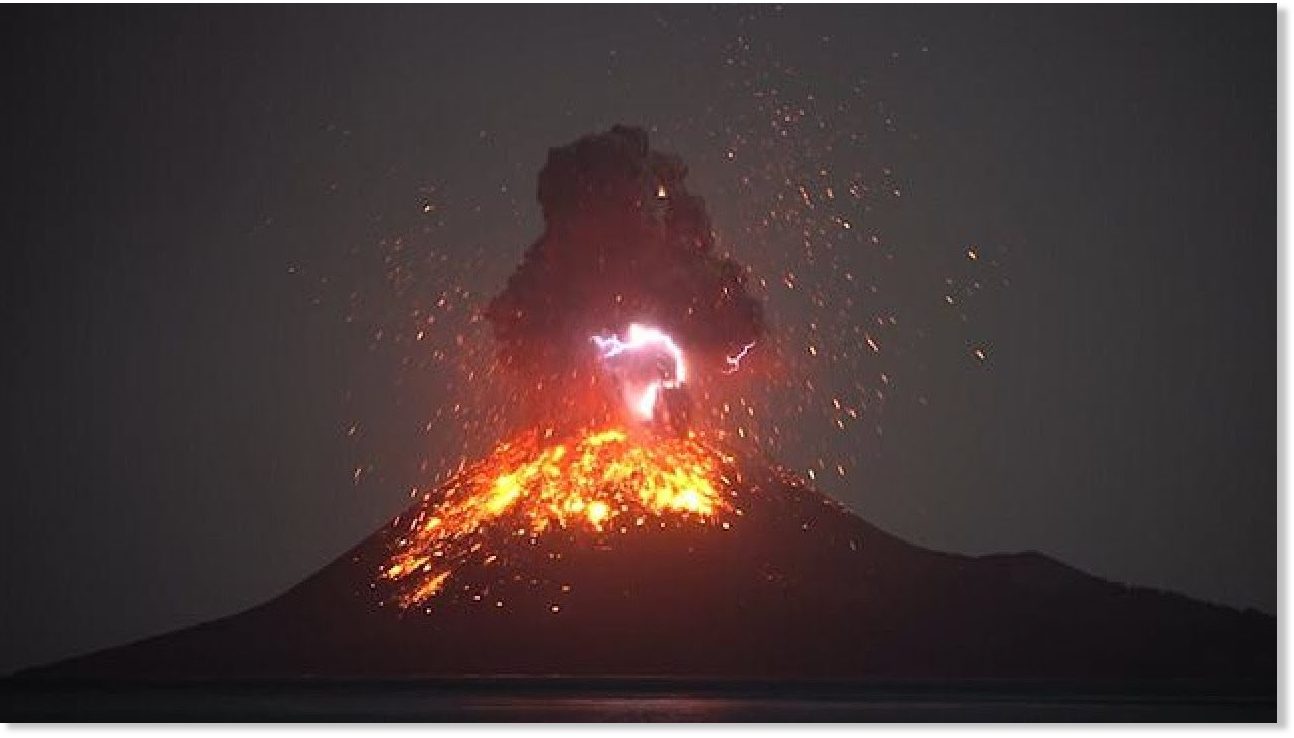
Indonesian volcano Krakatau erupts, spewing 14 kilometres of ash into air

Krakatoa Volcano Eruption
Krakatoa volcano eruption
The eruption was said to be the biggest since December 2018, when an explosion by the volcano triggered a 150-metre-high tsunami that killed four hundred people in Sumatra and devastated a nearby uninhabited island.

The Indonesian volcano Krakatoa, also known as Krakatau, erupted on Friday, forcing an ash cloud 14 kilometres into the air, according to Newshub.

The eruption of the famous volcano, located between the islands of Java and Sumatra in the Indonesian province of Lampung, reportedly began an 10:35 p.m. local time (3:35 PM Saturday GMT).


Attention

Indonesia's most active volcano erupts again, flight warning issued

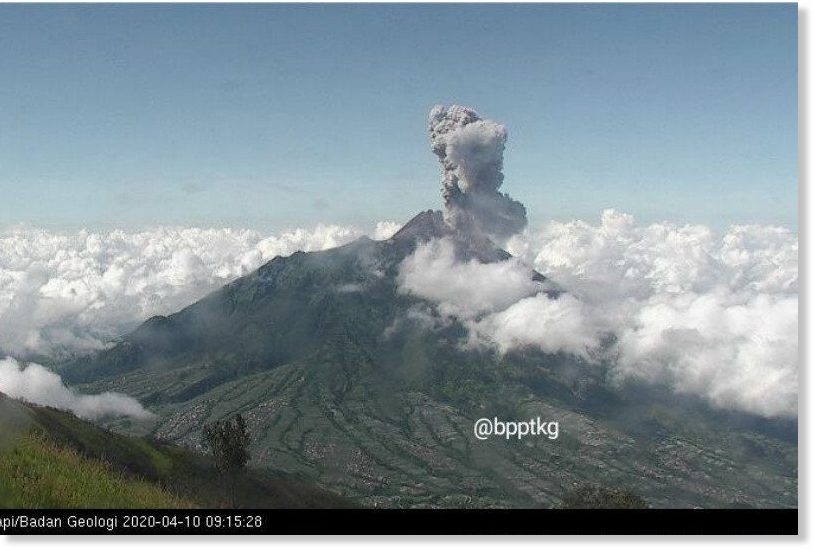
Mount Merapi
Mount Merapi
Mount Merapi, the most active volcano in Indonesia, erupted again on Friday, spewing a column of ashes by up to 3,000 meters high, the Indonesian Volcanology Agency said.

The 2,930-meter volcano situated in Indonesia's main Java Island has spewed ashes for 13 times since September, indicating that the intrusion of new magma has been occurring, the agency said.

Residents living around the slopes are asked to take precautionary measures for possible rains of ashes, it said in a statement.

A no-go zone has been declared at a 3-km radius from the crater, it said.


Arrow Up

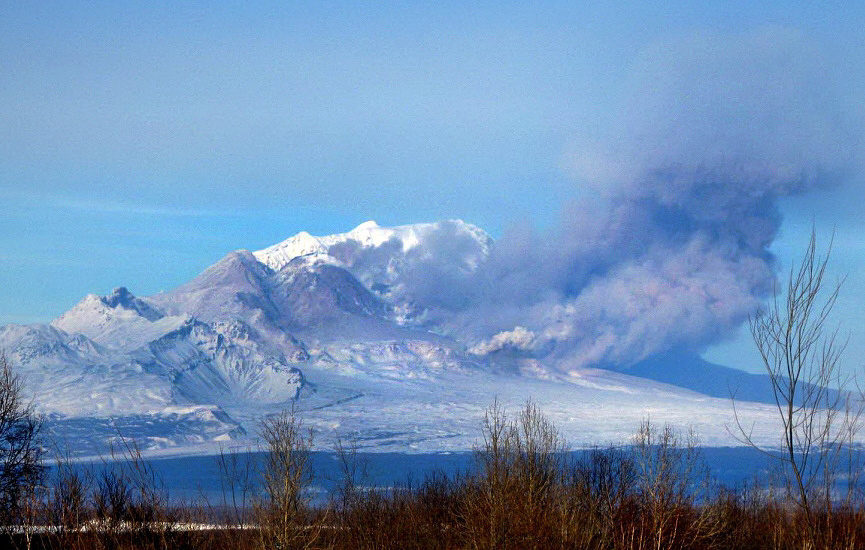
Shiveluch volcano in Russia's Far East spews 10km-high plume of ash

Shiveluch volcano ash plume
© TASS/Institute of Volcanology and Seismology of the Far Eastern Branch of the Russian Academy of Sciences
The Shiveluch volcano in Russia's Kamchatka in the Far East has spewed ash as high as 10 km above sea level on Wednesday, the Kamchatka Volcanic Eruption Response Team (KVERT) said.

"The column of ash rose 9.5-10 km above sea level. According to KVERT's satellite data, the ash cloud spread nearly 45 km to the south and south-east from the volcano toward the Kamchatka Bay," KVERT said.

Volcanologists say that Shiveluch's explosive-extrusive eruption continues. The volcano may spew ash again as high as 10-15 km above sea level at any moment.

The Shiveluch is the northernmost active volcano on the Kamchatka Peninsula. It is located in 50 km from the Klyuchi settlement with around 5,000 residents. The Shiveluch is 3,283 meters high and around 60,000-70,000 years old. The volcano has been erupting since spring 2009.

Attention

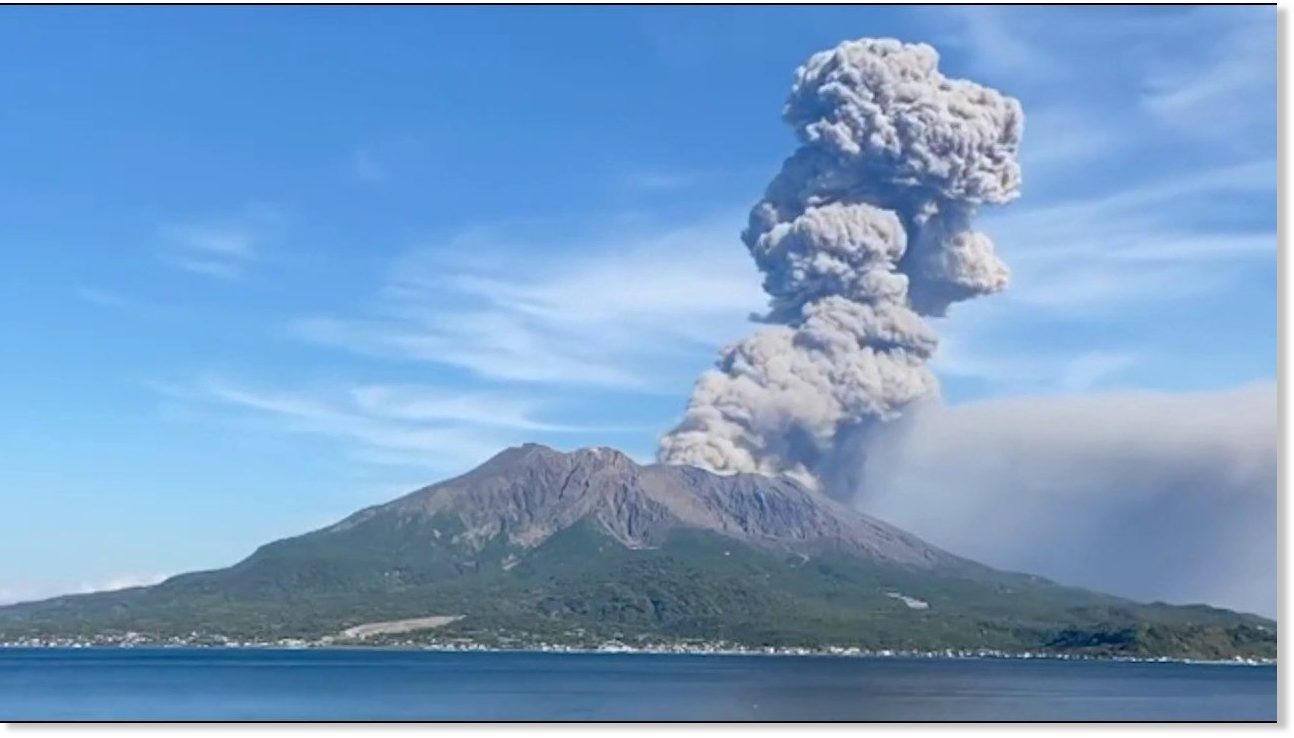
Japan's Sakurajima volcano erupts sending ash plume sky high

Sakurajima volcano erupts
Japan's Mount Sakurajima erupted on April 6, sending ash spiraling into the sky above Kagoshima.

Footage shared by Iso Beach resident Hiroaki Kamimura on Instagram captured the plume gushing from one of the volcano's three peaks.

The Japan Meteorological Agency upgraded Sakurajima from a level-2 warning to level 3 in February 2016, banning people from approaching the volcano.


Credit: Hiroaki Kamimura via Storyful