Volcanoes
S


Info

Adapt 2030 Ice Age Report: Strange ice thickness Hudson Bay and 18th fissure opens in Hawaii

sea ice
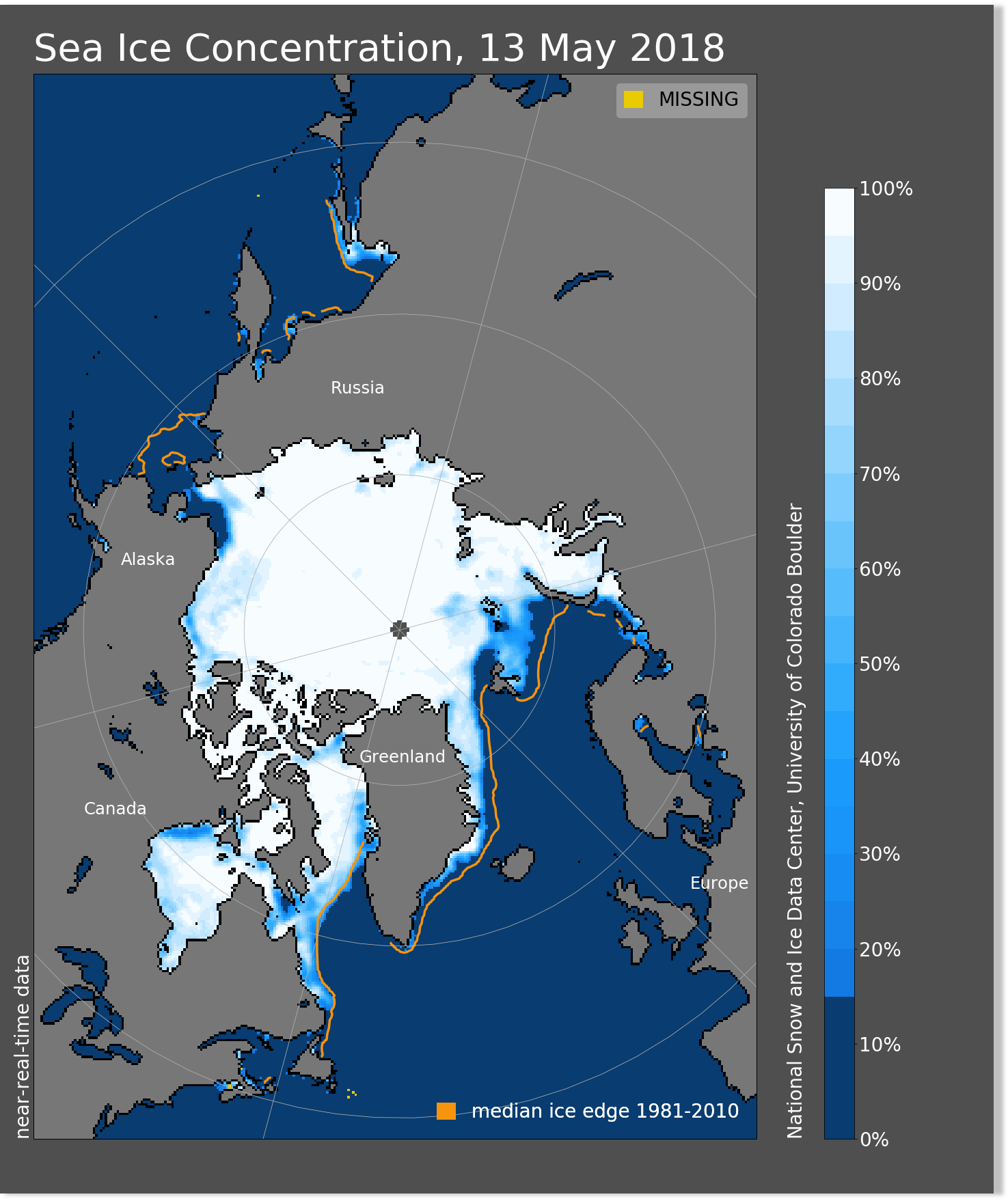
Hudson Bay ice is at near 100% coverage this far into the beginning of the melt season. Comparing with 2017 spring melt the bay should be around 25% or more melted so far. Also the Canadian Ice Service is not updating its charts due to continuous 100% ice coverage. Maps and weekly data sets are frozen, literally. Great Lakes ice coverage was far above normal for the months of January and February 2018. Strange how the -18C temperatures still cover the Hudson Bay area.


Sources

Fire

Worldwide volcanic activity raises concerns of US West Coast's chain of 13 active volcanoes

Mount Rainier
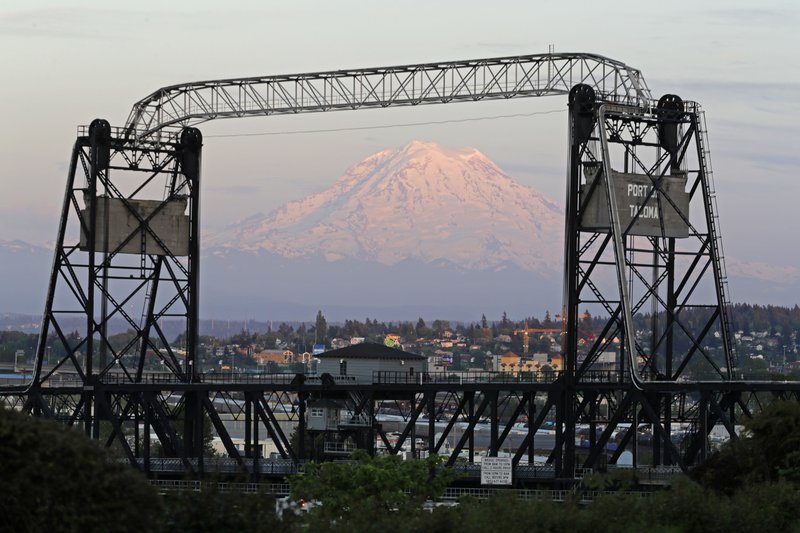
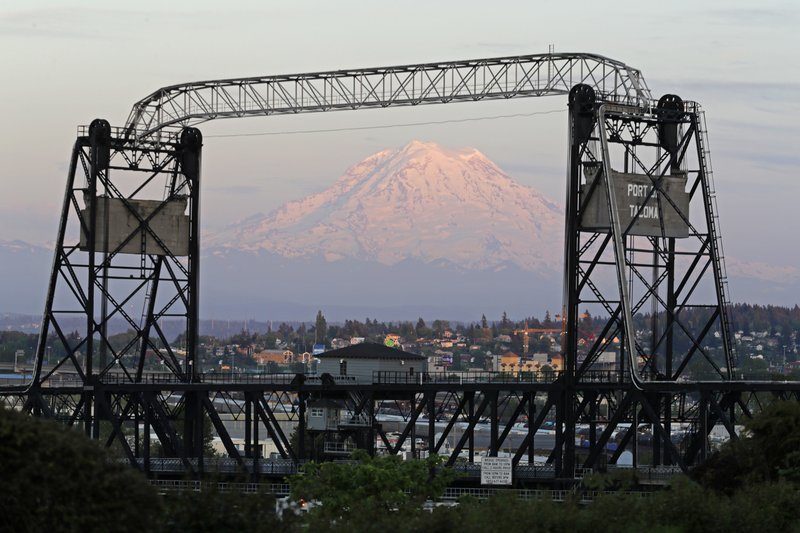
© AP Photo/Ted S. WarrenIn this May 7, 2018 photo, Mount Rainier is seen at dusk and framed by the Murray Morgan Bridge in downtown Tacoma, Wash. The eruption of the Kilauea volcano in Hawaii has geologic experts along the West Coast warily eyeing the volcanic peaks in Washington, Oregon and California, including Rainier, that are part of the Pacific Ocean’s ring of fire.
The eruption of a Hawaii volcano in the Pacific "Ring of Fire" has experts warily eyeing volcanic peaks on America's West Coast that are also part of the geologically active region.

The West Coast is home to an 800-mile (1,300-kilometer) chain of 13 volcanoes , from Washington state's Mount Baker to California's Lassen Peak. They include Mount St. Helens, whose spectacular 1980 eruption in the Pacific Northwest killed dozens of people and sent volcanic ash across the country, and massive Mount Rainier, which towers above the Seattle metro area.

"There's lots of anxiety out there," said Liz Westby, geologist at the U.S. Geological Survey Cascades Volcano Observatory in Vancouver, Washington, in the shadow of Mount St. Helens. "They see destruction, and people get nervous."

Kilauea, on Hawaii's Big Island, is threatening to blow its top in coming days or weeks after sputtering lava for a week, forcing about 2,000 people to evacuate, destroying two dozen homes and threatening a geothermal plant. Experts fear the volcano could hurl ash and boulders the size of refrigerators miles into the air.

Comment: There is good reason to be concerned: For more, check out SOTTs monthly documentary: SOTT Earth Changes Summary - April 2018: Extreme Weather, Planetary Upheaval, Meteor Fireballs


Fire

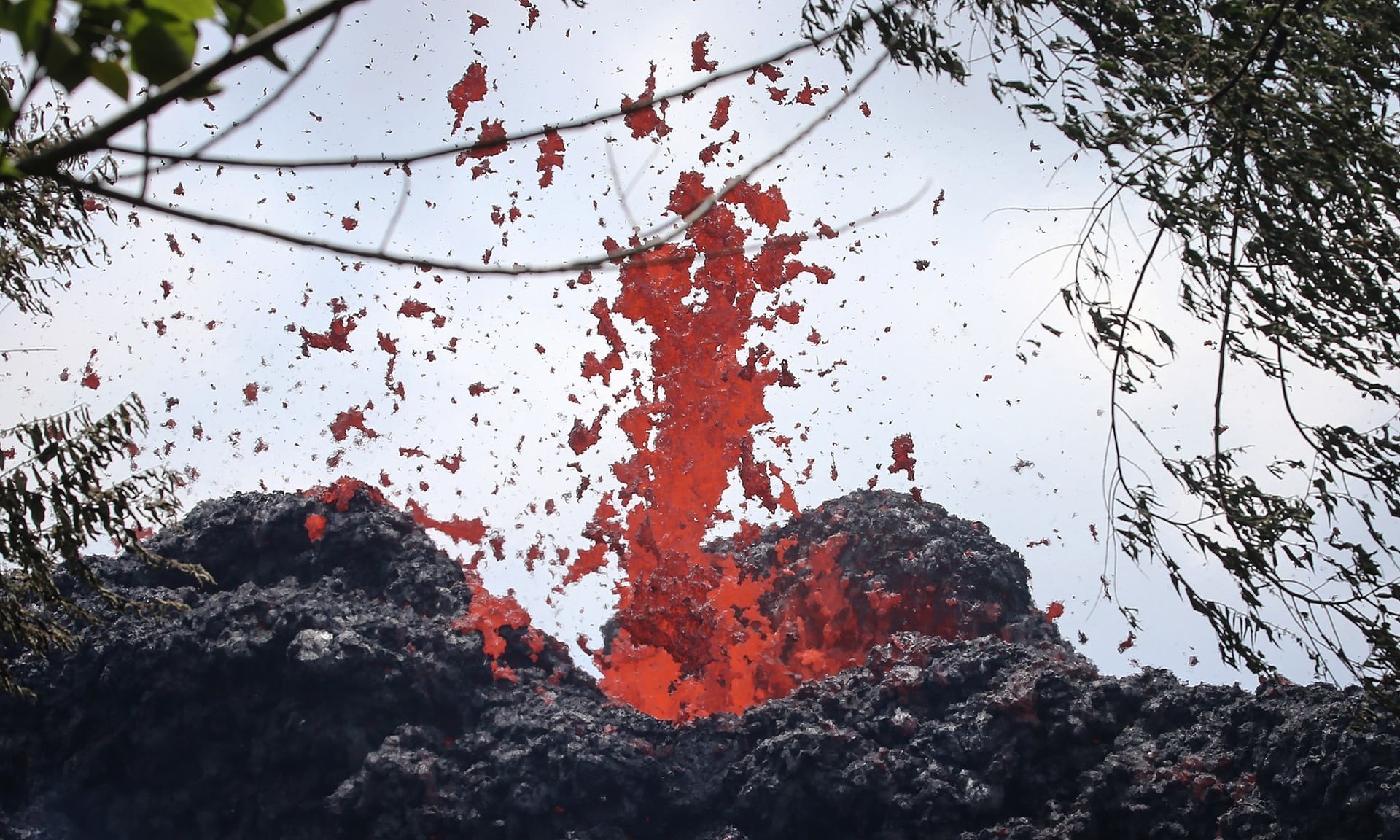
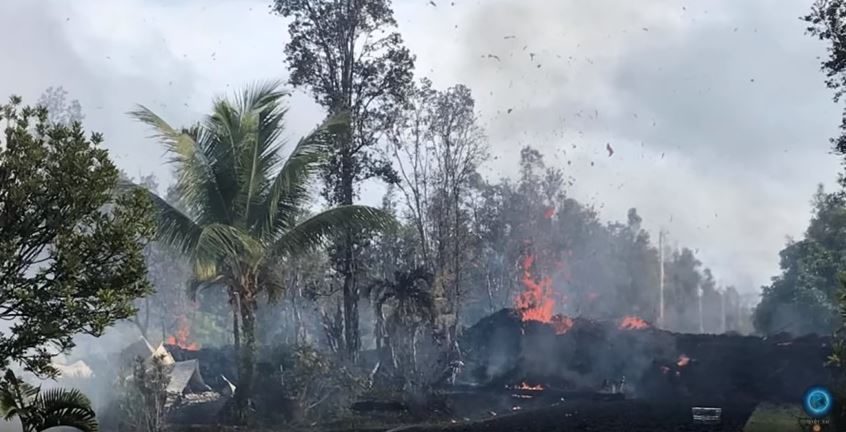
Kilaeua's newest fissure roars to life propelling lava four storeys high in dramatic uptick in activity

lava fissure erupts on Hawaii’s Big Island
© Mario Tama/Getty ImagesA lava fissure erupts on Hawaii’s Big Island. The US Geological Survey said more eruptions are likely.
A new fissure roaring like jet engines and spewing magma opened on Hawaii's Kilauea volcano on Saturday, piling lava as high as a four-storey building, as the area torn by the US volcano's eruption spread.

The crack in pasture land on Kilauea's east flank was the 16th recorded since the volcano, one of the world's most active, erupted eight days ago. Thousands of people have fled their homes on Hawaii's Big Island because of lava and toxic gases, and dozens of homes have been destroyed.

The new fissure opened up about a 1.6km east of the existing vent system that has devastated the island's Leilani Estates neighborhood, with a few homes on the edge of the field where the vent opened. The US Geological Survey has warned that more outbreaks remain likely.

Comment: For detailed reports with footage of what's happening on Hawaii's big island, see: Kilauea's recent uptick in activity is just one of many other ominous events occurring on our planet, for more, check out SOTTs monthly documentary: SOTT Earth Changes Summary - April 2018: Extreme Weather, Planetary Upheaval, Meteor Fireballs


Attention

Adapt 2030 Ice Age Report: Possible tsunami threat if Big Island coast slips, eruptions expected at Hawaii's Kilauea volcano

Kilauea volcano fissures
© YouTube/Adapt 2030 (screen capture)
The lava conduit filling the crater with lava at Halemaumau is receding at a steady pace and if it continues it will reach the water table and a steam explosion will occur as in 1924, which sent multi ton boulders miles from the crater and multi pound debris five miles and blanketed the island in ash. This ash will reach the continental USA and Canada. There is a tsunami threat if any part of the slump breaks off and slides in to the Pacific. Break through fissures are continuing in a straight line which is unusual and geologists are puzzled as Pu'u' O vent collapses and no more magma emerges from the vent. Be aware the threats are real and this explosion if it takes place will be the biggest in 100 years.


Comment: See also:


Hardhat

Mount Merapi volcano erupts in Java, Indonesia - Airport shut down, residents evacuated

Indonesia's Mount Merapi volcano erupts
The US state of Hawaii is already reeling under the effects of the erupting Kilauea volcano, and now hundreds of residents have been evacuated in Indonesia after Mount Merapi volcano, on the densely populated island of Java, erupted and sent a column of volcanic ash into the atmosphere Friday, May 11.

The disaster mitigation agency asked residents living within a radius of 5 km (3 mile) to move to safer locations and shelters.

After columns of ash and volcanic material as high as 5,500 meter (18,000 ft) were noticed, the airport in Yogyakarta, the nearest big city to the volcano, was also shut down, reported Reuters.


Attention

Volcanologist on future of Kilauea eruption: 'There's likely more to come' and 'Mauna Loa really scares us'

Lava flowing from new fissures along the eastern flank of Hawaii’s Kilauea volcano
© U.S. Geological SurveyCREEPING FIRE Lava flowing from new fissures along the eastern flank of Hawaii’s Kilauea volcano engulfed part of Makamae Street in a housing subdivision on May 6.
A volcanologist tackles that and other burning questions about the Hawaii volcano

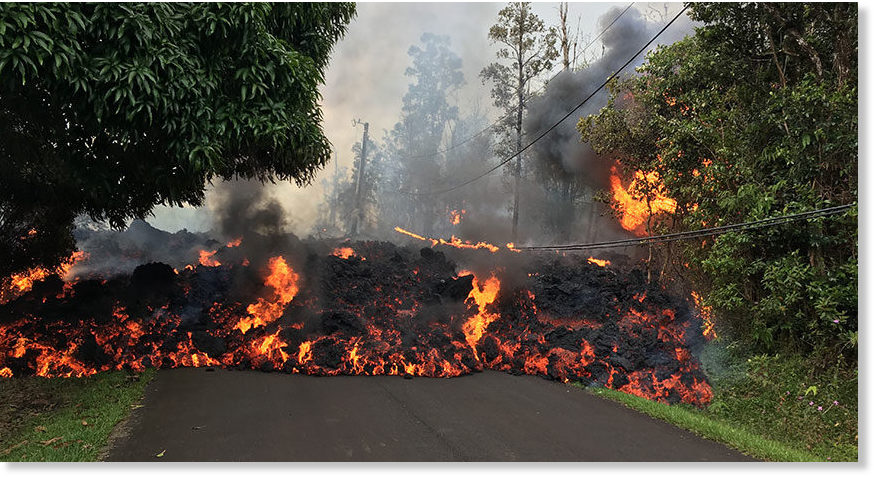
Cracks open in the ground. Lava creeps across roads, swallowing cars and homes. Fountains of molten rock shoot up to 70 meters high, catching treetops on fire.

After a month of rumbling warning signs, Kilauea, Hawaii's most active volcano, began a new phase of eruption last week. The volcano spewed clouds of steam and ash into the air on May 3, and lava gushed through several new rifts on the volcano's eastern slope. Threatened by clouds of toxic sulfur dioxide-laden gas that also burst from the rifts, about 1,700 residents of a housing subdivision called Leilani Estates were forced to flee their homes, which sat directly in the path of the encroaching lava.

The event marks the 62nd eruption episode along Kilauea's eastern flank, which is really part of an ongoing volcanic eruption that started in 1983. The volcano is one of six that formed Hawaii's Big Island over the past million years. Mauna Loa is the largest and most central; Kilauea, Mauna Kea, Hualalai and Kohala occupy the island's edges. Mahukona is currently submerged. All six are shield volcanoes, with broad flanks composed of hardened lava flows.

Comment: The continued eruptions, lava flows and accompanying 'vog' are likely to have long term effects on Hawaii and perhaps even be a precursor to major changes around the entire ring of fire. We'll be keeping a close eye on these developments, so continue to check back for updates. See also:


Fire

NASA pictures reveal massive gas plumes and growing fissures as Hawaii lava flow continues

Kilauea
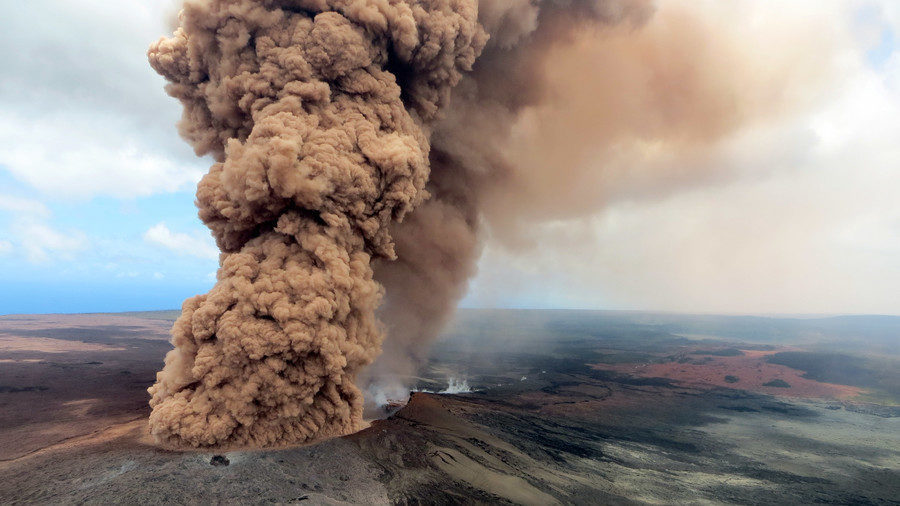
© U.S. Geological Survey/Associated PressA column of thick, reddish-brown ash rises in the air on Friday from Hawaii volcano triggers more evacuations as two new vents appear in the Puʻu ʻŌʻō area after a magnitude 6.9 earthquake shook Hawaii’s big island.
NASA has released satellite images showing massive sulfur dioxide plumes released by Hawaii's Kilauea volcano, which has triggered a fresh evacuation order after erupting for five days straight.

Around 1,700 people have been evacuated and dozens of buildings, including 26 homes, have been destroyed since the volcano started erupting on Thursday.

On Tuesday, authorities issued a cellphone alert ordering the remaining residents of Lanipuna Gardens to immediately evacuate. The neighborhood is located to the east of Leilani Estates, where many homes have been already devoured by lava.

Comment: See also:


Fire

Hawaii volcano triggers more evacuations as two new vents appear

Lava flow from Hawaii volcano
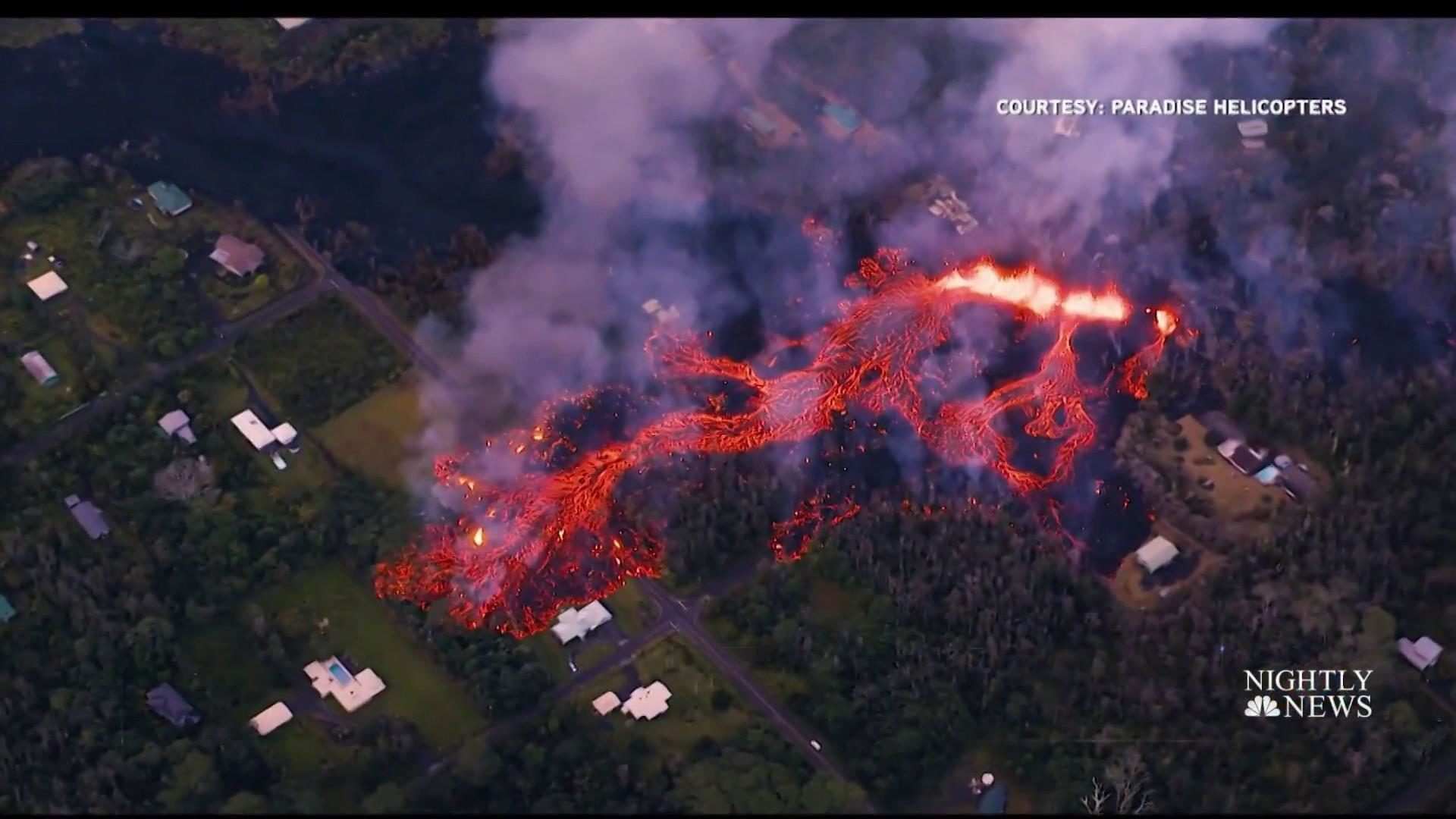
© Paradise helicoptersHomes destroyed, toxic gas concerns amid Hawaii volcano emergency
Two new vents from the erupting Kilauea volcano on Hawaii's Big Island prompted officials on Tuesday afternoon to order the immediate evacuation of residents remaining in Lanipuna Gardens.

All 1,700 residents of Leilani Estates, as well as the smaller Lanipuna, had previously been ordered to evacuate. But that doesn't mean they all have.

"Some people are not complying," said Debra Weeks, director of disaster services at the American Red Cross in Hawaii County, regarding evacuation orders.

"They're putting themselves at risk. They're putting first responders at risk. ... If you know anyone still out there, encourage them to come in -- not only for their own safety, but for safety of the community.

"Hawaii County's civil defense said the Hawaiian Volcano Observatory indicated the two new vents -- the outlet for lava and other material to escape -- "are actively erupting.

"Meanwhile, some Leilani Estates residents were able to return home Monday to retrieve pets, medicine and vital documents. The home visits are expected to continue depending on conditions, according to the Hawaii County Civil Defense. But no visits were permitted for residents of Lanipuna Gardens because of volcanic gases.


Comment: See also:


Fire

Lava fountains, tremors, fissures, toxic fumes: Hawaii braces itself as Kilauea boils over in unusual outburst

Kilauea volcano road
© U.S. Geological Survey via APIn this image released by the U.S. Geological Survey, steam rises from cracks in the road shortly before a fissure opened up on Kaupili Street in the Leilani Estates subdivision, Friday, May 4, 2018, in Pahoa, Hawaii. The Kilauea volcano sent more lava into Hawaii communities Friday, a day after forcing more than 1,500 people to flee from their mountainside homes, and authorities detected high levels of sulfur gas that could threaten the elderly and people with breathing problems.
Hundreds of anxious residents on the Big Island of Hawaii hunkered down Saturday for what could be weeks or months of upheaval as the dangers from an erupting Kilauea volcano continued to grow.

Lava spurted from volcanic vents, toxic gas filled the air and strong earthquakes - including a magnitude 6.9 temblor on Friday - rocked an already jittery population. The trifecta of natural threats forced the evacuation of more than 1,700 people from communities near the lava and prompted the closure of parks, college campuses and a section of the main road through the area on the Big Island's southern tip.

Five structures have burned and thousands of customers briefly lost power from one of the larger quakes.

Tesha "Mirah" Montoya, 45, said toxic fumes escaping from the lava vents weren't enough to make her family evacuate, but the tipping point were the earthquakes.

"I felt like the whole side of our hill was going to explode," she said. "The earthquake was what made us start running and start throwing guinea pigs and bunnies in the car."

Comment: For the low down on the unusual activity at Kilauea check out: Adapt 2030 Ice Age Report: Are Hawaii eruptions and earthquakes related to cosmic ray increases?

Also see: And check out the eerie but epic videos below:


Bizarro Earth

Adapt 2030 Ice Age Report: Are Hawaii eruptions and earthquakes related to cosmic ray increases?

Hawaii lava explosion
© YouTube/Adapt 2030 (screen capture)
With the strongest quake and volcanic eruption in on Hawaii Island, you need to ask yourself it is correlated to solar activity or has something to do with the intensifying grand solar minimum. A 6.9 earthquake and explosive eruption at the Pu O'o vent is rare, but looking at the intensity ramp up of the magnetic wave cancelling on our Sun, well the we get into some interesting similarities. I provide a timeline for the grand solar minimum intensification and incredible images of the lava events on the island.


Comment: Cosmic rays found to be a trigger for explosive volcanic eruptions. Another factor to consider is the slowdown in Earth's rotation: