Extreme Temperatures
S


Snowflake Cold

UK weather: Snow disrupts travel as temperature hits -15C in Scotland

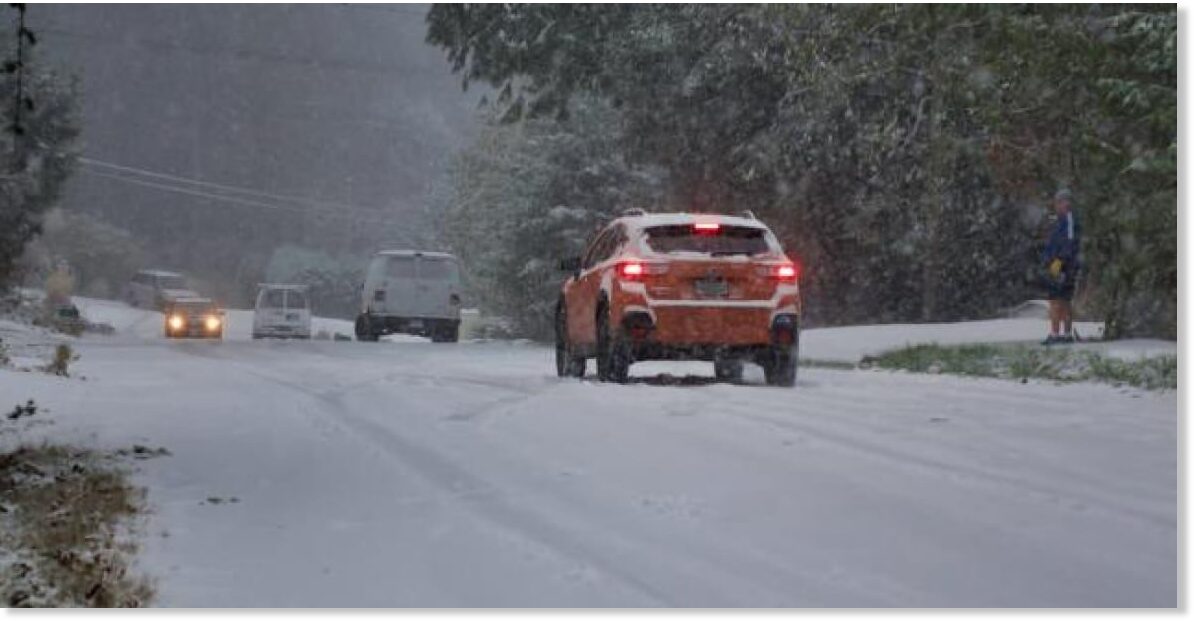
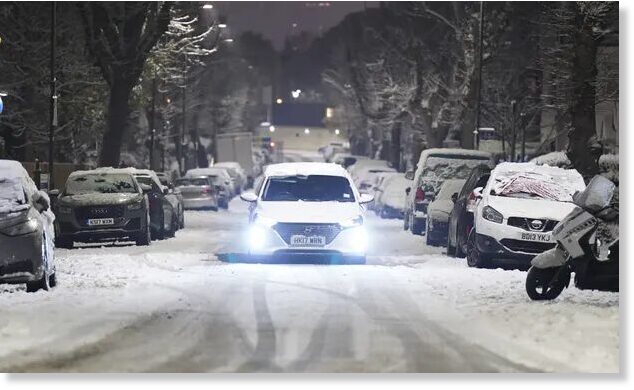
A car drives along a snow-covered road in the early morning at Willesden Green, north-west London.
© James Manning/PAA car drives along a snow-covered road in the early morning at Willesden Green, north-west London.
Large parts of UK hit by ice, fog and snow with airports forced to close and rail and roads affected

Drivers and passengers in large parts of Britain faced difficult journeys on Monday morning after the UK's coldest night of the year so far, with temperatures in Scotland dipping below -15C.

Snowfall in south-east England closed motorways and major roads, and left some of the busiest commuter railway networks struggling to function.

Airports were operating but with delays due to ice and fog.

National Highways said it had reopened all motorways in the south-east after many, including the M25, were blocked in places by snow and accidents.


Comment: The Guardian focuses on the chaos of the wintry conditions rather than put it in context. It was a record breaking cold event as detailed by the site electroverse::
The UK has been enduring some truly anomalous early-season chills, with snow blanketing much all four home nations.

The Scottish glens plunged below -15C (5F) over the past few mornings, which, in record books dating back to the 1800s, makes it the UK's lowest temperatures for Dec 11 and 12 on record, besting the 14.7C from 1967 and the 15C from 1981, respectively.

Needless to say, the MSM is refusing to touch the historical nature of the freeze, instead opting to focusing on aspects such the disruptive snow-which is also unseasonable, and the concerning energy implications-more on that later.

London, for example, rarely sees accumulating snow in December, let alone during the first half of the month, but this was the scene on Sunday evening across the capital:


Brits have been conditioned to expect ever-milder winters thanks to 'catastrophic anthropogenic global warming', they are woefully unprepared for what's really barreling down the pike.

TV pop-scientists told them the planet was warming uncontrollably, after all, and that nothing, not even a decrease in the Sun's output, could possibly counter this.

The only course of action, the establishment decreed, was to drastically reduce ones living standards, via what amounts to a defunding of the fossil industry, in order to reduce CO2 output. This is genius in its malevolence, but in its malevolence only, because what it boils down to for the 99.9% is economic and prosperity suicide. Very few seem to acknowledge that. After all, when facing such as grave threat as 'the end of the world' all measures are on the table, no matter how anti-human or outright evil, right? Energy restrictions, "of course"; climate lockdowns, "whatever works"; a social credit score system, "if you think it's best". The masses have traded free-thought and autonomy for an easy life where everything is decided for them, and there is only-ever one way that's going to go, and we're seeing the beginnings of it now. If you fell for this scam, shame on you — truly. Your weak, lazy and fear-driven choices have doomed us all. This chimes with COVID, too. Your cowardice won't be forgiven.

Snow was a thing of the past, right Britons?


Snowflake

Best of the Web: Winter storm pummels western US with heavy snowfall - 5 FEET of snow in 48 hours at Soda Springs, California

The storm is expected to reach the Great Basin and the Desert Southwest by Monday, the Weather Service said.
© CaltransThe storm is expected to reach the Great Basin and the Desert Southwest by Monday, the Weather Service said.
A large winter storm system slammed into the western US over the weekend, blanketing mountain areas with heavy snow before taking aim at the South, where it's expected to bring severe weather, with strong winds, hail and tornadoes possible.

More than 15 million people in 14 states are under some sort of a winter weather alert as the powerful storm moves across the county.

The storm already brought avalanche warnings to parts of the West, shuttered major highways as conditions became icy and triggered flood watches.

The storm blanketed some mountain areas of drought-parched California with thick snow, including Soda Springs in the northern part of the state, which received 60 inches of snow in 48 hours.


Ice Cube

The coldest summer day in Australia and nobody notices

Perisher Valley
© WeatherzoneSource
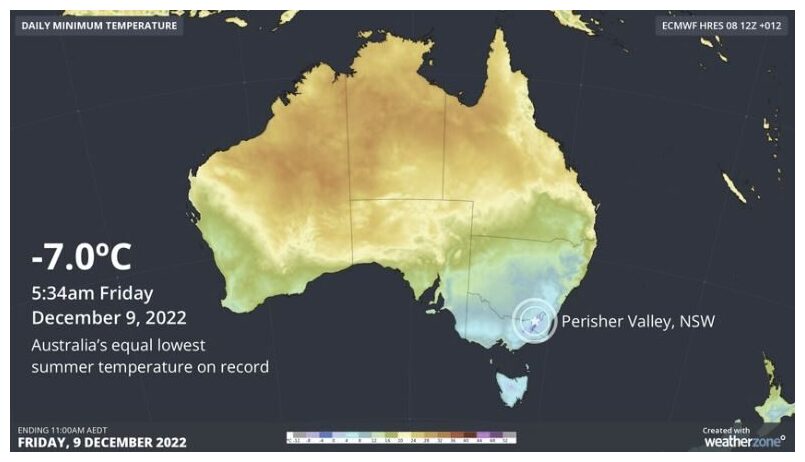
Weatherzone report that Thursday was the equal coldest morning ever recorded anywhere in Australia in summer time. Oddly, there were no preemptive emergency warnings the night before, no news stories announcing the area "might" hit a new record, no camera teams visited the scene and the BOM did not invent a Coldsnap Emergency Alert System to tell Australians to put on a jumper.

On Thursday, Perisher Valley in the Australian Alps got down to minus 7.0 C (19F) equalling the record set in Perisher in January 1979 and which was also reached at Charlottes Pass in December 1999.

Oddly, no one blamed this on climate change, or mentioned that it would have been worse if we hadn't burnt all that coal. After all, without CO2, it would have been minus ten, right?

Ice Cube

Ice ages recur more frequently than previously assumed

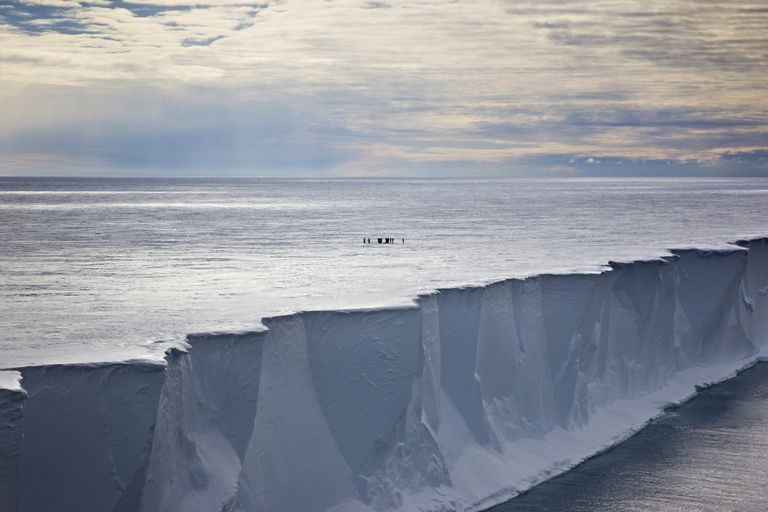
Ross Ice Shelf, Antarctica
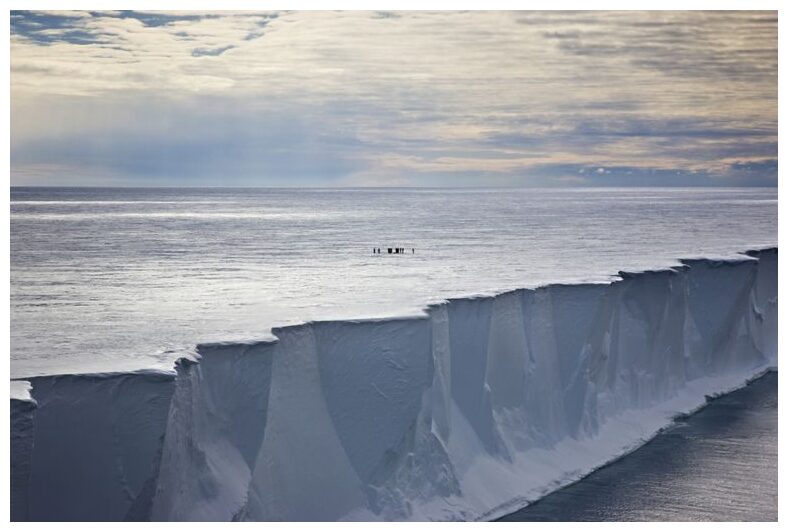
© Scientific AmericanRoss Ice Shelf, Antarctica
A chance find of an unstudied Antarctic sediment core has led University of Otago researchers to flip our understanding of how often ice ages occurred in Antarctica.

Lead author Dr Christian Ohneiser, of the Department of Geology, says it turns out they were much more frequent than previously assumed.

"Until this research, it was common knowledge that over the last million years global ice volume, which includes Antarctica's ice sheets, expanded and retreated every 100,000 years.

"However, this research shows they actually advanced and retreated much more often - every 41,000 years - until at least 400,000 years ago," he says.

The study, published in Nature Geosciences, came about after Dr Ohneiser sampled a sediment core from the Ross Sea for a different project which was designed to reconstruct the retreat of the Ross Ice Shelf after the last ice age.

"The 6.2 metre core was recovered in 2003 and placed in an archive in the US, but was not studied further. I sampled it because I was expecting the core to have a record spanning the last 10,000 or so years.

"I conducted a paleomagnetic analysis on the core, which reconstructs changes in the earth's magnetic field, and found a magnetic reversal showing it was much older and had a record spanning more than 1 million years."

Sedimentary and magnetic mineral indicators enabled Dr Ohneiser to reconstruct how big the Ross Ice Shelf, and the West Antarctic Ice Sheet which feeds the shelf, were.

Snowflake

Southern Alaska sees snowiest December day in more than 2 decades

Alaska snowfall
© Alaska DOT / FOX WeatherAlaska snowfall
The clash between cold air and a storm system over southern Alaska was enough to produce heavy snow in parts of The Last Frontier that led to some longtime records falling.

More than 10 inches of snow fell on Tuesday in Anchorage, making it the snowiest December day since 1999.

The heavy snow caused dozens of crashes and led to school districts canceling classes.

Video taken in Anchorage Wednesday showed streets covered in more than a foot of snow and treacherous travel on city streets.


Snowflake

Mammoth Mountain in California just got some major snow - almost 5 FEET in 5 days

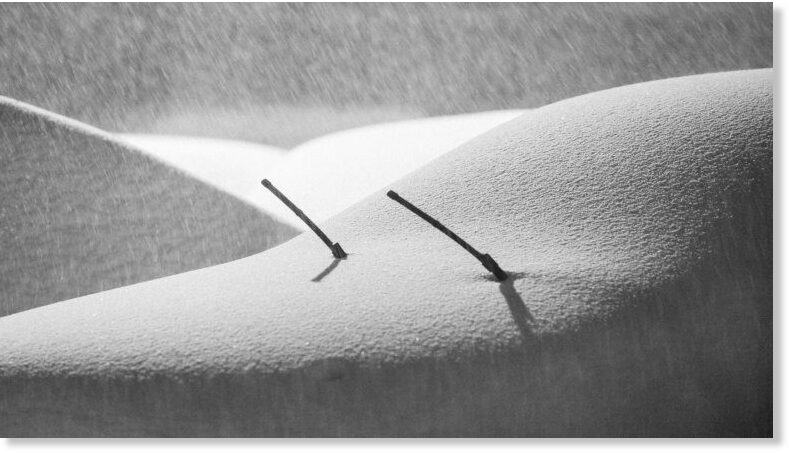
Those are windshield wipers... we think. Mammoth Mountain received almost five feet of snow over the first five days of December 2022
© Peter Morning/Mammoth MountainThose are windshield wipers... we think. Mammoth Mountain received almost five feet of snow over the first five days of December 2022
We know the names of the seasons — spring, summer, fall, and winter — and we know the catchy nicknames for shorter stretches of the year, with "swimsuit season" and "jacaranda season" and "county fair season" and several other memorable monikers catching our fancy.

But up around Mammoth Mountain? The beginning of "things poking out of lots of snow season" has officially arrived with the major storm that swept through over the first weekend of December 2022.

If you know the Eastern Sierra ski destination, you know that when a lot of snowflakes fall, you're bound to see the tops of various items sticking out of snow drifts and snow banks, with windshield wipers, fence posts, and the famous mountaintop sign all revealing the impressive depth of the accumulation.

That accumulation was impressive indeed, with nearly five feet of fresh snow falling in December alone.

Snowflake

Ski areas in western North America seeing their snowiest starts to winter in 20 years

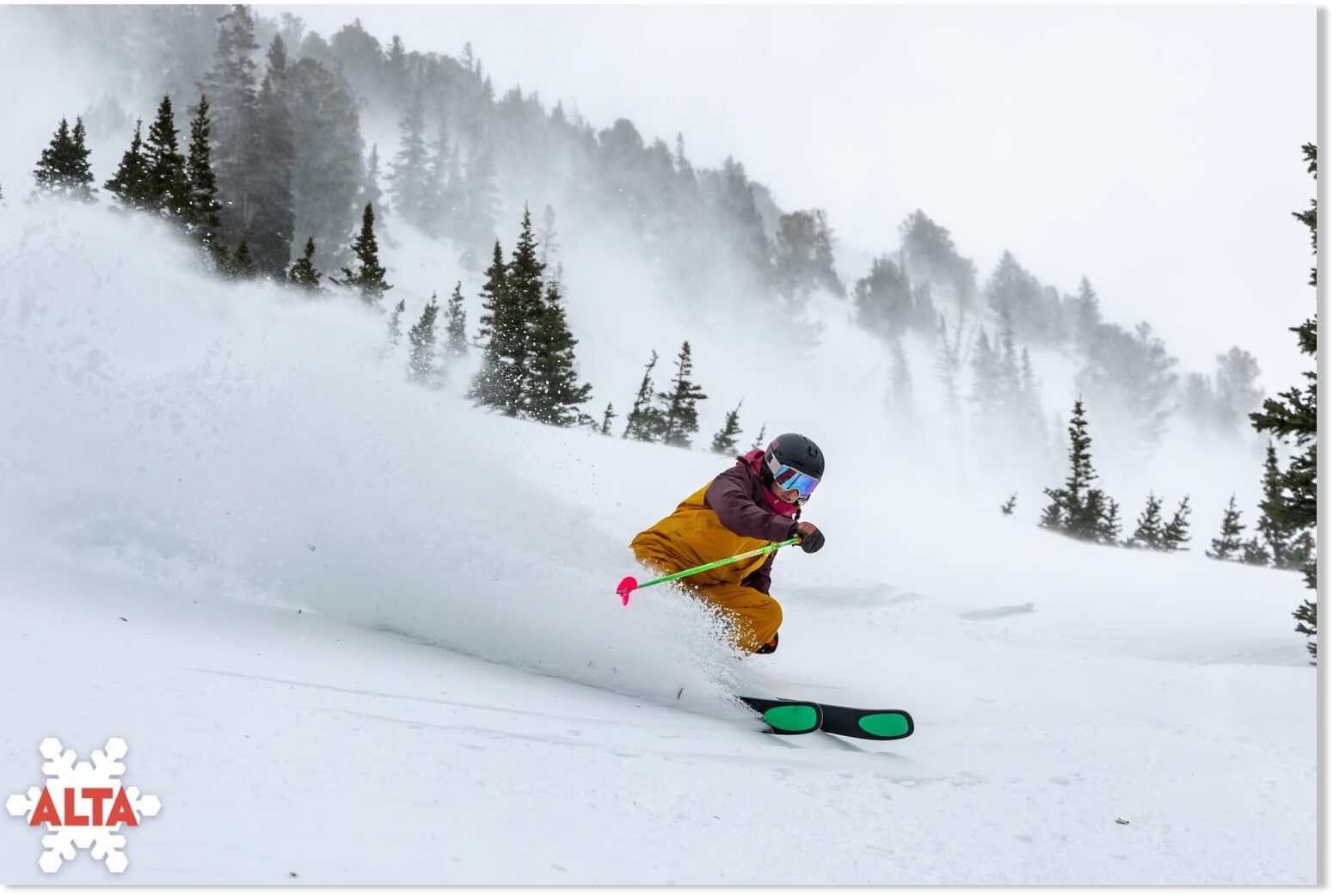
Alta has had a deep start to winter so far.
Happy December! If we didn't know any better, we'd guess it's already mid-winter by the way the snowpack across the West has been looking as of late. Ski areas are seeing their snowiest starts to winter in 20 years, and there's tons of terrain open at mountains everywhere. Old Man Winter has been good to us so far, and with more snow on the forecast, it's only looking like it's getting better...

So here are the ski areas with the biggest snowfall totals this season so far. It's early in the year, and we're sure to miss some, so please comment below on who we should add to this list next time.

Ski resorts with the most snowfall this season to date...

#1 Jackson Hole Mountain Resort, WY: 142″
#2 Alta, UT, Tied with Brighton, UT: 134″
#3 Snowbird, UT, Tied with Grand Targhee, WY: 127″
#4 Timberline, OR: 121″
#5 Solitude, UT: 118″

Snowflake Cold

Best of the Web: December kicks off with over 3 feet of snow and strong winds gusting at 123-mph in mountains of California

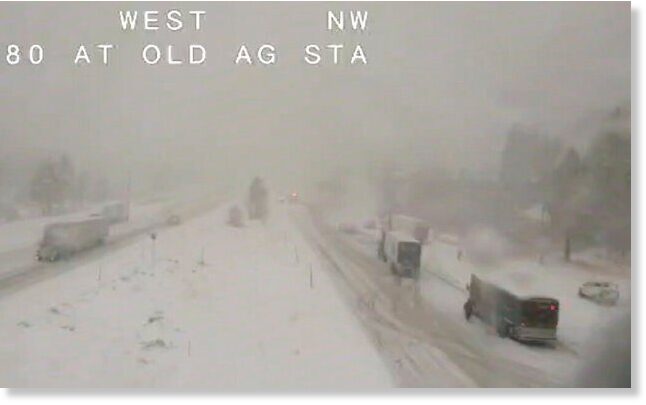
Caltrans remote video traffic camera, traffic moves slowly through the snowy
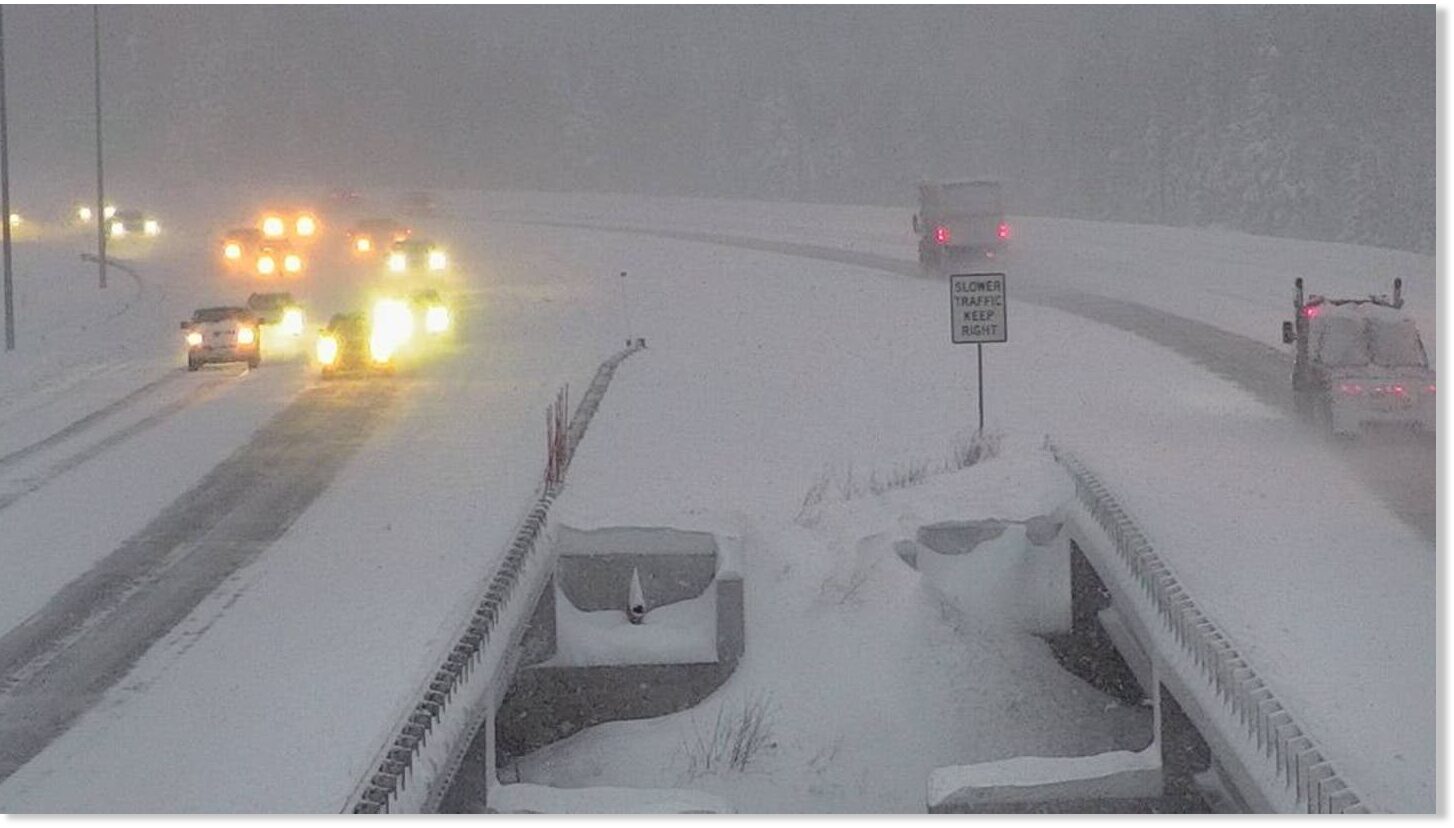
© CaltransIn this image taken from video from a Caltrans remote video traffic camera, traffic moves slowly through the snowy conditions along Interstate 80 near Truckee, California, Thursday, Dec. 1, 2022.
It was a snowy start to meteorological winter across the mountains of California Thursday as a winter storm tracked across the state, and AccuWeather forecasters say that more snow is on the way.

The storm arrived in Northern California late Wednesday and continued throughout Thursday, delivering much-needed rain to the lower elevations. San Francisco International Airport measured 0.71 of an inch of rain on Thursday, nearly half of the 1.58 inches of rain that fell in all of November.

A yardstick was needed to measure the snow in the higher elevations with snow causing travel-related headaches for drivers across the region.

Interstate 80 at Donner Pass and Highway 50 at Echo Summit were closed periodically throughout the storm due to vehicles stuck on the snowpacked roads, but the roads have since been reopened to traffic.


Comment: Another heavy snowfall report from the same state:
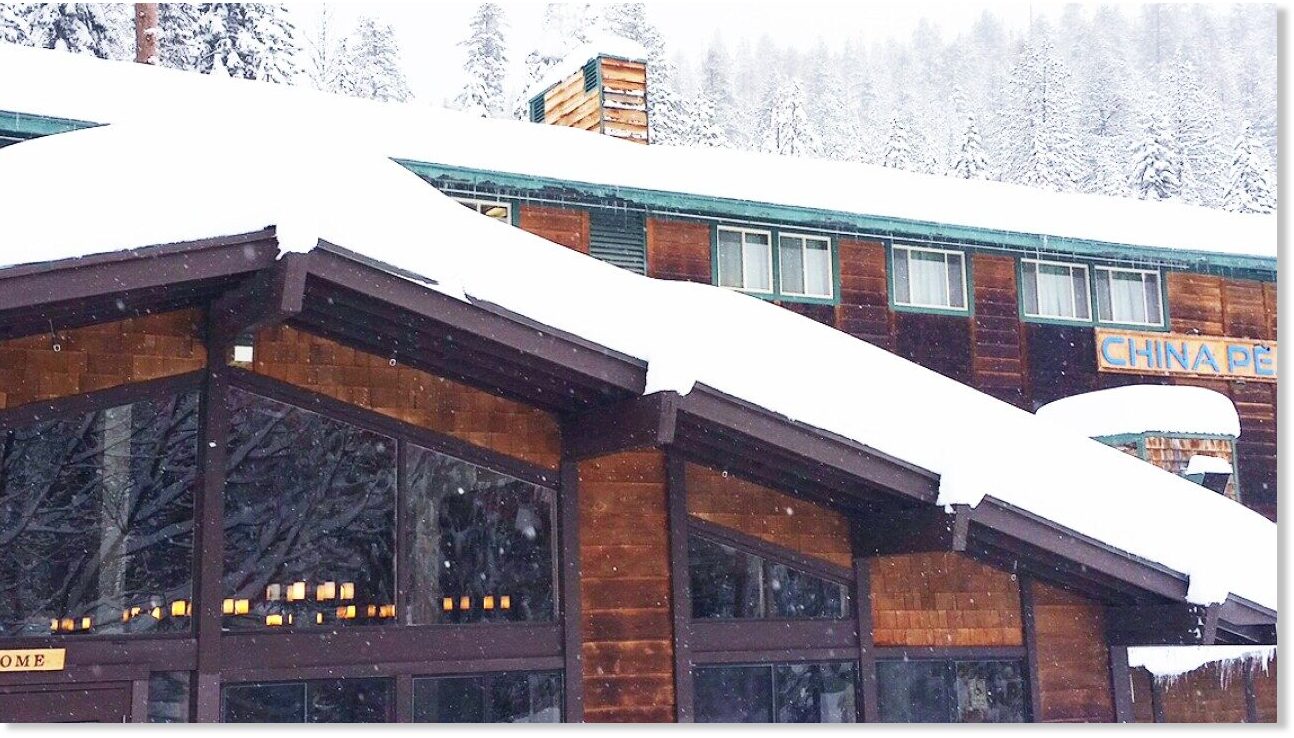
China Peak Mountain Resort sees at least 2 feet of snow, expecting more

China Peak Mountain Resort
© China Peak Mountain Resort website.
There is good news for those who like to hit the slopes.

Officials at China Peak Mountain Resort said they saw some pretty consistent snowfall since around 3:30 p.m. on Thursday, December 1st. As of Friday, December 2nd, they have gained nearly two feet of snow since Thursday morning and they are expecting much more through the weekend.

Resort operator Tim Cohee says that China Peak will be open Saturday, December 3rd and Sunday, December 4th. In total, he says he's expecting anywhere from six to eight feet of snow by Sunday night.


Bizarro Earth

Volcano eruptions on the rise with Solar Minimum

Solar Cycle 24
© Armstrong Economics
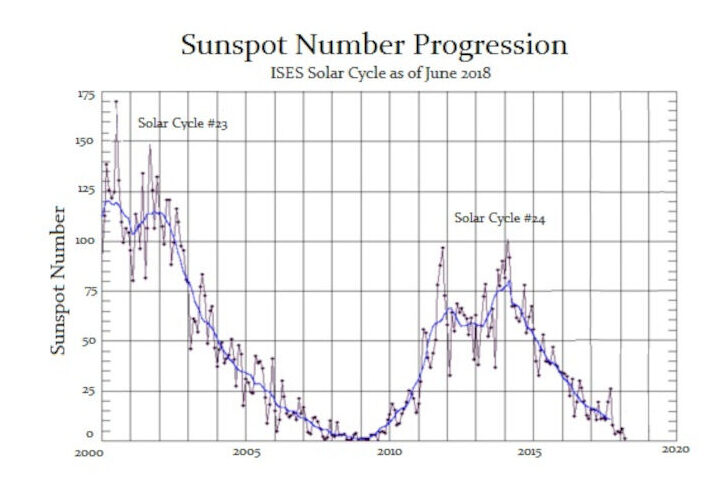
We are now in Solar Cycle 25 with peak sunspot activity expected in 2025. Solar Cycle 24 which ended in December 2019, was of average in length, at 11 years. However, it was the 4th-smallest intensity since regular record keeping began with Solar Cycle 1 in 1755. We're now in Solar Cycle 25 and we are still in Solar Minimum conditions at this time. Solar Maximum is predicted to occur midway through this cycle which may come as soon as November 2024 but no later than March 2026, with this ideal peak reaching most likely by July 2025.

Right now, the solar wave is conforming more to our model than that of NASA. The Sun has become far more active than NASA has forecast or expected. NASA is beginning to worry that this Solar Cycle 25 could become the Strongest Cycle Since Records Began. Effectively, in terms of our model terminology, Solar Cycle 25 may be a Panic Cycle. In other words, we appear to be headed into the strongest cycle on record following the weakest cycle. That is high volatility in cycle terminology.

So what does this mean for Markets?

Socrates Forecast
© Armstrong Economics
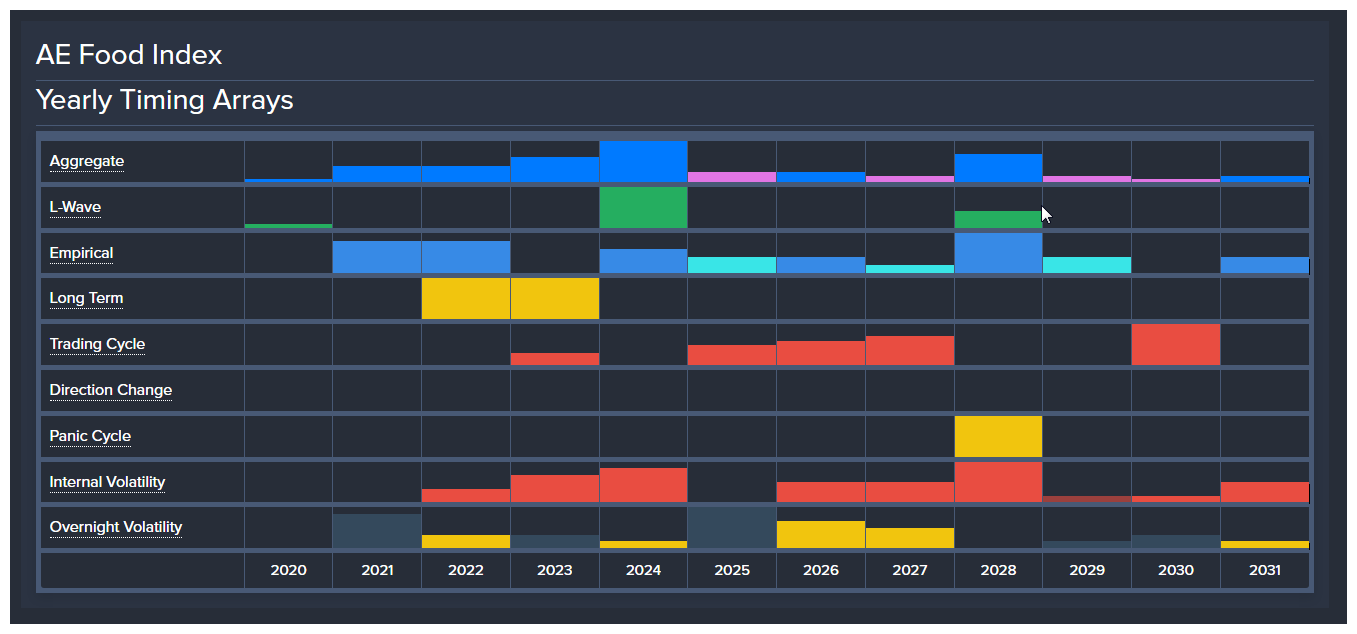
Since this Solar Minimum may continue into 2024, that appears to be a very major turning point on our global food index. Most of our models on markets are showing Panic Cycles in the 2027-2028 time period. That appears to be more war than nature.

Snowflake

More than 30,000 people without power on British Columbia's South Coast as snow batters the region

Steep hills in Gibsons, B.C., became very slippery on Tuesday as snow pummeled the area, photographer Scott Blackley said.
© Scott BlackleySteep hills in Gibsons, B.C., became very slippery on Tuesday as snow pummeled the area, photographer Scott Blackley said.
More than 30,000 people on B.C.'s South Coast were without power while a bridge connecting parts of Metro Vancouver was closed Tuesday night as snow continued to hit the region.

B.C. Hydro issued a notice advising residents on Hornby Island and Denman Island to prepare to be without power until Wednesday morning, as ferry cancellations means crews cannot get over to make repairs.

"We plan to have crews take the first available ferry in the morning," B.C. Hydro says on its website.

In an interview with CBC, spokesperson Mora Scott said most of the outages seem to be due to snow weighing down trees, and ultimately, taking out power lines.