
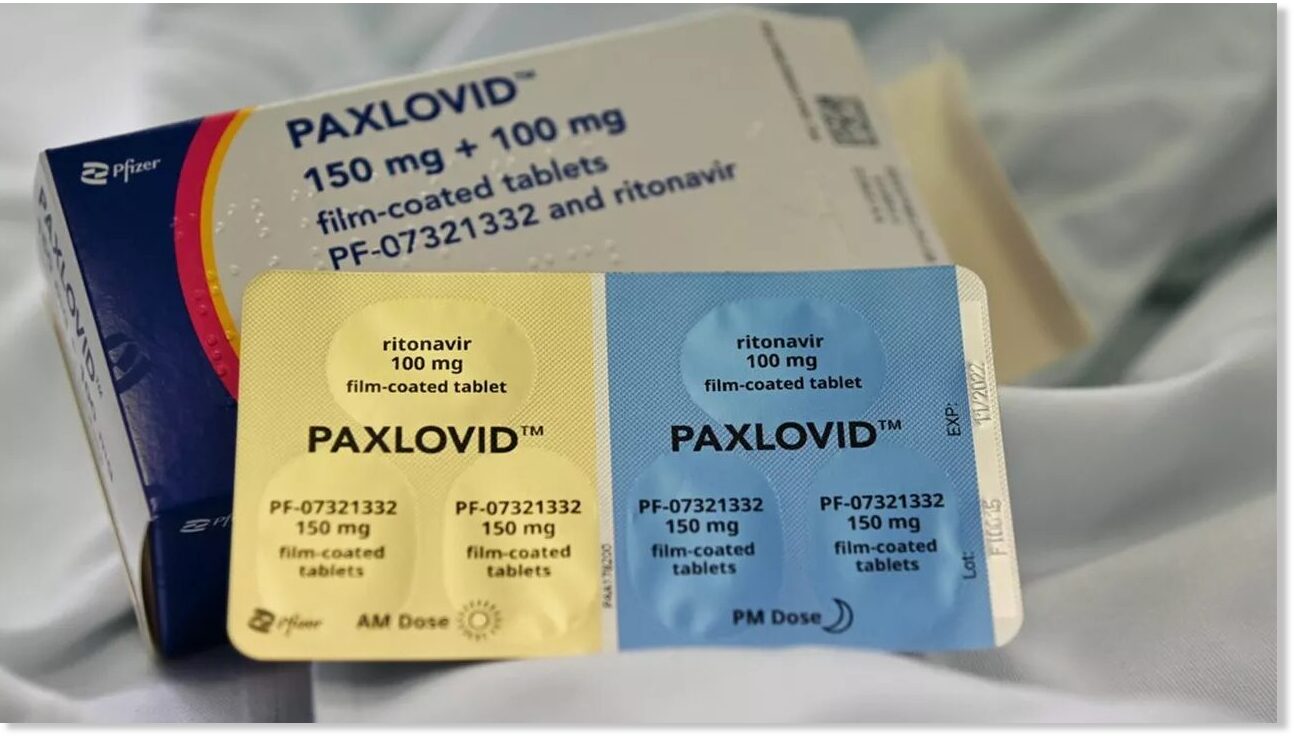
© Nick Zonna/IPA/SIPA
"Awareness of the presence of drug-drug interactions of Paxlovid with common cardiovascular drugs is key. System-level interventions by integrating drug-drug interactions into electronic medical records could help avoid related adverse events," said Sarju Ganatra, MD, director of the cardio-oncology program at Lahey Hospital and Medical Center in Burlington, Massachusetts, and the senior author of the review. "The prescription of Paxlovid could be incorporated into an order set, which allows physicians, whether it be primary care physicians or cardiology providers, to consciously rule out any contraindications to the co-administration of Paxlovid. Consultation with other members of the health care team, particularly pharmacists, can prove to be extremely valuable. However, a health care provider's fundamental understanding of the drug-drug interactions with cardiovascular medications is key."












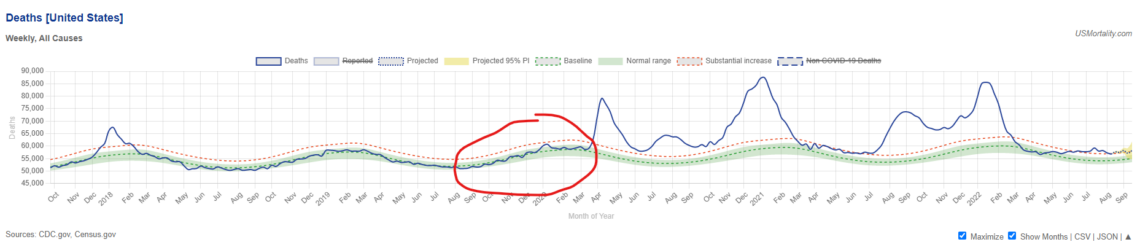
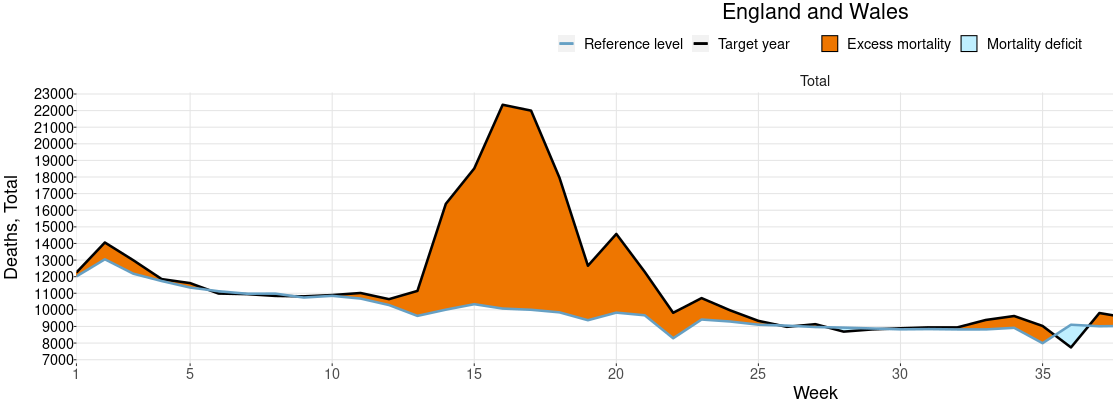







Comment: So basically, it's not only ineffective, but it could be extremely harmful, if not deadly. Are we surprised? See also: