Health & WellnessS


Light Saber

Russian health ministry reports 80% drop in alcohol consumption as Russians embrace healthier lifestyles

putin gym tea
Gym, then tea!
Russia's health minister has said that Russians consume 80 percent less alcohol than they did five years ago, amid a decrease in smoking levels and an increase in the number of people who do sports. The latest World Health Organization figures put Russia's alcohol consumption below that of France and Germany.

"We have managed to reduce the consumption of alcoholic beverages per capita by 80 percent [in 5 years]," the Kommersant business daily cited Health Minister Veronika Skvortsova as saying Tuesday.

Official statistics show average alcohol consumption in Russia plummeting by a third between 2009 and 2016. Consumer rights watchdog Rospotrebnadzor credits new minimum price laws, advertising bans and sales restrictions for the drop.

Comment: AFP reports that the most recent WHO figures show Russian adults drink an average of 12.2 litres of pure alcohol a year which is nearly a 20 percent decrease from 2012, putting it behind both France (13.3 litres) and Germany (13.4). The WHO's representative in Russia points to government measures taken over the past 13 years to combat a public health crisis, including a ban on shops selling any alcohol after 11 pm, increases in the minimum retail price of spirits, and an advertising blackout.


Health

'Dangerous manoeuvre': Man ruptures throat by trying to keep a sneeze at bay

Man sneezes
© Jeremy Maude / Global Look Press
Doctors are warning cold and allergy sufferers to sneeze freely after a man who attempted to hold back a forceful sneeze ruptured his throat in the process.

The 34-year-old man pinched his nose while clamping his mouth shut in a bid to keep the sneeze at bay, leaving him in considerable pain and barely able to speak or swallow for some time.

Details of the rare spontaneous rupture are published in The BMJ, with a warning to the public to stay clear of the "dangerous manoeuvre."

According to the case study the patient first developed a popping sensation in his neck which immediately swelled up after he tried to contain the sneeze. Later he found it extremely painful to swallow and all but lost his voice.

Health

Overwhelmed by flu cases, Texas school district cancels classes for a week

influenza, flu
Bonham ISD announced Tuesday, school will be cancelled through next Tuesday due to the flu.

During that time cleaning crews will be disinfecting classrooms and buses.

According to the announcement posted on the school district's Facebook page, the recommendation to close the schools came from local health officials.

Comment: As the flu virus spreads throughout the country, pet owners are becoming worried about transmitting the virus to their pets. Not to worry - vets say while dogs are susceptible to canine influenza with signs much like what you see in people, the 'dog flu' is a different strain and cannot be spread between people and their pets.

See also: Flu outbreaks in US reach record levels, may get worse as new strains emerge


Beaker

Dr. Gilles-Eric Seralini reveals the toxicity of formulants and heavy metals in glyphosate-based herbicides

arsenic
© GMWatch
A shocking discovery from the French scientific group CRIGEN led by world renowned toxicology and biosafety scientist Dr. Gilles-Eric Seralini reveals that Monsanto's Round up (Glyphosate based herbicide) and other types of Glyphosate based herbicides(GHB) contain universally banned heavy metals like arsenic, etc., in the formulant which are a thousand times more harmful than the active compound Glyphosate(G) itself. G is a herbicide and a "green killer" which is used to extensively all over the world including India. Worldwide, 9.4 million tons of the chemical has been sprayed onto field.

GHB is the world most used herbicide and in fact it is sprayed over crops from wheat to tea in India too. Indians are already at a major health risk as arsenic is being freely sprayed on Indian foods.

Comment: Read more about Dr. Seralini's research and why the toxicity of all pesticides has been significantly underestimated:


Alarm Clock

Timing matters: Why it's important when and how you take nutritional supplements

Supplements
© Unknown
According to an investigation published in JAMA in 2016, 52 percent of American adults reported using nutritional supplements in 2012, a statistic that has remained stable since 1999.1 While the use of multivitamins has decreased somewhat, from 37 to 31 percent in that timeframe, use of vitamin D and omega-3 supplements have dramatically increased.

Vitamin D use jumped from just over 5 percent to 19 percent, and fish oil supplements increased from just over 1 percent to 12 percent. Among the most popular supplements are probiotics, omega-3, multivitamins, vitamin C, turmeric, calcium and magnesium.2 In all, Americans spent an estimated $21 billion on nutritional supplements in 2015.3

While dietary supplements are generally safe, when and how you take them - such as with or without food, or before or after exercise4 - can make a difference both in terms of safety and effectiveness. Certain supplements may also be contraindicated for certain health conditions or if you're taking a particular drug. Following, you'll find helpful guidance on the use of common supplements, including many sold in my online store.


Arrow Up

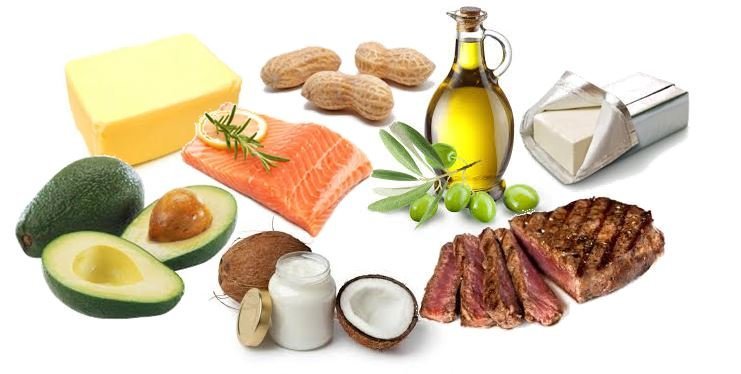
Interest in the ketogenic diet grows for weight loss and type 2 diabetes in mainstream medicine

ketogenic diet
This summer, 25 overweight and obese adults participating in a tightly controlled feeding study will take up full-time residence for 3 months at a wooded lakefront center in Ashland, Massachusetts. However, before checking in at Framingham State University's Warren Conference Center and Inn, they will have to lose 15% of their body weight on a calorie-restricted diet with home-delivered meals.

Those who pass this hurdle will be invited to the inn, where they'll be randomly assigned to 1 of 3 equal-calorie diets: a low-fat, high-carbohydrate diet that's either high or low in added sugar or a very low-carbohydrate, high-fat ketogenic diet that causes the body to switch from burning carbohydrates to burning fat.

The group will be the first of 5 that will participate in the trial over 3 years. Changes in body fat mass and energy expenditure will be assessed to determine if any of the diets have a unique effect on metabolism, while controlling calorie intake, in people who have already lost weight.

Comment: They're finally catching up! See also:


Evil Rays

Wired child: Is 'smart tech' making kids dumber?

tech
Parents are overjoyed when their two-year-olds 'master' computer games and cell phones. They interpret that as "look how smart my kid is!" Well, that's really not the take-away message parents should be coming up with. Maybe their youngsters inadvertently are becoming addicted to a tech-meme and device, which will damage them down the road, and very dramatically: dumb and cancer?

Comment: The Health & Wellness Show: The Smarter Your Phone, The Dumber Your Brain


Red Flag

Dishonest and disgraceful: Monsanto wants to disguise its genetically engineered foods as "Biofortified"

biofortified
© bostonglobe.com
In the same way that deadly aspartame is being secretly slipped into all kinds of foods and drinks that we eat, plans have been hatched to disguise genetically engineered food ingredients under the label "Biofortified." After all, consumers are catching on to the deadly health consequences of the increasingly fake foods that they eat, so the corporate monsters behind aspartame and GE ingredients are stooping to subterfuge. Like crocodiles, they lay their eggs in hidden terrain.

Its Immaculate Conception

It all started out innocently enough several Codex Nutrition committee meetings ago when an international nongovernmental organization (INGO) named the International Food Policy Research Institute (IFPRI) (and sponsored by Harvest Plus) had one of its country contacts introduce a proposed new work at Codex. (Only member countries may introduce new work at Codex, not INGOs.) Harvest Plus' method of increasing certain vitamin and mineral content of basic food crops consists of the time-honored, conventional way of cross-breeding, not genetic engineering. Harvest Plus, for example, will increase the vitamin or iron content of sweet potatoes so that malnourished populations in developing nations will receive better nutrition.

Dig

Can dirt save humanity from an infectious apocalypse?

dirt
© Tim Schutsky for wiredOne chemist thinks he’s found a way for us to outrun the lethal juggernaut of antibiotic resistance.
Nobody scours Central Park looking for drugs quite the way Sean Brady does. On a sweltering Thursday, he hops out of a yellow cab, crosses Fifth Avenue, and scurries up a dirt path. Around us, the penetrating churn of a helicopter and the honk of car horns filter through the trees. Brady, a fast-talking chemist in his late 40s who sports a graying buzz cut and rimless glasses, has a wry, self-deprecating humor that belies the single-minded determination of his quest. He walks along restlessly. Near the lake, we head up a rock slope and into a secluded area. Brady bends over and picks up a pinch of dusty soil. "Out of that bit of soil," he says, "you can get enough to do DNA analysis." He holds it in his fingertips momentarily, and then tosses it. Bits of glassy silica glisten in the sunlight.

Brady is creating drugs from dirt. He's certain that the world's topsoils contain incredible, practically inexhaustible reservoirs of undiscovered antibiotics, the chemical weapons bacteria use to fend off other microorganisms. He's not alone in this thinking, but the problem is that the vast majority of bacteria cannot be grown in the lab-a necessary step in cultivating antibiotics.

Comment: New antibiotic found in Maine soil proves effective against drug-resistant bacteria


Health

Lourdes, France: Nine year old boy dies of flu as epidemic continues

ill child hand forehead
© Amber Faust / Pexels / Creative CommonsChildren have been especially affected by this winter's "severe" outbreak of flu (photo for illustration only)
A nine-year-old boy has died in hospital in Lourdes (Hautes-Pyrénées, Occitanie) as the severe flu epidemic continues across the country.

The boy, named Kylian, was admitted to the Lourdes CHU on Thursday this week (December 11), and died shortly afterwards. His mother, being a health professional, had tried to take care of him before his admission to hospital, but his condition was said to have worsened quickly, explains news source LCI.

He is one of 70 people known to have died in the flu epidemic this winter, which has been described by health minister Agnès Buzyn as especially severe.

The outbreak, which has reached the official "epidemic" threshold across the entire country, has seen 936,000 people consult their doctor for flu symptoms this winter, and has particularly affected young people, due to their "immature immune system", Buzyn said.

Comment: This year's flu certainly seems to be a doozy! Wonder how many people currently infected dutifully got their ineffective flu vaccine.

See also: